
- Strona główna

- Reprodukcja obrazu olejnego
- Giorgione
- Trzech Filozofów

 Zamów wydruk Kup cyfrowy obraz
 Udostępnij
 Udostępnij
 Details
 Dodaj do ulubionych

 Pobierz
 Podobne obiekty
 X-Ray
X-Ray
 Pokaz slajdów
Trzech Filozofów


Ręcznie malowana reprodukcja olejowa
Ręcznie malowany olej na płótnie w Twoim wymiarze i ramie, tworzony na zamówienie przez naszych artystów.




P118B $10

P118H $10

P118W $10

P438Z $10

P508JH $12

P508YH $12

P805H $10

P805Z $10

P919BZ $10

P919G $10

P919XJ $10

P959ZH $10

P968JZ $12

W106C $8

W218G $10

W218JH $8

W218Y $10

W307PJ $10

W316G $10

W316PJ $8

W316Y $10

W398PJ $8

W4111J $10

W500HY $15

W500JH $15

W692G $12

W849H $8

W940BG $15

W953PJ $8




 Dowiedz się więcej
Wybierz spośród naszych predefiniowanych rozmiarów, które zachowują oryginalne proporcje dzieła sztuki.

Możesz wprowadzić własne wymiary, aby dopasować obraz do konkretnej ramy lub przestrzeni. Jeśli wybrany rozmiar nie będzie odpowiadał proporcjom oryginału, przytniecie dzieło sztuki lub rozszerzymy je o dodatkowe elementy, ręcznie domalowane przez artystę. Przed rozpoczęciem produkcji wyślemy projekt cyfrowy do Twojej akceptacji.
Należy pamiętać, że podgląd na ekranie nie odzwierciedla rzeczywistego przycinania ani rozszerzania obrazu. Tylko projekt dokładnie pokaże ostateczną kompozycję.
Choć oferujemy możliwość zamówienia niestandardowych rozmiarów, zalecamy wybór wymiaru z gotowej listy, aby zachować oryginalne proporcje dzieła.
Po złożeniu zamówienia zespół ArtsDot.com skontaktuje się z klientem drogą mailową w celu uzyskania instrukcji i prześle wizualizację projektu
Dostawa na całym świecie () w ciągu 3/4 tygodni zamiast standardowych 5 tygodni. (1 Lipiec). Bez kompromisów w kwestii jakości.

Bezpłatna ekspresowa wysyłka na cały świat

Wysokiej jakości płótno lniane

Pełne ubezpieczenie przesyłki

Gwarancja zwrotu należności celnych

Gwarancja pełnego zgodności kolorystycznej

Polityka 60-dniowego zwrotu (tylko w przypadku wad)

Gwarancja 100% zwrotu pieniędzy

Zniżka przy większych zamówieniach
 Opcja szkła jest dostępna wyłącznie w rozmiarach poniżej 110 cm

Trzech Filozofów
Technika reprodukcji
Wymiary reprodukcji
-


Cena całkowita
-
Opis dzieła
Witajcie w świecie "Trzech Filozofów" – arcydzieła Giorgiona
Obraz “Trzy Filozofowie” to więcej niż tylko malowidło; to zaproszenie do podróży w głąb myśli, natury i duszy Renesansu. Wyobraźcie sobie spokojną dolinę, oświetloną ciepłym światłem, gdzie trzy postacie – młody, średniego wieku i starzec – pochylają się nad swoimi zajęciami, otoczone harmonią krajobrazu. To scena, która wstrzymuje oddech, pełna subtelności i głębi symbolicznej. Ten obraz, stworzony prawdopodobnie przez Giorgiona lub jego uczniów około 1508 roku, to nie tylko piękno wizualne, ale również fascynująca zagadka, która wciąż intryguje artystów i historyków sztuki.
Jego styl, charakterystyczny dla wysokiego Renesansu, emanuje dbałością o każdy detal. Zauważcie precyzyjne odwzorowanie draperii, miękkie modelowanie światła i koloru, a także organiczne kształty roślin i budynków. Giorgione mistrzowsko wykorzystał technikę malowania olejem na desce, tworząc bogate tekstury i żywe barwy. Subtelne chiaroscuro – kontrast jasności i ciemności – nadaje postaciom trójwymiarowości, a organiczne kształty i płynne linie budynków i roślin wprowadzają do obrazu element poetyckiej naturalności. Paleta kolorystyczna, oparta na ziemistych odcieniach brązu, stonowanych czerwieni i delikatnych błękitów nieba, tworzy atmosferę spokoju i melancholii.
Symbolika i kontekst historyczny – klucz do zrozumienia
“Trzy Filozofowie” to obraz, który odzwierciedla fascynację Renesansu humanistyczną, wiedzą i harmonią między człowiekiem a naturą. Postacie te symbolizują poszukiwanie mądrości – ich skupione spojrzenia i gesty naukowe podkreślają głębię intelektualną. Krajobraz, z odległymi wzgórzami i spokojnym miasteczkiem, reprezentuje cały wszechświat i powiązanie wszystkich rzeczy. Obraz zachęca do refleksji nad tematami oświecenia, harmonii i wiecznym poszukiwaniem prawdy.
Warto pamiętać o historycznym kontekście powstania obrazu. Giorgione żył w okresie transformacji, kiedy tradycyjne wartości ustępowały miejsca nowym ideom. Jego obrazy często odzwierciedlają tę zmianę, łącząc elementy klasycznej sztuki z nowymi trendami humanistycznymi. Obraz ten, podobnie jak inne dzieła Giorgiona, pozostaje enigmatyczny i skłania do interpretacji.
Emocje i estetyka – magia spokoju i refleksji
Serenity mood and refined execution evoke a profound sense of introspection and calm. The balanced composition and poetic use of color create an atmosphere of quiet dignity and intellectual reverence. This work’s emotional depth makes it a truly captivating experience for the viewer, inviting them to lose themselves in its beauty and contemplate its mysteries. “Trzy Filozofowie” to obraz, który pozostaje w pamięci na długo po zakończeniu oglądania – przypominając o sile sztuki i jej zdolności do wzbudzania emocji i inspiracji.
Dla miłośników sztuki, kolekcjonerów i projektantów wnętrz: reprodukcja tego arcydzieła to doskonały sposób na wprowadzenie do przestrzeni elegancji, spokoju i głębi symbolicznej.
Podobne dzieła sztuki


Biografia artysty
Giorgione: A Venetian Renaissance Painter
Giorgio Barbarelli da Castelfranco, known to the world as Giorgione, remains one of the most elusive and captivating figures in Renaissance art. Born in the small town of Castelfranco Veneto near Venice around 1477 or 1478 – the exact year is debated – his tragically short life, ending around 1510 at the age of thirty-two or thirty-three, belies an artistic impact that continues to resonate centuries later. Unlike many of his contemporaries whose lives are well documented, Giorgione’s story is shrouded in mystery, pieced together from scant historical records and the often romanticized accounts of Giorgio Vasari. What we do know suggests a man deeply immersed in the vibrant culture of Venice, a city that fostered both artistic innovation and a sensual appreciation for beauty. He likely apprenticed under Giovanni Bellini, a leading Venetian painter, absorbing the established traditions before forging his own unique path. Early commissions included portraits of prominent figures like Doge Agostino Barbarigo, demonstrating an immediate talent for capturing likeness and status. However, it was in his departure from conventional subject matter and his revolutionary approach to painting that Giorgione truly distinguished himself.Origins and Influences
Giorgione’s life remains largely undocumented, primarily relying on Vasari's biographical account which is itself embellished with imaginative details. Tradition holds that he was handsome and amorous, and Vasari describes him as possessing “a noble spirit” and “great charm.” The precise circumstances of his birth are uncertain, though he resided in Castelfranco Veneto for much of his life. His artistic education began under Giovanni Bellini, arguably the most influential Venetian painter of his time—a connection that profoundly shaped Giorgione’s style and worldview. Bellini's late style, characterized by soft contours and luminous color palettes, served as a cornerstone for Giorgione’s own artistic explorations. Furthermore, Giorgione absorbed influences from Northern European painters like Piero della Francesca and Andrea Mantegna, whose meticulous draftsmanship and geometric compositions contrasted sharply with the Venetian tradition. This exposure to diverse artistic currents fueled Giorgione's experimentation and contributed to his distinctive aesthetic vision.Early Works and Artistic Style
Giorgione’s early paintings—the *Trial of Moses* and *Judgement of Solomon*, commissioned for the Uffizi Gallery in Florence—demonstrate a masterful command of technique and an unwavering commitment to Bellini's stylistic principles. These panels showcase Giorgione’s ability to render drapery with remarkable realism, capturing subtle folds and textures that convey movement and volume. However, unlike many artists of his era who prioritized precise lines and detailed representation, Giorgione championed color, atmosphere, and a poetic moodiness—a hallmark of the Venetian school. He achieved this effect through *sfumato*, a technique pioneered by Leonardo da Vinci whereby outlines are softened and tonal gradations blend seamlessly to create hazy, luminous backgrounds. This approach wasn’t merely a matter of stylistic preference; it reflected Giorgione's fundamental belief that art should capture not just what is seen but also what is felt—a conviction that distinguished him from his Florentine contemporaries.The Tempest and Pastoral Concert: Revolutionary Visions
Giorgione’s most celebrated works—*The Tempest* (c. 1506-1508) and *Pastoral Concert*—represent a radical departure from established artistic conventions. These paintings eschewed traditional narrative structures in favor of evocative landscapes populated by enigmatic figures, inviting viewers into realms of contemplation and emotion. *The Tempest*, depicting a soldier and a nursing mother amidst a stormy vista, exemplifies Giorgione’s masterful use of atmospheric perspective—the illusion that distant objects appear paler and less detailed than those closer to the viewer. The painting's hazy skies and muted colors convey a sense of melancholy and grandeur, capturing the sublime beauty of nature without resorting to explicit symbolism or moral didacticism. Similarly, *Pastoral Concert* presents an idyllic gathering of musicians in a pastoral setting—a scene devoid of any discernible narrative but brimming with harmonious composition and lyrical color. Giorgione’s deliberate rejection of conventional storytelling underscored his conviction that art should transcend mere representation, aiming instead to evoke profound emotional responses in the audience.Legacy and Influence
Giorgione's influence extended far beyond his own lifetime, shaping the artistic sensibilities of subsequent generations of Venetian painters—most notably Titian. Giorgione’s pioneering use of color and atmospheric perspective established Venice as a vanguard of artistic innovation, inspiring artists to explore new expressive possibilities. His legacy continues to captivate art historians and critics alike who recognize him as one of the foremost figures in High Renaissance painting—a painter whose enigmatic works embody the spirit of poetic vision and timeless beauty. He remains an enduring symbol of artistic freedom and experimentation, demonstrating that true greatness lies not in slavishly adhering to convention but in daring to forge one’s own path toward creative discovery.
Giorgione
1477 - 1510 , Włochy
Kluczowe informacje
- Artistic Movement Or Style: High Renaissance, Venetian school
- Artists Or Movements Influenced By This Artist: ['Titian']
- Artists Who Influenced This Artist: ['Giovanni Bellini']
- Date Of Birth: c. 1477/78
- Date Of Death: before November 7, 1510
- Full Name: Giorgio Barbarelli da Castelfranco Zorzi
- Nationality: Italian
- Notable Artworks:
- The Tempest
- Pastoral Concert
- Sleeping Venus
- Place Of Birth: Castelfranco Veneto, Italy
Powiązane artykuły

Ożywienie Wspomnień: Artystyczna Rekonstrukcja Fotografii Niskiej Rozdzielczości w Wysokiej Jakości Olejnej
Profesjonalna rekonstrukcja starych zdjęć w technice olejnej. Przywracamy do życia cenne wspomnienia z dbałością o każdy detal. Zaufaj ekspertom i zachowaj rodzinne pamiątki na lata! Wysoka jakość gwarantowana.


Złoty Świt Innowacji: Odkrywanie Wenecjańskiego Renesansu Artystycznego (1430–1580)
Odkryj złoty wiek renesansu weneckiego (1430-1580)! Analiza innowacyjnych technik malarskich, portretów i krajobrazów. Ekskluzywne informacje dla kolekcjonerów i miłośników sztuki.
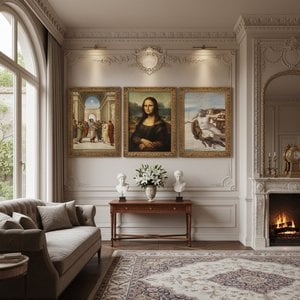
10 Arcydzieł Renesansu: Obrazy, które Zdefiniowały Epokę | ArtsDot.pl
Odkryj 10 arcydzieł renesansu – od Mona Lisy po freski Michała Anioła! Poznaj historie, techniki i wpływ największych artystów. Reprodukcje najwyższej jakości na ArtsDot.com. Eksploruj kolekcję online!

Od Selfie do Portretu Pełnego Klasy: Współczesna Transformacja Fotografii w Oleju – Sztuka Utrwalania Chwili i Tworzenia Dziedzictwa
Przekształć swoje wspomnienia w ponadczasowe dzieło sztuki! Ręcznie malowane portrety olejny na zamówienie, najwyższa jakość wykonania i indywidualne podejście. Eksperci pomogą wybrać idealny styl i rozmiar. Inwestycja w trwałe piękno.

Raphael: 25 Arcydzieł Mistrza Renesansu - Obrazy i Dekoracje ArtsDot.com
Odkryj 25 arcydzieł Raphaela – od Madonn po freski Watykanu. Poznaj historię, technikę i piękno renesansowego malarstwa. Reprodukcje obrazów najwyższej jakości na ArtsDot.com. Eksploruj kolekcję online!



