

 Podgląd w skali
 Wyślij jako kartkę
 Udostępnij
 Szczegóły dzieła

 Pobierz
 Podobne obiekty
 RTG
RTG Pokaz slajdów
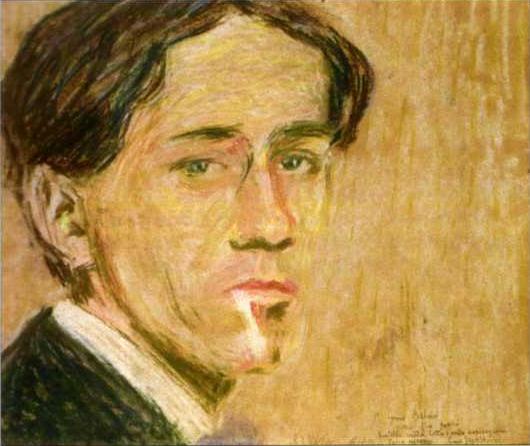
Self-portrait


 Rozwiń treść
Giclée / Wydruk artystyczny
Druk giclée lub płótno o jakości muzealnej, szybka realizacja i szeroki wybór opcji wykończenia. ( Zamów ręcznie malowaną reprodukcję Kup obraz wysokiej rozdzielczości)




































Wybierz spośród naszych standardowych rozmiarów, które zachowują oryginalne proporcje dzieła sztuki.

Możesz wprowadzić własne wymiary, aby dopasować dzieło do konkretnej ramy lub przestrzeni. Jeśli wybrany rozmiar nie będzie odpowiadał proporcjom oryginalnego obrazu, przytniecie dzieło lub rozszerzymy obraz za pomocą odbicia lustrzanego lub jednolitego wypełnienia krawędzi. Przed rozpoczęciem produkcji prześlemy cyfrową wizualizację do Twojej akceptacji.
Prosimy pamiętać, że podgląd na ekranie nie odzwierciedla faktycznego przycinania ani rozszerzania. Tylko wizualizacja dokładnie pokaże końcową kompozycję.
Mimo dostępności niestandardowych rozmiarów, zalecamy wybór wymiaru z listy zdefiniowanej, aby zachować oryginalne proporcje.
Dostawa na cały świat () w ciągu 2 tygodni zamiast standardowych 4/5 tygodni. (19 Sierpień)

Bezpłatna ekspresowa wysyłka na cały świat

Wysokiej jakości płótno lniane

Pełne ubezpieczenie przesyłki

Gwarancja zwrotu należności celnych i podatków importowych

Gwarancja wiernego odwzorowania kolorów

Polityka 60-dniowego zwrotu (tylko w przypadku wad)

Gwarancja 100% zwrotu kosztów

Zniżka przy zamówieniu wielu produktów
 Opcja ze szkłem jest dostępna wyłącznie w rozmiarach poniżej 110 cm

Self-portrait
Giclée / Wydruk artystyczny
Wymiary reprodukcji
-


Cena całkowita
$ 62
Opis kolekcjonerski
Severini's Style and Influences
Gino Severini was an Italian painter who was part of the Futurist movement. His style is characterized by a mix of Cubism and Futurism, which is evident in his use of geometric shapes and bold colors. The Self-portrait is a great example of Severini's unique style, with its bold lines and vibrant colors. You can find more information about Gino Severini and his works on https://ArtsDot.com, including his other notable paintings like Dancers at Monicos.Similar Works and Artists
Other artists who were part of the Futurist movement include Umberto Boccioni and Giacomo Balla. Their works can be found in various museums, including the Museum of Modern Art in New York. If you're interested in learning more about these artists and their works, I recommend checking out https://ArtsDot.com and Wikipedia for more information.- Gino Severini's Self-portrait is a significant work in the history of art, showcasing the artist's unique style and influences.
- The painting is characterized by its bold lines, vibrant colors, and geometric shapes, which are all hallmarks of the Futurist movement.
- As a professional expert in Art and https://ArtsDot.com salesman, I can appreciate the beauty and importance of this painting, and recommend it to anyone interested in early 20th-century art.
You can also find more information about the Futurist movement and its notable artists on Wikipedia, including Gino Severini, Umberto Boccioni, and Giacomo Balla.
Podobne dzieła


O artyście
Early Life and the Seeds of Artistic Rebellion
Gino Severini emerged into the world on April 7, 1883, in the picturesque Tuscan town of Cortona, Italy. His beginnings were humble; his father a junior court official, his mother a dressmaker – a background that instilled in him both a sensitivity to form and an awareness of societal structures. Formal education proved ill-fitting for the young Severini’s restless spirit. Expelled at fifteen alongside classmates for a youthful indiscretion involving stolen exam papers, he found himself cast adrift from conventional schooling. This expulsion, however, wasn't a derailment but rather a catalyst, freeing him to pursue his burgeoning artistic inclinations independently while working as a shipping clerk. The move to Rome in 1899 marked a turning point; it was there, amidst the ancient ruins and vibrant street life, that he began formal art classes, quickly becoming captivated by the shimmering effects of Divisionism – a technique championed by artists like Giacomo Balla and Umberto Boccioni, who would soon become pivotal figures in his artistic journey. These formative years laid the essential groundwork for Severini’s eventual embrace of Futurism, igniting within him a desire to capture the dynamism of modern life.Embracing the Velocity of Futurism
The invitation to join Filippo Tommaso Marinetti and Umberto Boccioni in the burgeoning Futurist movement proved transformative for Severini. He became a signatory of the *Manifesto of the Futurist Painters* in 1910, aligning himself with a revolutionary ideology that celebrated speed, technology, and the intoxicating energy of modernity. This wasn’t merely an artistic choice; it was a philosophical commitment to shattering tradition and forging a new aesthetic language for a rapidly changing world. Severini played a crucial role in disseminating Futurist ideas internationally, notably organizing the movement's first exhibition outside Italy at Galerie Bernheim-Jeune in Paris in 1912. His work during this period, exemplified by paintings like *North-South* (1915), embodies the Futurist obsession with capturing motion and energy through fragmented forms and a vibrant, almost explosive palette. Unlike some of his colleagues who focused on machines, Severini often turned to urban scenes and dancers as subjects, reflecting his fascination with portraying the rhythms and sensations of modern life – the swirling skirts, the flashing lights, the pulsating crowds. He helped to organize the first Futurist exhibition outside Italy at Galerie Bernheim-Jeune, Paris, in February 1912 and participated in subsequent Futurist shows in Europe and the United States. Severini’s unwavering belief in Futurism extended beyond mere artistic expression; it fueled his conviction that art should serve as a vehicle for social change, propelling him to engage actively with intellectual debates and cultural developments of his time.A Synthesis of Styles: Cubism and Beyond
Severini’s artistic style was never confined by rigid dogma; it was a constantly evolving synthesis of influences. While deeply rooted in the Futurist aesthetic, his work also demonstrated a profound engagement with Cubism, particularly after his pivotal visit to Paris in 1911. He absorbed elements of geometric abstraction and fragmented perspectives, incorporating them into his compositions to create dynamic arrangements that conveyed a sense of simultaneity and movement. Artists like Umberto Boccioni, Carlo Carrà, and Giovanni Francesco Romanelli were significant influences, but Severini’s unique vision allowed him to forge his own path. *Waltz*, for instance, showcases this masterful fusion of styles – the swirling energy of dance rendered through a Cubist lens, resulting in a painting that feels both chaotic and harmonious. He was adept at capturing fleeting moments and conveying emotional intensity, utilizing bold colors and unconventional brushstrokes to achieve remarkable expressive power. Severini’s exploration of abstraction wasn't driven by theoretical considerations alone; it stemmed from an instinctive desire to distill the essence of visual experience into its most fundamental components.Notable Achievements and Legacy
Severini achieved considerable recognition during his lifetime, securing commissions for murals and exhibitions that showcased his distinctive artistic vision. His paintings gained acclaim for their innovative use of color and form, establishing him as a leading figure in the avant-garde movement. He continued to produce artwork until his death in Paris on February 26, 1966, leaving behind an impressive oeuvre that continues to inspire artists and scholars today. Gino Severini’s contribution to Italian art history is undeniable; he stands as a testament to the transformative potential of artistic experimentation and unwavering dedication to one's creative ideals. His paintings reside in prominent museums across Europe and America, ensuring that his legacy will endure for generations to come.Later Years and Enduring Legacy
The years following the First World War saw Severini continuing to experiment with diverse artistic media, including mosaic and fresco, expanding his creative horizons beyond the canvas. He divided his time between Paris and Rome, producing works that reflected both his Italian heritage and his immersion in Parisian culture. Beyond his painting, he became a prolific writer on art theory, contributing significantly to the intellectual discourse surrounding modernism. Severini’s artistic explorations encompassed a wide range of styles and techniques—from Pointillism to Cubism to Surrealism—demonstrating an openness to new ideas and approaches. His unwavering belief in Futurism remained central to his artistic worldview, shaping his creative output throughout his career. Gino Severini passed away in Paris on February 26, 1966, at the age of 83, leaving behind a rich and multifaceted body of work. His legacy as a key figure in the Futurist movement – and a significant contributor to 20th-century Italian art – endures. Today, his paintings are held in prominent museums worldwide, including the Galleria Civica di Arte Moderna in Venice, serving as testaments to his lasting impact on the development of modern art and continuing to inspire generations of artists and viewers alike.
Gino Severini
1883 - 1966 , Włochy
Krótka nota
- Artistic Movement Or Style: Futurizm, Kubizm
- Artists Or Movements Influenced By This Artist: ['Marino Parenti']
- Artists Who Influenced This Artist:
- Giacomo Balla
- Umberto Boccionim
- Date Of Birth: 7 kwietnia 1883
- Date Of Death: 26 lutego 1966
- Full Name: Gino Severini
- Nationality: Włoski
- Notable Artworks:
- Formy tancerki w świetle
- Błękitna tancerka
- Pociąg pancerny
- Place Of Birth: Cortona, Italia
Powiązane artykuły

Subtelności Pastelu: Historia, Technika i Emocjonalny Rezonans w Sztuce
Odkryj fascynujący świat pasteli! Poznaj historię, technikę i wybitnych artystów. Porady konserwacji, inspiracje Wyspiańskiego i wszystko, co musisz wiedzieć o malarstwie pastelowym. Ekspercka analiza dla miłośników sztuki.

Subtelny blask pasteli: Eksploracja niuansu i emocji w sztuce XVIII wieku
Odkryj subtelny urok pasteli! Poznaj historię tej wyjątkowej techniki malarskiej, mistrzów rokoko i kobiecą perspektywę w portrecie. Eksploracja niuansu i emocji w sztuce XVIII wieku.

Reflecting the Self: A History of Portraiture & Psychological Insight
Explore the fascinating history of self-portraiture from Renaissance masters like Dürer & Rembrandt to modern interpretations. Discover the psychological insights and artistic techniques behind these iconic works. Expert analysis for art enthusiasts.

Echo Samorefleksji: Temat Własnego Obrazu w Historii Sztuki i Współczesnej Praktyce
Odkryj fascynującą historię autoportretu w sztuce! Analiza arcydzieł van Eycka, Repina i Kirchnera. Poradnik dla kolekcjonerów: wartość inwestycyjna i emocjonalna portretów artystów.

The Subdued Radiance of Pastel Palettes: Exploring Emotional Resonance in Art History
Explore the emotional power of pastel palettes in art history! Discover Impressionism, Post-Impressionism & color psychology insights. Find museum-quality reproductions at ArtsDot.

