
 Podgląd w skali 1:1
 Wyślij jako kartkę
 Udostępnij
 Szczegóły dzieła
 Przewodnik

 Pobierz obraz
 Podobne obiekty
 RTG
RTG Pokaz slajdów
 Pytania i odpowiedzi
 Statystyki
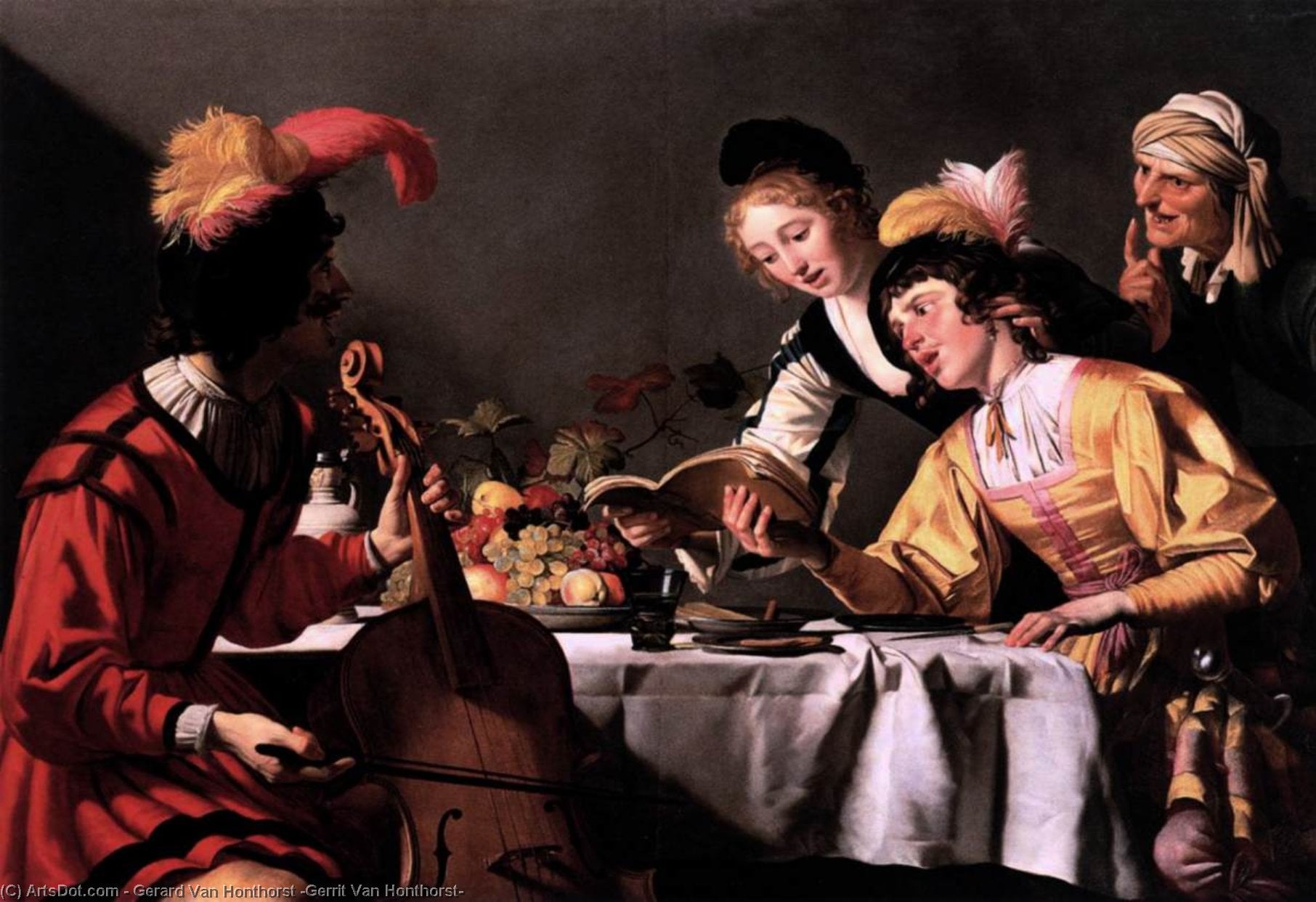
The Concert

- 168.0 x 202.0 cm


 Rozwiń treść
Otrzymaj plik gotowy do druku, którego jakość znacznie przewyższa podgląd internetowy. Każdy sprzedawany przez nas obraz cyfrowy pochodzi z wysokorozdzielczego pliku wzorcowego w naszej bazie — zazwyczaj o szerokości od 5 000 do 15 000 pikseli — dzięki czemu możesz drukować w dużym formacie, mocno kadrować lub z pełnym przekonaniem odwzorowywać najdrobniejsze detale.
Żaden plik nie opuszcza naszego studia bez odpowiedniej obróbki. Ekspert ds. cyfrowej edycji sprawdza zgodność kolorów z oryginałem i w razie potrzeby je koryguje, a następnie za pomocą profesjonalnych narzędzi do retuszu poprawia ostrość oraz szczegółowość — zawsze zachowując wierność pociągnięciom pędzla i stylowi artysty. Rezultatem jest obraz, który wygląda jak prawdziwe dzieło, a nie jak przefiltrowany skan.
Zatwierdzasz przed finalizacją zamówienia: nasz ekspert prześle obraz drogą mailową w ciągu 72 godzin do Twojego wglądu. Nie jesteś zadowolony? Poproś o poprawki lub korektę, bądź o zwrot kosztów, jeśli jakość nie spełnia oczekiwań.
To jakość, na której polegają wydawcy, studia projektowe, galerie oraz drukarnie.
Obraz cyfrowy
Pobierz plik o wysokiej rozdzielczości do osobistego użytku, druku oraz projektów kreatywnych. ( Przełącz na wydania drukowane Zamów ręcznie malowaną reprodukcję)
W każdym zamówieniu na obraz cyfrowy znajduje się
Profesjonalna dostawa cyfrowa z gwarancją
Wybierając ArtsDot.com, nie otrzymujesz jedynie obrazu – otrzymujesz profesjonalnie udoskonalone cyfrowe dzieło sztuki, stworzone z najwyższą precyzją i objęte gwarancją satysfakcji. Oto wszystko, co automatycznie dołączane jest do Twojego zamówienia:

Błyskawiczna wysyłka e-mailowa
Plik z obrazem cyfrowym w wysokiej rozdzielczości zostanie przesłany na Twój adres e-mail w ciągu 72 godzin od złożenia zamówienia – gotowy do natychmiastowego użycia.

Plik cyfrowy wzbogacony przez AI
Twoja grafika została profesjonalnie zoptymalizowana przy użyciu zaawansowanych narzędzi AI oraz ręcznej edycji, co zapewnia maksymalną szczegółowość, klarowność i wierność kolorów.

Darmowe ponowne przesyłki dożywotnio
Przypadkowo usunąłeś lub zgubiłeś swój plik? Bez obaw – prześlemy go Tobie ponownie w dowolnym momencie, bez żadnych opłat.

Bez opłat importowych – zawsze
Ciesz się swoją sztuką natychmiast, bez żadnych opłat celnych, należności ani kosztów dostawy – pliki cyfrowe są zawsze wolne od podatku.

Gwarancja wierności kolorów
Dzięki zastosowaniu profesjonalnych narzędzi i procesów zarządzania barwą zapewniamy, że Twoje cyfrowe zdjęcie odzwierciedla oryginalne kolory tak wiernie, jak to tylko możliwe.

Gwarancja satysfakcji przez 100 dni
Jeśli nie będziesz zadowolony ze swojego cyfrowego obrazu, dokonamy jego poprawki lub zwrócimy 100% kosztów w ciągu 100 dni – bez zbędnych pytań.

100% Gwarancja zwrotu pieniędzy
Nie jesteś zadowolony? Otrzymaj pełny zwrot kosztów w ciągu 100 dni od otrzymania pliku cyfrowego – bez zbędnych pytań.

Rabaty przy zamówieniach hurtowych
Kup 3 obrazy, oszczędź 10% - Kup 5, oszczędź 15% - Kup 10+, oszczędź 20%. Idealne do projektów kreatywnych, galerii i agencji.
The Concert: A Baroque Tableau of Musical Rapture
Gerard van Honthorst’s “The Concert,” painted in 1626 and currently residing within the Galleria Borghese in Rome, is more than just a depiction of musicians; it's a meticulously crafted distillation of the vibrant energy and social grace of the Dutch Golden Age. This oil on canvas masterpiece transcends mere representation, offering a glimpse into a world where music, fashion, and conversation intertwine—a microcosm of courtly life rendered with astonishing skill and dramatic flair. The painting immediately captivates with its dynamic composition, pulling the viewer into a scene brimming with movement and animated dialogue.
Honthorst’s signature style, deeply rooted in Caravaggism, is powerfully evident here. He masterfully employs *tenebrism*, a technique characterized by stark contrasts between light and shadow, to sculpt forms and direct our gaze. The brightly illuminated figures – particularly the woman at the cello – stand out against the enveloping darkness of the background, creating an immediate sense of drama and intimacy. This strategic use of light not only highlights the performers but also subtly suggests a narrative unfolding within the scene: a moment of shared enjoyment, perhaps even a flirtatious exchange between the musicians.
A Symphony of Detail and Symbolism
The painting’s details are remarkably rich and layered with symbolic meaning. The central figure, seated at the cello, is dressed in a vibrant red gown—a color associated with passion, energy, and leadership within the Baroque era. Her posture exudes confidence and enthusiasm as she commands the ensemble. To her right, another woman holds a book, likely sheet music or lyrics, subtly suggesting the intellectual underpinning of the performance. The two men flanking her are equally compelling; one sports a flamboyant yellow hat adorned with feathers—a symbol of status and perhaps even playful vanity – while the other is clad in a striking red and white striped outfit, holding a lute, an instrument traditionally linked to courtly entertainment.
Beyond the individual figures, the setting itself contributes significantly to the painting’s narrative. The dark room behind the musicians creates a sense of enclosure and intimacy, drawing attention to the performers as if they were trapped within a private world of music and merriment. The strategically placed window on the right side allows natural light to flood the scene, further emphasizing the figures' presence and adding a touch of warmth and vitality.
Historical Context and Artistic Influence
Gerard van Honthorst’s “The Concert” emerged during a period of immense artistic innovation in Europe. Following his transformative journey to Rome, where he encountered the revolutionary work of Caravaggio, Honthorst embraced *tenebrism* as his signature style. This technique, characterized by dramatic contrasts between light and dark, became a hallmark of Baroque art across the continent. His ability to capture fleeting moments of human interaction with such intensity and realism cemented his reputation as one of the most influential painters of the Dutch Golden Age.
The painting’s subject matter—a musical performance—was particularly popular during this era, reflecting a growing appreciation for music within aristocratic circles. “The Concert” offers a rare glimpse into the social rituals and cultural values of 17th-century Holland, where music played a vital role in shaping identity and fostering social connections.
Bringing "The Concert" to Life: Reproductions and Beyond
ArtsDot.com is proud to offer meticulously crafted, hand-painted oil painting reproductions of Gerard van Honthorst’s “The Concert.” These reproductions capture the essence of the original artwork—the dramatic lighting, the intricate details, and the palpable sense of energy—with unparalleled accuracy. Whether you are an art collector, interior designer seeking a statement piece, or simply an admirer of Baroque artistry, our reproductions provide a beautiful and authentic way to experience this iconic masterpiece.
Explore further by visiting our online gallery or contacting us directly to discuss your specific needs. You can also delve deeper into Honthorst’s life and work by visiting the National Gallery of Art's page on “The Concert” or exploring related resources such as Google Arts & Culture’s entry and the Wikipedia article on Gerard van Honthorst.
Pytania i odpowiedzi
Kto stworzył "The Concert" i w jakim stylu jest to dzieło?
Gerard van Honthorst stworzył "The Concert", reprezentujące nurt Baroque.
Czy The Concert jest w ogólnym ujęciu jasny?
Pod względem postrzeganej jasności, „The Concert” – Gerard van Honthorst jest deep_shadow.
Czy „The Concert” – Gerard van Honthorst należy do najbardziej pożądanych dzieł w nurcie Baroque?
W ramach nurtu Baroque, dzieło „The Concert” cechuje się poziomem popularności Iconic.
Podobne dzieła


Biografia artysty
A Master of Light and Shadow: The Life and Art of Gerard van Honthorst
Gerard van Honthorst emerged from Utrecht in 1592, a pivotal figure poised to illuminate the Dutch Golden Age with his dramatic artistry. Initially guided by his father, a decorative painter, young Gerard’s talent blossomed under the tutelage of Abraham Bloemaert, establishing a solid foundation in draftsmanship and composition. However, it was a transformative journey to Rome that irrevocably altered the course of his artistic development. There, amidst the fervent energy of the Italian Baroque, he encountered the groundbreaking work of Caravaggio – an encounter that would define his signature style and earn him the evocative nickname “Gherardo delle Notti,” or Gerard of the Nights. The dramatic use of *tenebrism*, a technique employing stark contrasts between light and dark, became Honthorst’s hallmark, imbuing his canvases with a palpable sense of drama and emotional intensity. He wasn't merely imitating Caravaggio; he was translating the Italian master’s innovations into a distinctly Dutch sensibility, focusing on intimate scenes illuminated by artificial light sources – candles, lamps, and fires – creating an atmosphere both realistic and deeply theatrical. This mastery over light wasn’t simply technical skill; it was a means of revealing character, of drawing the viewer into the emotional core of each scene. Honthorst's early works in Rome showcased this talent brilliantly, establishing him as a rising star within the Italian art world.From Roman Acclaim to Dutch Mastery
Honthorst’s time in Rome was marked by considerable success and patronage. He found favor amongst the city’s elite, including Vincenzo Giustiniani, for whom he created the powerful “Christ Before the High Priest,” a work that exemplifies his masterful command of light and shadow. This painting, now residing in London’s National Gallery, showcases not only his technical skill but also his ability to convey profound psychological depth within his figures. The scene depicts Christ calmly awaiting judgment before the High Priest Caiaphas, bathed in a dramatic spotlight while the surrounding figures are shrouded in darkness – a masterful use of *tenebrism* that heightens the drama and emphasizes Christ’s serenity amidst impending doom. He further solidified his reputation by working for Cosimo II de' Medici, Grand Duke of Tuscany, demonstrating an adaptability and versatility that would serve him well throughout his career. Honthorst’s ability to capture not just physical likeness but also the character and social standing of his sitters made him highly sought after by wealthy merchants, nobles, and even royalty. This period saw a flourishing of commissions, allowing Honthorst to refine his style and establish a distinctive voice within Dutch painting. His portraits were particularly admired for their realism and psychological insight, capturing the nuances of personality with remarkable skill.The Utrecht Caravaggisti: A Distinctly Dutch Interpretation
Upon returning to Utrecht around 1620, Honthorst quickly established himself as a leading portrait painter in the Dutch Republic. He was a key figure in the *Utrecht Caravaggisti* movement – a group of Dutch painters who embraced Caravaggio’s dramatic realism and *tenebrism*. Alongside artists like Hendrick ter Brugghen and Dirck van Baburen, he helped to establish a distinctly Dutch interpretation of Italian Baroque style. The Utrecht Caravaggisti didn't simply copy Caravaggio; they adapted his techniques to the Dutch context, often incorporating elements of genre scenes and everyday life into their works. Honthorst’s emphasis on genre scenes illuminated by artificial light – candlelight, lamps, or fireplaces – became a hallmark of his style. These scenes weren’t merely decorative; they were imbued with emotional intensity and psychological depth, reflecting the complexities of human experience. His willingness to experiment with unusual lighting effects and dramatic compositions set him apart from other artists of his time.Courtly Artist: Commissions and Collaborations
The reach of Honthorst’s talent extended beyond the Netherlands. His work attracted the attention of Sir Dudley Carleton, who enthusiastically recommended him to prominent English aristocrats like the Earl of Arundel and Lord Dorchester. This led to commissions from Queen Elizabeth of Bohemia, sister of Charles I, who employed him as both a painter and drawing master for her children. These royal connections culminated in significant works such as the allegorical depiction of Charles and Henrietta Maria as Diana and Apollo, now housed at Hampton Court Palace – a grand composition that showcases Honthorst’s mastery of perspective and his ability to create visually stunning scenes. Honthorst’s willingness to collaborate with other artists also speaks to his open-mindedness and artistic generosity. He famously hosted Peter Paul Rubens during a visit to Utrecht, even painting him in a playful scene depicting Diogenes searching for an honest man – a testament to the mutual respect between these two Baroque giants. These collaborations weren't simply about sharing workload; they were intellectual exchanges that enriched the artistic landscape.Legacy and the Enduring Power of Light
Gerard van Honthorst’s influence resonated far beyond his lifetime. He was a key figure in the *Utrecht Caravaggisti* movement – a group of Dutch painters who embraced Caravaggio’s dramatic realism and *tenebrism*. His emphasis on genre scenes illuminated by artificial light, his masterful portraits, and his ability to convey emotional depth through skillful use of chiaroscuro left an indelible mark on the development of Dutch Golden Age painting. Even his brother, Willem van Honthorst, followed in his footsteps, though often with works initially misattributed to Gerard due to stylistic similarities. Van Honthorst died in Utrecht in 1656, leaving behind a body of work that continues to captivate audiences today and remind us of the enduring power of light and shadow to reveal the human condition. His paintings are celebrated for their dramatic beauty, psychological insight, and masterful use of *tenebrism*, solidifying his place as a pivotal figure in art history.
Gerard van Honthorst
1590 - 1656 , Holandia
Krótka nota
- Artistic Movement Or Style: Barok, Caravaggismo
- Artists Or Movements Influenced By This Artist: ['Utrecht Caravaggisti']
- Artists Who Influenced This Artist: ['Caravaggio']
- Date Of Birth: 1590
- Date Of Death: 1656
- Full Name: Gerard van Honthorst
- Nationality: Holender
- Notable Artworks:
- Chrystus przed Kajfaszem
- Sąd Midasa
- Place Of Birth: Utrecht, Holandia