

 Podgląd w skali 1:1
 Wyślij jako kartkę
 Udostępnij
 Szczegóły dzieła
 Przewodnik

 Pobierz obraz
 Podobne obiekty
 RTG
RTG Pokaz slajdów
 Pytania i odpowiedzi
 Statystyki
View through an Arcade

- 131.0 x 152.0 cm


 Rozwiń treść
Giclée / Wydruk artystyczny
Wydruki giclée lub płótna o jakości muzealnej, szybka realizacja i szeroki wybór opcji wykończenia. ( Zamów ręcznie malowaną reprodukcję Przejdź do wersji cyfrowej)




P118B zł10

P118H zł10

P118W zł10

P438Z zł10

P508JH zł12

P508YH zł12

P805H zł10

P805Z zł10

P919BZ zł10

P919G zł10

P919XJ zł10

P959ZH zł10

P968JZ zł12

W106C zł8

W218G zł10

W218JH zł8

W218Y zł10

W307PJ zł10

W316G zł10

W316PJ zł8

W316Y zł10

W398PJ zł8

W4111J zł10

W500HY zł15

W500JH zł15

W692G zł12

W849H zł8

W940BG zł15

W953PJ zł8




Wybierz spośród naszych standardowych rozmiarów, które zachowują oryginalne proporcje dzieła sztuki.

Wpisz wymaganą szerokość i wysokość, aby dopasować grafikę do ramy lub ściany. Wydruk można jedynie przyciąć, nigdy nie powiększając go poza oryginalny obraz, dlatego format o innych proporcjach spowoduje utratę części kompozycji. Przed rozpoczęciem druku prześlemy Ci cyfrowy podgląd do zatwierdzenia. Obraz wyświetlany na tej stronie nie pokazuje rzeczywistego przycięcia — jedynie podgląd oddaje ten efekt.
Dostawa na cały świat () w ciągu 2 tygodni zamiast standardowych 4/5 tygodni. (15 Listopad)

Bezpłatna ekspresowa wysyłka na cały świat

Wysokiej jakości płótno lniane

Pełne ubezpieczenie przesyłki

Gwarancja zwrotu należności celnych i podatków importowych

Gwarancja wiernego odwzorowania kolorów

100-dniowa polityka zwrotów (tylko w przypadku wad)

Gwarancja 100% zwrotu pieniędzy

Zniżka przy zakupie wielu sztuk
 Opcja ze szkłem jest dostępna wyłącznie w rozmiarach poniżej 110 cm

View through an Arcade
Giclée / Wydruk artystyczny
Wymiary reprodukcji
-


Cena całkowita
zł 245
A Portal to the Golden Age
Step into the profound stillness of the seventeenth century with Gerard Houckgeest’s View through an Arcade. Painted in 1638, this masterpiece serves as more than a mere window into the past; it is a breathtaking exercise in perspective and architectural grandeur. The viewer is immediately drawn into a long, symmetrical corridor, where a rhythmic procession of classical arches and stately columns guides the eye toward a distant, sun-drenched horizon. This composition, rooted in the mastery of linear perspective, creates an immersive sense of depth that feels almost tangible, as if one could step directly off the canvas and wander through the marble halls of a lost era.
The scene is alive with the quiet drama of the Dutch Golden Age. Amidst the imposing stone structures, subtle narrative elements emerge: figures dressed in period finery move through the light, dogs roam the polished floors, and a faint cityscape glimmers in the far distance. These small, human touches provide a sense of scale to the monumental architecture, transforming an empty hall into a living, breathing space. For the collector or interior designer, this painting offers a profound sense of order and stability, making it an ideal centerpiece for spaces that demand elegance and intellectual depth.
The Mastery of Light and Texture
Houckgeest’s technique is a testament to the meticulous precision of the Delft workshop tradition. Utilizing oil on canvas, the artist employs a sophisticated use of chiaroscuro, where directional light streaming from the left side of the frame casts long, soft shadows that define the three-dimensional volume of every pillar and archway. The color palette is a rich tapestry of warm ochres, deep golds, and earthy browns, creating an atmosphere of opulent warmth that can transform the mood of any room.
Every brushstroke serves a purpose in defining the tactile reality of the scene. One can almost feel the cool, smooth surface of the marble floors and the heavy weight of the stone columns. The geometric precision of the floor tiles provides a rhythmic foundation for the work, while the interplay of light on different surfaces—from the soft fabric of period clothing to the hard glint of architectural details—showcases a level of virtuosity that remains captivating centuries later. This attention to detail ensures that a high-quality reproduction retains the luminous, lifelike quality of the original masterpiece.
Symbolism and Emotional Resonance
Beyond its technical brilliance, View through an Arcade carries a weight of symbolic significance. The classical architecture, with its orderly columns and soaring arches, serves as a metaphor for the power, wealth, and civilized progress of the Dutch Republic during its zenith. It represents a world built on structure, faith, and enduring strength. Yet, there is a poignant emotional duality within the work; while the grandeur evokes awe and admiration, the vastness of the corridor and the distant, solitary figures also whisper of a certain melancholy and the fleeting nature of time.
For those seeking to curate an environment of serenity and contemplation, this artwork provides an unparalleled emotional anchor. It invites the viewer to pause, to breathe, and to lose themselves in the infinite perspective of a beautifully ordered world. Whether placed in a formal gallery or a sophisticated modern living space, Houckgeest’s vision continues to inspire wonder, offering a timeless connection to the artistry and soul of the seventeenth century.
Pytania i odpowiedzi
Z której epoki pochodzi "View through an Arcade"?
"View through an Arcade" pochodzi z epoki Early Modern.
Do którego pomieszczenia w domu najlepiej pasuje reprodukcja "View through an Arcade"?
Zalecaną przestrzenią dla „View through an Arcade” – Gerard Houckgeest jest Hotel Lobby. Sugestia ta może być oczywiście dostosowana do Twojego wnętrza.
Do którego okresu twórczości Gerard Houckgeest należy dzieło „View through an Arcade”?
W dorobku artystycznym Gerard Houckgeest dzieło „View through an Arcade” przypada na Mature Period. Ten etap pozwala zestawić je z innymi pracami twórcy.
Podobne dzieła


Biografia artysty
Architekt Światła i Pobożności
W samym sercu holenderskiego Złotego Wieku, epoki zdefiniowanej przez bezprecedensowy dobrobyt i intelektualne przebudzenie, Gerard Houckgeest wyłonił się jako mistrz niezwykle wyspecjalizowanego i głębokiego gatunku. Urodzony w Hadze około 1600 roku, Houckgeest nie tylko malował sceny; on konstruował światy ze stone, światła i ducha. Jego droga na szczyty artystycznych osiągnięć rozpoczęła się pod okiem Bartholomeusa van Bassena, kluczowej postaci, której wpływ zakotwiczył Houckgeesta w prestiżowej tradycji warsztatów w Delft. Ta linia sukcesji zapewniła mu coś więcej niż tylko biegłość techniczną; zaszczepiła w nim pokorę wobec architektonicznej precyzji oraz unikalną zdolność manipulowania światłem, by przywoływać to, co boskie.
W miarę jak jego kariera rozwijała się w połowie XVII wieku, obecność Houckgeesta przenikała przez krajobraz Niderlandów, pozostawiając swój ślad w Delft, Steenbergen i Bergen op Zoom. Miejsca te nie były jedynie geograficznymi punktami na mapie, lecz scenami głębokiej ewolucji stylistycznej. Podczas gdy jego wczesne dzieła odzwierciedlały zdyscyplinowane fundamenty jego szkolenia, okres dojrzały przyniósł przyjęcie dramatycznych zdobień baroku. Dzięki mistrzowskiemu wykorzystaniu chiaroscuro, nauczył się on przeplatać cienie z blaskiem, tworząc poczucie głębi, które wciąga widza w samo serce przedstawianych przez niego struktur.
Mistrzostwo Świętej Przestrzeni
Prawdziwe dziedzictwo Houckgeesta tkwi w jego nieporównywalnej zdolności do chwytania duszy wnętrz kościelnych. Dla niego kościół nie był jedynie zbiorem murów i drewna, lecz naczyniem dla teologicznej kontemplacji. Podchodził do przedstawiania sklepień kolebkowych, bogato zdobionych ambon i witraży z niemal naukową dokładnością, jednak nigdy nie pozwolił, by techniczna perfekcja przysłoniła emocjonalny rezonans. Jego obrazy służą jako okna do holenderskiej psychiki XVII wieku, w której fizyczny przepych architektury renesansowej spotykał się z cichą, introspektywną naturą protestanckiej pobożności.
Nie można mówić o jego osiągnięciach, nie wspominając o zdolności do łączenia rzeczywistości z symbolizmem. W dziełach takich jak jego słynne przedstawienia Oude Kerk w Delft, Houckłosgeest osiągnął zapierający dech w piersiach realizm, który dokumentował historyczne i funeralne znaczenie tych przestrzeni. Poprzez skrupulatne odtwarzanie elementów, takich jak grób wiceadmirała Pietersza Heijna, zakotwiczył swoją sztukę w namacalnej historii swojego narodu, jednocześnie zapraszając obserwatora do medytacji nad tematami śmiertelności i wiecznej łaski. Jego pociągnięcia pędzla przekształcały zimny kamień w medium ciepła i światła, sprawiając, że to, co monumentalne, stawało się intymne.
Dziedzictwo i Znaczenie Historyczne
Poza murami kościołów, eksploracja budowli renesansowych pozwoliła Houckgeestowi na dialog z humanistycznymi ideałami jego epoki. Posiadał rzadki talent do portretowania punktu styku ludzkiego geniuszu i boskiej inspiracji. Jego twórczość pozostaje świadectwem czasów, w których sztuka, architektura i wiara były nierozerwalnie połączone. Dzięki skrupulatnej uwadze poświęconej detalom oraz biegłości w perspektywie powietrznej, wpłynął na pokolenie malarzy dążących do uchwycenia majestatu otoczenia architektonicznego.
Dziś dzieła Gerarda Houckgeesta pozostają żywymi elementami światowego kanonu sztuki, zachowanymi w prestiżowych instytucjach, takich jak Mauritshuis. Jego wkład w holenderski Złoty Wiek charakteryzuje się kilkoma trwałymi cechami:
- Architektoniczna Prawda: Zaangażowanie w przedstawianie elementów strukturalnych z poziomem szczegółowości, który służy zarówno zapisowi historycznemu, jak i pięknu estetycznemu.
- Dramaturgia Światła: Wykorzystanie światła jako narzędzia narracyjnego, które prowadzi wzrok i wywołuje duchowy zachwyt.
- Dokumentacja Kulturowa: Dostarczanie nieocenionego wizualnego archiwum architektury religijnej i świeckiej XVII-wiecznych Niderlandów.
W cichej majestatyczności jego namalowanych wnętrz odnajdujemy coś więcej niż tylko dokumentację historyczną; odnajdujemy głęboką medytację nad sposobem, w jaki światło oddziałuje ze strukturami, które budujemy, aby uczcić nasze najwyższe ideały.

Gerard Houckgeest
1600 - 1661 , Holandia
Krótka nota
- Artistic Movement Or Style: Złoty Wiek Holandii
- Artists Or Movements Influenced By This Artist: ['Malarstwo barokowe']
- Artists Who Influenced This Artist: ['Bartholomäus van Bassen']
- Date Of Birth: Haga, Holandia (1600)
- Date Of Death: 1661
- Full Name: Gerard Houckgeest
- Nationality: Holender
- Notable Artworks: ['Wnętrze Oude Kerk w Delft']
- Place Of Birth: Haga
Powiązane artykuły
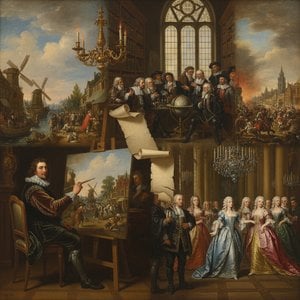
Oświecając Stulecie Zmian: Ekspresja Artystyczna i Przesunięcia Społeczne w XVII-Wiecznej Europie
Poznaj fascynujący świat malarstwa XVII wieku! Analiza wpływu zmian społecznych na twórczość Rembrandta, Vermeera i innych mistrzów Złotego Wieku Holandii. Ekspercka analiza historii sztuki.

Gerard van Honthorst: Illuminating the Dutch Golden Age with Caravaggism & Courtly Grace
Explore the captivating world of Gerard van Honthorst, a Dutch Golden Age master renowned for his dramatic chiaroscuro & courtly portraits. Discover his life, art, and lasting influence on Baroque painting.

The Art of Shadows: How Chiaroscuro and Moody Masterpieces Elevate Interior Sophistication
Discover how moody, dimly lit artworks and the chiaroscuro technique can transform your home into a sophisticated sanctuary. Learn expert tips on selecting hand-painted masterpieces to create an intimate, luxurious atmosphere through light, shadow, and texture.

Holenderski Barok: 10 Arcydzieł, Które Zdefiniowały Epokę | ArtsDot
Poznaj 10 arcydzieł holenderskiego baroku! Odkryj historie Rembrandta, Vermeera i innych mistrzów XVII wieku. Reprodukcje obrazów najwyższej jakości – idealne do Twojego wnętrza. ArtsDot.com

The Art of Quietude: Finding Stillness in Classical Landscapes
Explore the tranquil mastery of Corot, Renoir, and Dutch masters through classical landscapes. Discover timeless serenity in every brushstroke.
