


 Podgląd w skali
 Wyślij jako kartkę
 Udostępnij
 Szczegóły dzieła

 Pobierz
 Podobne obiekty
 RTG
RTG Pokaz slajdów
The Apprentice

 Rozwiń treść
Giclée / Wydruk artystyczny
Druk giclée lub płótno o jakości muzealnej, szybka realizacja i szeroki wybór opcji wykończenia. ( Zamów ręcznie malowaną reprodukcję Kup obraz wysokiej rozdzielczości)




































Wybierz spośród naszych standardowych rozmiarów, które zachowują oryginalne proporcje dzieła sztuki.

Możesz wprowadzić własne wymiary, aby dopasować dzieło do konkretnej ramy lub przestrzeni. Jeśli wybrany rozmiar nie będzie odpowiadał proporcjom oryginalnego obrazu, przytniecie dzieło lub rozszerzymy obraz za pomocą odbicia lustrzanego lub jednolitego wypełnienia krawędzi. Przed rozpoczęciem produkcji prześlemy cyfrową wizualizację do Twojej akceptacji.
Prosimy pamiętać, że podgląd na ekranie nie odzwierciedla faktycznego przycinania ani rozszerzania. Tylko wizualizacja dokładnie pokaże końcową kompozycję.
Mimo dostępności niestandardowych rozmiarów, zalecamy wybór wymiaru z listy zdefiniowanej, aby zachować oryginalne proporcje.
Dostawa na cały świat () w ciągu 2 tygodni zamiast standardowych 4/5 tygodni. (18 Sierpień)

Bezpłatna ekspresowa wysyłka na cały świat

Wysokiej jakości płótno lniane

Pełne ubezpieczenie przesyłki

Gwarancja zwrotu należności celnych i podatków importowych

Gwarancja wiernego odwzorowania kolorów

Polityka 60-dniowego zwrotu (tylko w przypadku wad)

Gwarancja 100% zwrotu kosztów

Zniżka przy zamówieniu wielu produktów
 Opcja ze szkłem jest dostępna wyłącznie w rozmiarach poniżej 110 cm

The Apprentice
Giclée / Wydruk artystyczny
Wymiary reprodukcji
-


Cena całkowita
$ 62
Podobne dzieła


O artyście
A Life Forged in Parisian Shadows
Georges Rouault, born in Paris in 1871 amidst the turmoil of the Commune, lived a life deeply etched by hardship and spiritual seeking. His earliest years were spent literally in the shadows – his family sought refuge in a cellar during the city’s bombardment, an event that would resonate throughout his artistic vision. This humble beginning, coupled with a devoutly Catholic upbringing fostered by his mother, instilled within him a profound empathy for the marginalized and suffering, themes that would become central to his oeuvre. He wasn't destined for formal academic privilege; instead, he embarked on an apprenticeship as a glass painter at fourteen, a craft that profoundly shaped his aesthetic sensibilities. The vibrant hues and bold outlines inherent in stained glass became foundational to his mature style – a characteristic use of dark contours framing luminous color fields, reminiscent of medieval artistry. This early immersion wasn’t merely technical; it was spiritual, imbuing him with an appreciation for the narrative power of light and image. He simultaneously pursued formal training at the École des Beaux-Arts, where he became a devoted pupil of Gustave Moreau, whose Symbolist leanings further nurtured Rouault's inclination towards emotionally charged subject matter.Early Influences and Artistic Beginnings
Rouault’s artistic journey began not with grand ambitions but with a practical apprenticeship in the stained-glass workshops of Paris. This early experience—working with light, color, and intricate designs—laid the groundwork for his distinctive style. The meticulous craftsmanship required to create these luminous panels instilled in him a deep respect for detail and a sensitivity to texture. Simultaneously, he attended evening classes at the École des Beaux-Arts, where he studied under Gustave Moreau, whose influence was particularly profound. Moreau’s Symbolist approach—emphasizing emotional expression over strict realism—resonated deeply with Rouault's nascent artistic sensibilities. Moreau’s studio became a crucible of experimentation, exposing Rouault to a diverse range of artists and ideas, including those of Paul Gauguin and Vincent van Gogh. This exposure broadened his horizons and challenged traditional notions of beauty. Crucially, Moreau encouraged Rouault to explore the darker aspects of human experience, a theme that would become increasingly prominent in his work. Early works show a symbolism in the use of color that probably reflects Moreau's influence, and when Moreau died in 1898, Rouault was appointed curator of the Moreau Museum in Paris.From Fauvism’s Embrace to Expressionist Depths
Rouault’s artistic journey wasn’t one of immediate recognition or easy categorization. While initially influenced by the Symbolists, he found himself drawn into the orbit of the burgeoning Fauvist movement in the early 20th century. He befriended artists like Henri Matisse and Albert Marquet, participating in exhibitions alongside them, yet his temperament always steered him toward a more somber and introspective path than the purely aesthetic explorations of his contemporaries. The vibrant colors of Fauvism served as a springboard, but Rouault quickly transcended its limitations, infusing his canvases with an emotional intensity that foreshadowed Expressionism. He began to focus on subjects often overlooked or deemed unworthy of artistic attention: prostitutes, clowns, judges, and prisoners. These weren’t merely depictions of societal outcasts; they were poignant allegories for the human condition – explorations of sin, redemption, and the inherent dignity within suffering. His characterizations, often grotesque yet deeply empathetic, resonated with a growing sense of unease and alienation in modern society, influencing a generation of Expressionist painters who sought to convey inner turmoil through distorted forms and jarring colors.A Moral Compass in Canvas and Print
The First World War proved to be a pivotal moment for Rouault, solidifying his commitment to religious faith and deepening the moral weight of his art. He largely withdrew from public exhibitions during this period, dedicating himself to intensely personal projects like the *Miserere* series – a monumental cycle of etchings depicting scenes of human suffering inspired by the Psalms. These works, created over more than a decade, are arguably his most powerful and enduring achievement. The plates themselves were reworked repeatedly, reflecting Rouault’s relentless pursuit of emotional truth and spiritual understanding. He wasn't interested in mere representation; he sought to capture the raw essence of human experience – the anguish, the despair, but also the glimmer of hope that persists even in the darkest corners of existence. Beyond *Miserere*, his paintings continued to explore similar themes, often featuring figures isolated and burdened by their circumstances, yet imbued with a quiet dignity. His depictions of clowns, for example, weren’t simply comedic; they were tragic figures embodying the absurdity and loneliness of life.Legacy and Lasting Impact
Georges Rouault's artistic legacy extends far beyond his technical innovations or stylistic affiliations. He was a profoundly spiritual artist who used his craft as a means of moral inquiry and empathetic connection. His work challenged conventional notions of beauty, embracing ugliness and suffering as integral aspects of the human experience. He rejected the purely decorative in favor of art that confronted viewers with uncomfortable truths about themselves and their society. In later life, he received commissions for religious works, including designs for Sergei Diaghilev’s ballet *The Prodigal Son*, further cementing his reputation as a uniquely devout artist. A curious and perhaps tragic footnote to his career is the fact that, late in life, Rouault destroyed approximately 300 of his paintings – an act driven by self-criticism and a relentless pursuit of artistic perfection. This dramatic gesture underscores the intensity of his creative process and his unwavering commitment to expressing his inner vision. Rouault died in Paris in 1958, leaving behind a body of work that continues to resonate with audiences today—a testament to the enduring power of art born from compassion, faith, and an unflinching gaze upon the complexities of the human heart.
Georges Rouault
1871 - 1958 , Francja
Krótka nota
- Artistic Movement Or Style: Fauwizm, Ekspresjonizm
- Artists Or Movements Influenced By This Artist: ['Ekspresjoniści']
- Artists Who Influenced This Artist:
- Gustaw Moreau
- Vincent van Gogh
- Date Of Birth: 27 maja 1871
- Date Of Death: 13 lutego 1958
- Full Name: Georges Henri Rouault
- Nationality: Francuz
- Notable Artworks:
- Droga do Kalwarii
- Koniec Lata
- Place Of Birth: Paryż, Francja
Powiązane artykuły

Georges Braque: 25 Arcydzieł Kubizmu i Nowoczesnej Sztuki | ArtsDot.com
Odkryj 25 arcydzieł Georges'a Braque – pioniera kubizmu i malarstwa nowoczesnego. Poznaj historię, techniki i inspiracje za jego najsłynniejszymi obrazami. Reprodukcje najwyższej jakości na ArtsDot.com! Eksploruj pełną kolekcję online.

Georges Seurat: 25 Arcydzieł Punktalizmu dla Twojego Domu | ArtsDot.com
Odkryj 25 arcydzieł Georges'a Seurata! Poznaj historię punktalizmu, impresjonistyczne pejzaże i fascynującą technikę malarską. Reprodukcje obrazów najwyższej jakości na ArtsDot.com – inspiracje do Twojego wnętrza. Eksploruj pełną kolekcję online!

Top 10 Sławnych Obrazów w Odcieniach Szaroniebieskiego – Inspiracje dla Wnętrz | ArtsDot.com
Odkryj 10 najsłynniejszych obrazów w odcieniach szaroniebieskiego! Poznaj historie Claude Moneta, Degasa i Van Gogha. Inspiracje wnętrzarskie i reprodukcje najwyższej jakości na ArtsDot.com – sztuka dla Twojego domu.

Serene Blue Backgrounds: Discover Soulful Art to Transform Your Space with Timeless Elegance
Transform your home with soulful blue art. From serene Monet impressions to modern textured sculptures, discover curated masterpieces designed to inspire calm. Explore expert art consultations and bespoke hand-painted reproductions to create your personal sanctuary.
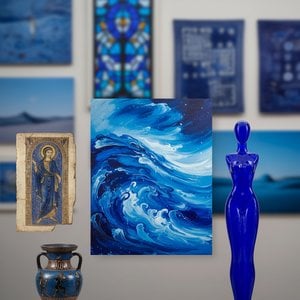
Błękit w Sztuce: Symbolika, Historia i Psychologiczne Oddziaływanie Koloru
Odkryj fascynującą historię błękitu w sztuce! Poznaj symbolikę, psychologię i wpływ tego koloru na arcydzieła renesansu i współczesne trendy. Ekspercka analiza dla miłośników sztuki.

