
- Strona główna

- Reprodukcja obrazu olejnego
- George Wesley Bellows
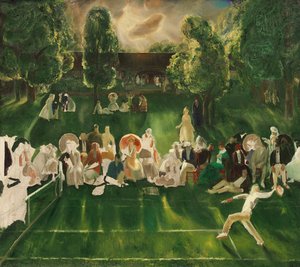
- Tennis Tournament

 Zamów wydruk Kup cyfrowy obraz
 Udostępnij
 Udostępnij
 Details
 Dodaj do ulubionych

 Pobierz
 Podobne obiekty
 X-Ray
X-Ray
 Pokaz slajdów
Tennis Tournament


Ręcznie malowana reprodukcja olejowa
Ręcznie malowany olej na płótnie w Twoim wymiarze i ramie, tworzony na zamówienie przez naszych artystów.




P118B $10

P118H $10

P118W $10

P438Z $10

P508JH $12

P508YH $12

P805H $10

P805Z $10

P919BZ $10

P919G $10

P919XJ $10

P959ZH $10

P968JZ $12

W106C $8

W218G $10

W218JH $8

W218Y $10

W307PJ $10

W316G $10

W316PJ $8

W316Y $10

W398PJ $8

W4111J $10

W500HY $15

W500JH $15

W692G $12

W849H $8

W940BG $15

W953PJ $8




 Dowiedz się więcej
Wybierz spośród naszych predefiniowanych rozmiarów, które zachowują oryginalne proporcje dzieła sztuki.

Możesz wprowadzić własne wymiary, aby dopasować obraz do konkretnej ramy lub przestrzeni. Jeśli wybrany rozmiar nie będzie odpowiadał proporcjom oryginału, przytniecie dzieło sztuki lub rozszerzymy je o dodatkowe elementy, ręcznie domalowane przez artystę. Przed rozpoczęciem produkcji wyślemy projekt cyfrowy do Twojej akceptacji.
Należy pamiętać, że podgląd na ekranie nie odzwierciedla rzeczywistego przycinania ani rozszerzania obrazu. Tylko projekt dokładnie pokaże ostateczną kompozycję.
Choć oferujemy możliwość zamówienia niestandardowych rozmiarów, zalecamy wybór wymiaru z gotowej listy, aby zachować oryginalne proporcje dzieła.
Po złożeniu zamówienia zespół ArtsDot.com skontaktuje się z klientem drogą mailową w celu uzyskania instrukcji i prześle wizualizację projektu
Dostawa na całym świecie () w ciągu 3/4 tygodni zamiast standardowych 5 tygodni. (1 Lipiec). Bez kompromisów w kwestii jakości.

Bezpłatna ekspresowa wysyłka na cały świat

Wysokiej jakości płótno lniane

Pełne ubezpieczenie przesyłki

Gwarancja zwrotu należności celnych

Gwarancja pełnego zgodności kolorystycznej

Polityka 60-dniowego zwrotu (tylko w przypadku wad)

Gwarancja 100% zwrotu pieniędzy

Zniżka przy większych zamówieniach
 Opcja szkła jest dostępna wyłącznie w rozmiarach poniżej 110 cm

Tennis Tournament
Technika reprodukcji
Wymiary reprodukcji
-


Cena całkowita
-
Opis dzieła
A Masterpiece of Realism
"CITE>George Wesley Bellows" was a prominent figure in the early 20th-century American art scene, known for his vivid depictions of everyday life and sports. One of his most celebrated works is "Tennis Tournament," an oil on canvas painting created in 1920. This masterpiece is currently housed at the National Gallery of Art in Washington, D.C.The Painting's Composition
"Tennis Tournament" is a large-scale painting that captures the dynamic atmosphere of a tennis match. The scene unfolds outdoors, with several individuals engaged in various aspects of the game. At least 14 people are visible, some actively playing while others watch from the sidelines. A man is poised to hit the ball, his racket at the ready. The background features trees, adding depth and context to the lively scene.Realism and Detail
Bellows' use of realism allows the viewer to immerse themselves in the moment. Each figure is meticulously detailed, from the players' movements to the spectators' reactions. This attention to detail creates a sense of movement and energy, drawing the observer into the match.Artistic Significance
"Tennis Tournament" reflects Bellows' ability to capture the essence of American sports culture during his time. The painting is not just a depiction of a game; it is a snapshot of social interaction and community engagement. It highlights the importance of leisure activities in American life, showcasing how sports bring people together.Other Notable Works by George Wesley Bellows
Bellows was prolific in his career, producing numerous works that are now part of various museum collections. Some notable pieces include:- Nude with Fan, another oil on canvas painting showcasing his skill in capturing the human form.
- Little Girl in White (also known as Queenie Barnett), a portrait that demonstrates his ability to capture innocence and beauty.
Conclusion
"Tennis Tournament" by George Wesley Bellows is a testament to the artist's skill in capturing the vibrancy of American sports. The painting's realism and attention to detail make it a compelling piece, offering insights into the social dynamics of the early 20th century. For those interested in exploring more of Bellows' work or other American art pieces, visit https://ArtsDot.com for high-quality reproductions. ArtsDot offers handmade oil painting reproductions of famous artworks, including those by George Wesley Bellows. Their collection includes a wide range of styles and periods, making it an excellent resource for art enthusiasts and collectors alike.Podobne dzieła sztuki




Biografia artysty
A Bold Vision of American Life: The World of George Bellows
George Wesley Bellows, a name synonymous with the raw energy and burgeoning modernity of early 20th-century America, emerged as a pivotal figure in realist painting. Born in Columbus, Ohio, on August 12 or 19, 1882, his journey from athletic promise to artistic renown is a testament to the power of passion and unwavering dedication. Even before formal schooling, young George displayed an innate talent for drawing, filling notebooks with sketches that hinted at the observant eye and burgeoning skill within. His upbringing wasn’t solely focused on art; he excelled in sports, playing both baseball and basketball at Ohio State University – a duality that would profoundly influence his artistic perspective, imbuing his work with a sense of dynamic movement and physicality. This athletic background instilled in him not only discipline but also an appreciation for the human form in action, a theme that would become central to his most celebrated paintings. He left university just before graduating, driven by an irresistible pull towards New York City and the promise of artistic training.Forging a Path: The Ashcan School and Beyond
Arriving in New York in 1904, Bellows quickly found mentorship under Robert Henri, a leading figure of the Ashcan School. This group of artists – including John Sloan, William Glackens, and George Luks – deliberately turned away from academic conventions, choosing instead to depict the gritty realities of urban life: crowded tenements, bustling streets, and the everyday struggles of working-class Americans. Bellows embraced this ethos wholeheartedly, initially mirroring Henri’s loose brushwork and commitment to social realism. However, he wasn't content merely to replicate his teacher’s style; he possessed an ambition to forge his own distinct artistic voice. He established a studio with fellow artist Edward Keefe in 1906, marking the beginning of a prolific period of experimentation and growth. His early works, like those exhibited in 1908, were met with mixed reactions – some critics found them crude, while others recognized their audacious boldness and innovative spirit. Bellows’s subject matter was often controversial for its time, challenging prevailing notions of what constituted “acceptable” art. He didn't shy away from portraying the less glamorous aspects of city life, capturing scenes of poverty, labor, and leisure with unflinching honesty.The Arena of Life: Boxing and Urban Spectacle
While Bellows’s oeuvre encompassed a wide range of subjects – portraits, landscapes, seascapes – he is perhaps best known for his powerful depictions of boxing matches. These weren't merely sporting events to him; they were microcosms of human drama, embodying themes of struggle, resilience, and the primal instincts that drive competition. He frequented smoky boxing clubs, meticulously studying the movements of fighters, the intensity of their gaze, and the raw energy of the crowd. Paintings like *Both Members of This Club* (1909) and *Stag at Sharkey’s* (1909) are masterful examples of his ability to capture this atmosphere, utilizing dramatic lighting, dynamic compositions, and a palpable sense of tension. The boxing scenes weren't simply about the sport itself; they were metaphors for life’s battles, reflecting the social Darwinism prevalent in American society at the time. Beyond boxing, Bellows also found inspiration in other spectacles of urban life – parades, circuses, and crowded streets – all offering opportunities to explore themes of movement, energy, and the collective experience.Evolving Style and Lasting Legacy
As Bellows matured as an artist, his style underwent a subtle but significant evolution. While he retained his commitment to realism, he began to move away from the loose brushwork of his early years, adopting a more stylized aesthetic characterized by smooth curves, monumental forms, and a heightened sense of drama. This shift is evident in later works like *Dempsey and Firpo* (1924), a monumental canvas capturing the climactic moment of a legendary boxing match with breathtaking intensity. He also experimented with lithography, producing a series of striking prints that showcased his mastery of line and tone. Despite achieving considerable success during his lifetime – including election to the National Academy of Design in 1913 – Bellows remained committed to pushing artistic boundaries and challenging conventional norms. His untimely death in 1925 at the age of 42 cut short a promising career, but his legacy endures as one of America’s most important realist painters. *He left behind a body of work that continues to resonate with audiences today*, offering a powerful and unflinching portrait of American life in the early 20th century – a world brimming with energy, conflict, and the enduring spirit of humanity. His influence can be seen in subsequent generations of artists who sought to capture the dynamism and complexity of modern urban experience.Major Works & Recognition
- *Both Members of This Club* (1909) – A seminal work capturing the atmosphere of a boxing club.
- *Stag at Sharkey’s* (1909) – Another iconic depiction of a boxing match, renowned for its dramatic lighting and composition.
- *Men of the Docks* (1912) – A powerful portrayal of working-class laborers, showcasing Bellows's skill in capturing physicality and texture.
- *The Germans Arrive* (1918) – A series of lithographs depicting the atrocities committed during World War I, demonstrating his engagement with social and political issues.
- *Dempsey and Firpo* (1924) – A monumental canvas capturing a pivotal moment in boxing history, showcasing Bellows’s evolved style and mastery of composition.

George Wesley Bellows
1882 - 1925 , Stany Zjednoczone
Kluczowe informacje
- Artistic Movement Or Style: Realizm, Ashcan School
- Artists Or Movements Influenced By This Artist: ['Ashcan School']
- Artists Who Influenced This Artist: ['Robert Henri']
- Date Of Birth: 1882
- Date Of Death: 1925
- Full Name: George Wesley Bellows
- Nationality: Amerykański
- Notable Artworks:
- Both Members
- Stag at Shark
- Men of the Docks
- Place Of Birth: Columbus, USA
Powiązane artykuły

Szkoła Ashcan: Realizm miejski i demokratyzacja sztuki amerykańskiej
Poznaj Szkołę Ashcan – rewolucyjny ruch artystyczny, który zdemokratyzował amerykańską sztukę na początku XX wieku. Analiza twórczości Henriego i jego uczniów, wpływ na realizm społeczny oraz dziedzictwo tego wyjątkowego nurtu.


Abbott Handerson Thayer: Ethereal Realism & Spiritual Symbolism in American Art
Explore the captivating world of Abbott Handerson Thayer, a pioneer of American realism & Symbolism. Discover his ethereal angel paintings, innovative techniques, and lasting influence on art history. Learn about his scientific pursuits & Transcendentalist spirit.

Amerykański Realizm: Społeczny Komentarz i Artystyczna Reprezentacja Początku XX Wieku
Odkryj amerykański realizm! Poznaj historie mistrzów i ich arcydzieła odzwierciedlające życie codzienne, pracę i zmieniającą się Amerykę. Inspiracje do Twojego wnętrza na ArtsDot.com.

Amerykański Realizm: 10 Arcydzieł, Które Zdefiniowały Epokę | ArtsDot
Poznaj 10 arcydzieł amerykańskiego realizmu! Odkryj historie Winslowa Homera, Edwarda Hoppera i innych mistrzów. Reprodukcje obrazów najwyższej jakości – inspiracje do Twojego wnętrza na ArtsDot.com
William Glackens: Capturing Modern American Life with Ashcan Realism
Explore the life & art of William Glackens, a pioneer of American Realism and founding member of the Ashcan School. Discover his vibrant depictions of early 20th-century New York & Paris. Learn about his influences & lasting legacy.


