


 Podgląd w skali
 Wyślij jako kartkę
 Udostępnij
 Szczegóły dzieła

 Pobierz
 Podobne obiekty
 RTG
RTG Pokaz slajdów
Sheoak Sam

 Rozwiń treść
Ręcznie malowana reprodukcja olejowa
Ręcznie malowany obraz olejny na płótnie, wykonany na zamówienie przez naszych artystów w wybranym przez Ciebie wymiarze i oprawie. ( Zamów wydruk Kup obraz wysokiej rozdzielczości)




































Wybierz spośród naszych standardowych rozmiarów, które zachowują oryginalne proporcje dzieła sztuki.

Możesz wprowadzić własne wymiary, aby dopasować obraz do konkretnej ramy lub przestrzeni. Jeśli wybrany rozmiar nie będzie odpowiadał proporcjom oryginału, przytniecie dzieło sztuki lub rozszerzymy je o dodatkowe elementy, ręcznie domalowane przez artystę. Przed rozpoczęciem produkcji wyślemy projekt cyfrowy do Twojej akceptacji.
Należy pamiętać, że podgląd na ekranie nie odzwierciedla rzeczywistego przycinania ani rozszerzania obrazu. Tylko projekt dokładnie pokaże ostateczną kompozycję.
Choć oferujemy możliwość zamówienia niestandardowych rozmiarów, zalecamy wybór wymiaru z gotowej listy, aby zachować oryginalne proporcje dzieła.
Po złożeniu zamówienia zespół ArtsDot.com skontaktuje się z klientem drogą mailową w celu uzyskania instrukcji i prześle wizualizację projektu
Dostawa na całym świecie () w ciągu 3–4 tygodni zamiast standardowych 5 tygodni. (16 Sierpień). Bez kompromisów w kwestii jakości.

Bezpłatna ekspresowa wysyłka na cały świat

Wysokiej jakości płótno lniane

Pełne ubezpieczenie przesyłki

Gwarancja zwrotu należności celnych i podatków importowych

Gwarancja wiernego odwzorowania kolorów

Polityka 60-dniowego zwrotu (tylko w przypadku wad)

Gwarancja 100% zwrotu kosztów

Zniżka przy zamówieniu wielu produktów
 Opcja ze szkłem jest dostępna wyłącznie w rozmiarach poniżej 110 cm

Sheoak Sam
Technika reprodukcji
Wymiary reprodukcji
-


Cena całkowita
$ 263
Podobne dzieła


O artyście
wczesne lata i artystyczne początki
george washington thomas lambert, urodzony pośmiertnie syn george washington lambert z baltimore w marylandzie, przyszedł na świat w 1873 roku w piotrogrodzie w rosji. ten australijski artysta, znany ze swoich urzekających portretów oraz sztuki wojennej z okresu pierwszej wojny światowej, pozostawił niezatarty ślad w świecie sztuki.kariera artystyczna i wybitne dzieła
artystyczna podróż lamberta rozpoczęła się od wystawiania swoich prac w society of artists, sydney w 1894 roku. do jego najbardziej znaczących dokonań należą:- sztuka wojenna lamberta: jako oficjalny artysta wojenny przydzielony do australijskich sił imperialnych w latach 1917–1920, stworzył liczne szkice i obrazy w palestynie oraz na gallipoli.
- malarstwo portretowe: jego prace portretowe są świadectwem niezwykłej umiejętności chwytania samej esencji swoich modeli.
dziedzictwo i wpływ
dziedzictwo lamberta wykracza poza jego własną twórczość, obejmując również jego syna, maurice lambert, uznanego rzeźbiarza i współpracownika królewskiej akademii. jego wpływ można dostrzec w wielu australijskich dziełach sztuki, które odzwierciedlają bogate dziedzictwo kulturowe tego kraju.znaczące wzmianki i artystyczne ślady
[https://ArtsDot.com/@/george-washington-thomas-lambert](https://ArtsDot.com/@/george-washington-thomas-lambert) - odkryj dzieła lamberta w ArtsDot. [https://wikipedia.org](http://wikipedia.org) - zgłębiaj świat sztuki i jej historii z wikipedia.- las meninas lub rodzina filipa iv autorstwa diego velazquez, arcydzieło ukazujące kunszt artysty w przedstawianiu postaci królewskich.
- trzeci maja 1808, egzekucja autorstwa francisco de goya, oddające niepokój wojny poprzez sztukę.
podsumowanie
życie george washington thomas lambert, choć naznaczone pośmiertnym narodzinami i stosunkowo krótkim czasem trwania, wywarło trwały wpływ na australijską sztukę. jego dziedzictwo, splecione z historią wojenną kraju oraz społecznością artystyczną, nieustannie inspiruje. rozważając jego życie i dzieła, przypominamy sobie o głębokim wpływie, jaki jedna jednostka może wywrzeć na świat sztuki.- zobacz dzieła lamberta na [https://ArtsDot.com/@/george-washington-thomas-lambert](https://ArtsDot.com/@/george-washington-thomas-lambert)
- dowiedz się więcej o australijskiej sztuce i jej historii na [https://wikipedia.org](http://wikipedia.org)
referencje:
- george washington thomas lambert, ArtsDot
- australijska sztuka, wikipedia

George Washington Lambert
1873 - 1930 , Rosja
Krótka nota
- Artistic Movement Or Style: Realizm
- Artists Or Movements Influenced By This Artist:
- Rubens
- Velázquez
- Artists Who Influenced This Artist:
- Julian Ashton
- Hugh Ramsay
- Date Of Birth: 13 września 1873
- Full Name: George Washington Thomas Lambert
- Nationality: Brytyjski
- Notable Artworks:
- Across the Black Soil Plains
- The Sonnet
- Place Of Birth: Saint Petersburg, Rosja
Powiązane artykuły

Georges Braque: 25 Arcydzieł Kubizmu i Nowoczesnej Sztuki | ArtsDot.com
Odkryj 25 arcydzieł Georges'a Braque – pioniera kubizmu i malarstwa nowoczesnego. Poznaj historię, techniki i inspiracje za jego najsłynniejszymi obrazami. Reprodukcje najwyższej jakości na ArtsDot.com! Eksploruj pełną kolekcję online.

Georges Seurat: 25 Arcydzieł Punktalizmu dla Twojego Domu | ArtsDot.com
Odkryj 25 arcydzieł Georges'a Seurata! Poznaj historię punktalizmu, impresjonistyczne pejzaże i fascynującą technikę malarską. Reprodukcje obrazów najwyższej jakości na ArtsDot.com – inspiracje do Twojego wnętrza. Eksploruj pełną kolekcję online!

10 Arcydzieł Impresjonizmu Krajobrazowego, Które Zdefiniowały Sztukę
Odkryj 10 arcydzieł impresjonizmu krajobrazowego! Poznaj historie Moneta, Renoir'a i Van Gogha. Inspiracje wnętrzarskie, techniki malarskie i piękne reprodukcje obrazów na ArtsDot.com. Eksploruj kolekcję online!

Krajobraz w sztuce: 10 arcydzieł, które inspirują (malarstwo, dekoracje wnętrz)
Odkryj 10 arcydzieł krajobrazu w sztuce! Poznaj historie Moneta, van Gogha i Turnera. Inspiracje pejzażami, techniki malarskie i reprodukcje najwyższej jakości na ArtsDot.com. Znajdź idealny obraz do Twojego wnętrza!
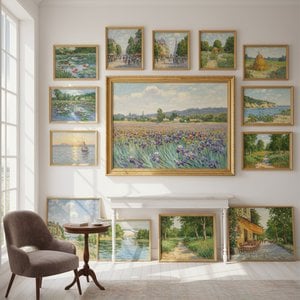
10 Arcydzieł Impresjonizmu Krajobrazowego: Sztuka, Artyści i Dekoracje Wnetrz
Odkryj 10 arcydzieł impresjonizmu krajobrazowego! Poznaj historie Monet, Renoir i innych mistrzów. Inspiracje wnętrzarskie, techniki malarskie i reprodukcje obrazów najwyższej jakości na ArtsDot.com. Eksploruj pełną kolekcję online!

