


 Zobacz w skali 1:1
 Wyślij
 Udostępnij
 Szczegóły
 Przewodnik

 Pobierz plik obrazu
 Podobne obiekty
 RTG
RTG Pokaz slajdów
 Statystyki
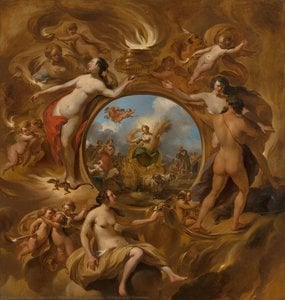
In Arcadia

 Czytaj więcej
Giclée / Wydruk artystyczny
Wydruki giclée lub płótna o jakości muzealnej, szybka realizacja i szeroki wybór opcji wykończenia. ( Kup ręcznie malowany obraz Przełącz na wersję cyfrową)




































Wybierz spośród naszych standardowych rozmiarów, które zachowują oryginalne proporcje dzieła sztuki.

Możesz wprowadzić własne wymiary, aby dopasować dzieło do konkretnej ramy lub przestrzeni. Jeśli wybrany rozmiar nie będzie odpowiadał proporcjom oryginalnego obrazu, przytniecie dzieło lub rozszerzymy obraz za pomocą odbicia lustrzanego lub jednolitego wypełnienia krawędzi. Przed rozpoczęciem produkcji prześlemy cyfrową wizualizację do Twojej akceptacji.
Prosimy pamiętać, że podgląd na ekranie nie odzwierciedla faktycznego przycinania ani rozszerzania. Tylko wizualizacja dokładnie pokaże końcową kompozycję.
Mimo dostępności niestandardowych rozmiarów, zalecamy wybór wymiaru z listy zdefiniowanej, aby zachować oryginalne proporcje.
Dostawa na cały świat () w ciągu 2 tygodni zamiast standardowych 4/5 tygodni. (26 Wrzesień)

Bezpłatna ekspresowa wysyłka na cały świat

Wysokiej jakości płótno lniane

Pełne ubezpieczenie transportowe

Gwarancja zwrotu należności celnych i podatków importowych

Gwarancja idealnego odwzorowania barw

100-dniowy okres na zwrot dzieła w przypadku wykrycia wad produkcyjnych

Gwarancja 100% zwrotu pieniędzy

Oferta przy zakupie wielu sztuk
 Opcja ze szkłem jest dostępna wyłącznie w rozmiarach poniżej 110 cm

In Arcadia
Giclée / Wydruk artystyczny
Rozmiar reprodukcji
-


Suma do zapłaty
$ 62
Podobne dzieła



Biografia artysty
Friedrich August von Kaulbach: The Painter Prince of Viennese Elegance
Friedrich August von Kaulbach (1850-1920) stands as one of the most celebrated figures within the “Painter Princes,” a group of German artists who achieved international renown during the Austro-Hungarian Empire’s golden age. His canvases, particularly his portraits of aristocratic families and society luminaries, continue to captivate audiences with their meticulous detail and profound psychological insight—a testament to his unwavering dedication to mastering the techniques of Old Masters like Hans Holbein the Younger. Born in Hannover, Germany, Kaulbach's artistic journey began under the tutelage of his father, Theodor Friedrich Wilhelm Christian Kaulbach, a court painter who instilled in him a deep appreciation for classical aesthetics and compositional rigor. This formative influence would shape Kaulbach’s entire oeuvre.Early Training and Artistic Influences
Kaulbach's formal artistic education commenced at the Kunstgewerbeschule Nürnberg (Nuremberg School of Arts and Crafts), a precursor institution to the Academy of Fine Arts, Nuremberg—a breeding ground for talent and innovation during its time. Recognizing Holbein’s masterful command of chiaroscuro and anatomical accuracy, Kaulbach deliberately sought to emulate his style, striving to achieve similar levels of realism and expressive power. This ambition fueled his relentless pursuit of artistic excellence and cemented his commitment to upholding the highest standards of craftsmanship.A Portraitist's Vision: Capturing Character and Dignity
Kaulbach’s artistic reputation rests primarily on his prolific output of portraits—a genre he approached with unwavering seriousness and sensitivity. Unlike many contemporaries who prioritized decorative embellishment, Kaulbach focused intently on conveying the inner life of his subjects, capturing their personalities and embodying their dignity. His canvases are characterized by a remarkable ability to portray not merely physical likeness but also psychological nuance—revealing subtle expressions of emotion and conveying an awareness of social context. This meticulous attention to detail distinguishes him from lesser artists and elevates his portraits to enduring monuments of human experience.Notable Works and Recognition
Among Kaulbach’s most iconic paintings are “Italian Garden” and “Untitled,” both masterpieces that exemplify his stylistic prowess and technical mastery. These works showcase his exceptional skill in rendering light, texture, and color—elements he skillfully manipulated to create atmospheric landscapes and portraits alike. His artistic achievements garnered considerable acclaim during his lifetime, securing him a place among the leading artists of his era and establishing him as an enduring figure within German art history.Legacy and Historical Significance
Friedrich August von Kaulbach’s influence extends far beyond his own time. He served as Director of the Kunstakademie Düsseldorf from 1908 until his death in 1920, shaping the artistic sensibilities of a generation of aspiring painters. His unwavering dedication to classical principles and his profound understanding of human psychology continue to inspire artists today—a testament to the enduring power of his vision and the timeless beauty of his art. He remains an exemplar of German portraiture and a symbol of Viennese aristocratic culture during the Belle Époque.
Friedrich August von Kaulbach
1850 - 1920
Najważniejsze informacje
- Artistic Movement Or Style: Painter Princes
- Artists Or Movements Influenced By This Artist: ['Old Masters']
- Artists Who Influenced This Artist: ['Hans Holbein']
- Date Of Birth: June 2, 1850
- Date Of Death: July 26, 1920
- Full Name: Friedrich August von Kaulbach
- Nationality: German
- Notable Artworks:
- Italian Garden
- Untitled (AQR7M2)
- Untitled (AQR7LW)
- Place Of Birth: Hannover, Germany
Zobacz także powiązane artykuły

Trwała Spuścizna Malarstwa Olejnego: Technika, Historia i Estetyczny Wpływ
Poznaj historię i technikę malarstwa olejnego! Eksperckie artykuły o konserwacji, renowacji oraz współczesnych zastosowaniach. Dowiedz się więcej o mistrzach i trwałości obrazów olejnych.
Trwała Spuścizna Klasycyzmu: Zasady, Ewolucja i Wpływ na Sztukę Zachodnią
Poznaj historię klasycyzmu w sztuce! Odkryj zasady estetyczne, wybitnych artystów i trwały wpływ tego nurtu na architekturę, malarstwo i rzeźbę. Ekspercka analiza i inspiracje od ArtsDot.

Olej na płótnie: Historia, techniki i ponadczasowy urok malarskiego medium
Poznaj historię i techniki malarstwa olejowego! Od renesansowych mistrzów po współczesne zastosowania – wszystko o oleju na płótnie. Poradniki, konserwacja i inspiracje dla pasjonatów sztuki.

Romantic Realism's Finest: 10 Masterpieces for Your Home | ArtsDot
Explore 10 defining masterpieces of Romantic Realism! Discover Courbet, Millet & Daumier's powerful paintings—capturing emotion and social realities. Find museum-quality reproductions for your home at ArtsDot.com.

Timeless Elegance: The Ultimate Buyer's Guide to Choosing Classical Portraits for Sophisticated Interiors
Discover how to select the perfect classical portrait for your home. Our expert guide explores matching art styles to interiors, choosing between hand-painted oils and Giclée prints, and transforming personal photos into timeless masterpieces with professional artistry.