


 Podgląd w skali
 Wyślij jako kartkę
 Udostępnij
 Szczegóły dzieła

 Pobierz
 Podobne obiekty
 RTG
RTG Pokaz slajdów
Una Marson


 Rozwiń treść
Ręcznie malowana reprodukcja olejowa
Ręcznie malowany obraz olejny na płótnie, wykonany na zamówienie przez naszych artystów w wybranym przez Ciebie wymiarze i oprawie. ( Zamów wydruk Kup obraz wysokiej rozdzielczości)




































Wybierz spośród naszych standardowych rozmiarów, które zachowują oryginalne proporcje dzieła sztuki.

Możesz wprowadzić własne wymiary, aby dopasować obraz do konkretnej ramy lub przestrzeni. Jeśli wybrany rozmiar nie będzie odpowiadał proporcjom oryginału, przytniecie dzieło sztuki lub rozszerzymy je o dodatkowe elementy, ręcznie domalowane przez artystę. Przed rozpoczęciem produkcji wyślemy projekt cyfrowy do Twojej akceptacji.
Należy pamiętać, że podgląd na ekranie nie odzwierciedla rzeczywistego przycinania ani rozszerzania obrazu. Tylko projekt dokładnie pokaże ostateczną kompozycję.
Choć oferujemy możliwość zamówienia niestandardowych rozmiarów, zalecamy wybór wymiaru z gotowej listy, aby zachować oryginalne proporcje dzieła.
Po złożeniu zamówienia zespół ArtsDot.com skontaktuje się z klientem drogą mailową w celu uzyskania instrukcji i prześle wizualizację projektu
Dostawa na całym świecie () w ciągu 3–4 tygodni zamiast standardowych 5 tygodni. (1 Wrzesień). Bez kompromisów w kwestii jakości.

Bezpłatna ekspresowa wysyłka na cały świat

Wysokiej jakości płótno lniane

Pełne ubezpieczenie przesyłki

Gwarancja zwrotu należności celnych i podatków importowych

Gwarancja wiernego odwzorowania kolorów

Polityka 60-dniowego zwrotu (tylko w przypadku wad)

Gwarancja 100% zwrotu kosztów

Zniżka przy zamówieniu wielu produktów
 Opcja ze szkłem jest dostępna wyłącznie w rozmiarach poniżej 110 cm

Una Marson
Technika reprodukcji
Wymiary reprodukcji
-


Cena całkowita
$ 263
Podobne dzieła


O artyście
Frederick Ramage: Witnessing History Through Lens
Frederick Ramage (1900 – 1981) was a British photographer whose career unfolded during the crucible of World War II, establishing him as one of the most poignant and impactful chroniclers of that era. Born in Hull, Yorkshire, he possessed an innate sensitivity to capturing human emotion through visual storytelling—a passion that propelled him into a distinguished professional life marked by unwavering dedication to documenting reality. Ramage’s artistic journey commenced modestly yet purposefully. Recognizing the transformative power of image-making as a medium for conveying truth and fostering empathy, he joined Keystone Press Agency in 1917. This formative experience immersed him in the demanding world of journalistic assignments across Britain and Europe, equipping him with invaluable technical skills and honing his ability to distill complex narratives into compelling visual representations. He diligently documented significant events—from political upheavals to social movements—demonstrating a profound understanding of how photography could illuminate historical context and resonate deeply with audiences. The Second World War irrevocably shaped Ramage’s artistic trajectory, transforming him into a veritable maestro of documentary photography. Driven by an unwavering commitment to portraying the human condition amidst extraordinary circumstances, he tirelessly documented the refugee crisis gripping Britain and beyond. His photographs captured displaced families with remarkable compassion and meticulous detail—faces etched with resilience and vulnerability—offering poignant glimpses into the psychological toll exacted by conflict. Simultaneously, Ramage bravely confronted the horrors of the battlefield, documenting soldiers on the front lines with unflinching honesty and capturing their unwavering determination. These images transcended mere documentation; they functioned as powerful narratives—infused with empathy and imbued with the spirit of the time—solidifying Ramage’s reputation as a masterful storyteller through photography. His work gained considerable recognition within prominent publications such as Time Magazine and The National Gallery of Art, ensuring his photographs reached a vast readership and contributing to a deeper understanding of the war years. Ramage's stylistic approach was characterized by an acute awareness of composition and lighting—techniques he skillfully employed to convey mood and emotion with remarkable precision. He prioritized capturing authentic human experience—often prioritizing emotional resonance over idealized beauty—resulting in images that remain remarkably timeless and emotionally resonant today. Beyond his journalistic endeavors, Ramage’s artistic legacy extends into the realm of portraiture, where he captured the likenesses of influential figures like Winston Churchill and Dwight D. Eisenhower. These portraits weren't simply representations of individuals; they were imbued with symbolic significance—reflecting leadership qualities and conveying the gravitas of pivotal historical moments. Ramage’s photographs stand as enduring testaments to his artistic skill and his ability to encapsulate the essence of human character within a single frame—a testament to his unwavering dedication to preserving history through visual artistry. Frederick Ramage's contribution to photographic history is undeniable. His images continue to inspire admiration for their honesty, compassion, and masterful execution—serving as poignant reminders of humanity confronting adversity during one of the most transformative periods in modern history. He remains an influential figure within the photographic canon—a testament to his unwavering passion for capturing truth and conveying emotion through the art of image-making.
frederick ramage
1900 - 1981 , United Kingdom
Krótka nota
- Artistic Movement Or Style: Documentary Photography
- Date Of Birth: 1900
- Date Of Death: 1981
- Full Name: Frederick Ramage
- Nationality: British
- Notable Artworks: ['Una Marson']
- Place Of Birth: Hull, United Kingdom
Powiązane artykuły

Białe arcydzieła: Top 10 słynnych obrazów pełnych światła i emocji | ArtsDot.pl
Odkryj 10 najsłynniejszych obrazów, w których biel dominuje i tworzy wyjątkową atmosferę. Poznaj historie Moneta, Van Gogha i innych mistrzów! Reprodukcje najwyższej jakości na ArtsDot.com – inspiracje wnętrzarskie i kolekcjonerstwo sztuki online.

Czarne arcydzieła: Top 10 słynnych obrazów pełnych mroku i ekspresji | ArtsDot.com
Odkryj 10 słynnych obrazów, w których czerń króluje! Poznaj historie artystów, ekspresjonizm i mroczną paletę barw. Reprodukcje dzieł sztuki najwyższej jakości na ArtsDot.com – inspiracje do wnętrz i kolekcjonerstwo.

Monochromatyczne Wizje: Estetyka i Historyczne Znaczenie Fotografii Czarno-Białej
Odkryj fascynujący świat fotografii czarno-białej! Poznaj historię, techniki i arcydzieła monochromatycznej sztuki. Inspiracje, porady i analiza wpływu na współczesną estetykę. ArtsDot.com.
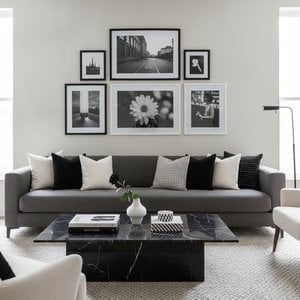
Timeless & Chic: Elevating Your New Home with the Sophistication of Black and White Photography
Transform your new home with the timeless allure of black and white photography. ArtsDot.com specializes in elegant monochrome decor and custom hand-painted wedding portraits that turn cherished milestones into lasting, soulful masterpieces. Elevate your space with ease.

Monochromatyczna Elegancja: Przemiana Fotografii w Klasyczną Sztukę Czarno-Białą – Wyjątkowy Dar dla Państwa Domu
Przenieś swoje wspomnienia w klasyczną sztukę! ArtsDot tworzy ręcznie malowane reprodukcje czarno-białe z dbałością o każdy detal. Personalizowane portrety, wyjątkowe dzieła do Twojego domu. Zaufaj ekspertom!

