


 Podgląd w skali 1:1
 Wyślij jako kartkę
 Udostępnij
 Szczegóły dzieła
 Przewodnik

 Pobierz obraz
 Podobne obiekty
 RTG
RTG Pokaz slajdów
 Statystyki
Bishop's palace,


 Rozwiń treść
Ręcznie malowana reprodukcja olejowa
Ręcznie malowany obraz olejny na płótnie, wykonany na zamówienie przez naszych artystów w wybranym przez Ciebie wymiarze i oprawie. ( Przełącz na wydania drukowane Przejdź do wersji cyfrowej)




P118B zł10

P118H zł10

P118W zł10

P438Z zł10

P508JH zł12

P508YH zł12

P805H zł10

P805Z zł10

P919BZ zł10

P919G zł10

P919XJ zł10

P959ZH zł10

P968JZ zł12

W106C zł8

W218G zł10

W218JH zł8

W218Y zł10

W307PJ zł10

W316G zł10

W316PJ zł8

W316Y zł10

W398PJ zł8

W4111J zł10

W500HY zł15

W500JH zł15

W692G zł12

W849H zł8

W940BG zł15

W953PJ zł8




Wybierz spośród naszych standardowych rozmiarów, które zachowują oryginalne proporcje dzieła sztuki.

Wpisz wymaganą szerokość i wysokość, aby obraz pasował do Twojej ramy lub ściany. Ponieważ jest to dzieło malowane ręcznie, w przypadku rozmiaru o innych proporcjach artysta może domalować nieco więcej wokół obrazu lub przyciąć jego fragmenty — wybór należy do Ciebie. Przed rozpoczęciem pracy prześlemy Ci cyfrową wizualizację do zatwierdzenia. Obraz widoczny na tej stronie nie przedstawia rzeczywistego efektu — jedynie wizualizacja oddaje realny rezultat.
Po złożeniu zamówienia zespół ArtsDot.com skontaktuje się z klientem drogą mailową w celu uzyskania instrukcji i prześle wizualizację projektu
Dostawa na całym świecie () w ciągu 3–4 tygodni zamiast standardowych 5 tygodni. (27 Październik). Bez kompromisów w kwestii jakości.

Bezpłatna ekspresowa wysyłka na cały świat

Wysokiej jakości płótno lniane

Pełne ubezpieczenie przesyłki

Gwarancja zwrotu należności celnych i podatków importowych

Gwarancja wiernego odwzorowania kolorów

100-dniowa polityka zwrotów (tylko w przypadku wad)

Gwarancja 100% zwrotu pieniędzy

Zniżka przy zakupie wielu sztuk
 Opcja ze szkłem jest dostępna wyłącznie w rozmiarach poniżej 110 cm

Bishop's palace,
Technika reprodukcji
Wymiary reprodukcji
-


Cena całkowita
zł 1011
Podobne dzieła


Biografia artysty
Frederick Nash: A Painter of English Light and Shadow
Frederick Nash (1782–1856) stands as a significant, yet often understated, figure in 19th-century British art. Born in Lambeth, London, into a family with roots in building, his early life was marked by an exposure to both the practicalities of construction and the burgeoning world of artistic patronage. Initially drawn to architectural drawing under the tutelage of Thomas Malton the younger, Nash’s trajectory shifted towards landscape painting, propelled by a keen eye for light, color, and the subtle nuances of English countryside. His career spanned several decades, encompassing a diverse range of subjects – from grand architectural vistas to intimate scenes of rural life, Parisian glimpses, and meticulously rendered studies of classical ruins – all executed with a distinctive sensitivity and technical skill.
Nash’s artistic journey began within the framework of the Society of Painters in Watercolours, an organization formed in 1809 by artists who felt marginalized by the more conservative Royal Academy. This secession proved pivotal, providing Nash with a platform to develop his own style and explore themes that resonated with his artistic vision. His early works were heavily influenced by the Neoclassical tradition, evident in his detailed depictions of Westminster Abbey and other iconic landmarks. However, as he matured, Nash’s palette became increasingly vibrant, embracing the Romantic sensibility and capturing the fleeting effects of light and atmosphere with remarkable precision. He was a master of ‘plein air’ painting, often venturing into the countryside to directly observe and record the changing conditions of nature.
A Journey Through Landscapes and Cities
Nash's artistic output can be broadly categorized into several distinct phases. His early years were dominated by architectural drawings for Britton and Brayley, providing him with invaluable experience in draughtsmanship and a deep appreciation for historical buildings. The series of views he produced for the ‘Vetusta Monumenta’ – meticulously detailed depictions of abbeys and cathedrals across England – established his reputation as a skilled observer and recorder of the past. These works were not merely reproductions; Nash imbued them with a sense of atmosphere and history, capturing the essence of each location.
As he moved into the 1820s and 30s, Nash’s focus shifted towards landscape painting. His trips to Calais, Caen, the Moselle river, and the Rhine resulted in a series of evocative scenes that showcased his ability to capture the beauty of European scenery. He also spent considerable time in Paris, producing charming depictions of the city's boulevards, cafes, and gardens – works that offer a valuable glimpse into Parisian life during this period. Notably, he was commissioned by Sir Thomas Lawrence to paint portraits of the French royal family, demonstrating his versatility as an artist.
Technique and Style
Nash’s technical skill is immediately apparent in his paintings. He possessed a remarkable ability to render light with astonishing accuracy, capturing its subtle shifts and reflections on surfaces. His brushwork was typically loose and expressive, yet always controlled and deliberate. He favored watercolor as his primary medium, skillfully layering washes of color to create depth and atmosphere. While influenced by the Romantic movement’s emphasis on emotion and subjectivity, Nash maintained a rigorous attention to detail and a commitment to realistic representation. He wasn't simply painting what he *saw*, but rather what he *felt* about what he saw – imbuing his landscapes with a sense of quiet contemplation and understated beauty.
Legacy and Historical Significance
Frederick Nash’s contribution to British art is often overlooked, overshadowed by the more celebrated figures of Turner and Constable. However, his meticulous observation, technical skill, and sensitive portrayal of English landscape and urban life deserve recognition. His work provides a valuable record of 19th-century England, capturing both its grandeur and its quiet beauty. His paintings are housed in several major collections, including the National Gallery and the Tate Britain, testament to their enduring appeal. Nash’s legacy lies not only in his individual works but also in his role as a pioneer of watercolor painting and a keen observer of the changing world around him.

Frederick Nash
1782 - 1856 , United Kingdom
Krótka nota
- Full Name: Frederick Nash
- Nationality: British
- Date Of Birth: 1782
- Date Of Death: 1856
- Place Of Birth: United Kingdom
- Notable Artworks:
- Cour d'honneur du Palais Royal
- Interior of Westminster Abbey
- Paris from Pere-La-Chaise
- Artistic Movement Or Style: Landscape painting
- Artists Who Influenced This Artist: ['Thomas Malton],\n "Artists or movements influenced by this artist": ["Royal Academy"]\n}']
Powiązane artykuły

Echa Miejsca: Historyczna Podróż przez Sztukę Krajobrazu
Odkryj historię sztuki krajobrazu – od romantycznych wizji Friedricha po surrealistyczne pejzaże Dalego. Analizy, inspiracje i reprodukcje obrazów najwyższej jakości na ArtsDot.com.

Romantyczny Krajobraz w Malarstwie: 10 Arcydzieł, Które Zdefiniowały Epokę | ArtsDot.com
Odkryj 10 arcydzieł romantyzmu w malarstwie! Poznaj historie Caspara Davida Friedricha, Turnera i innych mistrzów. Inspiracje wnętrzarskie & reprodukcje obrazów najwyższej jakości na ArtsDot.com. Eksploruj kolekcję online!

John Constable: 25 Najlepszych Obrazów Mistrza Angielskiego Krajobrazu | ArtsDot
Odkryj 25 arcydzieł Johna Constable'a – mistrza angielskiego krajobrazu! Poznaj romantyczne pejzaże, technikę malarską i inspiracje z Dedham Vale. Reprodukcje obrazów najwyższej jakości na ArtsDot.com. Eksploruj pełną kolekcję online!
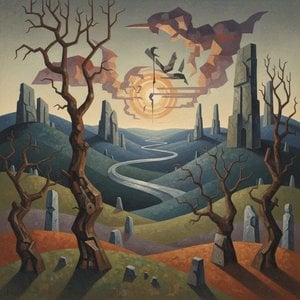
Paul Nash: Modernism, Myth & the British Landscape – A Visionary Artist
Explore the evocative landscapes & poignant war art of Paul Nash (1889-1946), a key figure in British Modernism. Discover his unique style and lasting impact on art history with ArtsDot.

Evocations of Place: A Historical Journey Through Landscape Art
Explore the rich history of landscape art with ArtsDot. Discover renowned artists, movements like Impressionism & Romanticism, and expert guidance for collecting timeless pieces. Find your perfect serene escape today!