

 Podgląd w skali 1:1
 Wyślij jako kartkę
 Udostępnij
 Szczegóły dzieła
 Przewodnik

 Pobierz obraz
 Podobne obiekty
 RTG
RTG Pokaz slajdów
 Pytania i odpowiedzi
 Statystyki
SALES COUNTER

- 51.0 x 66.0 cm


 Rozwiń treść
Dzieło sztuki prezentowane na tej stronie podlega ochronie prawem autorskim, co oznacza, że nie mamy prawa do tworzenia ani sprzedaży jego identycznej reprodukcji. Ochrona ta jest egzekwowana na mocy umów międzynarodowych, takich jak Konwencja berneńska oraz przez przepisy prawa krajowego, w tym te określone w Prawo autorskie USA – Tytuł 17.
Metoda ta jest w pełni zgodna z przepisami prawa autorskiego, ponieważ nie polega na kopiowaniu ani powielaniu chronionego dzieła. Stanowi ona kreatywną reinterpretację – nowy obraz, który czerpie inspirację z oryginału, ale nie jest z nim tożsamy.
Giclée / Wydruk artystyczny
Wydruki giclée lub płótna o jakości muzealnej, szybka realizacja i szeroki wybór opcji wykończenia. ( Zamów ręcznie malowaną reprodukcję Przejdź do wersji cyfrowej)




P118B zł10

P118H zł10

P118W zł10

P438Z zł10

P508JH zł12

P508YH zł12

P805H zł10

P805Z zł10

P919BZ zł10

P919G zł10

P919XJ zł10

P959ZH zł10

P968JZ zł12

W106C zł8

W218G zł10

W218JH zł8

W218Y zł10

W307PJ zł10

W316G zł10

W316PJ zł8

W316Y zł10

W398PJ zł8

W4111J zł10

W500HY zł15

W500JH zł15

W692G zł12

W849H zł8

W940BG zł15

W953PJ zł8




Wybierz spośród naszych standardowych rozmiarów, które zachowują oryginalne proporcje dzieła sztuki.

Wpisz wymaganą szerokość i wysokość, aby dopasować grafikę do ramy lub ściany. Wydruk można jedynie przyciąć, nigdy nie powiększając go poza oryginalny obraz, dlatego format o innych proporcjach spowoduje utratę części kompozycji. Przed rozpoczęciem druku prześlemy Ci cyfrowy podgląd do zatwierdzenia. Obraz wyświetlany na tej stronie nie pokazuje rzeczywistego przycięcia — jedynie podgląd oddaje ten efekt.
Dostawa na cały świat () w ciągu 2 tygodni zamiast standardowych 4/5 tygodni. (6 Listopad)

Bezpłatna ekspresowa wysyłka na cały świat

Wysokiej jakości płótno lniane

Pełne ubezpieczenie przesyłki

Gwarancja zwrotu należności celnych i podatków importowych

Gwarancja wiernego odwzorowania kolorów

100-dniowa polityka zwrotów (tylko w przypadku wad)

Gwarancja 100% zwrotu pieniędzy

Zniżka przy zakupie wielu sztuk
 Opcja ze szkłem jest dostępna wyłącznie w rozmiarach poniżej 110 cm

SALES COUNTER
Giclée / Wydruk artystyczny
Wymiary reprodukcji
-


Cena całkowita
zł 246
A Glimpse into Mid-Century Commerce
In the delicate lines of "SALES COUNTER," created in 1957 by the visionary German artist Franz Ehrlich, we are transported to a moment frozen in time. This captivating drawing serves as more than just a depiction of a commercial space; it is a window into the social fabric of the mid-2'0s. The composition captures a meticulously arranged sales counter, divided into distinct sections that guide the viewer's eye through a landscape of 1950s utility and design. Within this scene, the presence of chairs scattered near the counter and a central dining table suggests a space where commerce and community intersect. The inclusion of two figures—one standing poised on the left and another positioned toward the right—adds a layer of human narrative, transforming a structural study into a living, breathing vignette of daily life.
The artwork breathes with the unmistakable influence of the Bauhaus, an institution that shaped Ehrlich’s very soul. One can sense the architectural precision in the way the counter is rendered, reflecting his training in Dessau. The style is characterized by a clean, graphic clarity that emphasizes form and function, yet it avoids the coldness often associated with industrial design. Instead, there is a rhythmic quality to the placement of objects—the mounted television, the arrangement of seating, and the spatial relationship between the people and the furniture—that creates a sense of balanced harmony. For the collector or interior designer, this piece offers a sophisticated interplay of geometry and atmosphere, making it an ideal focal point for spaces that celebrate modernism and structural elegance.
Beyond its aesthetic appeal, "SALES COUNTER" carries a profound historical weight. Having survived the turbulence of the Nazi regime and the complexities of his political affiliations, Ehrlich’s work often reflects a resilient spirit of reconstruction and order. This drawing, produced in 1957, embodies a period of post-war stabilization, where the design of everyday objects became a way to rebuild a sense of normalcy and progress. The emotional impact of the piece lies in this quiet tension between the rigid lines of architecture and the soft, transient presence of human interaction. It invites the viewer to contemplate the beauty found in the mundane and the enduring strength of organized design.
For those seeking to adorn a contemporary interior with a sense of history and intellectual depth, a high-quality reproduction of this masterpiece offers an unparalleled opportunity. Whether placed in a minimalist gallery setting or a warm, classic study, "SALES COUNTER" brings with it the prestige of the Bauhaus legacy and the evocative charm of a bygone era. It is a piece that does not merely decorate a wall; it starts a conversation about the intersection of art, life, and the enduring power of the graphic line.
Pytania i odpowiedzi
Jak nasycona jest paleta kolorystyczna dzieła "SALES COUNTER"?
Kolory dzieła „SALES COUNTER” – Franz Ehrlich charakteryzują się Subtle Color nasyceniem. Nasycenie określa, jak żywe lub stonowane są barwy.
Jaki nastrój oddaje „SALES COUNTER” – Franz Ehrlich w ramach nurtu Bauhaus?
Nostalgic emocja dzieła „SALES COUNTER” współgra z jego stylem Bauhaus.
Gdzie mogę znaleźć statystyki dotyczące „SALES COUNTER” – Franz Ehrlich?
Dla dzieła „SALES COUNTER” dostępna jest strona Statystyki wyświetleń. Przedstawia ona miesięczną liczbę odwiedzin tego dzieła oraz innych prac artysty, z podziałem na kraje i języki.
Podobne dzieła


Biografia artysty
Wczesne życie i edukacja
Franz Ehrlich, wybitny niemiecki architekt, kaligraf i grafik, urodził się w 1907 roku. Jego formacyjne lata naznaczone były wrodzoną skłonnością do sztuki, która skierowała go na studia do Bauhausu w Dessau w latach 1927-1930. Ta prestiżowa instytucja odegrała kluczową rolę w kształtowaniu artystycznej perspektywy Ehrlicha, wprowadzając go w świat awangardowych ruchów tamtego okresu.Kariera artystyczna i związki komunistyczne
Związki Ehrlicha z partią komunistyczną miały głęboki wpływ na jego życie i karierę. W 1935 roku został aresztowany i uwięziony przez reżim nazistowski, co znacząco zmieniło trajektorię jego poszukiwań artystycznych. Pomimo tych trudności, Ehrlich kontynuował wkład w świat sztuki, pozostawiając dziedzictwo zarówno inspirujące, jak i skłaniające do głębokich przemyśleń.Wybitne dzieła
Do najbardziej znanych prac Ehrlicha należą:- 800 yrs. das buch [książka]. Plan i widoki (regały wystawowe, targi w Lipsku), świadectwo jego innowacyjnego podejścia do projektowania i architektury.
- Wykonanie domu prof. dr Baumann (plan fundamentów), ukazujące jego biegłość w planowaniu architektonicznym.
- 1933 (projekt reklamowy foto-rzeźbiarski), unikalne połączenie fotografii i rzeźby, podkreślające jego charakter eksperymentalny.
Muzea i kolekcje prezentujące prace Ehrlicha
ArtsDot.com prezentuje rozległą kolekcję prac Ehrlicha, w tym wspomnianych powyżej. Bauhaus Dessau Foundation (Dessau-Roßlau, Niemcy) jest również ważnym skarbnicą jego artystycznych wysiłków.Dziedzictwo i wpływ
Wkład Franz’a Ehrlicha w świat sztuki jest wielowymiarowy, odzwierciedlając szeroki zakres jego zainteresowań i talentów. Jego doświadczenia, zarówno twórcze, jak i osobiste, oferują cenne spojrzenie na zbieżność sztuki i polityki w kluczowym momencie historii Niemiec.- Zobacz więcej prac Ehrlicha pod adresem https://ArtsDot.com/@/franz-ehrlich
- Odkryj Bauhaus Dessau Foundation i jej kolekcję pod adresem Bauhaus Dessau Foundation (Dessau-Roßlau, Niemcy)

Franz Ehrlich
1907 - 1984 , Niemcy
Krótka nota
- Artistic Movement Or Style: Bauhaus, Ekspresjonizm
- Artists Or Movements Influenced By This Artist:
- Bauhaus
- Młoda Liga Komunistyczna
- Artists Who Influenced This Artist:
- Walter Gropius
- Moholy-Nagy
- Klee
- Joost Schmidt
- Date Of Birth: 1907
- Date Of Death: 1984
- Full Name: Franz Ehrlich
- Nationality: Niemiecki
- Notable Artworks:
- 800 YRS. FRAMEWORK WALL 3
- Untitled (HKB I or II)
- Painting with Violin
- Place Of Birth: Reuth, Niemcy
Powiązane artykuły

Echoes of Time: Nostalgia, Technique & Cultural Significance in Vintage Paintings
Explore the captivating world of vintage paintings! Discover key styles, cultural significance & collecting tips from art experts at ArtsDot. Find authentic reproductions and elevate your home décor.

Siła Linii w Sztuce: Od Prymitywnych Znaków do Współczesnej Ekspresji
Odkryj fascynującą historię linii w sztuce – od prymitywnych znaków po współczesne ekspresje! Analiza technik, wpływ Leonarda da Vinci i renesansowego przełomu. Ekspercka wiedza dla miłośników sztuki.

The Nuances of Graphite: Exploring Emotional Depth & Technical Mastery in Pencil Drawing
Explore the captivating world of graphite drawing! Discover its rich history, master essential techniques like chiaroscuro, and learn how artists evoke emotion through this timeless medium. Expert insights for art enthusiasts.
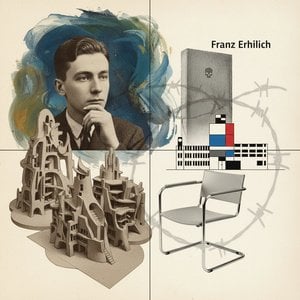
Franz Ehrlich: Bridging Expressionism, Bauhaus & the Shadows of History
Explore the life of Franz Ehrlich, a pivotal Bauhaus architect whose career spanned Expressionism, resistance during Nazi Germany, and GDR reconstruction. Discover his complex legacy & view museum-quality reproductions at ArtsDot.

Echoes of Time: Exploring the Enduring Appeal of Vintage Artwork
Explore the captivating world of vintage art! Discover its history, enduring appeal, & how to build your own collection. Expert advice, custom reproductions & museum-quality prints at ArtsDot.


