

- 15.0 x 11.0 cm


The picture follows your choices: , .
Opis obiektu
Experience the delicate intrigue of Frans van Mieris' masterful fijnschilder technique in The Serenade, capturing 17th-century Dutch life through dramatic light and shadow; discover this masterpiece today.
 Rozwiń treść
Biografia artysty
Frans van Mieris (starszy) – holenderski malarz barokowy, twórca niezwykle szczegółowych obrazów rodzajowych i portretów, ceniony za maestrię techniki i wierne odwzorowanie życia XVII wieku.
Ręcznie malowana reprodukcja olejowa
Ręcznie malowany obraz olejny na płótnie, wykonany na zamówienie przez naszych artystów w wybranym przez Ciebie wymiarze i oprawie. ( Przełącz na wydania drukowane Przejdź do wersji cyfrowej)
More about this painting
 Podgląd w skali 1:1
 Wyślij jako kartkę
 Udostępnij
 Szczegóły dzieła
 Przewodnik

 Pobierz obraz
 Podobne obiekty
 RTG
RTG Pokaz slajdów
 Q&A
Q&A Statystyki
Order your painting in four simple steps
Take your time. You can change any answer; the price in your order card follows each choice.
1 Step one of four
Which size would you like?
These sizes keep the proportions of the original painting. The drawing shows your choice on a wall, above a two-metre sofa.
Or give your own measurements
Wybierz spośród naszych standardowych rozmiarów, które zachowują oryginalne proporcje dzieła sztuki.

Wpisz wymaganą szerokość i wysokość, aby obraz pasował do Twojej ramy lub ściany. Ponieważ jest to dzieło malowane ręcznie, w przypadku rozmiaru o innych proporcjach artysta może domalować nieco więcej wokół obrazu lub przyciąć jego fragmenty — wybór należy do Ciebie. Przed rozpoczęciem pracy prześlemy Ci cyfrową wizualizację do zatwierdzenia. Obraz widoczny na tej stronie nie przedstawia rzeczywistego efektu — jedynie wizualizacja oddaje realny rezultat.
2 Step two of four
How should it be prepared: rolled, stretched or framed?
The prices below are for the size you chose in step one.
Choose the edges of the stretched canvas
Choose your frame

White zł1

Blurside zł1

Extended zł1

P118B zł10

P118H zł10

P118W zł10

P438Z zł10

P508JH zł12

P508YH zł12

P805H zł10

P805Z zł10

P919BZ zł10

P919G zł10

P919XJ zł10

P959ZH zł10

P968JZ zł12

W106C zł8

W218G zł10

W218JH zł8

W218Y zł10

W307PJ zł10

W316G zł10

W316PJ zł8

W316Y zł10

W398PJ zł8

W4111J zł10

W500HY zł15

W500JH zł15

W692G zł12

W849H zł8

W940BG zł15

W953PJ zł8

H24-GOLD zł30

H24-SILVER zł30

H36-GOLD zł45

H36-SILVER zł45
W oprawie
Moulding: . Overall size with the frame: .
3 Step three of four
Would you like anything changed in the painting?
Most people answer no. Because each painting is made by hand, our artist can also adapt it for you.
After order, ArtsDot.com team will email client for instructions and provide a mockup preview
4 Step four of four
A few finishing options
All of them are optional. The answers already selected cost nothing extra.
Who paints it?
Dostawa na całym świecie () w ciągu 3–4 tygodni zamiast standardowych 5 tygodni. (31 Październik). Bez kompromisów w kwestii jakości.
A nameplate, as in a museum?
Szczegóły grawerowanej brązowej tabliczki
This elegant plaque features the artist's name and the title of the artwork, finely engraved for a timeless presentation.
It is made from bronze with a refined, elegant finish. The text is precisely laser-engraved for a sharp and permanent result. Measuring 9x2 cm, the plaque is compact yet easy to read. It's built to be durable and scratch-resistant, offering a professional, museum-quality look. Mounting is simple thanks to the included adhesive backing.
Szczegóły przezroczystej tabliczki akrylowej
The plaque includes essential engraved details such as the artist's name, the title of the artwork, the date it was created, the type of media used-like oil on canvas or watercolor-a brief description of the piece, and a QR code that links to the complete artwork information.
It is crafted from clear acrylic, offering a sleek, modern appearance. The text is UV-engraved in black to ensure strong visual contrast. With a size of 10x15 cm, it ensures optimal readability. It comes equipped with two metal hooks for secure wall mounting. The plaque is designed to be weather-resistant, making it suitable for various environments, and it includes interactive features that work seamlessly with smartphone scanning.
Szczegóły czarnej tabliczki akrylowej
This elegant plaque includes engraved information such as the artist's name, the title of the artwork, the date it was created, the type of media used (like oil on canvas or watercolor), a short description of the artwork, and a QR code for quick access to more information.
The plaque itself is made from refined black acrylic with a premium finish. The text is laser-engraved in white for high contrast and readability. Its size is 10x15 cm, designed to be easy to read. It comes with two metal hooks for professional mounting. The design is sleek and fits any interior style. It is also weather-resistant and durable, with built-in digital integration for mobile compatibility.
A protective varnish?
When do you need it?
✓ Check and order
Your painting, as you ordered it

The Serenade
Technika reprodukcji
Wymiary reprodukcji
-

Wybitny mistrz artystyczny
Większa szczegółowość, finezja i dodatkowy czas na realizację
-

Opcje oprawy reprodukcji
-
-
W przypadku dzieł sztuki lub reprodukcji, których którykolwiek z boków przekracza 105 cm (około 41 cali), rama zostanie wysłana w formie zestawu do samodzielnego montażu. Metoda ta zapewnia bezpieczną dostawę i zapobiega uszkodzeniom podczas transportu.
Wymagany profesjonalny montaż – nie jest to produkt typu DIY.
Zestaw musi zostać złożony, a płótno naciągnięte przez doświadczonego profesjonalnego ramiarza, przy użyciu kleju do drewna (brak w zestawie), kleszczy do naciągania płótna oraz ścisków, które utrzymają krosna w równej pozycji podczas schnięcia kleju. Nieprawidłowy montaż lub nierównomierne napięcie płótna może trwale uszkodzić dzieło sztuki i nie podlega naszej gwarancji.
 W przypadku dzieł sztuki lub reprodukcji, których którykolwiek z boków przekracza 105 cm (około 41 cali), rama zostanie wysłana w formie zestawu do samodzielnego montażu. Metoda ta zapewnia bezpieczną dostawę i zapobiega uszkodzeniom podczas transportu.
W zestawie znajdują się wszystkie listwy z litego drewna, precyzyjnie docięte do wymiarów.
Montaż odbywa się przy użyciu dołączonych wkrętów oraz kleju do drewna do łączenia narożników, którego zestaw nie zawiera i który musi zostać dostarczony przez ramiarza.
Wymagane są profesjonalne narzędzia, których nie ma w zestawie: kleszcze do naciągania płótna (napinacz) oraz zaciski, które pozwolą utrzymać listwy w równej pozycji podczas schnięcia kleju.
Ważne:
Do połączenia narożników niezbędny jest klej do drewna, listwy należy unieruchomić za pomocą ścisków do momentu całkowitego wyschnięcia kleju, a naciągnięcie płótna na złożoną ramę wymaga użycia kleszczy do naciągania płótna. Żaden z tych elementów nie jest dołączony do zestawu. Przed zamówieniem tego rozmiaru zalecamy konsultację z doświadczonym ramiarzem.

Etykieta obiektu
-
-

Lakier ochronny
Lakier z połyskiem (pogłębia kolory, chroni przed światłem i wilgocią)
-

Personalizacja dzieła
Przykłady możliwości personalizacji: zastąp twarz zdjęciem klienta; dodaj zwierzę domowe (np. zamień kota na psa); umieść ukrytą wiadomość w tle; zmień krajobraz lub elementy tła.
-

Ekspresowa
Dostawa na cały świat () w ciągu 3–4 tygodni zamiast standardowych 5 tygodni. (31 Październik). Bez kompromisów w kwestii jakości.
-
Przesyłka ekspresowa
Dostawa na cały świat () w ciągu 5 tygodni. (7 Listopad).
W cenie
Cena całkowita
zł 1023
Opcja ze szkłem jest dostępna wyłącznie w rozmiarach poniżej 110 cm
Included with every order
- Bezpłatna ekspresowa wysyłka na cały świat
- Wysokiej jakości płótno lniane
- Pełne ubezpieczenie przesyłki
- Gwarancja zwrotu należności celnych i podatków importowych
- Gwarancja wiernego odwzorowania kolorów
- 100-dniowa polityka zwrotów (tylko w przypadku wad)
- Gwarancja 100% zwrotu pieniędzy
- Zniżka przy zakupie wielu sztuk


A Nocturnal Symphony of Light and Shadow
In the quietude of a 17th-century Dutch evening, Frans van Mieris the Elder invites us into a world of whispered secrets and melodic intimacy. His masterpiece, The Serenade, is far more than a mere depiction of musical performance; it is a profound exploration of the human connection, captured through the lens of the legendary fijnschilder technique. As the eye wanders across the canvas, one is immediately struck by the dramatic interplay of light and darkness—a masterful use of chiaroscuro that pulls the viewer into a private, candlelit moment. The scene unfolds with a palpable sense of tension and tenderness, where the soft glow of a single flame illuminates the focused faces of musicians, casting long, evocative shadows that suggest a world existing just beyond the reach of the light.
The narrative heart of the painting beats within the delicate interaction of its three figures. In the foreground, the meticulous detail of the lute player’s hands and the flickering warmth of the candle held by his companion create a sense of profound devotion. This is not just music being played; it is an offering. The presence of a third figure, observing from the periphery, adds a layer of quiet grandeur and voyeuristic intrigue, transforming the musical act into a clandestine romantic gesture. For the collector or interior designer, this piece offers a window into the Baroque soul, providing a focal point that commands attention through its emotional depth and historical resonance.
The Mastery of the Leiden Fine Painters
To understand the brilliance of The Serenade, one must appreciate the technical lineage of Frans van Mieris. Trained under the great Gerrit Dou, Mieris inherited the mantle of the Leiden fijnschilders—the "fine painters" who sought to push the boundaries of realism to their absolute limits. Every inch of this work reflects a painstaking devotion to texture and luminosity. Through the application of incredibly thin, translucent glazes over carefully prepared underpaintings, Mieris achieved a surface so smooth that brushstrokes all but vanish, leaving behind only the breathtaking illusion of silk, skin, and polished wood.
This technical virtuosity serves a higher symbolic purpose. The way the candlelight catches the edge of a sleeve or reflects off the curve of the lute is not merely a display of skill; it is an attempt to capture the ephemeral nature of time and emotion. In the context of the Dutch Golden Age, such precision was a way of honoring the beauty of the everyday. For those seeking to adorn a space with art that inspires contemplation, this reproduction offers the exquisite tactile quality of the original, bringing the sophisticated elegance of 1678 into the modern home.
An Enduring Legacy for the Discerning Collector
Beyond its technical merits, The Serenade possesses an atmospheric quality that transcends centuries. It evokes a sense of nostalgia for an era of craftsmanship and slow, deliberate beauty. The painting’s composition—an intimate tableau set against a void-like dark background—makes it an exceptionally versatile piece for high-end interior curation. Whether placed in a study filled with leather-bound books or as a sophisticated accent in a contemporary gallery-style living room, its ability to anchor a space with warmth and mystery is unparalleled.
Owning a reproduction of such a significant work allows one to participate in the preservation of Dutch heritage. It is an invitation to experience the quiet drama of the Baroque period every day—to feel the pulse of the music and the flicker of the flame. For the art lover, it is a piece of history; for the designer, it is a tool of atmosphere; and for the collector, it is a timeless investment in the enduring power of visual storytelling.
Pytania i odpowiedzi
Jakie są wymiary oryginalnego dzieła „The Serenade” – Frans van Mieris?
Oryginalny utwór „The Serenade” – Frans van Mieris ma wymiary 15 x 11 cm.
Co łączy "The Serenade" z resztą twórczości Frans van Mieris?
"The Serenade" dzieli z innymi dziełami Frans van Mieris styl właściwy dla Baroque Drama oraz powracające motywy: detailed baroque narrative, dutch aristocracy observation, musical romance symbolism, van mieris’ signature style, genre scene excellence.
Jaki dominujący odcień przenika „The Serenade” – Frans van Mieris?
„The Serenade” skłania się ku Warm Sunset Tones tonacji.
Podobne dzieła


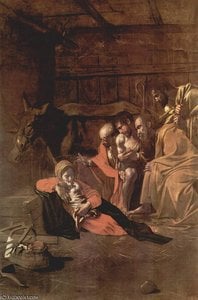


Frans van Mieris
1635 - 1681, Holandia
Biografia artysty
Życie zanurzone w detalu: Świat Fransa van Mierisa starszego
Frans van Mieris starszy, nazwisko będące synonimem drobiazgowości i wyrafinowanego kunsztu, zajmuje niezwykle istotne miejsce w kanonie holenderskiego Złotego Wieku. Urodzony w 1635 roku w Lejdzie, obrał ścieżkę odmienną od rodzinnego rzemiosła złotniczego, uprawianego przez jego ojca, Jana Bastiaensa van Mierisa, kierując się ku urzekającemu światu malarstwa. Ta wczesna skłonność do rysunku przygotowała grunt pod karierę, która zdefiniowała styl „fijnschilder” i pozwoliła na intymny wgląd w siedemnastowieczne społeczeństwo holenderskie. Jego początkowe szkolenie u Abrahama Toorenvlieta, a następnie kluczowa nauka u znamienitego Gerarda Dou, położyły solidne fundamenty, na których zbudował swój własny, rozpoznawalny głos artystyczny. Te formacyjne lata zaszczepiły w nim nie tylko biegłość techniczną, ale także głębokie zrozumienie narracyjnej niuansowości oraz potęgę subtelnej obserwacji.Rozkwit „Fijnschildera”
Van Mieris szybko zyskał sławę jako mistrz nurtu *fijnschilder* – holenderskiego terminu oznaczającego „malarstwo drobiazgowe”. Technika ta charakteryzowała się niemal obsesyjną uwagą do szczegółu, gładkim i polerowanym pociągnięciem pędzla oraz preferencją dla niewielkich formatów płótna. Nie chodziło tu jedynie o kopiowanie rzeczywistości; celem było jej wyniesienie poprzez żmudną precyzję. Powierzchnie w jego obrazach zdają się tętnić życiem – lśniący połysk satyny, delikatna tekstura aksamitu, blask metalu – wszystko to oddane z oszałamiającą dokładnością. Artysta nie tylko malował wnętrze pokoju; on odtwarzał samą atmosferę panującą w środku, zapraszając widza do scen pełnych domowego ciepła i dostatku. Tematyka jego dzieł często kręciła się wokół życia elit: eleganckich spotkań, bogato zdobionych wnętrz oraz portretów, które chwytały nie tylko podobieństwo, ale i charakter postaci. Powracające motywy, takie jak lunche z ostrygami, wizyty lekarzy u pacjentów czy kobiety oddane codziennym obowiązkom, stanowiły okna na obyczaje i rytuały społeczne wyższych sfer. Choć początkowo silnie inspirowany stylem Gerarda Dou, Van Mieris stopniowo wypracował własne, unikalne podejście. Odchodził od nadmiaru detalu na rzecz większego nacisku na interakcję między postaciami i rozwijające się narracje wewnątrz kompozycji. Jego późniejsze prace niekiedy prezentują ciemniejszą tonację w porównaniu do jaśniejszych palet wcześniejszych dzieł, co odzwierciedla dojrzewanie artysty i jego poszukiwania twórcze.Znaczące dzieła i trwałe dziedzictwo
Kilka kluczowych dzieł stanowi żywy dowód na kunszt i ewoluujący styl Van Mierisa. Wizyta lekarza (1657), uważany za jedno z jego najwcześniejszych i najważniejszych datowanych dzieł, ukazuje rodzącą się niezależność od wpływów Dou. Obraz ten jest popisowym przykładem uchwycenia cichego napięcia towarzyszącego badaniu lekarskiemu, oddanego z niesamowitym poziomem realizmu. Jego Autoportret z lutnią jest równie porywający, demonstrując zdolność artysty do przedstawienia wystawnych strojów przy jednoczesnym przekazaniu poczucia osobowości i introspekcji. Portret żony artysty, Cunery van der Cock, stanowi przykład mistrzostwa w portretowaniu, podkreślając zarówno biegłość techniczną, jak i zrozumienie *chiaroscuro* – dramatycznej gry światła i cienia. Poza scenami rodzajowymi i portretami, Van Mieris podejmował również tematy alegoryczne, takie jak przedstawienia przywar, m.in. picia, palenia czy hazardu, co dowodzi szerokiego wachlarza jego możliwości artystycznych. Wpływ Fransa van Mierisa wykraczał daleko poza jego własne życie. Jego dziedzictwo rezonowało w obrębie rodziny; jego syn Willem van Mieris (1662–1747) oraz wnuk Frans van Mieris młodszy (1689–1763) obaj zostali uznanymi malarzami rodzajowymi, kontynuując rodzinną tradycję. Popularność jego stylu zrodziła również licznych naśladowców, wśród których najznamienitszym był A. D. Snaphaan, tworzący w Lipsku i cieszący się mecenatem dworu Anhalt-Dessau.Trwały wkład w sztukę holenderską
Frans van Mieris odegrał kluczową rolę w kształtowaniu ruchu *fijnschilder* w malarstwie holenderskiego Złotego Wieku. Jego oddanie detalom, realistyczne przedstawienia codzienności oraz wyższych sfer i techniczna genialność znacząco przyczyniły się do rozwoju epoki już wcześniej słynącej z innowacji artystycznych. Cieszył się mecenatem znamienitych postaci, w tym arcyksięcia Leopolda i Kosmy III de' Medici, co stanowi świadectwo międzynarodowego uznania jego talentu. Nawet dzisiaj jego prace wciąż zachwycają odbiorców wykwintnym rzemiosłem i przenikliwym portretem kultury XVII wieku. Kradzież jednego z jego autoportretów z Art Gallery of New South Wales w Sydney służy jako przejmujące przypomnienie o nieprzemijającej wartości i atrakcyjności jego sztuki – dziedzictwa, które nieustannie inspiruje i intryguje kolekcjonerów oraz miłośników sztuki. Jego obrazy nie są jedynie historycznymi artefaktami; są oknami na minioną epokę, pieczołowicie wykonanymi i przesyconymi ponadczasowym pięknem.

Powiązane artykuły

Holenderski Barok: 10 Arcydzieł, Które Zdefiniowały Epokę | ArtsDot
Poznaj 10 arcydzieł holenderskiego baroku! Odkryj historie Rembrandta, Vermeera i innych mistrzów XVII wieku. Reprodukcje obrazów najwyższej jakości – idealne do Twojego wnętrza. ArtsDot.com

Blask Złotej Ery Niderlandów: Studium Innowacji w Malarstwie XVII Wieku
Odkryj fascynujący świat malarstwa holenderskiego Złotej Ery! Analiza innowacyjnych technik Rembrandta, Vermeera i innych mistrzów. Poznaj historię, gatunki i wpływ tego wyjątkowego okresu na sztukę.
Iluminacja Realizmu: Holenderski Złoty Wiek Malarstwa – Studium Światła i Cienia (1600-1700)
Odkryj fascynujący świat holenderskiego Złotego Wieku malarstwa (1600-1700). Analiza dzieł Rembrandta, Vermeera i techniki chiaroscuro. Ekspercka wiedza o Rijksmuseum i gatunkach artystycznych.