


 Podgląd w skali
 Wyślij jako kartkę
 Udostępnij
 Szczegóły dzieła

 Pobierz
 Podobne obiekty
 RTG
RTG Pokaz slajdów
 Statystyki
Frans Hals
 Oil
Oil- WallArt
- Dutch Golden Age
 1650
1650- Early Modern
 33.0 x 28.0 cm
 Metropolitan Museum of Art
 Rozwiń treść
Giclée / Wydruk artystyczny
Druk giclée lub płótno o jakości muzealnej, szybka realizacja i szeroki wybór opcji wykończenia. ( Zamów ręcznie malowaną reprodukcję Przełącz na obraz cyfrowy)




P118B $10

P118H $10

P118W $10

P438Z $10

P508JH $12

P508YH $12

P805H $10

P805Z $10

P919BZ $10

P919G $10

P919XJ $10

P959ZH $10

P968JZ $12

W106C $8

W218G $10

W218JH $8

W218Y $10

W307PJ $10

W316G $10

W316PJ $8

W316Y $10

W398PJ $8

W4111J $10

W500HY $15

W500JH $15

W692G $12

W849H $8

W940BG $15

W953PJ $8




Wybierz spośród naszych standardowych rozmiarów, które zachowują oryginalne proporcje dzieła sztuki.

Możesz wprowadzić własne wymiary, aby dopasować dzieło do konkretnej ramy lub przestrzeni. Jeśli wybrany rozmiar nie będzie odpowiadał proporcjom oryginalnego obrazu, przytniecie dzieło lub rozszerzymy obraz za pomocą odbicia lustrzanego lub jednolitego wypełnienia krawędzi. Przed rozpoczęciem produkcji prześlemy cyfrową wizualizację do Twojej akceptacji.
Prosimy pamiętać, że podgląd na ekranie nie odzwierciedla faktycznego przycinania ani rozszerzania. Tylko wizualizacja dokładnie pokaże końcową kompozycję.
Mimo dostępności niestandardowych rozmiarów, zalecamy wybór wymiaru z listy zdefiniowanej, aby zachować oryginalne proporcje.
Dostawa na cały świat () w ciągu 2 tygodni zamiast standardowych 4/5 tygodni. (11 Wrzesień)

Bezpłatna ekspresowa wysyłka na cały świat

Wysokiej jakości płótno lniane

Pełne ubezpieczenie przesyłki

Gwarancja zwrotu należności celnych i podatków importowych

Gwarancja wiernego odwzorowania kolorów

100-dniowa polityka zwrotów (tylko w przypadku wad)

Gwarancja 100% zwrotu kosztów

Zniżka przy zamówieniu wielu produktów
 Opcja ze szkłem jest dostępna wyłącznie w rozmiarach poniżej 110 cm

Frans Hals
Giclée / Wydruk artystyczny
Wymiary reprodukcji
-


Cena całkowita
$ 62
A Glimpse into Haarlem’s Golden Age
To gaze upon this masterful portrait by Frans Hals is to step through a portal into the vibrant, bustling heart of the Dutch Golden Age. Painted during an era of unprecedented economic prosperity and cultural flourishing, the work captures more than just a likeness; it captures the very soul of seventeenth-century Haarlem. The subject, a distinguished man adorned with a black hat and a delicate white ribbon, commands the viewer's attention with a gaze that feels remarkably immediate, as if he has only just paused his contemplations to acknowledge our presence. This sense of spontaneity is the hallmark of Hals, an artist who possessed the rare ability to freeze a fleeting moment of human existence and preserve it for eternity.
The composition breathes with a life force that transcends the boundaries of the canvas. While the man in the foreground serves as our primary anchor, the subtle presence of figures in the background adds layers of narrative depth, suggesting a larger world of social interaction and communal vitality. This is not a static, frozen icon, but a window into a living, breathing society where every brushstroke whispers stories of status, character, and the quiet dignity of the merchant class.
The Revolutionary Language of the Brush
What truly elevates this piece for the discerning collector or art enthusiast is Hals’s radical departure from the meticulous, almost photographic realism favored by many of his contemporaries. Instead of hiding his hand behind layers of smooth, invisible glazes, Hals embraced a technique defined by visible, energetic brushstrokes. This "loose" style creates a palpable texture that mimics the movement of light and the tactile reality of fabric and skin. There is an incredible rhythm to the application of paint; one can almost feel the swift, decisive motion of the artist's hand as he captured the sheen of the ribbon and the rugged texture of the beard.
For those looking to integrate such a piece into a sophisticated interior, this technique offers a dynamic visual energy. The interplay of light and shadow—the chiaroscuro effect—provides a dramatic focal point that can anchor a room, offering both a sense of historical weight and a modern, expressive flair. It is a technique that celebrates the process of creation itself, making the painting feel less like an object and more like an event.
Symbolism and Emotional Resonance
Beyond the technical brilliance lies a profound emotional depth. In the context of the Dutch Golden Age, portraiture served as a vital medium for expressing identity and social standing. The careful rendering of the man's attire—the stark contrast of the black hat against the white ribbon—speaks to a refined taste and a controlled elegance. Yet, beneath this veneer of formality, Hals injects a sense of psychological intimacy. There is an unmistakable warmth in the subject's expression, a hint of the human spirit that invites the viewer into a silent dialogue.
For the interior designer or art lover, acquiring a high-quality reproduction of such a work means bringing more than just decoration into a space; it means introducing a legacy of humanity and resilience. This painting serves as a reminder of a time when art was used to celebrate the beauty of everyday life and the profound dignity found in the individual. It is an investment in atmosphere, providing a sophisticated touch of history that resonates with timeless elegance and emotional truth.
Podobne dzieła


O artyście
Frans Hals I: A Life in Paint
Frans Hals I was a Dutch painter born in Antwerp, Belgium, around 1580. Though his early life remains somewhat shrouded in mystery, he rose to become one of the most important figures of the Dutch Golden Age, celebrated for his innovative portraiture and genre scenes.Early Life and Training
Details surrounding Hals’s formative years are scarce. It is believed he received initial artistic training in Antwerp, a prominent center for painting at the time. However, due to religious and political turmoil, his family relocated to Haarlem in the Netherlands. He became a member of the Haarlem Guild of St. Luke in 1610, marking the formal beginning of his professional career.Artistic Style and Development
Hals distinguished himself through a remarkably fresh and spontaneous style. Unlike many of his contemporaries who favored meticulous detail, Hals employed a loose and expressive brushstroke. This technique imbued his paintings with a sense of immediacy and vitality, capturing the personality and character of his subjects in a way that was revolutionary for its time. He wasn’t merely attempting to reproduce appearances; he sought to convey emotion and psychological insight. His portraits weren't simply likenesses; they were psychological studies. He excelled at depicting fleeting moments – laughter, conversation, or contemplation. Hals's use of light and shadow added depth and drama to his compositions. This approach departed significantly from the prevailing artistic conventions of the period, establishing him as a pioneer of realism and emotional intensity.Notable Works
While Hals produced a wide range of works, he is best known for his portraits. Some of his most celebrated paintings include:- The Laughing Cavalier (1624) – A quintessential example of his ability to capture character and movement. The painting’s dynamic pose and radiant smile exemplify Hals's masterful technique in portraying human emotion with remarkable accuracy.
- Malle Babbe (c. 1633-1635) – A striking portrayal of an elderly woman, showcasing Hals’s skill in depicting age and personality. The painting captures the sitter’s wrinkled face and gaze with astonishing realism, conveying a profound sense of wisdom and experience.
- Portraits of the Regents of the Old Men's Home in Haarlem (1664) - Demonstrating his mastery of group portraiture. Hals skillfully captured the individual expressions and postures of each regent, creating a cohesive image that reflects the dignity and serenity of the institution.
Influences and Legacy
Determining Hals’s direct influences is challenging, as he developed a highly individual style. However, it's likely he was aware of the work of earlier Flemish painters like Pieter Bruegel the Elder. His innovative approach to portraiture profoundly impacted subsequent generations of artists. He influenced artists such as Adriaen Brouwer and Johannes Vermeer. His emphasis on capturing personality paved the way for more intimate and psychological portraits. Later artists, including the Impressionists, admired his loose brushwork and focus on light. Hals’s legacy extends beyond his artistic achievements; he embodies the spirit of the Dutch Golden Age—a period characterized by intellectual curiosity, artistic experimentation, and a celebration of human individuality. Today, his paintings are highly sought after and can be found in major museums worldwide, including the Frans Hals Museum in Haarlem, which houses the largest collection of his work. His contributions continue to inspire artists and captivate audiences centuries later.
Frans Hals I
1580 - 1585 , Belgia
Krótka nota
- Artistic Movement Or Style: Dutch Golden Age
- Artists Or Movements Influenced By This Artist:
- Adriaen Brouwer
- Johannes Vermeer
- Artists Who Influenced This Artist: ['Pieter Bruegel the Elder']
- Date Of Birth: c. 1582
- Date Of Death: 1666
- Full Name: Frans Hals I
- Nationality: Dutch
- Notable Artworks:
- Śmiejący się Rycerz
- Portret młodego mężczyzny
- Portret kobiety wiekowej
- Place Of Birth: Antwerp, Belgium
Powiązane artykuły

Złoty Wiek Niderlandów: Światło, Realizm i Kulturowe Innowacje w Malarstwie Barokowym
Odkryj fascynujący świat malarstwa holenderskiego Złotego Wieku! Poznaj arcydzieła Rembrandta, Vermeera i innych mistrzów. Analiza technik, gatunków i wpływu na sztukę europejską.

Blask Złotej Ery Niderlandów: Studium Innowacji w Malarstwie XVII Wieku
Odkryj fascynujący świat malarstwa holenderskiego Złotej Ery! Analiza innowacyjnych technik Rembrandta, Vermeera i innych mistrzów. Poznaj historię, gatunki i wpływ tego wyjątkowego okresu na sztukę.

Frans Hals I: Innovation, Intimacy & the Dutch Golden Age Portrait
Explore the revolutionary portraiture of Frans Hals I, a master of the Dutch Golden Age. Discover his innovative techniques, captivating character studies & lasting impact on art history. Learn more at ArtsDot.
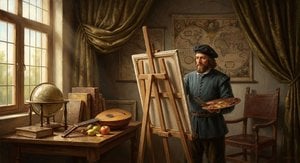
Iluminacja Realizmu: Holenderski Złoty Wiek Malarstwa – Studium Światła i Cienia (1600-1700)
Odkryj fascynujący świat holenderskiego Złotego Wieku malarstwa (1600-1700). Analiza dzieł Rembrandta, Vermeera i techniki chiaroscuro. Ekspercka wiedza o Rijksmuseum i gatunkach artystycznych.

Złoty Wiek Holandii: 10 arcydzieł, które zmieniły historię sztuki | ArtsDot.com
Odkryj 10 arcydzieł Złotego Wieku Holandii! Poznaj historię Rembrandta, Vermeera i innych mistrzów. Reprodukcje obrazów najwyższej jakości do Twojego wnętrza – ArtsDot.com.


