

 Podgląd w skali 1:1
 Wyślij jako kartkę
 Udostępnij
 Szczegóły dzieła
 Przewodnik

 Pobierz obraz
 Podobne obiekty
 RTG
RTG Pokaz slajdów
 Q&A
Q&A Statystyki
Camden Palace

- 10.0 x 10.0 cm


 Rozwiń treść
Dzieło sztuki prezentowane na tej stronie podlega ochronie prawem autorskim, co oznacza, że nie mamy prawa do tworzenia ani sprzedaży jego identycznej reprodukcji. Ochrona ta jest egzekwowana na mocy umów międzynarodowych, takich jak Konwencja berneńska oraz przez przepisy prawa krajowego, w tym te określone w Prawo autorskie USA – Tytuł 17.
Metoda ta jest w pełni zgodna z przepisami prawa autorskiego, ponieważ nie polega na kopiowaniu ani powielaniu chronionego dzieła. Stanowi ona kreatywną reinterpretację – nowy obraz, który czerpie inspirację z oryginału, ale nie jest z nim tożsamy.
Giclée / Wydruk artystyczny
Wydruki giclée lub płótna o jakości muzealnej, szybka realizacja i szeroki wybór opcji wykończenia. ( Zamów ręcznie malowaną reprodukcję Przejdź do wersji cyfrowej)




P118B zł10

P118H zł10

P118W zł10

P438Z zł10

P508JH zł12

P508YH zł12

P805H zł10

P805Z zł10

P919BZ zł10

P919G zł10

P919XJ zł10

P959ZH zł10

P968JZ zł12

W106C zł8

W218G zł10

W218JH zł8

W218Y zł10

W307PJ zł10

W316G zł10

W316PJ zł8

W316Y zł10

W398PJ zł8

W4111J zł10

W500HY zł15

W500JH zł15

W692G zł12

W849H zł8

W940BG zł15

W953PJ zł8




Wybierz spośród naszych standardowych rozmiarów, które zachowują oryginalne proporcje dzieła sztuki.

Wpisz wymaganą szerokość i wysokość, aby dopasować grafikę do ramy lub ściany. Wydruk można jedynie przyciąć, nigdy nie powiększając go poza oryginalny obraz, dlatego format o innych proporcjach spowoduje utratę części kompozycji. Przed rozpoczęciem druku prześlemy Ci cyfrowy podgląd do zatwierdzenia. Obraz wyświetlany na tej stronie nie pokazuje rzeczywistego przycięcia — jedynie podgląd oddaje ten efekt.
Dostawa na cały świat () w ciągu 2 tygodni zamiast standardowych 4/5 tygodni. (2 Listopad)

Bezpłatna ekspresowa wysyłka na cały świat

Wysokiej jakości płótno lniane

Pełne ubezpieczenie przesyłki

Gwarancja zwrotu należności celnych i podatków importowych

Gwarancja wiernego odwzorowania kolorów

100-dniowa polityka zwrotów (tylko w przypadku wad)

Gwarancja 100% zwrotu pieniędzy

Zniżka przy zakupie wielu sztuk
 Opcja ze szkłem jest dostępna wyłącznie w rozmiarach poniżej 110 cm

Camden Palace
Giclée / Wydruk artystyczny
Wymiary reprodukcji
-


Cena całkowita
zł 241
An Urban Pulse Captured in Color
In the vibrant, textured world of Frank Helmuth Auerbach, the mundane streets of London are transformed into a stage of profound emotional resonance. Camden Palace serves as a breathtaking window into this kinetic urban landscape, where the heavy atmosphere of the city meets a surprisingly luminous palette. The painting presents a cityscape bathed in an ethereal yellow sky, a choice that immediately disrupts the typical grey expectations of metropolitan life. This golden light descends upon a bustling scene, casting a dreamlike glow over the traffic lights, the scattered cars, and the solitary figures navigating the streets. It is a composition that feels simultaneously grounded in the grit of reality and elevated by a sense of cosmic wonder.
The technique employed here is a masterclass in the expressive power of impasto and layered color. Auerbach, a titan of modern expressionism, utilizes thick, deliberate strokes to build a surface that possesses its own physical topography. As one observes the movement of the cars and the placement of the figures, there is a palpable sense of motion; the paint itself seems to vibrate with the energy of the street. This tactile approach does more than just depict a scene; it captures the very essence of life's friction and flow. For the collector or interior designer, this piece offers a sophisticated focal point that brings a dynamic, sculptural quality to any room, inviting the eye to wander through its rich, layered depths.
A Legacy of Resilience and Light
To truly appreciate Camden Palace, one must look through the lens of Auerbach’s extraordinary biography. Born in Berlin amidst the rising shadows of the 1930s, his life was marked by the profound trauma of displacement and the loss of his parents to the Holocaust. This history of darkness and survival informs every stroke of his brush. In works like this, there is a subtle, triumphant symbolism: the ability to find brilliance and light within the chaotic, often overwhelming structures of the modern world. The yellow sky acts as a metaphor for hope and clarity piercing through the density of urban existence.
The emotional impact of the work lies in its ability to evoke nostalgia and vitality in equal measure. It captures a fleeting moment of city life—a car passing, a pedestrian crossing—and freezes it in a state of permanent, glowing importance. For those seeking to adorn a space with art that speaks of strength, complexity, and the beauty found in the everyday, this reproduction offers an unparalleled opportunity. It is not merely a depiction of a London landmark; it is an invitation to experience the heartbeat of the city through the eyes of a master who understood, perhaps better than anyone, the preciousness of light.
Pytania i odpowiedzi
Jaki klimat wnosi „Camden Palace” – Frank Helmuth Auerbach do wnętrza?
„Camden Palace” – Frank Helmuth Auerbach ma Bold atmosferę i jest polecane do Studio Apartment. Nastrój to to, co dzieło wnosi do otaczającej je przestrzeni.
Jak technika i ruch łączą się w "Camden Palace"?
„Camden Palace” – Frank Helmuth Auerbach łączy technikę Oil z nurtem Contemporary Realism. Technika i styl określają sposób wykonania oraz estetykę dzieła.
Jaki kształt i wymiary ma „Camden Palace” – Frank Helmuth Auerbach?
„Camden Palace” – Frank Helmuth Auerbach ma proporcje pracy w formacie Square o wymiarach 10 x 10 cm.
Podobne dzieła


Biografia artysty
Early Life and Escape from Darkness
Frank Helmut Auerbach, born in Berlin on April 29, 1931, embodies a remarkable story of resilience woven into the fabric of his powerfully expressive art. His early life was tragically overshadowed by the rising tide of Nazi persecution. As a Jewish child in pre-war Germany, Auerbach’s parents made the agonizing decision to send him to Britain in 1939, one of six children sponsored by the compassionate writer Iris Origo. This act of desperate hope proved pivotal; while young Frank found refuge across the Channel, his parents remained behind, ultimately perishing in the horrors of Auschwitz in 1942. The profound loss and the trauma of displacement would become an unspoken yet deeply felt undercurrent throughout Auerbach’s artistic journey.
Settling in Britain, Auerbach attended Bunce Court School in Kent, where he displayed a natural aptitude for both art and drama—a path that nearly led him to the stage. However, it was his burgeoning passion for visual expression that ultimately prevailed. He embarked on formal studies at St Martin’s School of Art from 1948 to 1952, followed by a period at the Royal College of Art from 1952 to 1955. Crucially, Auerbach also benefited from the tutelage of David Bomberg at the Borough Polytechnic in London between 1947 and 1953. Bomberg’s emphasis on direct observation and emotional intensity proved a formative influence, shaping Auerbach's distinctive approach.
The School of London and a Unique Artistic Voice
Auerbach quickly emerged as a leading figure within the loosely defined “School of London,” a group of artists—including Francis Bacon and Lucian Freud—who shared a commitment to figurative painting, psychological depth, and a gritty realism. However, Auerbach’s style was uniquely his own. He rejected the prevailing abstract expressionism in favor of a deeply personal vision rooted in the urban landscape and the human form. His early works were characterized by a thick impasto technique, built up layer upon layer with palette knives and even rags, creating surfaces that are both tactile and emotionally charged.
The 1950s saw Auerbach establishing his presence through exhibitions at the Beaux Arts Gallery in London. These early shows revealed a burgeoning talent grappling with themes of memory, loss, and the complexities of modern life. He didn’t shy away from portraying the harsh realities of post-war Britain, focusing on scenes of everyday existence—busy streets, anonymous figures, and the architectural fabric of the city.
Technique as Emotional Excavation
Auerbach's distinctive technique is central to understanding his art. He doesn’t merely *represent* a subject; he seems to excavate it from the canvas itself. His method involves working rapidly, often outdoors, building up layers of paint with extraordinary physicality. This process isn’t about precise rendering but rather about capturing an essence—a feeling, a mood, a sense of presence. The resulting surfaces are dense, almost sculptural, and imbued with a remarkable energy.
His use of papier-mâché masks, created from casts of faces and then layered with paint, adds another layer of complexity to his portraits. These masks aren’t intended as literal representations but rather as vehicles for exploring the psychological depths of his subjects. They become fragmented, distorted, yet strangely compelling expressions of identity.
Major Achievements and Lasting Legacy
Throughout his career, Auerbach received widespread recognition for his contributions to contemporary art. A major retrospective at the Hayward Gallery in 1978 cemented his reputation, followed by inclusion in the groundbreaking “A New Spirit in Painting” exhibition at the Royal Academy of Arts in 1981. He represented Britain at the Venice Biennale in 1986, sharing the Golden Lion with Sigmar Polke—a testament to his international standing.
His works are held in major museum collections worldwide, and he continues to inspire generations of artists with his unwavering commitment to figurative painting and his deeply personal artistic vision. Auerbach’s paintings aren't simply images; they are emotional landscapes, born from a life marked by loss, resilience, and an enduring search for meaning in the complexities of the human experience.
Influences and Historical Significance
While firmly rooted in his own unique vision, Auerbach’s work draws upon a rich artistic heritage. The influence of David Bomberg is undeniable, particularly in his emphasis on direct observation and emotional intensity. He also admired artists like Gustave Courbet and Honoré Daumier, whose gritty realism resonated with his own desire to portray the realities of modern life.
Auerbach’s historical significance lies in his refusal to embrace prevailing trends. At a time when abstract expressionism dominated the art world, he remained steadfastly committed to figurative painting, pushing the boundaries of the medium and exploring the psychological depths of his subjects with unparalleled intensity. He is considered one of the most important British painters of the 20th and 21st centuries, leaving an indelible mark on contemporary art.

Frank Helmuth Auerbach
1931 -
Krótka nota
- Full Name: Frank Helmut Auerbach
- Nationality: British
- Date Of Birth: 1931
- Place Of Birth: Berlin, Germany
- Notable Artworks:
- Seated Figure
- Mornington Crescent – Summer Morning II
- David
- Artistic Movement Or Style: School of London
- Artists Who Influenced This Artist: ['David Bomberg']
- Artists Or Movements Influenced By This Artist: ['Francis Bacon']
Powiązane artykuły
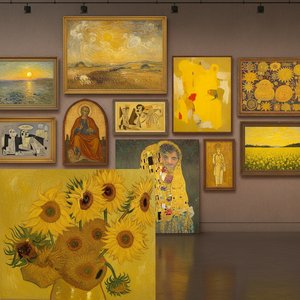
Top 10 Arcydzieł w Odcieniach Chromowej Żółci – Inspiracje do Wnętrz od ArtsDot
Odkryj 10 arcydzieł sztuki, w których króluje chromowa żółć! Van Gogh, Monet, Renoir i inni mistrzowie. Inspiracje wnętrzarskie i reprodukcje obrazów najwyższej jakości na ArtsDot.com. Eksploruj pełną kolekcję online!

Concrete Visions: Exploring the Urban Landscape in Painting – From Realism to Contemporary Art
Explore the evolution of cityscape painting from Realism to contemporary art with ArtsDot. Discover key artists & invest in timeless urban visions. Expert guidance, museum-quality reproductions.

Urban Visions: A Historical & Artistic Exploration of the Cityscape in Painting
Explore the evolution of cityscape painting from historical maps to Impressionist masterpieces. Discover artists like Caillebotte, Utrillo & Matsumoto Shunsuke. Find museum-quality reproductions at ArtsDot.
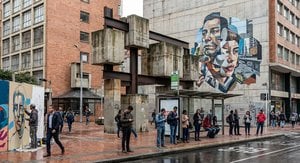
Betonowe Narracje: Miasto w Sztuce Nowoczesnej – Od Realizmu do Interpretacji Artystycznej
Odkryj ewolucję wizualnej reprezentacji miasta w sztuce nowoczesnej i współczesnej. Analiza kluczowych nurtów – od realizmu do surrealizmu – dla kolekcjonerów i pasjonatów.

Miejski krajobraz w malarstwie: od kartografii do ekspresji współczesności
Odkryj fascynującą historię miejskiego krajobrazu w malarstwie! Od kartograficznych początków po współczesne ekspresje – analiza arcydzieł, techniki i wpływ na tożsamość miast. Zainspiruj się!