

 Podgląd w skali 1:1
 Wyślij jako kartkę
 Udostępnij
 Szczegóły dzieła
 Przewodnik

 Pobierz obraz
 Podobne obiekty
 RTG
RTG Pokaz slajdów
 Pytania i odpowiedzi
 Statystyki
Mullet


 Rozwiń treść
Giclée / Wydruk artystyczny
Wydruki giclée lub płótna o jakości muzealnej, szybka realizacja i szeroki wybór opcji wykończenia. ( Zamów ręcznie malowaną reprodukcję Przejdź do wersji cyfrowej)




P118B zł10

P118H zł10

P118W zł10

P438Z zł10

P508JH zł12

P508YH zł12

P805H zł10

P805Z zł10

P919BZ zł10

P919G zł10

P919XJ zł10

P959ZH zł10

P968JZ zł12

W106C zł8

W218G zł10

W218JH zł8

W218Y zł10

W307PJ zł10

W316G zł10

W316PJ zł8

W316Y zł10

W398PJ zł8

W4111J zł10

W500HY zł15

W500JH zł15

W692G zł12

W849H zł8

W940BG zł15

W953PJ zł8




Wybierz spośród naszych standardowych rozmiarów, które zachowują oryginalne proporcje dzieła sztuki.

Wpisz wymaganą szerokość i wysokość, aby dopasować grafikę do ramy lub ściany. Wydruk można jedynie przyciąć, nigdy nie powiększając go poza oryginalny obraz, dlatego format o innych proporcjach spowoduje utratę części kompozycji. Przed rozpoczęciem druku prześlemy Ci cyfrowy podgląd do zatwierdzenia. Obraz wyświetlany na tej stronie nie pokazuje rzeczywistego przycięcia — jedynie podgląd oddaje ten efekt.
Dostawa na cały świat () w ciągu 2 tygodni zamiast standardowych 4/5 tygodni. (6 Listopad)

Bezpłatna ekspresowa wysyłka na cały świat

Wysokiej jakości płótno lniane

Pełne ubezpieczenie przesyłki

Gwarancja zwrotu należności celnych i podatków importowych

Gwarancja wiernego odwzorowania kolorów

100-dniowa polityka zwrotów (tylko w przypadku wad)

Gwarancja 100% zwrotu pieniędzy

Zniżka przy zakupie wielu sztuk
 Opcja ze szkłem jest dostępna wyłącznie w rozmiarach poniżej 110 cm

Mullet
Giclée / Wydruk artystyczny
Wymiary reprodukcji
-


Cena całkowita
zł 246
Podobne dzieła


Biografia artysty
A Swiss Realist’s Quiet Vision: The Life and Art of François Emile Barraud
François Emile Barraud, born in the small Swiss town of Le Locle in 1899, lived a tragically short life but left behind a compelling body of work that speaks to a dedication to traditional artistry amidst a rapidly changing world. Coming from a family steeped in craftsmanship – his father and brothers all worked as plasterers and house painters – Barraud’s artistic path wasn't one of formal privilege, but rather emerged organically from a practical understanding of materials and form. This grounding in the tangible would profoundly influence his meticulous approach to painting, imbuing his canvases with a quiet realism that distinguishes him within Swiss art history. The early exposure to artistry through evening classes at the local school in 1911 alongside his brothers laid the foundation for a lifelong pursuit, though initially interwoven with the demands of their family trade.From Switzerland to Paris: Developing a Distinct Style
Barraud’s initial foray into the art world came with exhibitions in La Chaux-de-Fonds and Basel in 1919, providing encouragement that spurred a move to Reims, France, in 1922. There, he continued working as a house painter while honing his skills, a period of dual existence that speaks to his commitment and perseverance. His marriage to Marie in 1924 proved pivotal not only personally but artistically; she became a frequent and beloved model, appearing in numerous portraits and studies that capture an intimate connection between artist and muse. Around 1924 or 1925, Barraud relocated to Paris, securing work as both an artist and craftsman. This move marked a turning point, allowing him formal study at the prestigious École du Louvre. Immersing himself in the works of the Old Masters – particularly the Flemish and French painters – he absorbed their techniques, refining his own style towards a precise realism characterized by subtle light and shadow and a restrained palette. He wasn’t seeking to revolutionize art; instead, he aimed for masterful execution within established traditions, a deliberate choice that set him apart from many of his contemporaries embracing avant-garde movements.Themes and Techniques: A World Rendered with Precision
Barraud's artistic focus centered on three primary themes: still lifes, female nudes, and portraits – often intimate double portraits featuring himself and Marie. His paintings are not grand statements or dramatic narratives; rather, they offer glimpses into the quiet beauty of everyday life. Français Printemps, for example, depicts a serene barn scene with remarkable detail, capturing the essence of rural Switzerland. Similarly, his nudes possess a delicate sensuality, devoid of overt eroticism, focusing instead on form and light. His portraits, particularly those of Marie, are imbued with tenderness and psychological depth. The influence of the Old Masters is readily apparent in his meticulous attention to detail – the texture of fabrics, the play of light on skin, the precise rendering of objects. He employed a restrained color palette, favoring earth tones and muted hues, which contributes to the overall sense of calm and realism that pervades his work. This dedication to technical skill and observation elevates his paintings beyond mere representation; they become meditations on beauty, intimacy, and the passage of time.A Legacy Cut Short: Historical Significance and Lasting Impact
François Barraud’s career was tragically cut short by tuberculosis in 1934, at the young age of 34. Despite his brief life, he created a significant body of work that demonstrates both technical mastery and artistic vision. While not widely known internationally during his lifetime, his paintings represent an important strand within Swiss Realism, particularly notable for its adherence to traditional techniques in an era dominated by experimentation. Today, his works are held in prominent museums such as the Musée des Beaux-Arts in La Chaux-de-Fonds, the Coninx Museum in Zurich, and the Foundation for Art, Culture and History in Winterthur, a testament to their enduring artistic merit. The major collection once belonging to Arthur Stoll further underscores his importance within Swiss art circles. Barraud’s legacy lies not in groundbreaking innovation but in his ability to capture the beauty of ordinary moments with extraordinary precision and sensitivity, offering viewers a poignant glimpse into the early 20th century through the eyes of a dedicated and gifted artist.- Key Characteristics: Precise Realism, Meticulous Detail, Subtle Use of Light & Shadow, Restrained Palette, Focus on Still Lifes, Portraits and Nudes.

François Emile Barraud
1899 - 1934 , Switzerland
Krótka nota
- Artistic Movement Or Style: Realism
- Artists Who Influenced This Artist:
- Old Flemish Masters
- French Masters
- Date Of Birth: 1899
- Date Of Death: 1934
- Full Name: François Emile Barraud
- Nationality: Swiss
- Notable Artworks:
- Français Printemps
- Female Back
- Self-portrait
- Place Of Birth: Le Locle, Switzerland
Powiązane artykuły

Ponowne Ożywienie Dziedzictwa Artystycznego: Jak Inspiracje Klasykami Współcześnie Tchną Życie w Sztukę
Odkryj świat sztuki z ArtsDot.com! Reprodukcje obrazów najwyższej jakości, ręcznie malowane portrety i ekskluzywne dekoracje wnętrz. Profesjonalne konsultacje i gwarancja satysfakcji.

Odtwarzanie Sztuki: Przewodnik po Średnicach Reprodukcji – Olej, Płótno i Papier
Poznaj świat wysokiej jakości reprodukcji obrazów w ! Oferujemy wierne kopie arcydzieł, druki na płótnie i obrazy malowane ręcznie. Poradniki, personalizacja i gwarancja satysfakcji.

Nowa Rzeczowość: Obiektywizm i Krytyka Społeczna w Niemieckiej Sztuce Międzywojennej
Poznaj Nową Rzeczowość – niemiecki ruch artystyczny po I wojnie światowej. Analiza twórczości Grosza, Dixa i innych mistrzów realizmu społecznego. Ekspercka wiedza dla kolekcjonerów sztuki.
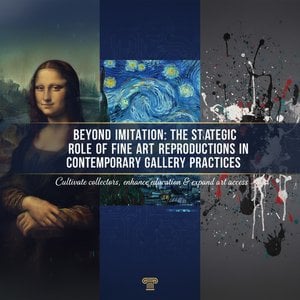
Prestiż w Reprodukcji: Strategiczne Wykorzystanie Wysokiej Jakości Kopii w Elitarnych Galeriach Sztuki
Odkryj strategiczne wykorzystanie wysokiej jakości reprodukcji sztuki w budowaniu prestiżu galerii i kolekcji. Analiza technologii, prawa autorskiego i trendów inwestycyjnych. Ekspercka wiedza dla kolekcjonerów.

Beyond Imitation: The Cultural Resonance of Fine Art Reproduction & Discerning Collectors
Explore the cultural significance of fine art reproduction & its appeal to discerning collectors. Discover how reproductions enhance aesthetics, build collections, and signal status. Expert insights & museum-quality artistry.