


 Podgląd w skali
 Wyślij jako kartkę
 Udostępnij
 Szczegóły dzieła

 Pobierz
 Podobne obiekty
 RTG
RTG Pokaz slajdów
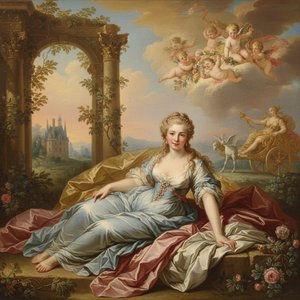
Pan and Syrinx
 Oil On Canvas
- WallArt
- Rococo
 1762
1762- Early Modern
 95.0 x 79.0 cm
 Muzeum Prado
 Rozwiń treść
Giclée / Wydruk artystyczny
Druk giclée lub płótno o jakości muzealnej, szybka realizacja i szeroki wybór opcji wykończenia. ( Zamów ręcznie malowaną reprodukcję Kup obraz wysokiej rozdzielczości)




P118B $10

P118H $10

P118W $10

P438Z $10

P508JH $12

P508YH $12

P805H $10

P805Z $10

P919BZ $10

P919G $10

P919XJ $10

P959ZH $10

P968JZ $12

W106C $8

W218G $10

W218JH $8

W218Y $10

W307PJ $10

W316G $10

W316PJ $8

W316Y $10

W398PJ $8

W4111J $10

W500HY $15

W500JH $15

W692G $12

W849H $8

W940BG $15

W953PJ $8




Wybierz spośród naszych standardowych rozmiarów, które zachowują oryginalne proporcje dzieła sztuki.

Możesz wprowadzić własne wymiary, aby dopasować dzieło do konkretnej ramy lub przestrzeni. Jeśli wybrany rozmiar nie będzie odpowiadał proporcjom oryginalnego obrazu, przytniecie dzieło lub rozszerzymy obraz za pomocą odbicia lustrzanego lub jednolitego wypełnienia krawędzi. Przed rozpoczęciem produkcji prześlemy cyfrową wizualizację do Twojej akceptacji.
Prosimy pamiętać, że podgląd na ekranie nie odzwierciedla faktycznego przycinania ani rozszerzania. Tylko wizualizacja dokładnie pokaże końcową kompozycję.
Mimo dostępności niestandardowych rozmiarów, zalecamy wybór wymiaru z listy zdefiniowanej, aby zachować oryginalne proporcje.
Dostawa na cały świat () w ciągu 2 tygodni zamiast standardowych 4/5 tygodni. (24 Sierpień)

Bezpłatna ekspresowa wysyłka na cały świat

Wysokiej jakości płótno lniane

Pełne ubezpieczenie przesyłki

Gwarancja zwrotu należności celnych i podatków importowych

Gwarancja wiernego odwzorowania kolorów

Polityka 60-dniowego zwrotu (tylko w przypadku wad)

Gwarancja 100% zwrotu kosztów

Zniżka przy zamówieniu wielu produktów
 Opcja ze szkłem jest dostępna wyłącznie w rozmiarach poniżej 110 cm

Pan and Syrinx
Giclée / Wydruk artystyczny
Wymiary reprodukcji
-


Cena całkowita
$ 62
Opis kolekcjonerski
A Rococo Dreamscape: The Enchantment of Pan and Syrinx
In the luminous realm of eighteenth-century French painting, few works capture the delicate tension between desire and transformation as exquisitely as François Boucher’s Pan and Syrinx. Created in 1762, this masterpiece serves as a breathtaking window into the Rococo era, a period defined by its pursuit of elegance, sensuality, and theatrical grace. The painting invites viewers into a mythological reverie, illustrating the poignant tale of Pan, the god of shepherds and wild nature, and Syrinx, a nymph whose desperate flight from his advances led to her metamorphosis into the very reeds that would become the panpipes. Through Boucher’s masterful hand, this classical myth is stripped of its ancient austerity and reclothed in the opulent, pastel-hued splendor characteristic of the court of Louis XV.
The composition is a symphony of movement and light, where the boundaries between the human form and the natural world seem to dissolve. Boucher employs a technique that marries the soft, airy textures of the Rococo style with a lingering Baroque dramatic intensity. One can almost feel the humidity of the riverbank and the frantic pulse of the chase. The artist utilizes fluid, expressive lines to sculpt the figures, guiding the eye through a landscape of billowing clouds, turbulent waters, and lush foliage. This sense of motion is heightened by the painting's unique oval format, which creates an intimate, jewel-like effect, drawing the collector into a private, much more personal encounter with the divine and the earthly.
Technique, Texture, and the Art of Light
To behold Pan and Syrinx is to witness a masterclass in pigment manipulation and light. Boucher’s use of oil on canvas achieves a remarkable luminosity; the skin of the figures possesses a pearlescent glow, while the surrounding environment vibrates with life. The artist demonstrates an extraordinary ability to vary textures—from the smooth, polished surfaces of porcelain-like flesh to the rugged, tactile quality of Neptune’s beard and the frothy, ephemeral crests of the water. This interplay of light and shadow does more than just create depth; it breathes emotion into the scene, casting a romantic yet slightly melancholic veil over the pursuit.
For the discerning interior designer or art enthusiast, this work offers a profound sense of atmospheric depth. The way the light catches the edges of the drapery and illuminates the distant, hazy clouds creates an illusion of infinite space within a relatively intimate scale. It is a painting that does not merely sit upon a wall but actively transforms the environment around it, infusing a room with a sense of historical grandeur and classical sophistication. The subtle use of color—a palette of soft blues, warm golds, and delicate pinks—ensures that the piece remains visually captivating without overwhelming the surrounding decor.
Symbolism and Emotional Resonance
Beyond its aesthetic brilliance, the painting is steeped in profound symbolism. The transformation of Syrinx into reeds serves as a powerful metaphor for the loss of innocence and the enduring nature of art; though the nymph escapes the god's grasp, her essence remains through the music of the flute. This theme of metamorphosis resonates deeply with the human experience, touching upon themes of change, sacrifice, and the eternal pursuit of beauty. The presence of elements like the trident and the swirling, organic shapes of the landscape further ground the work in the dominion of nature and the untamed forces of passion.
Ultimately, Pan and Syrinx evokes a complex emotional response—a mixture of awe at the power of the gods and a tender sympathy for the nymph's plight. It is an artwork that celebrates the sensual beauty of the natural world while acknowledging the fleeting, often bittersweet nature of desire. For those seeking to acquire a high-quality reproduction, this piece offers more than just a decorative element; it provides a profound connection to the heights of French artistic achievement, making it a timeless centerpiece for any collection dedicated to the enduring magic of classical mythology.
Podobne dzieła


O artyście
François Boucher: A Master of Rococo’s Delicate Embrace
François Boucher (1703-1770) stands as a cornerstone of 18th-century French art, an artist inextricably linked to the opulent and sensual world of the Rococo. More than simply a painter, he was a decorator, a designer, and a master of capturing the fleeting beauty and playful spirit that defined this era’s artistic sensibilities. His legacy isn't one of grand historical narratives but rather of exquisitely rendered scenes brimming with charm, eroticism, and an undeniable sense of delight – a testament to his profound understanding of aristocratic taste and the pursuit of pleasure.
Early Years and Artistic Foundations
Born on September 29th, 1703, in the heart of Paris, François Boucher’s artistic journey began within a family steeped in craftsmanship. His father, Jean Boucher, was himself a painter, primarily engaged in creating decorative elements for embroidery – a lineage that instilled in young François an appreciation for detail and refined aesthetics. Initially, he received instruction from his father, but at the age of seventeen, he caught the discerning eye of François Lemoyne, a prominent sculptor and painter. This brief apprenticeship proved invaluable, introducing him to the fundamentals of technique and artistic principles. A subsequent period spent assisting the engraver, Jean-François Cars, honed his skills in composition and draughtsmanship. However, it was his victory at the prestigious Grand Prix de Rome in 1720 that truly launched his career, providing him with a coveted scholarship to study in Italy – a pivotal experience that exposed him to the masterpieces of the Renaissance and Baroque periods.
The Rise to Prominence: Courtly Patronage and Artistic Flourishing
Returning to France in 1731, Boucher was immediately admitted to the Académie Royale de Peinture et de Sculpture. His debut work, “Rinaldo and Armida” (1734), instantly established him as a rising star within the Parisian art scene. This painting showcased his burgeoning talent for capturing dramatic emotion and dynamic movement – hallmarks of the Rococo style. Boucher’s artistic voice quickly solidified, characterized by delicate brushwork, pastel palettes, and an emphasis on mythological and pastoral themes. He became increasingly sought after by wealthy patrons, including Madame de Pompadour, the influential mistress of King Louis XV, who recognized his exceptional talent and commissioned numerous works from him. Her patronage, in particular, cemented his position at the pinnacle of French artistic society.
A World of Myth, Leisure, and Eroticism
Boucher’s oeuvre is remarkably diverse, encompassing a wide range of subjects – mythology, portraiture, genre scenes, and landscape. However, he is perhaps most celebrated for his depictions of mythological figures, particularly Venus and Cupid, rendered with an exquisite blend of sensuality and grace. Paintings like “The Triumph of Venus” (1740-1751) are prime examples of this style, showcasing Boucher’s mastery of composition and color. He frequently depicted scenes of domestic tranquility – such as “The Breakfast” (1739), a charming portrayal of his wife and children – offering a glimpse into the refined pleasures enjoyed by the French aristocracy. Yet, beneath the surface of these idyllic settings often lay an undercurrent of playful eroticism, reflecting the era’s fascination with beauty and desire.
Legacy and Influence
François Boucher's influence extended far beyond his own paintings. He served as a sought-after designer for the theater, creating elaborate costumes and sets that contributed to the spectacle of Parisian productions. He also played a significant role in the decoration of the Beauvais and Gobelins workshops, designing tapestries that adorned royal palaces and aristocratic residences. His appointment as *Premier Peintre du Roi* in 1765 – the highest artistic honor bestowed by the French monarchy – solidified his status as the leading artist of the Rococo era. While later critics questioned the perceived superficiality of Rococo art, Boucher’s technical skill, innovative compositions, and enduring appeal have ensured his place as a pivotal figure in the history of Western art. His work continues to captivate viewers with its delicate beauty, playful charm, and timeless elegance.

François Boucher
1703 - 1770 , Francja
Krótka nota
- Artistic Movement Or Style: Rokoko
- Artists Or Movements Influenced By This Artist: ['Jean-Honoré Fragonard']
- Artists Who Influenced This Artist:
- François Lemoyne
- Jean-François Cars
- Date Of Birth: 29 września 1703
- Date Of Death: 30 maja 1770
- Full Name: François Boucher
- Nationality: Francuz
- Notable Artworks:
- Rinaldo i Armida
- Śniadanie
- Madame Boucher
- Zachód Słońca
- Place Of Birth: Paryż, Francja
Powiązane artykuły
François Boucher: Rococo Master of Myth, Sensuality, and the French Court
Explore the captivating world of François Boucher, master of Rococo painting! Discover his iconic works, aristocratic patronage, and lasting influence on French art history. Learn more at ArtsDot.

Rokokowy przepych: Bunt i rozkosz w sztuce XVIII wieku
Poznaj fascynujący świat rokoka – stylu pełnego wdzięku i przepychu! Odkryj historię, charakterystykę oraz wpływ tego nurtu na sztukę XVIII wieku. Ekspercka analiza i inspiracje dla miłośników historii sztuki.

Top 10 arcydzieł epoki rokoka: artyści, historia i dekoracje wnętrz | ArtsDot.com
Odkryj 10 arcydzieł epoki rokoka! Poznaj Watteau, Boucher’a i Fragonarda – artystów, którzy zdefiniowali ten styl. Inspiracje wnętrzarskie, pastelowe kolory i reprodukcje obrazów najwyższej jakości na ArtsDot.com. Eksploruj kolekcję online!

Rokokowy Styl: Arystokratyczne Przestrzenie Rozkoszy i Poszukiwanie Piękna w Sztuce XVIII Wieku
Odkryj świat rokoka – elegancji, luksusu i subtelności XVIII wieku. Poznaj mistrzów malarstwa, charakterystyczne cechy stylu oraz wpływ na sztukę i kulturę. Ekskluzywne reprodukcje obrazów na ArtsDot.com.

10 Arcydzieł Neoklasycyzmu: Sztuka, Historia i Inspiracje dla Twojego Domu
Poznaj 10 arcydzieł neoklasycyzmu! Odkryj historie Davida, Ingresa i Canovy. Inspiracje wnętrzarskie z malarstwem klasycznym i rzeźbą. Reprodukcje najwyższej jakości na ArtsDot.com – sztuka dla Twojego domu.



