

 Zobacz w skali 1:1
 Wyślij
 Udostępnij
 Szczegóły
 Przewodnik

 Pobierz plik obrazu
 Podobne obiekty
 RTG
RTG Pokaz slajdów
 Statystyki
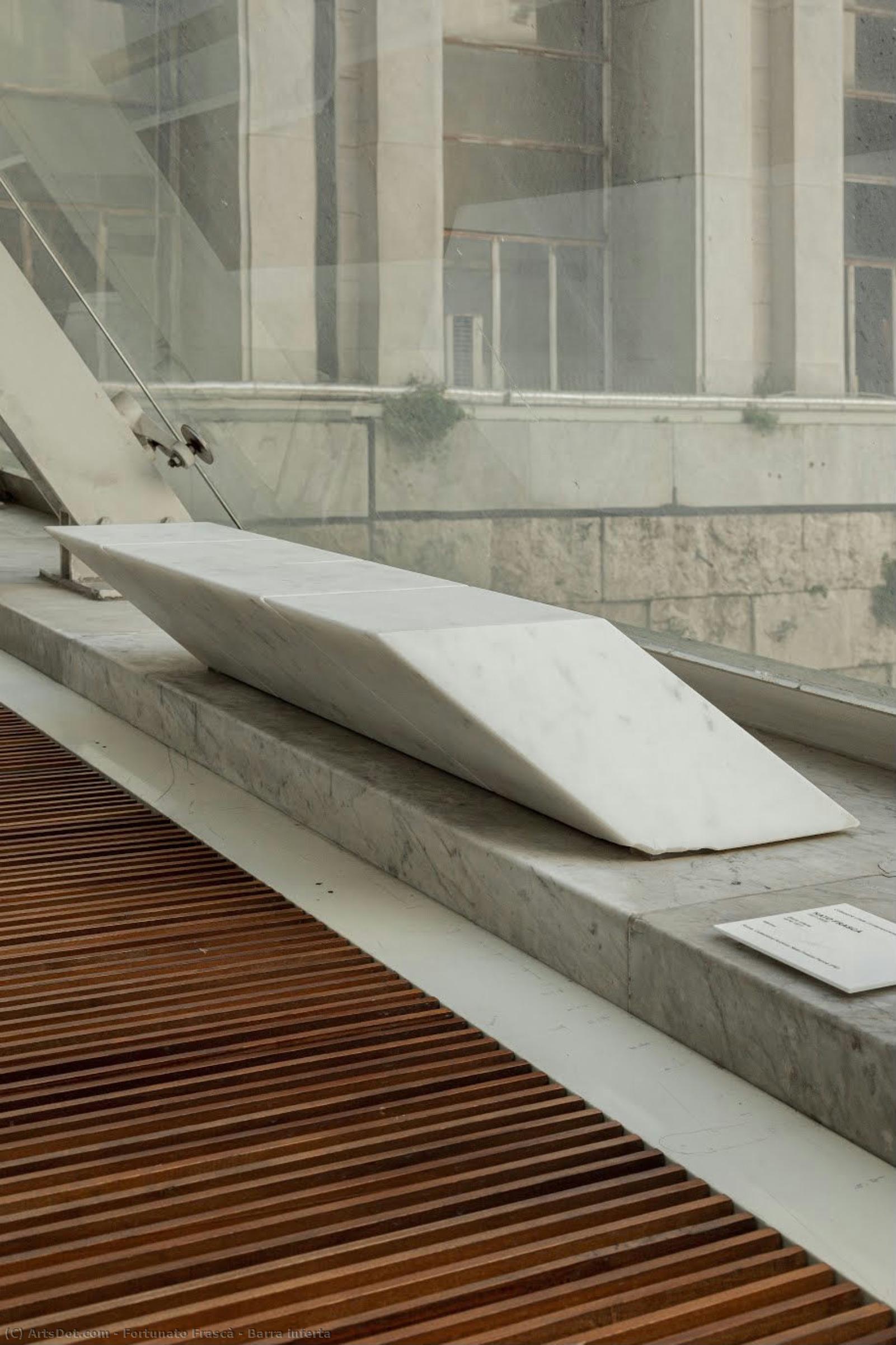
Barra inferta
 120.0 x 50.0 cm
 Ministero degli Affari Esteri e della Cooperazione Internazionale. Collezione Farnesina
 Czytaj więcej
Ręcznie malowana reprodukcja olejowa
Ręcznie malowany obraz olejny na płótnie, wykonany na zamówienie przez naszych artystów w wybranym przez Ciebie wymiarze i oprawie. ( Przełącz na wersję drukowaną Przełącz na wersję cyfrową)




































Wybierz spośród naszych standardowych rozmiarów, które zachowują oryginalne proporcje dzieła sztuki.

Możesz wprowadzić własne wymiary, aby dopasować obraz do konkretnej ramy lub przestrzeni. Jeśli wybrany rozmiar nie będzie odpowiadał proporcjom oryginału, przytniecie dzieło sztuki lub rozszerzymy je o dodatkowe elementy, ręcznie domalowane przez artystę. Przed rozpoczęciem produkcji wyślemy projekt cyfrowy do Twojej akceptacji.
Należy pamiętać, że podgląd na ekranie nie odzwierciedla rzeczywistego przycinania ani rozszerzania obrazu. Tylko projekt dokładnie pokaże ostateczną kompozycję.
Choć oferujemy możliwość zamówienia niestandardowych rozmiarów, zalecamy wybór wymiaru z gotowej listy, aby zachować oryginalne proporcje dzieła.
Po złożeniu zamówienia zespół ArtsDot.com skontaktuje się z klientem drogą mailową w celu uzyskania instrukcji i prześle wizualizację projektu
Dostawa na całym świecie () w ciągu 3–4 tygodni zamiast standardowych 5 tygodni. (26 Wrzesień). Bez kompromisów w kwestii jakości.

Bezpłatna ekspresowa wysyłka na cały świat

Wysokiej jakości płótno lniane

Pełne ubezpieczenie transportowe

Gwarancja zwrotu należności celnych i podatków importowych

Gwarancja idealnego odwzorowania barw

100-dniowy okres na zwrot dzieła w przypadku wykrycia wad produkcyjnych

Gwarancja 100% zwrotu pieniędzy

Oferta przy zakupie wielu sztuk
 Opcja ze szkłem jest dostępna wyłącznie w rozmiarach poniżej 110 cm

Barra inferta
Technika wykonania
Rozmiar reprodukcji
-


Suma do zapłaty
$ 263
Podobne dzieła


Biografia artysty
Fortunato Frascà: Pioneer of Concrete Art and Architectural Vision
Fortunato Frascà (1931-2006) stands as a singular figure in Italian art history, recognized not only for his prolific painting output but also for his groundbreaking contributions to architectural design and the conceptual framework underpinning NATO’s Integrated Air Defense System. Born in Rome amidst the turbulent backdrop of World War II, Frascà's formative years instilled within him an unwavering dedication to artistic exploration and a profound engagement with societal challenges—a duality that would permeate his entire oeuvre.- Early Influences: Frascà’s artistic journey commenced under the mentorship of Piero Dorazio, a pivotal proponent of Concrete Art, whose minimalist aesthetic profoundly shaped Frascà's stylistic sensibilities. This exposure to Dorazio’s reductive approach—characterized by geometric forms and monochrome palettes—established a cornerstone for Frascà’s subsequent artistic endeavors.
- Concrete Art Movement: Frascà became an integral participant in the Concrete Art movement, actively collaborating with fellow artists like Piero Mazzetti and Cristiano Cesca. Together, they championed a radical departure from traditional representational art, prioritizing conceptual rigor and geometric abstraction as vehicles for conveying profound ideas about space and perception.
- Architectural Design: Beyond painting, Frascà excelled as an architect, designing innovative structures that reflected his artistic principles—particularly the Museo Nazionale Etrusco di Villa Giulia in Rome. His architectural designs prioritized simplicity, functionality, and a harmonious integration with the surrounding environment, mirroring the ethos of Concrete Art.
NATO’s Air Defense System: Conceptual Innovation
Frascà's involvement extended beyond visual arts into the realm of engineering and defense. He served as an artist and designer for NATO’s Integrated Air Defense System, tasked with crafting a visual language that communicated complex technological concepts in accessible ways. This project demanded a meticulous consideration of color psychology and spatial organization—skills honed through his artistic practice—resulting in striking graphic representations that effectively conveyed the system's operational capabilities.- Symbolic Representation: Frascà utilized geometric shapes and chromatic harmonies to symbolize the multifaceted nature of air defense, emphasizing stability, vigilance, and responsiveness. His designs aimed to instill confidence and convey a sense of technological mastery while maintaining an aesthetic coherence consistent with his broader artistic vision.
- Educational Significance: Frascà’s work on NATO underscored his commitment to fostering intellectual engagement and promoting understanding of scientific advancements. He believed that art could serve as a catalyst for disseminating knowledge and shaping public perception—a conviction reflected in his pedagogical pursuits throughout his career.
Notable Artwork Achievements
Frascà’s artistic output encompassed a diverse range of mediums and styles, demonstrating remarkable versatility. Among his most celebrated pieces are “Barra inferta” (Undercut Beam), a monumental sculpture embodying the movement's exploration of spatial relationships; and “San Fortunato,” a fresco depicting Saint Fortunatus Enthroned and The Establishment of the Manger at Greccio—a testament to his artistic skill and sensitivity to religious iconography. His paintings consistently showcased bold geometric forms, restrained color palettes, and meticulous attention to detail.- Critical Recognition: Frascà garnered widespread acclaim from critics and fellow artists alike, who lauded his pioneering spirit and unwavering dedication to pushing the boundaries of artistic expression. He was awarded numerous prizes and accolades throughout his career—a recognition of his enduring influence on Italian art and design.
Legacy and Influence
Fortunato Frascà’s legacy extends far beyond his individual artworks; he fundamentally reshaped the conceptual landscape of Concrete Art and championed a holistic approach to artistic practice—integrating visual arts, architecture, and engineering disciplines. His unwavering belief in the transformative power of art continues to inspire artists and designers today, cementing his place as one of Italy's most visionary figures in 20th-century art.
fortunato frascà
1931 - 2006 , Italy
Najważniejsze informacje
- Artistic Movement Or Style: Concrete Art
- Date Of Birth: January 21, 1931
- Date Of Death: April 1, 2006
- Full Name: Fortunato Frascà
- Nationality: Italian
- Notable Artworks: ['Barra inferta']
- Place Of Birth: Rome, Italy