


 Zobacz w skali 1:1
 Wyślij
 Udostępnij
 Szczegóły
 Przewodnik

 Pobierz plik obrazu
 Podobne obiekty
 RTG
RTG Pokaz slajdów
 Statystyki
hommage à Bonnard

 Czytaj więcej
Dzieło sztuki prezentowane na tej stronie podlega ochronie prawem autorskim, co oznacza, że nie mamy prawa do tworzenia ani sprzedaży jego identycznej reprodukcji. Ochrona ta jest egzekwowana na mocy umów międzynarodowych, takich jak Konwencja berneńska oraz przez przepisy prawa krajowego, w tym te określone w Prawo autorskie USA – Tytuł 17.
Metoda ta jest w pełni zgodna z przepisami prawa autorskiego, ponieważ nie polega na kopiowaniu ani powielaniu chronionego dzieła. Stanowi ona kreatywną reinterpretację – nowy obraz, który czerpie inspirację z oryginału, ale nie jest z nim tożsamy.
Giclée / Wydruk artystyczny
Wydruki giclée lub płótna o jakości muzealnej, szybka realizacja i szeroki wybór opcji wykończenia. ( Kup ręcznie malowany obraz Przełącz na wersję cyfrową)




































Wybierz spośród naszych standardowych rozmiarów, które zachowują oryginalne proporcje dzieła sztuki.

Wpisz wymaganą szerokość i wysokość, aby dopasować grafikę do ramy lub ściany. Wydruk można jedynie przyciąć, nigdy nie powiększając go poza oryginalny obraz, dlatego format o innym proporcji spowoduje utratę części kompozycji. Przed rozpoczęciem druku prześlemy Ci cyfrowy podgląd do zatwierdzenia. Obraz wyświetlany na tej stronie nie pokazuje rzeczywistego przycięcia — jedynie podgląd oddaje ten efekt.
Dostawa na cały świat () w ciągu 2 tygodni zamiast standardowych 4/5 tygodni. (22 Październik)

Bezpłatna ekspresowa wysyłka na cały świat

Wysokiej jakości płótno lniane

Pełne ubezpieczenie transportowe

Gwarancja zwrotu należności celnych i podatków importowych

Gwarancja idealnego odwzorowania barw

100-dniowy okres na zwrot dzieła w przypadku wykrycia wad produkcyjnych

Gwarancja 100% zwrotu pieniędzy

Oferta przy zakupie wielu sztuk
 Opcja ze szkłem jest dostępna wyłącznie w rozmiarach poniżej 110 cm

hommage à Bonnard
Giclée / Wydruk artystyczny
Rozmiar reprodukcji
-


Suma do zapłaty
zł 235
The Inspiration Behind the Painting
Fernando Botero Angulo's Hommage à Bonnard is a testament to the artist's admiration for Pierre Bonnard's work, particularly his depictions of female bathers. The painting features a man standing in front of a bathroom mirror, shaving his back with a razor, surrounded by everyday objects such as a sink, bathtub, and bottles. This scene is reminiscent of Bonnard's intimate and colorful paintings of women in their daily lives. Key Features of the Painting The painting showcases Botero Angulo's signature style, characterized by:- Voluminous figures and objects
- Muted color palette with subtle nuances
- Attention to detail and texture
Artistic Significance and Legacy
Hommage à Bonnard is not only a tribute to Pierre Bonnard but also a reflection of Fernando Botero Angulo's own artistic vision and style. As an artist, Botero Angulo has been influenced by various art movements and styles, including Naive Art and Post-Impressionism. His work continues to inspire and influence artists, collectors, and art enthusiasts around the world.The Museum of Modern Art and other prominent institutions have recognized Fernando Botero Angulo's contributions to modern and contemporary art, solidifying his position as a leading figure in the art world.
Pytania i odpowiedzi
W jaki sposób "hommage à Bonnard" wpisuje się w tematykę i styl twórczości Fernando Botero?
"hommage à Bonnard" należy do nurtu Surrealism w twórczości Fernando Botero, której rozpoznawalne motywy obejmują boterismo style exploration, human form as central theme, playful distortion & volume, bonnard, naive art, surrealism, figurative painting, volume.
W jaki sposób "hommage à Bonnard" balansuje światło i cień?
Jasność dzieła „hommage à Bonnard” autorstwa Fernando Botero wynosi brilliant, przy luminancji na poziomie Bright Balance.
O czym jest "hommage à Bonnard"?
Tematyka obecna w „hommage à Bonnard” autorstwa Fernando Botero obejmuje nudity, bathroom, reflection, volume, botero style, surreal, domestic, portrait. Razem stanowią one podsumowanie tematyki dzieła.
Podobne dzieła


Biografia artysty
Fernando Botero: A Colombian Visionary – Shaping Volume and Challenging Perspectives
Fernando Botero Angulo, a name synonymous with vibrant color, monumental forms, and a subtly subversive wit, emerged from the bustling city of Medellín in Colombia as one of Latin America’s most internationally recognized artists. His journey wasn't forged within the rigid confines of traditional art academies but rather blossomed amidst the rich Baroque architecture and dynamic urban life of his native home – an experience that profoundly shaped his distinctive artistic vision. Initially drawn to the drama of bullfighting, Botero quickly realized his true calling lay in exploring the fundamental principles of form and volume, a pursuit that would ultimately define his unique style, now universally known as “Boterismo.”The Seeds of Boterismo: Influences and Early Development
Botero’s artistic development wasn't a sudden revelation but rather a gradual evolution rooted in a deliberate rejection of European modernism. After periods studying in Madrid and Paris – experiences he later described as disillusioning due to the perceived superficiality of prevailing avant-garde movements – he returned to Colombia, seeking inspiration in the art that had deeply resonated with him during his formative years. He turned back to the Old Masters—Velázquez, Goya, and Titian—and rediscovered the power of classical form, a path that led directly to the birth of Boterismo. This wasn’t simply about depicting “fat people,” as some critics simplistically suggested; it was a conscious manipulation of proportion, an intentional exaggeration designed to evoke a sense of abundance, sensuality, and often, subtle social commentary. His early works, particularly those created in the 1950s and 60s, were heavily influenced by the vibrant colors and dynamic compositions of Latin American folk art, alongside the meticulous detail and masterful technique of Renaissance masters. The ornate colonial churches of Medellín, with their lavish decorations and dramatic lighting, served as a constant source of inspiration, imbuing his work with a sense of theatricality and grandeur.The Sculptural Expansion: From Painting to Three Dimensions
While Botero initially gained international recognition for his captivating paintings—works that immediately captured attention with their monumental scale and exaggerated forms—his artistic ambition extended far beyond the canvas. In 1973, he embarked on a transformative journey into sculpture, establishing a studio in Paris and embracing the challenge of translating his distinctive style into three dimensions. This transition proved remarkably successful, allowing him to further explore the principles of volume and form while simultaneously creating monumental public artworks that became beloved landmarks in cities around the world—from New York’s Park Avenue to Florence's Piazza della Signoria. His sculptures weren’t merely scaled-up versions of his paintings; they possessed a unique physicality, inviting viewers to engage with them on a tactile level and often imbued with a playful sense of humor.Themes of Identity and Social Commentary
Throughout his career, Botero consistently addressed themes deeply rooted in Colombian culture and society. His work frequently explored the complexities of national identity, celebrating the beauty and resilience of his homeland while simultaneously critiquing its political realities. He tackled sensitive subjects such as corruption, violence, and social inequality with a deftness that balanced humor and pathos. Notably, his *Violence* series (2000), created in response to Colombia’s ongoing drug-related conflicts, stands as a powerful testament to his commitment to using art as a vehicle for social commentary. Similarly, his *Abu Ghraib* series (2005) directly confronted the disturbing events at the Iraqi prison, demonstrating his willingness to engage with difficult and controversial issues on an international stage. These works weren’t simply artistic statements; they were acts of conscience, reflecting Botero's deep concern for human rights and social justice.Legacy and Recognition: A Global Icon
Fernando Botero’s impact on the art world is undeniable. He became a cultural icon in Colombia, donating generously to museums and public spaces, solidifying his place as a national treasure. His work has been exhibited extensively throughout the world, captivating audiences with its unique blend of sensuality, humor, and social commentary. He received numerous accolades, including the International Sculpture Center’s Lifetime Achievement Award in 2012, recognizing his profound contribution to contemporary sculpture. Botero's legacy extends beyond his artistic achievements; he inspired a generation of Latin American artists to embrace their own unique voices and perspectives on the world. His distinctive style continues to influence artists today, ensuring that his vision—one characterized by an appreciation for volume, a celebration of sensuality, and a commitment to social engagement—will endure for generations to come.
Fernando Botero
1932 - 1959 , Kolumbia
Najważniejsze informacje
- Artistic Movement Or Style: Boterismo
- Artists Or Movements Influenced By This Artist:
- Barok
- Folk art
- Artists Who Influenced This Artist:
- Velázquez
- Goya
- Rivera
- Date Of Birth: 19 Apr 1932
- Date Of Death: 15 Sep 2023
- Full Name: Fernando Botero Angulo
- Nationality: Kolombijczyk
- Notable Artworks:
- Mona Lisa, Age Twelve
- Rodzinny prezydent
- Tancerze
- Place Of Birth: Medellín, Kolumbia
Zobacz także powiązane artykuły

Surrealizm w Obrazach: 10 Arcydzieł, Które Zdefiniowały Ruch | ArtsDot.pl
Odkryj 10 arcydzieł surrealizmu! Poznaj historie Dalí, Magritte’a i Miró. Inspiracje, techniki i znaczenie onirycznych obrazów. Reprodukcje najwyższej jakości na ArtsDot.com – galeria sztuki online dla Twojego wnętrza. Eksploruj kolekcję!

Surrealist Dreamscapes: A Curated Guide to Integrating Breathtaking Surrealism into Sophisticated Home Decor
Transform your home into a breathtaking dreamscape with expert surrealist decor tips. Discover how to curate Salvador Dalí-inspired masterpieces, integrate symbolic textures, and commission bespoke hand-painted oil reproductions that bring the magic of the subconscious to your walls.
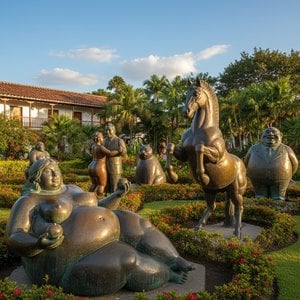
Fernando Botero: Celebrating Volume, Form & Colombian Identity
Explore the captivating world of Fernando Botero! Discover his iconic 'Boterismo' style, Colombian influences, investment potential & lasting legacy. Expert insights for art collectors.
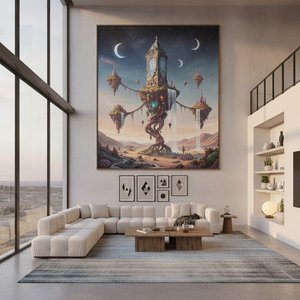
Dreamscapes Unveiled: A Curated Guide to Integrating Surrealist Landscape Art into Modern Interiors
Discover how to transform your home with the captivating mystery of Surrealist landscape art. Our expert guide explores iconic dreamscapes, offering professional tips on curating, styling, and commissioning bespoke surrealist masterpieces for a sophisticated, soulful interior.

10 Arcydzieł Surrealizmu, które Zdefiniowały Sztukę XX Wieku | ArtsDot
Odkryj 10 arcydzieł surrealizmu, które zrewolucjonizowały sztukę! Poznaj historie Dalíego, Magritte'a i innych mistrzów. Reprodukcje obrazów najwyższej jakości na ArtsDot.com – inspiracje dla Twojego wnętrza.