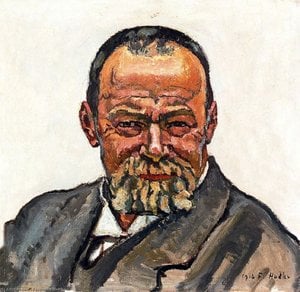
Podgląd w skali 1:1
 Wyślij jako kartkę
 Udostępnij
 Szczegóły dzieła
 Przewodnik

 Pobierz obraz
 Podobne obiekty
 RTG
RTG Pokaz slajdów
 Pytania i odpowiedzi
 Statystyki
Composition study

- 28.0 x 39.0 cm


 Rozwiń treść
Giclée / Wydruk artystyczny
Wydruki giclée lub płótna o jakości muzealnej, szybka realizacja i szeroki wybór opcji wykończenia. ( Zamów ręcznie malowaną reprodukcję Przejdź do wersji cyfrowej)




P118B zł10

P118H zł10

P118W zł10

P438Z zł10

P508JH zł12

P508YH zł12

P805H zł10

P805Z zł10

P919BZ zł10

P919G zł10

P919XJ zł10

P959ZH zł10

P968JZ zł12

W106C zł8

W218G zł10

W218JH zł8

W218Y zł10

W307PJ zł10

W316G zł10

W316PJ zł8

W316Y zł10

W398PJ zł8

W4111J zł10

W500HY zł15

W500JH zł15

W692G zł12

W849H zł8

W940BG zł15

W953PJ zł8




Wybierz spośród naszych standardowych rozmiarów, które zachowują oryginalne proporcje dzieła sztuki.

Wpisz wymaganą szerokość i wysokość, aby dopasować grafikę do ramy lub ściany. Wydruk można jedynie przyciąć, nigdy nie powiększając go poza oryginalny obraz, dlatego format o innych proporcjach spowoduje utratę części kompozycji. Przed rozpoczęciem druku prześlemy Ci cyfrowy podgląd do zatwierdzenia. Obraz wyświetlany na tej stronie nie pokazuje rzeczywistego przycięcia — jedynie podgląd oddaje ten efekt.
Dostawa na cały świat () w ciągu 2 tygodni zamiast standardowych 4/5 tygodni. (21 Listopad)

Bezpłatna ekspresowa wysyłka na cały świat

Wysokiej jakości płótno lniane

Pełne ubezpieczenie przesyłki

Gwarancja zwrotu należności celnych i podatków importowych

Gwarancja wiernego odwzorowania kolorów

100-dniowa polityka zwrotów (tylko w przypadku wad)

Gwarancja 100% zwrotu pieniędzy

Zniżka przy zakupie wielu sztuk
 Opcja ze szkłem jest dostępna wyłącznie w rozmiarach poniżej 110 cm

Composition study
Giclée / Wydruk artystyczny
Wymiary reprodukcji
-


Cena całkowita
zł 246
A Study in Quiet Tension: Decoding Ferdinand Hodler’s “Composition Study”
Ferdinand Hodler's "Composition Study," executed in 1899, isn’t merely a depiction of figures; it’s an exploration of psychological depth and the subtle interplay between stillness and movement—a hallmark of Symbolist art. The photograph captures a meticulously crafted painting that speaks volumes about its era and Hodler’s artistic sensibilities. Measuring 28 x 39 cm, this piece exemplifies Hodler's signature style: characterized by muted tones, flattened perspectives, and an almost dreamlike quality that prioritizes mood over precise realism.- Subject Matter & Context: The scene portrays a group of men wielding swords—a potent visual metaphor for power, defense, and perhaps even aggression—standing before what appears to be a larger assemblage. Hodler’s work emerged during the Symbolist movement, which reacted against Impressionism's focus on capturing fleeting sensory impressions. Instead, Symbolists sought to express inner emotions and spiritual truths through evocative imagery and symbolic references.
- Technique: Hodler employed tempera paint on canvas—a technique known for its luminosity and durability—allowing him to achieve a velvety surface finish that contributes significantly to the painting’s ethereal atmosphere. The artist skillfully utilized chiaroscuro, manipulating light and shadow to sculpt forms and heighten dramatic effect.
- Symbolism & Emotional Resonance: Beyond the obvious depiction of weaponry, “Composition Study” delves into themes of vulnerability and resilience. The central figure's gaze directs towards his right, suggesting introspection and a confrontation with inner turmoil amidst the surrounding presence of armed men. Hodler’s deliberate simplification of form—the flattened planes and muted palette—amplifies this emotional impact, inviting viewers to contemplate the complexities of human experience.
- Historical Significance: The painting reflects the anxieties of its time – a period marked by political instability and burgeoning militarism. However, Hodler transcends mere historical documentation; he transforms these concerns into universal meditations on courage, contemplation, and the enduring spirit of humanity.
Pytania i odpowiedzi
Gdzie i w jakim celu zaleca się użycie "Composition study"?
Dzieło „Composition study” – Ferdinand Hodler jest polecane do Accent, najlepiej w Living Room. Zastosowanie oraz przestrzeń pomagają zdecydować, gdzie najlepiej umieścić reprodukcję.
Do jakiego nurtu w sztuce należy „Composition study” – Ferdinand Hodler?
Nurt związany z „Composition study” – Ferdinand Hodler to Symbolism. Ta klasyfikacja sytuuje dzieło wśród pokrewnych artystów i dzieł sztuki.
Jaki jest ogólny nastrój dzieła „Composition study” – Ferdinand Hodler?
Nastrój dzieła „Composition study” – Ferdinand Hodler opisuje się jako Elegant. Klasyfikacja ta może pomóc w dopasowaniu pracy do konkretnego wnętrza.
Podobne dzieła


Biografia artysty
Architektura śmiertelności
Urodzony w 1853 roku w Bernie, w Szwajcarii, Ferdinand Hodler spędził wczesne lata w cieniu cichej, nieustającej żałoby. Zanim osiągnął wiek dojrzewania, gruźlica, która zabrała jego ojca i dwóch młodszych braci, pozostawiła pustkę w jego domu. To wczesne spotkanie ze stratą stało się powracającym motywem w jego twórczości, cieniem, który towarzyszył mu od skromnych początków praktyki rzemieślniczej aż po szczyty kariery zawodowej. Rozpoczął naukę jako malarz dekorator, pomagając ojczymowi w pracach przy komercyjnych szyldach, co dało mu praktyczne wykształcenie i wykształciło w nim precyzyjną kontrolę nad linią i formą. To rzemieślnicze fundamenty zapewniły mu rygor techniczny, który w późniejszych latach wspierał jego bardziej złożone rozważania filozoficzne.
Przeprowadzka do Genewy w 1871 roku oznaczała odejście od komercyjnych wymagań młodości. W mieście szukał głębszego zaangażowania w sztukę, uczęszczając na wykłady naukowe i kopiując dzieła mistrzów w lokalnym muzeum. To właśnie tam zaczął odchodzić od skrupulatnego realizmu swoich wczesnych pejzaży i portretów. Nie był już zadowolony z samego odtwarzania scenerii szwajcarskich Alp czy podobieństwa modela; pragnął uchwycić podskórne rytmy istnienia. Ta transformacja z obiektywizmu w stronę subiektywizmu ostatecznie doprowadziła go do wypracowania własnego, unikalnego języka wizualnego.
Logika paralelizmu
Najważniejszym wkładem Hodlera w ewolucję malarstwa nowoczesnego była jego teoria paralelizmu. Nie była to jedynie technika kompozycyjna, lecz sposób postrzegania świata jako serii połączonych, rytmicznych wzorów. Obserwował, jak formy w naturze – nachylenie góry, krzywizna ludzkiego kończyny czy odbicie w wodzie – często przeglądają się w sobie w ustrukturyzowanej, geometrycznej harmonii. Poprzez aranżowanie postaci i elementów krajobrazu w tych powtarzalnych, rytmicznych kadencjach, próbował przedstawić porządek strukturalny, który jego zdaniem rządził światem naturalnym. Podejście to pozwoliło mu zasypać przepaść między fizyczną rzeczywistością sceny a stanem emocjonalnym obserwatora.
Jego twórczość często zajmowała przestrzeń między symbolizmem a bardziej ustrukturyzowaną, nowoczesną wrażliwością. W dziełach takich jak Noc, ukończona w 1890 roku, zgłębiał tematy spoczynku i śmiertelności poprzez przedstawienia postaci leżących, co stanowiło wyzwanie dla ówczesnych gustów. Jego zdolność do łączenia klasycznej formy z nowoczesną, niemal strukturalną intensywnością jest widoczna w Prawda II (1897). Nie polegał na chaotycznym dukcie pędzla swoich współczesnych; zamiast tego używał świadomej, często przygaszonej palety ochry, brązów i zieleni, aby stworzyć poczucie trwałości i ciężaru. Jego płótna nie były jedynie oknami na scenę, lecz zorganizowanymi środowiskami, w których ludzki duch i krajobraz zostały splecione wspólną geometrią.
Życie w pejzażach
Szwajcarski krajobraz pozostawał stałym elementem jego dorobku, zwłaszcza majestat Alp. Postrzegał te góry nie tylko jako cechy topograficzne, ale jako byty duchowe. Jego przedstawienia Eigeru, Mönch i Jungfrau, czy widoki z Dents du Midi, odzwierciedlają pragnienie przełożenia skali gór na język emocjonalnego rezonansu. Często stosował proces warstwowania, nakładając cienkie laserunki koloru na grubsze impasto, aby uzyskać specyficzną luminancję, szczególnie w późniejszych studiach światła nad Jeziorem Genewskim. Prace te demonstrują mistrzostwo w kreowaniu atmosfery, chwytając zamgloną, eteryczną jakość alpejskiego światła bez poświęcania strukturalnej integralności terenu.
W chwili śmierci w Genewie w 1918 roku, Hodler ugruntował swoją pozycję jako centralna postać w historii sztuki szwajcarskiej. Jego wpływ można dostrzec w rozwoju ekspresjonizmu, gdyż nacisk na subiektywne emocje i rytmiczną formę położył fundament pod tych, którzy pragnęli wyjść poza tradycyjną reprezentację. Pozostał malarzem o głębokiej psychologicznej głębi, wykorzystującym narzędzia swojego rzemiosła do konfrontacji z fundamentalnymi pytaniami o życie i śmierć. Jego dziedzictwo odnajdujemy w sposobie, w jaki zmuszał widza do spojrzenia poza powierzchnię świata, aby odnaleźć ciche, powtarzające się wzorce, które trzymają go w całości.

Ferdinand Hodler
1853 - 1918 , Szwajcaria
Krótka nota
- Artistic Movement Or Style: Symbolizm, Parallelizm, Realizm
- Artists Or Movements Influenced By This Artist: ['Ekspresjonizm']
- Artists Who Influenced This Artist:
- Alexandre Calame
- Dürer
- Gustave Courbet
- Hans Holbein
- Titian
- Poussin
- Velázquez
- Barthélemy Menn
- Date Of Birth: 1853
- Date Of Death: 1918
- Full Name: Ferdinand Hodler
- Nationality: Szwajcar
- Notable Artworks:
- Noc
- Dzień
- Prawda II
- Poezja
- Place Of Birth: Bern, Szwajcaria
Powiązane artykuły

Karl Blossfeldt's 'Urformen der Kunst': Pioneering Botanical Photomicrography & Aesthetic Form
Explore Karl Blossfeldt's groundbreaking *Urformen der Kunst* & pioneering botanical photography. Discover the aesthetic power of nature, New Objectivity influences, and his lasting impact on modern art. Learn about collecting key works.

Ferdinand Hodler: Symbolism, Parallelism & the Quest for Universal Harmony
Explore the captivating world of Ferdinand Hodler, Swiss Symbolist painter renowned for his evocative landscapes & pioneering 'parallelism'. Discover his life, key works, and lasting influence on art history. Own a hand-painted reproduction today!

Mastering Parallelism: The 25 Most Iconic Artworks by Ferdinand Hodler
Immerse yourself in the rhythmic beauty of Ferdinand Hodler. Explore 25 iconic masterpieces of Swiss Symbolism and Parallelism. From evocative landscapes to profound portraits, find inspiration for museum-quality art reproductions. Discover all masterpieces on ArtsDot.com.

Top 10 Słynnych Obrazów w Odcieniach Espresso – Sztuka dla Domu z ArtsDot.com
Odkryj 10 słynnych obrazów w odcieniach espresso! Poznaj historie Rembrandta, Caravaggia i Van Gogha. Inspiracje wnętrzarskie z klasycznym malarstwem na ArtsDot.com – reprodukcje najwyższej jakości dla Twojego domu. Eksploruj kolekcję online!

Friedrich von Amerling: Capturing Viennese Aristocracy & the Biedermeier Spirit
Explore the elegant portraits of Friedrich von Amerling, a master of Viennese Biedermeier art. Discover his life, style, and lasting influence on 19th-century Austrian painting. Find high-quality reproductions at ArtsDot.