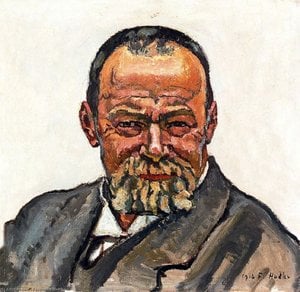
Podgląd w skali 1:1
 Wyślij jako kartkę
 Udostępnij
 Szczegóły dzieła
 Przewodnik

 Pobierz obraz
 Podobne obiekty
 RTG
RTG Pokaz slajdów
 Pytania i odpowiedzi
 Statystyki
Composition study

- 26.0 x 22.0 cm


 Rozwiń treść
Giclée / Wydruk artystyczny
Wydruki giclée lub płótna o jakości muzealnej, szybka realizacja i szeroki wybór opcji wykończenia. ( Zamów ręcznie malowaną reprodukcję Przejdź do wersji cyfrowej)




P118B zł10

P118H zł10

P118W zł10

P438Z zł10

P508JH zł12

P508YH zł12

P805H zł10

P805Z zł10

P919BZ zł10

P919G zł10

P919XJ zł10

P959ZH zł10

P968JZ zł12

W106C zł8

W218G zł10

W218JH zł8

W218Y zł10

W307PJ zł10

W316G zł10

W316PJ zł8

W316Y zł10

W398PJ zł8

W4111J zł10

W500HY zł15

W500JH zł15

W692G zł12

W849H zł8

W940BG zł15

W953PJ zł8




Wybierz spośród naszych standardowych rozmiarów, które zachowują oryginalne proporcje dzieła sztuki.

Wpisz wymaganą szerokość i wysokość, aby dopasować grafikę do ramy lub ściany. Wydruk można jedynie przyciąć, nigdy nie powiększając go poza oryginalny obraz, dlatego format o innych proporcjach spowoduje utratę części kompozycji. Przed rozpoczęciem druku prześlemy Ci cyfrowy podgląd do zatwierdzenia. Obraz wyświetlany na tej stronie nie pokazuje rzeczywistego przycięcia — jedynie podgląd oddaje ten efekt.
Dostawa na cały świat () w ciągu 2 tygodni zamiast standardowych 4/5 tygodni. (20 Listopad)

Bezpłatna ekspresowa wysyłka na cały świat

Wysokiej jakości płótno lniane

Pełne ubezpieczenie przesyłki

Gwarancja zwrotu należności celnych i podatków importowych

Gwarancja wiernego odwzorowania kolorów

100-dniowa polityka zwrotów (tylko w przypadku wad)

Gwarancja 100% zwrotu pieniędzy

Zniżka przy zakupie wielu sztuk
 Opcja ze szkłem jest dostępna wyłącznie w rozmiarach poniżej 110 cm

Composition study
Giclée / Wydruk artystyczny
Wymiary reprodukcji
-


Cena całkowita
zł 246
Composition Study – A Window into Hodler’s Soul
Ferdinand Hodler's "Composition Study," created in 1887, isn’t merely a sketch of three figures engaged in strenuous activity; it’s a profound meditation on the human condition, rendered with an arresting blend of anatomical precision and evocative symbolism. This work, now housed within the Tretyakov Gallery in Moscow, offers a rare glimpse into the artist's deeply personal vision – a world shaped by loss, contemplation, and a fascination with the ephemeral beauty of existence. The piece immediately draws the eye with its stark contrasts: the dark, almost brooding grey-brown tones of the pencil lines against the aged, neutral surface of the paper create an immediate sense of weight and seriousness. Hodler’s technique is deceptively simple yet remarkably powerful; he eschews elaborate shading or detailed rendering in favor of a confident, linear approach that emphasizes form and movement with remarkable economy.
The Anatomy of Effort – A Study in Human Form
At first glance, the composition depicts three men locked in what appears to be a grueling weightlifting exercise. However, Hodler doesn’t offer a realistic portrayal of physical exertion. Instead, he strips away extraneous detail, focusing instead on the essential lines and angles that define the figures' postures. The musculature is suggested with sharp, decisive strokes, conveying strength and strain without resorting to photographic accuracy. Notice how the diagonal lines of their bodies create a dynamic tension, mirroring the implied struggle within each individual. The arrangement isn’t haphazard; it’s carefully constructed to draw the viewer’s eye across the page, creating a sense of movement and narrative – a silent drama unfolding before our eyes.
Symbolism and the Weight of Mortality
Beyond its anatomical interest, “Composition Study” is rich in symbolic meaning. The figures themselves are often interpreted as representations of mortality and the inevitability of fate. Hodler’s early life was marked by profound loss – the deaths of his father and two brothers at a young age instilled within him a deep awareness of human vulnerability. This personal experience undoubtedly informs the work's somber mood and its exploration of themes related to death, remembrance, and the passage of time. The grid lines overlaid on the drawing—a technique frequently employed by Hodler—further emphasize this sense of structure and order imposed upon chaos, perhaps reflecting a desire to impose meaning onto an inherently unpredictable existence.
A Bridge Between Eras – Hodler’s Legacy
“Composition Study” stands as a pivotal work in the career of Ferdinand Hodler, bridging the gap between academic realism and the burgeoning Symbolist movement. Influenced by Renaissance anatomical studies—particularly those focused on depicting the human form with scientific accuracy—Hodler nevertheless departs from traditional representation, prioritizing emotional resonance over literal depiction. The piece’s stark simplicity and evocative power have resonated with viewers for over a century, cementing Hodler's place as one of Switzerland’s most important artists. Reproductions of this compelling work offer an accessible way to experience the depth and complexity of Hodler’s artistic vision, bringing his poignant reflections on life, death, and the human spirit into any space.
- Artist: Ferdinand Hodler
- Year: 1887
- Medium: Graphite pencil on paper
- Size: 26 x 22 cm
- Location: Tretyakov Gallery, Moscow
Consider commissioning a hand-painted reproduction to bring the intensity and emotional depth of “Composition Study” into your home or office. Each reproduction is meticulously crafted by skilled artisans, ensuring an authentic representation of Hodler’s original masterpiece.
Pytania i odpowiedzi
Czy istnieje karta informacyjna o „Composition study” – Ferdinand Hodler przeznaczona dla studentów?
Strona Karta informacyjna dla uczniów dzieła „Composition study” – Ferdinand Hodler oferuje dwustronicową kartę informacyjną w formacie do druku: samo dzieło wraz z tabelą identyfikacyjną, oś czasu umieszczającą je w latach życia artysty, inne prace tego twórcy, zmierzoną paletę kolorystyczną oraz gotowe do skopiowania cytaty w czterech stylach.
Jaki jest format dzieła "Composition study"?
„Composition study” – Ferdinand Hodler to kompozycja w formacie Portrait. Warto sprawdzić proporcje przed wyborem rozmiaru wydruku.
Jaki jest zalecany rozmiar wydruku dla „Composition study” – Ferdinand Hodler?
Zalecanym rozmiarem wydruku dla dzieła "Composition study" jest Medium. Dostępne są również inne rozmiary o tych samych proporcjach.
Podobne dzieła


Biografia artysty
Architektura śmiertelności
Urodzony w 1853 roku w Bernie, w Szwajcarii, Ferdinand Hodler spędził wczesne lata w cieniu cichej, nieustającej żałoby. Zanim osiągnął wiek dojrzewania, gruźlica, która zabrała jego ojca i dwóch młodszych braci, pozostawiła pustkę w jego domu. To wczesne spotkanie ze stratą stało się powracającym motywem w jego twórczości, cieniem, który towarzyszył mu od skromnych początków praktyki rzemieślniczej aż po szczyty kariery zawodowej. Rozpoczął naukę jako malarz dekorator, pomagając ojczymowi w pracach przy komercyjnych szyldach, co dało mu praktyczne wykształcenie i wykształciło w nim precyzyjną kontrolę nad linią i formą. To rzemieślnicze fundamenty zapewniły mu rygor techniczny, który w późniejszych latach wspierał jego bardziej złożone rozważania filozoficzne.
Przeprowadzka do Genewy w 1871 roku oznaczała odejście od komercyjnych wymagań młodości. W mieście szukał głębszego zaangażowania w sztukę, uczęszczając na wykłady naukowe i kopiując dzieła mistrzów w lokalnym muzeum. To właśnie tam zaczął odchodzić od skrupulatnego realizmu swoich wczesnych pejzaży i portretów. Nie był już zadowolony z samego odtwarzania scenerii szwajcarskich Alp czy podobieństwa modela; pragnął uchwycić podskórne rytmy istnienia. Ta transformacja z obiektywizmu w stronę subiektywizmu ostatecznie doprowadziła go do wypracowania własnego, unikalnego języka wizualnego.
Logika paralelizmu
Najważniejszym wkładem Hodlera w ewolucję malarstwa nowoczesnego była jego teoria paralelizmu. Nie była to jedynie technika kompozycyjna, lecz sposób postrzegania świata jako serii połączonych, rytmicznych wzorów. Obserwował, jak formy w naturze – nachylenie góry, krzywizna ludzkiego kończyny czy odbicie w wodzie – często przeglądają się w sobie w ustrukturyzowanej, geometrycznej harmonii. Poprzez aranżowanie postaci i elementów krajobrazu w tych powtarzalnych, rytmicznych kadencjach, próbował przedstawić porządek strukturalny, który jego zdaniem rządził światem naturalnym. Podejście to pozwoliło mu zasypać przepaść między fizyczną rzeczywistością sceny a stanem emocjonalnym obserwatora.
Jego twórczość często zajmowała przestrzeń między symbolizmem a bardziej ustrukturyzowaną, nowoczesną wrażliwością. W dziełach takich jak Noc, ukończona w 1890 roku, zgłębiał tematy spoczynku i śmiertelności poprzez przedstawienia postaci leżących, co stanowiło wyzwanie dla ówczesnych gustów. Jego zdolność do łączenia klasycznej formy z nowoczesną, niemal strukturalną intensywnością jest widoczna w Prawda II (1897). Nie polegał na chaotycznym dukcie pędzla swoich współczesnych; zamiast tego używał świadomej, często przygaszonej palety ochry, brązów i zieleni, aby stworzyć poczucie trwałości i ciężaru. Jego płótna nie były jedynie oknami na scenę, lecz zorganizowanymi środowiskami, w których ludzki duch i krajobraz zostały splecione wspólną geometrią.
Życie w pejzażach
Szwajcarski krajobraz pozostawał stałym elementem jego dorobku, zwłaszcza majestat Alp. Postrzegał te góry nie tylko jako cechy topograficzne, ale jako byty duchowe. Jego przedstawienia Eigeru, Mönch i Jungfrau, czy widoki z Dents du Midi, odzwierciedlają pragnienie przełożenia skali gór na język emocjonalnego rezonansu. Często stosował proces warstwowania, nakładając cienkie laserunki koloru na grubsze impasto, aby uzyskać specyficzną luminancję, szczególnie w późniejszych studiach światła nad Jeziorem Genewskim. Prace te demonstrują mistrzostwo w kreowaniu atmosfery, chwytając zamgloną, eteryczną jakość alpejskiego światła bez poświęcania strukturalnej integralności terenu.
W chwili śmierci w Genewie w 1918 roku, Hodler ugruntował swoją pozycję jako centralna postać w historii sztuki szwajcarskiej. Jego wpływ można dostrzec w rozwoju ekspresjonizmu, gdyż nacisk na subiektywne emocje i rytmiczną formę położył fundament pod tych, którzy pragnęli wyjść poza tradycyjną reprezentację. Pozostał malarzem o głębokiej psychologicznej głębi, wykorzystującym narzędzia swojego rzemiosła do konfrontacji z fundamentalnymi pytaniami o życie i śmierć. Jego dziedzictwo odnajdujemy w sposobie, w jaki zmuszał widza do spojrzenia poza powierzchnię świata, aby odnaleźć ciche, powtarzające się wzorce, które trzymają go w całości.

Ferdinand Hodler
1853 - 1918 , Szwajcaria
Krótka nota
- Artistic Movement Or Style: Symbolizm, Parallelizm, Realizm
- Artists Or Movements Influenced By This Artist: ['Ekspresjonizm']
- Artists Who Influenced This Artist:
- Alexandre Calame
- Dürer
- Gustave Courbet
- Hans Holbein
- Titian
- Poussin
- Velázquez
- Barthélemy Menn
- Date Of Birth: 1853
- Date Of Death: 1918
- Full Name: Ferdinand Hodler
- Nationality: Szwajcar
- Notable Artworks:
- Noc
- Dzień
- Prawda II
- Poezja
- Place Of Birth: Bern, Szwajcaria
Powiązane artykuły

Friedrich von Amerling: Capturing Viennese Aristocracy & the Biedermeier Spirit
Explore the elegant portraits of Friedrich von Amerling, a master of Viennese Biedermeier art. Discover his life, style, and lasting influence on 19th-century Austrian painting. Find high-quality reproductions at ArtsDot.

The Geometry of Presence: Mastering Composition and Stance in Classical Portraiture
Master the secrets of classical portraiture through geometry and light. Explore the techniques of the Old Masters today.

Ferdinand Hodler: Symbolism, Parallelism & the Quest for Universal Harmony
Explore the captivating world of Ferdinand Hodler, Swiss Symbolist painter renowned for his evocative landscapes & pioneering 'parallelism'. Discover his life, key works, and lasting influence on art history. Own a hand-painted reproduction today!

Vanitas i poza nią: Eksploracja artystycznego dziedzictwa śmiertelności dla wymagającego kolekcjonera
Odkryj fascynujący świat malarstwa vanitas – symboliki śmierci i przemijania w sztuce baroku. Porady dla wymagających kolekcjonerów, analiza dzieł i inwestycje w wartościowe obrazy. Ekskluzywne informacje na ArtsDot.

Mastering Parallelism: The 25 Most Iconic Artworks by Ferdinand Hodler
Immerse yourself in the rhythmic beauty of Ferdinand Hodler. Explore 25 iconic masterpieces of Swiss Symbolism and Parallelism. From evocative landscapes to profound portraits, find inspiration for museum-quality art reproductions. Discover all masterpieces on ArtsDot.com.