


 Podgląd w skali 1:1
 Wyślij jako kartkę
 Udostępnij
 Szczegóły dzieła
 Przewodnik

 Pobierz obraz
 Podobne obiekty
 RTG
RTG Pokaz slajdów
 Statystyki
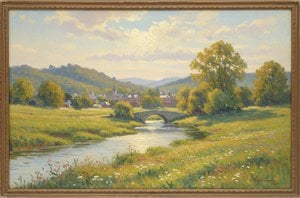
Kispiox Village
 Oil On Canvas
- WallArt
- Impressionism
 19th Century
 78.0 x 93.0 cm
 Royal BC Museum
 Rozwiń treść
Giclée / Wydruk artystyczny
Wydruki giclée lub płótna o jakości muzealnej, szybka realizacja i szeroki wybór opcji wykończenia. ( Zamów ręcznie malowaną reprodukcję Przejdź do wersji cyfrowej)




P118B zł10

P118H zł10

P118W zł10

P438Z zł10

P508JH zł12

P508YH zł12

P805H zł10

P805Z zł10

P919BZ zł10

P919G zł10

P919XJ zł10

P959ZH zł10

P968JZ zł12

W106C zł8

W218G zł10

W218JH zł8

W218Y zł10

W307PJ zł10

W316G zł10

W316PJ zł8

W316Y zł10

W398PJ zł8

W4111J zł10

W500HY zł15

W500JH zł15

W692G zł12

W849H zł8

W940BG zł15

W953PJ zł8




Wybierz spośród naszych standardowych rozmiarów, które zachowują oryginalne proporcje dzieła sztuki.

Wpisz wymaganą szerokość i wysokość, aby dopasować grafikę do ramy lub ściany. Wydruk można jedynie przyciąć, nigdy nie powiększając go poza oryginalny obraz, dlatego format o innych proporcjach spowoduje utratę części kompozycji. Przed rozpoczęciem druku prześlemy Ci cyfrowy podgląd do zatwierdzenia. Obraz wyświetlany na tej stronie nie pokazuje rzeczywistego przycięcia — jedynie podgląd oddaje ten efekt.
Dostawa na cały świat () w ciągu 2 tygodni zamiast standardowych 4/5 tygodni. (27 Październik)

Bezpłatna ekspresowa wysyłka na cały świat

Wysokiej jakości płótno lniane

Pełne ubezpieczenie przesyłki

Gwarancja zwrotu należności celnych i podatków importowych

Gwarancja wiernego odwzorowania kolorów

100-dniowa polityka zwrotów (tylko w przypadku wad)

Gwarancja 100% zwrotu pieniędzy

Zniżka przy zakupie wielu sztuk
 Opcja ze szkłem jest dostępna wyłącznie w rozmiarach poniżej 110 cm

Kispiox Village
Giclée / Wydruk artystyczny
Wymiary reprodukcji
-


Cena całkowita
zł 238
A Window Into a Changing World: Emily Carr’s Kispiox Village
Emily Carr's "Kispiox Village," painted in 1929, isn’t merely a depiction of a remote British Columbia landscape; it’s a poignant snapshot of a vanishing world – the traditional life and artistry of the Gitxsan people. The painting captures a pivotal moment, a brief window into a culture on the cusp of profound change, as documented by Carr during her extensive travels throughout the Pacific Northwest. Towering, intricately carved totem poles dominate the composition, their geometric patterns and symbolic figures anchoring the scene against the backdrop of a rugged mountain range and a small, vibrant village nestled at the river’s edge. These aren't static monuments; they are living narratives, imbued with stories passed down through generations, and Carr’s work serves as a vital record of this oral tradition. The painting’s power lies in its ability to evoke both the grandeur of the natural world and the intimate details of daily life within that landscape – the figures engaged in their tasks, the children playing, the quiet dignity of the community.Impressionistic Realism: A Hybrid Style
Carr's artistic approach is a fascinating blend of Impressionist techniques and a grounded realism rooted in her observations of Indigenous culture. The brushstrokes are loose and visible, creating a sense of movement and immediacy – capturing not just the appearance of the poles and village but also the feeling of being present within that environment. She employs broken color to create atmospheric effects, particularly in the depiction of the mountains and sky, lending an ethereal quality to the scene. Yet, unlike purely Impressionistic works focused on fleeting moments, Carr’s attention to detail – the textures of the wood, the folds of clothing, the expressions on the faces of the villagers – firmly anchors the painting within a realistic framework. This hybrid style allows her to convey both the subjective experience of witnessing this unique culture and the objective reality of its landscape. The influence of early 20th-century realism is evident in the careful rendering of forms and the use of light, while the Impressionistic touches imbue the work with a sense of vibrancy and immediacy.Symbolism Woven into the Landscape
The totem poles themselves are rich with symbolic meaning, representing clan histories, ancestral lineages, and spiritual beliefs. Carr’s painting doesn't simply depict these structures; it subtly hints at their significance through careful composition and detail. The specific figures carved onto the poles – thunderbirds, mountain ferns, human faces – each carry distinct meanings within Gitxsan cosmology. The placement of the poles within the village suggests a connection between the community and its heritage. Beyond the poles, the landscape itself is laden with symbolism. The towering mountains represent strength and permanence, while the river symbolizes life and continuity. Carr’s choice to focus on these elements speaks volumes about her understanding and respect for the culture she was documenting. The painting becomes more than a visual record; it's a meditation on the interconnectedness of people, place, and belief.A Legacy Preserved: Historical Context and Reproduction
“Kispiox Village” is inextricably linked to Emily Carr’s broader project of documenting Indigenous cultures in British Columbia during a period of rapid change. As Canada grappled with its identity and relationship with First Nations peoples, Carr sought to capture the essence of these communities before their traditions were irrevocably lost. Her work was initially met with mixed reactions – some critics dismissed her depictions as sentimental or overly romanticized, while others recognized their profound value as a visual record of a disappearing way of life. Today, Carr’s paintings are celebrated for their honesty and sensitivity, offering invaluable insights into the rich cultural heritage of British Columbia. Reproductions of “Kispiox Village” provide an accessible means to appreciate Carr's artistic vision and contribute to a deeper understanding of Gitxsan culture. When selecting a reproduction, consider the quality of materials used – archival inks on museum-grade canvas will ensure that the colors remain vibrant for generations to come, preserving the painting’s emotional impact and historical significance.Bringing Kispiox Home: Interior Design Considerations
The evocative palette of blues, greens, and browns in “Kispiox Village” lends itself beautifully to interior design. Consider incorporating these hues into a room to create a sense of tranquility and connection to nature. The painting’s vertical format works particularly well in hallways or above fireplaces, drawing the eye upwards and creating a focal point. The textured brushstrokes can be replicated through textiles – think woven rugs, linen curtains, or even tactile wall coverings – to add depth and visual interest to a space. Ultimately, “Kispiox Village” is more than just a painting; it’s a portal into another world—a reminder of the beauty, resilience, and enduring spirit of Indigenous cultures in British Columbia.Pytania i odpowiedzi
Do jakiego wnętrza polecane jest dzieło „Kispiox Village” – Emily Carr?
Dzieło „Kispiox Village” – Emily Carr jest rekomendowane do Living Room. Sugestia ta opiera się na tematyce, kolorystyce oraz nastroju pracy.
Jakie miejsce w historii sztuki zajmuje "Kispiox Village"?
Pod względem historycznym „Kispiox Village” to dzieło z nurtu Impressionism, powstałe w szerszej epoce 19th Century.
Jaki rozmiar i orientacja są zalecane dla wydruku dzieła „Kispiox Village” – Emily Carr?
W przypadku "Kispiox Village" zalecanym formatem wydruku jest rozmiar Medium w orientacji Portrait.
Podobne dzieła


Biografia artysty
Emily Carr – A Life Rooted in the Landscape and Spirit of British Columbia
Emily Carr, born December 13, 1871, in Victoria, British Columbia, was more than just a painter; she was a chronicler of a changing world, a passionate observer of both the natural majesty of the Pacific Northwest and the rich cultural heritage of its First Nations peoples. Her life unfolded against the backdrop of a rapidly evolving Canada, a nation grappling with its identity and relationship to its Indigenous populations. The daughter of Richard Carr, an English immigrant who sought opportunity in the burgeoning colony, and Emily Saunders, she grew up in a household that valued both tradition and progress. This duality would profoundly shape her artistic vision. From an early age, encouraged by her father, Emily displayed a remarkable aptitude for art, a talent nurtured through formal instruction and a deep connection to the surrounding landscape. The imposing forests of Vancouver Island, the rugged coastline, and the vibrant life within them became enduring sources of inspiration. However, it was not merely the visual beauty that captivated Carr; she sought to capture the *spirit* of this land, its inherent power and mystery.Early Years and Artistic Foundations
Emily Carr’s formative years instilled in her a profound appreciation for both English heritage and Canadian identity—a duality that would permeate her artistic worldview throughout her life. Her father, Richard Carr, was born in Crayford, Kent, England, and embarked on extensive travels across Europe, the Americas, and the Caribbean in pursuit of entrepreneurial ventures. He returned to England briefly with Emily’s mother, Emily Saunders, to savor the wealth he had amassed as a merchant in California, before establishing his family home permanently in Victoria in 1863. The Carr household was situated on Birdcage Walk (now Government Street), in the James Bay district of Victoria—a short distance from the legislative buildings (“lsquo;Birdcages’) and the town itself—and embodied the grandeur of Victorian England amidst the burgeoning frontier spirit of British Columbia. Her father’s insistence on a “Canadian education” for his daughters contrasted sharply with the prevailing social norms, shaping Emily's early understanding of cultural identity. She attended local primary and secondary schools in Victoria, prioritizing academic rigor alongside artistic exploration—a commitment that would define her lifelong pursuit of knowledge and creative expression. Carr received early art instruction at home from her father, who recognized her innate talent and fostered her passion for painting. He gifted her *The Boy’s Own Book of Natural History*, demonstrating his belief in the importance of scientific observation alongside artistic appreciation—a conviction that would inform Carr's meticulous approach to depicting landscapes and capturing the essence of Indigenous cultures. This early exposure to art instilled in her a lifelong fascination with visual representation, preparing her for the transformative experiences she would encounter during her subsequent studies abroad. Her mother’s untimely death from tuberculosis at age fourteen profoundly impacted Emily’s life trajectory—leaving her orphaned and necessitating a shift towards independent living under the guardianship of Edith Carr—a circumstance that further solidified her determination to forge her own path in pursuit of artistic fulfillment.Formal Training and European Influences
Emily Carr pursued formal art training initially at the San Francisco Art Institute (1890-1892), immersing herself in American Impressionist aesthetics before relocating to London in 1899—where she enrolled at Westminster School of Art, seeking guidance from prominent instructors and honing her artistic technique. Her time in London coincided with a burgeoning interest in European artistic currents, particularly Post-Impressionism—influences that would profoundly shape Carr’s distinctive style. She traveled extensively throughout Europe during this period, absorbing inspiration from artists such as Vincent van Gogh, Claude Monet, and Camille Pissarro—whose bold colors and expressive brushstrokes resonated deeply with Carr's own artistic sensibilities. Furthermore, she attended Meadows Studio at Bushey Hertfordshire, where she studied under John Whiteley—a pivotal encounter that solidified her commitment to mastering traditional painting methods while simultaneously experimenting with innovative techniques. These formative experiences instilled in her a disciplined approach to artmaking—one that would serve as the bedrock of her enduring legacy.The Spirit of British Columbia and Indigenous Inspiration
Carr’s artistic vision was irrevocably shaped by her unwavering connection to the landscapes and cultures of British Columbia—a region she regarded as possessing an unparalleled spiritual vitality. She returned to Victoria after completing her studies in London, establishing a studio and dedicating herself to capturing the majesty of the Pacific Northwest forests with uncompromising honesty and passion. Her paintings are characterized by bold colors, dynamic brushstrokes, and an almost visceral energy—reflecting her profound engagement with the natural world and her desire to convey its inherent power and beauty. However, Carr’s artistic exploration extended far beyond mere landscape depiction; she sought to capture the *spirit* of British Columbia—its intangible essence—through meticulous observation and expressive technique. This quest for authenticity led her to embark on numerous expeditions into remote Indigenous villages along the coast—where she documented totem poles, ceremonial rituals, and daily life with reverence and respect. These encounters profoundly impacted Carr’s artistic worldview—inspiring her to infuse her paintings with a spiritual depth that distinguished them from conventional representations of nature. Carr's exploration of First Nations culture was not merely an aesthetic endeavor; it represented a genuine commitment to preserving Indigenous traditions and documenting their unique worldview—a conviction that fueled her tireless efforts to capture the essence of Northwest Coast art and spirituality. Her paintings stand as powerful testimonies to this cultural engagement—reflecting her profound understanding of symbolism, mythology, and the interconnectedness between humans and nature. As she matured, Carr’s artistic style evolved—embracing abstraction while retaining a steadfast connection to her formative experiences—solidifying her position as one of Canada's most innovative and influential modernist painters. Her legacy continues to inspire artists today—serving as a reminder of the transformative power of observation, experimentation, and unwavering devotion to artistic vision. ## Major Works- Tanoo (watercolor): A delicate yet powerful depiction of First Nations life, showcasing Carr’s mastery of watercolor techniques.
- A Haida Village (oil): A striking oil painting that captures the architectural grandeur and spiritual significance of a Haida village.
- The Indian Church (oil): A poignant representation of the intersection between Indigenous culture and Christian missionary influence, reflecting Carr’s complex engagement with colonial history.
- Kispiox Village (oil): An iconic painting that embodies Carr's unique style and her deep connection to the landscapes and communities of British Columbia.

Emily Carr
1871 - 1945 , Kanada
Krótka nota
- Artistic Movement Or Style: Modernism, Post-Impressionism
- Artists Or Movements Influenced By This Artist: ['Pegi Nicol Macleod']
- Date Of Birth: Dec 13, 1871
- Date Of Death: Mar 2, 1945
- Full Name: Emily Carr
- Nationality: Canadian
- Notable Artworks:
- Tanoo
- A Haida Village
- The Indian Church
- Place Of Birth: Victoria, Canada
Powiązane artykuły

Evocations of Place: A Historical Journey Through Landscape Art
Explore the rich history of landscape art with ArtsDot. Discover renowned artists, movements like Impressionism & Romanticism, and expert guidance for collecting timeless pieces. Find your perfect serene escape today!

Thomas Thomson: Pioneering Canadian Landscape & the Pursuit of National Identity
Explore the evocative landscapes of Tom Thomson, a pivotal figure in Canadian art & precursor to the Group of Seven. Discover his bold style, lasting legacy, and profound impact on shaping a national artistic identity.

Romantyczny Krajobraz w Malarstwie: 10 Arcydzieł, Które Zdefiniowały Epokę | ArtsDot.com
Odkryj 10 arcydzieł romantyzmu w malarstwie! Poznaj historie Caspara Davida Friedricha, Turnera i innych mistrzów. Inspiracje wnętrzarskie & reprodukcje obrazów najwyższej jakości na ArtsDot.com. Eksploruj kolekcję online!
Henry Marvell Carr: A Study in American Impressionism's Evolving Landscape of Light and Form
Explore the captivating work of Henry Marvell Carr, a pivotal figure in American Impressionism. Discover his evocative realism, war art, and cultural depictions – a journey through light, form, and legacy.

John Constable: 25 Najlepszych Obrazów Mistrza Angielskiego Krajobrazu | ArtsDot
Odkryj 25 arcydzieł Johna Constable'a – mistrza angielskiego krajobrazu! Poznaj romantyczne pejzaże, technikę malarską i inspiracje z Dedham Vale. Reprodukcje obrazów najwyższej jakości na ArtsDot.com. Eksploruj pełną kolekcję online!

