

 Podgląd w skali
 Wyślij jako kartkę
 Udostępnij
 Szczegóły dzieła

 Pobierz
 Podobne obiekty
 RTG
RTG Pokaz slajdów
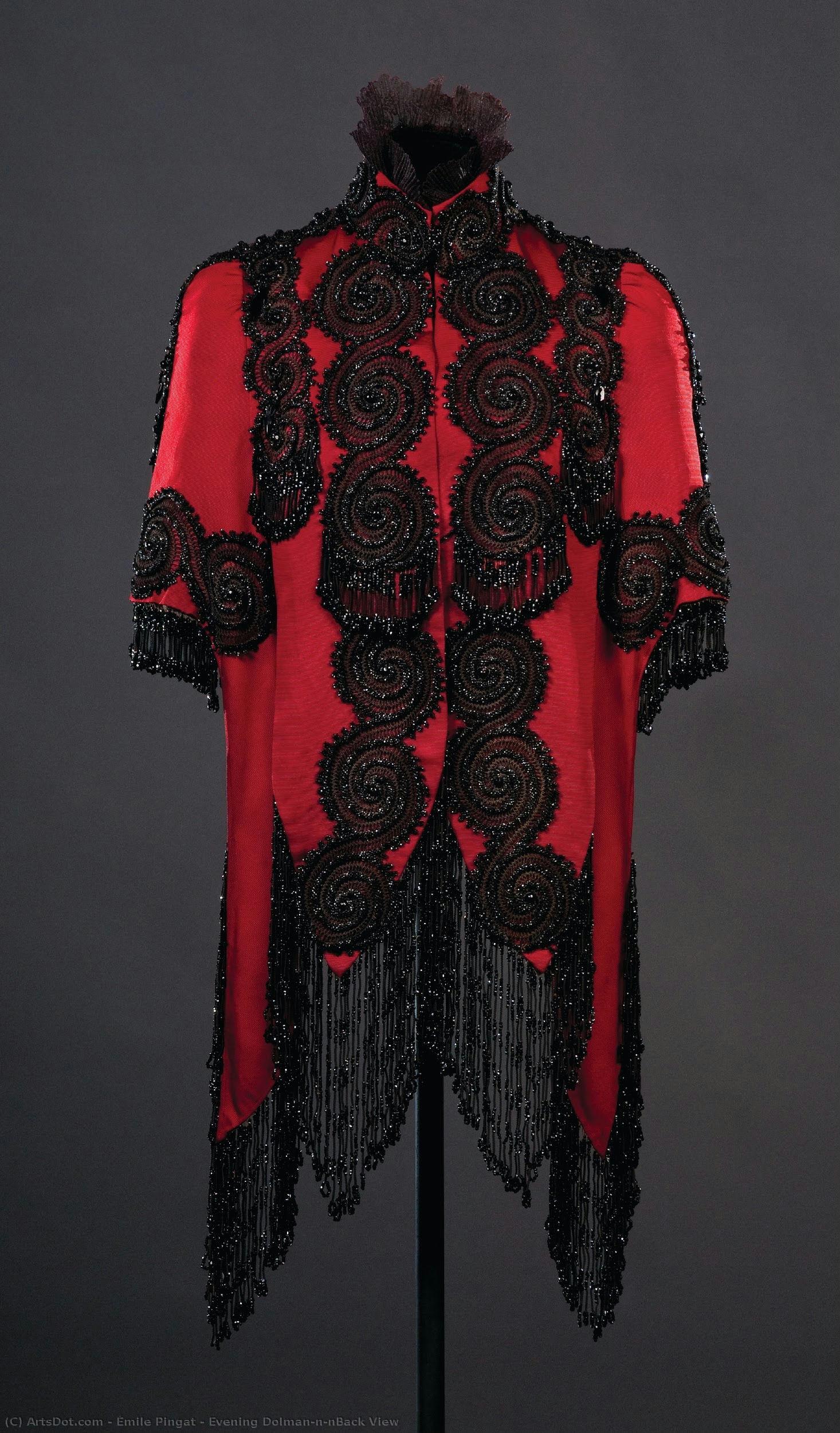
Evening Dolman\n\nBack View

 Rozwiń treść
Ręcznie malowana reprodukcja olejowa
Ręcznie malowany obraz olejny na płótnie, wykonany na zamówienie przez naszych artystów w wybranym przez Ciebie wymiarze i oprawie. ( Zamów wydruk Kup obraz wysokiej rozdzielczości)




































Wybierz spośród naszych standardowych rozmiarów, które zachowują oryginalne proporcje dzieła sztuki.

Możesz wprowadzić własne wymiary, aby dopasować obraz do konkretnej ramy lub przestrzeni. Jeśli wybrany rozmiar nie będzie odpowiadał proporcjom oryginału, przytniecie dzieło sztuki lub rozszerzymy je o dodatkowe elementy, ręcznie domalowane przez artystę. Przed rozpoczęciem produkcji wyślemy projekt cyfrowy do Twojej akceptacji.
Należy pamiętać, że podgląd na ekranie nie odzwierciedla rzeczywistego przycinania ani rozszerzania obrazu. Tylko projekt dokładnie pokaże ostateczną kompozycję.
Choć oferujemy możliwość zamówienia niestandardowych rozmiarów, zalecamy wybór wymiaru z gotowej listy, aby zachować oryginalne proporcje dzieła.
Po złożeniu zamówienia zespół ArtsDot.com skontaktuje się z klientem drogą mailową w celu uzyskania instrukcji i prześle wizualizację projektu
Dostawa na całym świecie () w ciągu 3–4 tygodni zamiast standardowych 5 tygodni. (17 Sierpień). Bez kompromisów w kwestii jakości.

Bezpłatna ekspresowa wysyłka na cały świat

Wysokiej jakości płótno lniane

Pełne ubezpieczenie przesyłki

Gwarancja zwrotu należności celnych i podatków importowych

Gwarancja wiernego odwzorowania kolorów

Polityka 60-dniowego zwrotu (tylko w przypadku wad)

Gwarancja 100% zwrotu kosztów

Zniżka przy zamówieniu wielu produktów
 Opcja ze szkłem jest dostępna wyłącznie w rozmiarach poniżej 110 cm

Evening Dolman\n\nBack View
Technika reprodukcji
Wymiary reprodukcji
-


Cena całkowita
$ 263
Opis dzieła
Podobne dzieła


O artyście
Benjamin West: Bridging America and the Neoclassical Ideal
Born in Springfield, Pennsylvania, in 1738 – a location now recognized as Swarthmore – Benjamin West’s life was one of remarkable transatlantic movement and artistic evolution. His early years were marked by an unconventional education, largely self-taught thanks to his parents' encouragement and a keen eye for observation. Unlike many artists of the era who pursued formal training in Europe, West honed his skills through direct engagement with the natural world, learning about pigments from Native Americans and developing a foundational understanding of art through independent study. This unique upbringing shaped his artistic approach – one characterized by a remarkable ability to capture both the grandeur of historical events and the subtle nuances of human emotion.
West’s journey began in America, where he quickly established himself as a successful portraitist. However, a pivotal decision in 1760 led him to Italy, a land that would profoundly influence his artistic development. He spent nearly a decade immersed in the burgeoning Neoclassical movement, studying under influential figures like Gavin Hamilton and Anton Raphael Mengs. This period wasn’t merely about technical skill; it was a transformative experience that instilled in West a deep appreciation for classical ideals – order, reason, and the heroic narrative – which he would later integrate into his own work.
The Rise of a Royal Painter
Returning to London in 1763, West swiftly ascended through the ranks of the British art world. His charisma, combined with his demonstrated talent and connections, quickly secured him patronage from influential figures, including King George III. In 1768, he was admitted as a founding member of the Royal Academy – an unprecedented honor for an American artist at that time – and subsequently appointed as the court’s historical painter in 1772. This position afforded him unparalleled access to royal commissions and established him as one of the most prominent artists in England.
West's success was largely due to his ability to translate Neoclassical principles into compelling narratives. His masterpiece, *The Death of Nelson* (1789), exemplifies this skill. The painting’s dramatic composition, meticulous detail, and realistic portrayal of the heroic figure captivated audiences and cemented West’s reputation as a master of historical painting. Similarly, *The Death of General Wolfe* (1770) was revolutionary for its depiction of contemporary costume – a bold departure from traditional historical paintings that relied on idealized or mythological figures. This work demonstrated West's willingness to experiment and push the boundaries of artistic convention.
A Legacy of Students and Innovation
West’s studio became a crucible for artistic talent, attracting a remarkable cohort of students – including John Trumbull, Gilbert Stuart, Charles Willson Peale, and Thomas Sully. He generously shared his knowledge and experience with these aspiring artists, fostering a generation of painters who would go on to shape the course of American art. His influence extended beyond mere instruction; he encouraged them to embrace historical subjects and develop their own distinct artistic voices.
Beyond portraiture and grand historical scenes, West’s later works reveal a growing interest in Romanticism. Paintings like *Saul and the Witch of Endor* (1777) showcase a dramatic use of light and shadow, heightened emotion, and a focus on individual character – characteristics that would become hallmarks of the Romantic movement. His final masterpiece, *Death on the Pale Horse* (1817), further solidified his position as a pioneer in this evolving artistic style.
Historical Significance and Enduring Influence
Benjamin West’s career represents a crucial bridge between American and European art history. He was the first American artist to achieve international recognition, paving the way for future generations of American painters who sought to establish themselves on the global stage. His innovative approach to historical painting – blending Neoclassical ideals with contemporary realism and dramatic storytelling – profoundly influenced his contemporaries and continues to resonate today.
West’s legacy extends beyond his individual works; he played a vital role in shaping the Royal Academy, fostering artistic exchange between America and Europe, and leaving behind a wealth of students who carried on his artistic vision. He remains a significant figure in art history, celebrated for his talent, ambition, and enduring contribution to the development of both American and European painting.

émile pingat
1820 - 1905 , France
Krótka nota
- Artistic Movement Or Style: Neoclassical, Romantic
- Artists Or Movements Influenced By This Artist:
- Copley
- Allston
- Artists Who Influenced This Artist: ['Benjamin West']
- Date Of Birth: 10 Oct 1738
- Date Of Death: 11 Mar 1820
- Full Name: Benjamin West
- Nationality: American
- Notable Artworks:
- Death of Wolfe
- Treaty of Paris
- Agrippina Landing
- Place Of Birth: Springfield, PA

