


Obraz dostosowuje się do Twoich wyborów: , .
Opis obiektu
Experience the raw emotion of Emil Nolde's 'Dancer and Reclining Man.' This Expressionist masterpiece bursts with bold colors & dynamic forms, capturing a moment of performance and contemplation.
 Rozwiń treść
Biografia artysty
"meta_description": "Emil Nolde – niemiecki ekspresjonista znany z intensywnych kolorów, emocjonalnych krajobrazów i symbolicznych obrazów religijnych. Jego twórczość to połączenie tradycji i nowoczesności, a jego dzieła są kluczowe dla historii sztuki XX wieku."
Ręcznie malowana reprodukcja olejowa
Ręcznie malowany obraz olejny na płótnie, wykonany na zamówienie przez naszych artystów w wybranym przez Ciebie wymiarze i oprawie. ( Przełącz na wydania drukowane Przejdź do wersji cyfrowej)
Więcej o tym obrazie
 Podgląd w skali 1:1
 Wyślij jako kartkę
 Udostępnij
 Szczegóły dzieła
 Przewodnik

 Pobierz obraz
 Podobne obiekty
 RTG
RTG Pokaz slajdów
 Pytania i odpowiedzi
 Statystyki
Zamów swój obraz w czterech prostych krokach
Nie spiesz się. Możesz zmienić każdą odpowiedź; cena w Twoim koszyku będzie aktualizowana po każdym wyborze.
1 Pierwszy z czterech kroków
Który rozmiar wybierasz?
Te rozmiary zachowują proporcje oryginalnego obrazu. Rysunek przedstawia wybrany przez Ciebie format na ścianie, nad dwumetrową sofą.
lub podaj własne wymiary
Wybierz spośród naszych standardowych rozmiarów, które zachowują oryginalne proporcje dzieła sztuki.

Wpisz wymaganą szerokość i wysokość, aby obraz pasował do Twojej ramy lub ściany. Ponieważ jest to dzieło malowane ręcznie, w przypadku rozmiaru o innych proporcjach artysta może domalować nieco więcej wokół obrazu lub przyciąć jego fragmenty — wybór należy do Ciebie. Przed rozpoczęciem pracy prześlemy Ci cyfrową wizualizację do zatwierdzenia. Obraz widoczny na tej stronie nie przedstawia rzeczywistego efektu — jedynie wizualizacja oddaje realny rezultat.
2 Drugi z czterech kroków
W jaki sposób przygotować dzieło: w formie tuby, na krosnach czy w ramie?
Poniższe ceny dotyczą rozmiaru wybranego w pierwszym kroku.
Wybierz krawędzie płótna naciągniętego na ramę
Wybierz ramę

Białe krawędzie zł1

rozmyte krawędzie zł1

Przedłużony zł1

P118B zł10

P118H zł10

P118W zł10

P438Z zł10

P508JH zł12

P508YH zł12

P805H zł10

P805Z zł10

P919BZ zł10

P919G zł10

P919XJ zł10

P959ZH zł10

P968JZ zł12

W106C zł8

W218G zł10

W218JH zł8

W218Y zł10

W307PJ zł10

W316G zł10

W316PJ zł8

W316Y zł10

W398PJ zł8

W4111J zł10

W500HY zł15

W500JH zł15

W692G zł12

W849H zł8

W940BG zł15

W953PJ zł8

H24-GOLD zł30

H24-SILVER zł30

H36-GOLD zł45

H36-SILVER zł45
W oprawie
Profil: . Wymiar całkowity w ramie: .
3 Trzeci z czterech kroków
Czy chcieliby Państwo wprowadzić jakieś zmiany w obrazie?
Większość osób odpowiada przecząco. Ponieważ każdy obraz jest tworzony ręcznie, nasz artysta może również dostosować go do Twoich potrzeb.
Po złożeniu zamówienia zespół ArtsDot.com skontaktuje się z klientem drogą mailową w celu uzyskania instrukcji i prześle podgląd projektu
4 Krok czwarty z czterech
Kilka opcji wykończenia
Wszystkie są opcjonalne. Wybrane już odpowiedzi nie wiążą się z żadnymi dodatkowymi kosztami.
Kto jest autorem?
Dostawa na całym świecie () w ciągu 3–4 tygodni zamiast standardowych 5 tygodni. (6 Listopad). Bez kompromisów w kwestii jakości.
Tabliczka informacyjna, jak w muzeum?
Szczegóły grawerowanej brązowej tabliczki
This elegant plaque features the artist's name and the title of the artwork, finely engraved for a timeless presentation.
It is made from bronze with a refined, elegant finish. The text is precisely laser-engraved for a sharp and permanent result. Measuring 9x2 cm, the plaque is compact yet easy to read. It's built to be durable and scratch-resistant, offering a professional, museum-quality look. Mounting is simple thanks to the included adhesive backing.
Szczegóły przezroczystej tabliczki akrylowej
The plaque includes essential engraved details such as the artist's name, the title of the artwork, the date it was created, the type of media used-like oil on canvas or watercolor-a brief description of the piece, and a QR code that links to the complete artwork information.
It is crafted from clear acrylic, offering a sleek, modern appearance. The text is UV-engraved in black to ensure strong visual contrast. With a size of 10x15 cm, it ensures optimal readability. It comes equipped with two metal hooks for secure wall mounting. The plaque is designed to be weather-resistant, making it suitable for various environments, and it includes interactive features that work seamlessly with smartphone scanning.
Szczegóły czarnej tabliczki akrylowej
This elegant plaque includes engraved information such as the artist's name, the title of the artwork, the date it was created, the type of media used (like oil on canvas or watercolor), a short description of the artwork, and a QR code for quick access to more information.
The plaque itself is made from refined black acrylic with a premium finish. The text is laser-engraved in white for high contrast and readability. Its size is 10x15 cm, designed to be easy to read. It comes with two metal hooks for professional mounting. The design is sleek and fits any interior style. It is also weather-resistant and durable, with built-in digital integration for mobile compatibility.
Werniks ochronny?
Kiedy potrzebujesz dostawy?
✓ Sprawdź i zamów
Twoje dzieło, dokładnie tak, jak zamówiłeś

Dancer and Reclining Man
Technika reprodukcji
Wymiary reprodukcji
-

Wybitny mistrz artystyczny
Większa szczegółowość, finezja i dodatkowy czas na realizację
-

Opcje oprawy reprodukcji
-
-
W przypadku dzieł sztuki lub reprodukcji, których którykolwiek z boków przekracza 105 cm (około 41 cali), rama zostanie wysłana w formie zestawu do samodzielnego montażu. Metoda ta zapewnia bezpieczną dostawę i zapobiega uszkodzeniom podczas transportu.
Wymagany profesjonalny montaż – nie jest to produkt typu DIY.
Zestaw musi zostać złożony, a płótno naciągnięte przez doświadczonego profesjonalnego ramiarza, przy użyciu kleju do drewna (brak w zestawie), kleszczy do naciągania płótna oraz ścisków, które utrzymają krosna w równej pozycji podczas schnięcia kleju. Nieprawidłowy montaż lub nierównomierne napięcie płótna może trwale uszkodzić dzieło sztuki i nie podlega naszej gwarancji.
 W przypadku dzieł sztuki lub reprodukcji, których którykolwiek z boków przekracza 105 cm (około 41 cali), rama zostanie wysłana w formie zestawu do samodzielnego montażu. Metoda ta zapewnia bezpieczną dostawę i zapobiega uszkodzeniom podczas transportu.
W zestawie znajdują się wszystkie listwy z litego drewna, precyzyjnie docięte do wymiarów.
Montaż odbywa się przy użyciu dołączonych wkrętów oraz kleju do drewna do łączenia narożników, którego zestaw nie zawiera i który musi zostać dostarczony przez ramiarza.
Wymagane są profesjonalne narzędzia, których nie ma w zestawie: kleszcze do naciągania płótna (napinacz) oraz zaciski, które pozwolą utrzymać listwy w równej pozycji podczas schnięcia kleju.
Ważne:
Do połączenia narożników niezbędny jest klej do drewna, listwy należy unieruchomić za pomocą ścisków do momentu całkowitego wyschnięcia kleju, a naciągnięcie płótna na złożoną ramę wymaga użycia kleszczy do naciągania płótna. Żaden z tych elementów nie jest dołączony do zestawu. Przed zamówieniem tego rozmiaru zalecamy konsultację z doświadczonym ramiarzem.

Etykieta obiektu
-
-

Lakier ochronny
Lakier z połyskiem (pogłębia kolory, chroni przed światłem i wilgocią)
-

Personalizacja dzieła
Przykłady możliwości personalizacji: zastąp twarz zdjęciem klienta; dodaj zwierzę domowe (np. zamień kota na psa); umieść ukrytą wiadomość w tle; zmień krajobraz lub elementy tła.
-

Ekspresowa
Dostawa na cały świat () w ciągu 3–4 tygodni zamiast standardowych 5 tygodni. (6 Listopad). Bez kompromisów w kwestii jakości.
-
Przesyłka ekspresowa
Dostawa na cały świat () w ciągu 5 tygodni. (13 Listopad).
W cenie
Cena całkowita
zł 1126
Opcja ze szkłem jest dostępna wyłącznie w rozmiarach poniżej 110 cm
W każdym zamówieniu
- Bezpłatna ekspresowa wysyłka na cały świat
- Wysokiej jakości płótno lniane
- Pełne ubezpieczenie przesyłki
- Gwarancja zwrotu należności celnych i podatków importowych
- Gwarancja wiernego odwzorowania kolorów
- 100-dniowa polityka zwrotów (tylko w przypadku wad)
- Gwarancja 100% zwrotu pieniędzy
- Zniżka przy zakupie wielu sztuk


Dancer and Reclining Man by Emil Nolde: An Expressionist Exploration of Form and Emotion
- Artist: Emil Nolde (Hans Emil Hansen)
- Birth Year: 1867
- Death Year: 1956
- Origin: Germany
A Glimpse into Nolde's Expressionist Vision
“Dancer and Reclining Man,” created by Emil Nolde around 1938-1945, is a striking example of his mature Expressionist style. This artwork isn’t merely a depiction of two figures; it's an exploration of human emotion and psychological depth conveyed through bold colors, simplified forms, and dynamic brushwork. Nolde, a key figure in the German Expressionist movement and initially associated with Die Brücke, sought to express inner feelings rather than represent external reality faithfully. This piece exemplifies that pursuit.
Composition, Color, and Technique: A Symphony of Emotion
The composition is deliberately simple yet powerful. The dancer dominates the scene, positioned centrally and slightly elevated above a reclining man. This arrangement creates a sense of immediacy and draws the viewer's eye directly to the interaction between these two figures. Nolde employs a vibrant color palette dominated by yellows, purples, blues, and greens. Yellow is used extensively on both figures, creating a striking contrast against the cooler tones of the background. The loose application of paint, likely using watercolor or gouache, contributes to the artwork’s raw energy. Lines are not precisely defined; instead, they are suggested through brushstrokes and color transitions, blurring the outlines of the figures and enhancing their expressive quality. Angular lines further amplify the sense of movement and dynamism within the composition.
Symbolism and Historical Context: A Reflection of Inner Turmoil
Created during a turbulent period in German history – the years leading up to and including World War II – “Dancer and Reclining Man” carries an undercurrent of emotional intensity. While the exact meaning remains open to interpretation, the distorted forms and bold colors suggest underlying tensions or anxieties. The dancer’s energetic pose contrasts with the reclining man's relaxed state, potentially symbolizing a duality between action and contemplation, performance and repose. Nolde himself faced persecution by the Nazi regime, who deemed his work "degenerate art," and banned him from painting. Despite this adversity, he continued to create, often in secret, producing works like this one that resonate with profound emotional depth.
The Enduring Legacy of Nolde's Expressionism
“Dancer and Reclining Man” is a testament to Emil Nolde’s unique artistic vision. It encapsulates the core tenets of Expressionism – prioritizing subjective experience and emotional expression over realistic representation. This artwork, with its bold colors, simplified forms, and raw energy, continues to captivate viewers and serves as a powerful reminder of the artist's ability to convey complex emotions through visual language. Owning a hand-painted reproduction allows you to bring this evocative piece into your home or office, experiencing firsthand the emotional power of Nolde’s Expressionist masterpiece.
Pytania i odpowiedzi
Jaki jest format dzieła "Dancer and Reclining Man"?
„Dancer and Reclining Man” – Emil Nolde to kompozycja w formacie Portrait. Warto sprawdzić proporcje przed wyborem rozmiaru wydruku.
Do którego okresu twórczości Emil Nolde należy dzieło "Dancer and Reclining Man"?
„Dancer and Reclining Man” pochodzi z okresu Mature Period w twórczości Emil Nolde. Klasyfikacja ta wiąże dzieło z rozwojem artysty.
Co przedstawia "Dancer and Reclining Man"?
Tematyka dzieła "Dancer and Reclining Man" to dancer, reclining man, expressionism, figures, emotion, color, dynamic, performance.
Podobne dzieła


Emil Nolde
1867 - 1956, Niemcy
Biografia artysty
Early Life and Artistic Beginnings
Emil Nolde, a name synonymous with vibrant expressionism, was born Hans Emil Hansen on August 7th, 1867, in the small village of Nolde, nestled within the Schleswig-Holstein region of Germany. His origins were deeply rooted in rural life – his family’s livelihood intertwined with woodcarving and furniture craftsmanship, traditions that would subtly shape his artistic sensibilities. Despite initial reservations from his parents, who envisioned a more conventional path for their son, young Hans Emil possessed an unyielding passion for art, a burning desire to translate the world within him onto canvas. He began his artistic journey as a humble wood carver, honing his skills in shaping and manipulating natural materials – a foundation that would later inform his bold use of texture and form. It wasn’t until his late twenties that he truly dedicated himself to painting, embarking on a path of self-education fueled by an insatiable curiosity and a profound need to express the emotions swirling within him.Artistic Development and Influences
Nolde's artistic evolution was marked not by formal training but by a relentless pursuit of knowledge and experience. He embarked on extensive travels, immersing himself in diverse cultures and absorbing the artistic currents flowing through Europe at the turn of the century. Early influences were strikingly eclectic – he found inspiration in the raw emotion of Vincent van Gogh’s brushstrokes, the evocative landscapes of Paul Gauguin's Tahiti, and the powerful symbolism embedded within traditional folk art, particularly the expressive masks and carvings prevalent in rural communities. These encounters ignited a desire to break free from academic constraints and explore a more subjective, emotionally charged approach to painting. Initially experimenting with Realism and Impressionism, Nolde quickly recognized that these styles lacked the depth and intensity he sought to convey. He began to prioritize color, distortion, and the raw expression of inner feelings – laying the groundwork for his distinctive style.Die Brücke and Expressionist Breakthrough
In 1905, a pivotal moment arrived in Nolde’s artistic life: he co-founded Die Brücke (The Bridge), a groundbreaking group of German Expressionist artists. This collective, comprised of like-minded individuals, sought to dismantle the rigid conventions of the art establishment and forge a new path rooted in emotional honesty and radical experimentation. Die Brücke aimed to capture the anxieties and uncertainties of modern life through bold colors, distorted forms, and unsettling imagery. Nolde’s contribution to the group was significant; his intense use of color – often jarringly juxtaposed – and his willingness to distort reality pushed the boundaries of representation, challenging viewers to confront their own perceptions. However, despite his vital role within Die Brücke, Nolde maintained a degree of independence, frequently diverging in subject matter and stylistic approach, reflecting his unique artistic vision.Key Themes and Artistic Style
Nolde’s oeuvre is characterized by recurring motifs that reveal the depth of his emotional landscape: religious scenes brimming with drama and symbolism, evocative landscapes capturing the raw beauty of nature, turbulent seascapes mirroring inner turmoil, and poignant portraits revealing glimpses into human psychology. A particularly compelling element of his work is his fascination with masks – both as physical objects imbued with ritual significance and as symbolic representations of primal emotions and hidden identities. His artistic style is instantly recognizable: a vibrant palette dominated by intense reds, blues, and yellows; distorted forms that prioritize emotional impact over realistic depiction; and an impasto technique—a thick application of paint creating a tactile surface brimming with energy. Nolde’s paintings are not merely representations of the world but rather visceral expressions of his inner experience.Notable Works and Historical Significance
Throughout his prolific career, Nolde created a vast body of work that continues to captivate audiences today. Some of his most celebrated paintings include Masks (1906-1907), a series exploring the power of primitive art; The Mocking of Christ (1909), a profoundly moving depiction of religious suffering; and Autumn Sea (1908), a breathtaking landscape capturing the drama of a stormy coastline. His *Dance around the Golden Calf* (1909) is another powerful example of his ability to convey intense emotion through distorted forms and vibrant color. Despite facing criticism and censorship during the rise of the Nazi regime – his work was deemed “degenerate” and removed from museums – Nolde remained steadfast in his artistic convictions, producing a remarkable body of watercolor paintings during this period, hidden away in secret. His legacy as one of Germany’s most important Expressionist painters endures, inspiring artists with his bold experimentation, emotional intensity, and unwavering commitment to authentic self-expression.
Powiązane artykuły

Ekspresjonizm: 10 Arcydzieł, Które Zdefiniowały Ruch – Obrazy i Dekoracje ArtsDot.com
Poznaj 10 arcydzieł ekspresjonizmu! Odkryj historie Muncha, Kirchnera i innych artystów tego przełomowego ruchu. Reprodukcje obrazów najwyższej jakości – inspiracje do wnętrz na ArtsDot.com. Eksploruj kolekcję online!
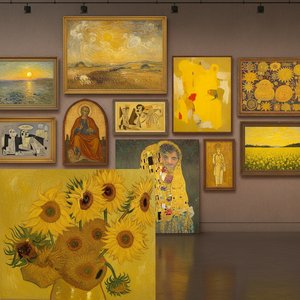
Top 10 Arcydzieł w Odcieniach Chromowej Żółci – Inspiracje do Wnętrz od ArtsDot
Odkryj 10 arcydzieł sztuki, w których króluje chromowa żółć! Van Gogh, Monet, Renoir i inni mistrzowie. Inspiracje wnętrzarskie i reprodukcje obrazów najwyższej jakości na ArtsDot.com. Eksploruj pełną kolekcję online!

10 Arcydzieł Ekspresjonizmu Niemieckiego, Które Zdefiniowały Epokę | ArtsDot
Poznaj 10 arcydzieł ekspresjonizmu niemieckiego – od Kirchnera po Muncha. Odkryj historię, emocje i techniki tych ikonicznych dzieł sztuki. Reprodukcje najwyższej jakości na ArtsDot.com. Eksploruj kolekcję online!