

 Podgląd w skali
 Wyślij jako kartkę
 Udostępnij
 Szczegóły dzieła

 Pobierz
 Podobne obiekty
 RTG
RTG Pokaz slajdów
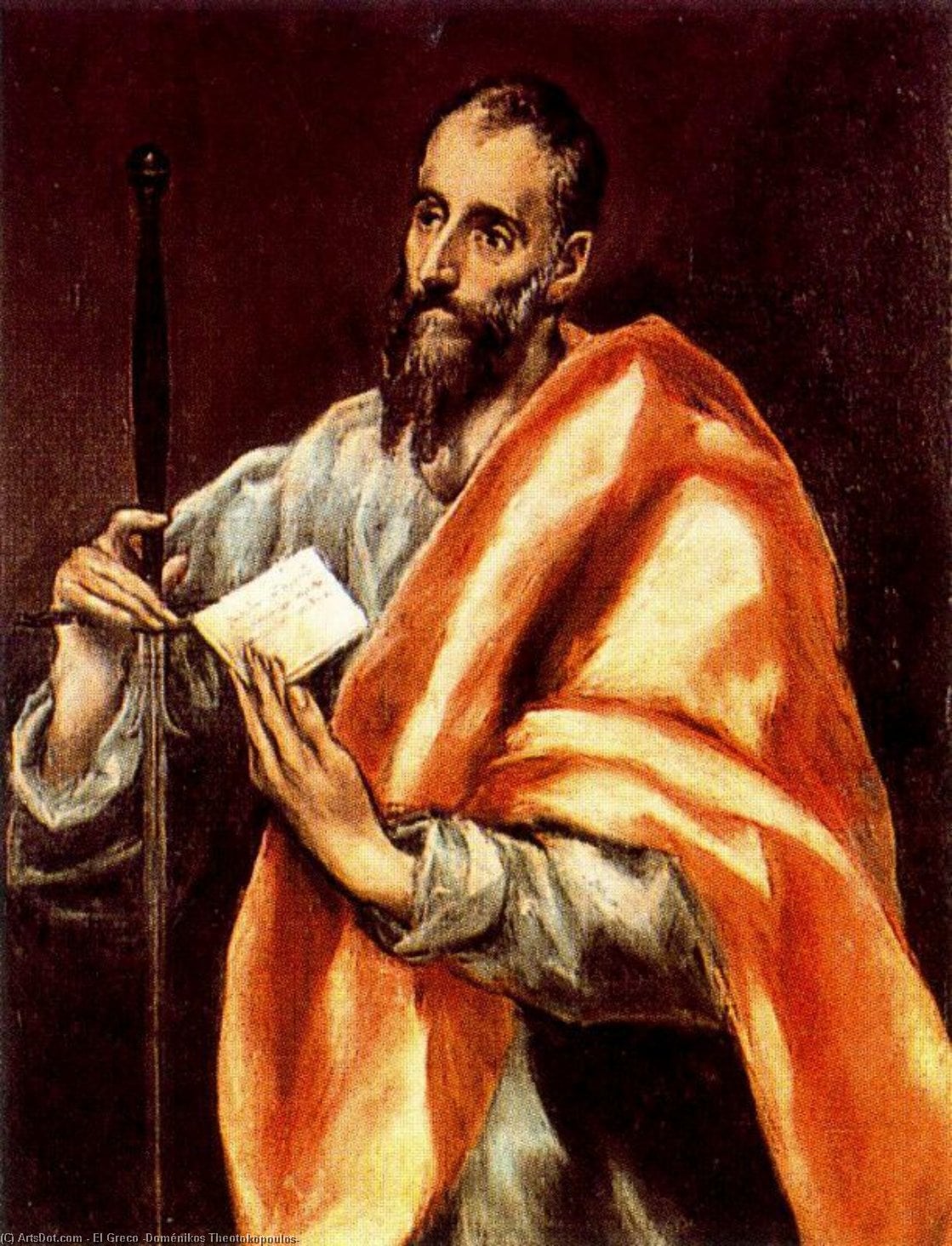
San Pablo1


 Rozwiń treść
Ręcznie malowana reprodukcja olejowa
Ręcznie malowany obraz olejny na płótnie, wykonany na zamówienie przez naszych artystów w wybranym przez Ciebie wymiarze i oprawie. ( Zamów wydruk Kup obraz wysokiej rozdzielczości)




P118B $10

P118H $10

P118W $10

P438Z $10

P508JH $12

P508YH $12

P805H $10

P805Z $10

P919BZ $10

P919G $10

P919XJ $10

P959ZH $10

P968JZ $12

W106C $8

W218G $10

W218JH $8

W218Y $10

W307PJ $10

W316G $10

W316PJ $8

W316Y $10

W398PJ $8

W4111J $10

W500HY $15

W500JH $15

W692G $12

W849H $8

W940BG $15

W953PJ $8




Wybierz spośród naszych standardowych rozmiarów, które zachowują oryginalne proporcje dzieła sztuki.

Możesz wprowadzić własne wymiary, aby dopasować obraz do konkretnej ramy lub przestrzeni. Jeśli wybrany rozmiar nie będzie odpowiadał proporcjom oryginału, przytniecie dzieło sztuki lub rozszerzymy je o dodatkowe elementy, ręcznie domalowane przez artystę. Przed rozpoczęciem produkcji wyślemy projekt cyfrowy do Twojej akceptacji.
Należy pamiętać, że podgląd na ekranie nie odzwierciedla rzeczywistego przycinania ani rozszerzania obrazu. Tylko projekt dokładnie pokaże ostateczną kompozycję.
Choć oferujemy możliwość zamówienia niestandardowych rozmiarów, zalecamy wybór wymiaru z gotowej listy, aby zachować oryginalne proporcje dzieła.
Po złożeniu zamówienia zespół ArtsDot.com skontaktuje się z klientem drogą mailową w celu uzyskania instrukcji i prześle wizualizację projektu
Dostawa na całym świecie () w ciągu 3–4 tygodni zamiast standardowych 5 tygodni. (17 Sierpień). Bez kompromisów w kwestii jakości.

Bezpłatna ekspresowa wysyłka na cały świat

Wysokiej jakości płótno lniane

Pełne ubezpieczenie przesyłki

Gwarancja zwrotu należności celnych i podatków importowych

Gwarancja wiernego odwzorowania kolorów

Polityka 60-dniowego zwrotu (tylko w przypadku wad)

Gwarancja 100% zwrotu kosztów

Zniżka przy zamówieniu wielu produktów
 Opcja ze szkłem jest dostępna wyłącznie w rozmiarach poniżej 110 cm

San Pablo1
Technika reprodukcji
Wymiary reprodukcji
-


Cena całkowita
$ 263
Opis dzieła
The Spiritual Intensity of El Greco’s Saint Paul
In the twilight of his illustrious career, Doménikos Theotokópoulos, known eternally as El Greco, produced works that transcended the boundaries of mere portraiture to touch the very essence of the divine. His painting, San Pablo1, serves as a profound testament to this spiritual mastery. This piece is not simply a depiction of an apostle; it is a window into the psychological and theological depth of the late Mannerist period. The figure of Saint Paul emerges from the shadows with a commanding presence, his weathered face and contemplative gaze inviting the viewer into a silent dialogue of faith. Through the masterful use of chiaroscuro, El Greco directs our eyes to the interplay of light upon the saint's features, creating a sense of movement and life that feels both grounded in reality and elevated by grace.
The composition is a masterclass in the Mannerist tradition, where the artist deliberately moves away from the rigid anatomical perfection of the High Renaissance to embrace a more expressive, elongated form. In San Pablo1, we see this through the subtle stretching of the figure and the dramatic, sweeping folds of his crimson robe. The vibrant red of the drapery does more than provide a splash of color; it symbolizes the passion and the blood of the martyr, anchoring the saint's earthly suffering to his heavenly mission. As the light catches the edges of the fabric, it creates a rhythmic energy that guides the viewer through the painting, ensuring that the eye never rests but continues to wander through the textures of cloth and skin.
A Legacy of Light and Shadow
To behold this work is to experience the unique synthesis of cultures that defined El Greco’s life. Having been shaped by the iconographic traditions of his native Crete, the humanist ideals of Italy, and the fervent religious atmosphere of Toledo, Spain, the artist possessed a toolkit unlike any of his contemporaries. In this portrait, the Byzantine influence is felt in the meticulous attention to symbolic detail, while the Italian influence manifests in the dramatic, sculptural quality of the light. This fusion results in an emotional impact that is both unsettling and deeply comforting—a hallmark of El particular genius.
For the discerning collector or interior designer, a reproduction of San Pablo1 offers more than just aesthetic beauty; it brings a sense of historical gravity and intellectual depth to a space. The painting’s neutral background ensures that it can integrate seamlessly into diverse environments, from classical studies to modern, minimalist galleries, acting as a focal point that commands attention without overwhelming the room. It is a piece designed for contemplation, perfect for those who seek to surround themselves with art that speaks of resilience, wisdom, and the enduring power of the human spirit.
Podobne dzieła


O artyście
Doménikos Theotokópoulos – El Greco: A Life Forged in Faith and Fire
Doménikos Theotokópoulos, universally known as El Greco – “the Greek” – stands apart from his contemporaries as a painter whose artistic journey transcended conventional boundaries. Born in Crete, Greece (1541), under Venetian rule, his life was marked by both intellectual curiosity and unwavering devotion to Orthodox Christianity—a duality that profoundly shaped his distinctive style and enduring legacy. He wasn’t merely responding to the artistic currents of his time; he actively wrestled with them, synthesizing Byzantine traditions with Renaissance innovations into a visual language utterly his own. This singular vision anticipated the expressive fervor of Expressionism and the fragmented perspectives of Cubism centuries later, cementing his place as a pivotal figure in European art history.Early Training and Venetian Influences
El Greco’s formative years were spent honing his skills within the Byzantine artistic milieu—a tradition characterized by meticulous detail, symbolic representation, and profound spiritual contemplation. He studied under Antonios Pizzorno, a Venetian artist who instilled in him a disciplined approach to technique and an appreciation for classical ideals. Recognizing the dynamism of Venetian painting – particularly the works of Titian, Tintoretto, and Veronese – El Greco embarked on a transformative voyage to Venice around 1567. This immersion proved decisive; he absorbed their mastery of color, composition, and dramatic lighting, fundamentally altering his artistic sensibilities. He moved away from the rigid conventions of Mannerism, embracing looser brushwork and experimenting with oil paints—a medium that allowed him to achieve unprecedented levels of luminosity and expressive power. *St. Sebastian* (1600), painted during this Venetian period, exemplifies this stylistic shift beautifully. Anatomical accuracy blends seamlessly with theatrical lighting, conveying a palpable sense of pathos and spiritual torment – a hallmark of El Greco’s oeuvre.Toledo: The Crucible of Spiritual Expression
Around 1577, El Greco relocated to Toledo, Spain—a city steeped in religious fervor during the Counter-Reformation. This move proved crucial for solidifying his artistic identity and unlocking his creative potential. Toledo offered a fertile environment for artists seeking patronage from devout Catholic institutions, fostering an atmosphere conducive to exploring themes of faith, suffering, and divine grace. It was here that El Greco produced many of his most iconic paintings—works imbued with an unparalleled intensity of emotion and spiritual conviction. The Museo de Arte Público de Toledo houses numerous masterpieces by El Greco, including *The Burial of the Count of Orgaz*, arguably his magnum opus. This monumental painting depicts a miraculous event – the descent of saints to bury a nobleman – employing a masterful blend of realism and stylized figures to convey a profound meditation on mortality and redemption. The elongated forms of the saints—a stylistic characteristic that would become synonymous with El Greco’s name—are not merely decorative; they represent an attempt to transcend earthly limitations and capture the sublime beauty of divine presence.A Style Defined by Distortion and Emotion
El Greco's artistic style is instantly recognizable – and profoundly unsettling for those accustomed to more conventional representations of religious subjects. His figures are often dramatically elongated, their bodies twisted into poses that convey a sense of spiritual ecstasy or agonizing torment. This isn’t mere stylistic indulgence; it’s an intentional distortion designed to communicate the intangible realities of faith—the experience of encountering God beyond the confines of rational thought. He achieved this effect through masterful manipulation of color – employing vibrant hues that defied naturalistic conventions—and dramatic lighting—creating stark contrasts between light and shadow that heighten the emotional impact of his canvases. The use of chiaroscuro, a technique perfected by Caravaggio, further intensified the theatrical quality of El Greco’s paintings, drawing viewers into the heart of the depicted drama.Legacy and Influence
Despite facing considerable challenges during his lifetime—limited recognition in Rome and sporadic commissions—El Greco's artistic vision endured beyond his death in 1614. His distinctive style captivated artists like Picasso and Braque who recognized him as a precursor to modern art, particularly Cubism, admiring his fragmented forms and unconventional perspectives. El Greco’s influence extended far beyond the immediate stylistic realm; he inspired generations of painters to explore themes of spirituality and emotion with uncompromising honesty—a legacy that continues to resonate powerfully in contemporary artistic discourse. He remains an artist whose work compels us to confront fundamental questions about human experience, faith, and the sublime beauty of transcendence—a testament to his enduring power as a visionary innovator who dared to reimagine the visual language of religion.
El Greco
1541 - 1614 , Grecja
Krótka nota
- Artistic Movement Or Style: Mannerism Baroque
- Artists Or Movements Influenced By This Artist: ['Expressionism Cubism']
- Artists Who Influenced This Artist: ['Titian Tintoretto']
- Date Of Birth: 1541 Cret
- Date Of Death: 1614 Toledo
- Full Name: Doménikos Theotokópoulos
- Nationality: Greek-Spanish
- Notable Artworks:
- Burial Count Orgaz
- View Toledo
- El Espolio
- St Sebastian
- Place Of Birth: Crete Greece
Powiązane artykuły

El Greco: 25 Arcydzieł Genialnego Malarza – Kolekcja dla Koneserów Sztuki i Wystroju Domu
Odkryj 25 arcydzieł El Greco – mistrza renesansu i manieryzmu. Poznaj historie, techniki i duchowość w jego obrazach. Reprodukcje najwyższej jakości na ArtsDot.com. Inspiracje do wnętrz i kolekcja sztuki online!

El Greco: Spirituality, Style & Innovation – A Renaissance Master's Legacy
Explore the captivating world of El Greco! Discover his unique style, spiritual intensity, and lasting impact on art history. Learn about this Renaissance master's life, iconic paintings & legacy.

Manneryzm w Sztuce: 10 Arcydzieł, Które Zdefiniowały Epokę | Reprodukcje Obrazów
Odkryj 10 arcydzieł manieryzmu – od Pontormo po Parmigianino! Poznaj historię, techniki i piękno włoskiego renesansu. Reprodukcje obrazów najwyższej jakości na ArtsDot.com. Eleganckie dekoracje ścienne dla Twojego wnętrza. Eksploruj kolekcję online!

The Dramatic Dialogue: Baroque Mannerism & the Synthesis of Emotion, Form, and Artistic Rebellion
Explore the dramatic world of Baroque Mannerism! Discover its history, iconic artists like Rubens & El Greco, and lasting influence on art. Expert insights for collectors & enthusiasts at ArtsDot.

Trwała Spuścizna Formalnego Portretu: Władza, Tożsamość i Artystyczna Eksploracja
Odkryj fascynującą historię portretu formalnego – od antycznych korzeni po renesansowe arcydzieła. Analiza wpływu władzy, tożsamości i technik artystycznych na rozwój tego wyjątkowego gatunku sztuki.



