


 Podgląd w skali
 Wyślij jako kartkę
 Udostępnij
 Szczegóły dzieła

 Pobierz
 Podobne obiekty
 RTG
RTG Pokaz slajdów
An Abstract Composition with Two Anthropomorphic Figures
 Acrylic On Canvas
- WallArt
- Surrealism
 1940
1940 78.0 x 56.0 cm
 National Trust
 Rozwiń treść
Giclée / Wydruk artystyczny
Druk giclée lub płótno o jakości muzealnej, szybka realizacja i szeroki wybór opcji wykończenia. ( Zamów ręcznie malowaną reprodukcję Kup obraz wysokiej rozdzielczości)




P118B $10

P118H $10

P118W $10

P438Z $10

P508JH $12

P508YH $12

P805H $10

P805Z $10

P919BZ $10

P919G $10

P919XJ $10

P959ZH $10

P968JZ $12

W106C $8

W218G $10

W218JH $8

W218Y $10

W307PJ $10

W316G $10

W316PJ $8

W316Y $10

W398PJ $8

W4111J $10

W500HY $15

W500JH $15

W692G $12

W849H $8

W940BG $15

W953PJ $8




Wybierz spośród naszych standardowych rozmiarów, które zachowują oryginalne proporcje dzieła sztuki.

Możesz wprowadzić własne wymiary, aby dopasować dzieło do konkretnej ramy lub przestrzeni. Jeśli wybrany rozmiar nie będzie odpowiadał proporcjom oryginalnego obrazu, przytniecie dzieło lub rozszerzymy obraz za pomocą odbicia lustrzanego lub jednolitego wypełnienia krawędzi. Przed rozpoczęciem produkcji prześlemy cyfrową wizualizację do Twojej akceptacji.
Prosimy pamiętać, że podgląd na ekranie nie odzwierciedla faktycznego przycinania ani rozszerzania. Tylko wizualizacja dokładnie pokaże końcową kompozycję.
Mimo dostępności niestandardowych rozmiarów, zalecamy wybór wymiaru z listy zdefiniowanej, aby zachować oryginalne proporcje.
Dostawa na cały świat () w ciągu 2 tygodni zamiast standardowych 4/5 tygodni. (13 Sierpień)

Bezpłatna ekspresowa wysyłka na cały świat

Wysokiej jakości płótno lniane

Pełne ubezpieczenie przesyłki

Gwarancja zwrotu należności celnych i podatków importowych

Gwarancja wiernego odwzorowania kolorów

Polityka 60-dniowego zwrotu (tylko w przypadku wad)

Gwarancja 100% zwrotu kosztów

Zniżka przy zamówieniu wielu produktów
 Opcja ze szkłem jest dostępna wyłącznie w rozmiarach poniżej 110 cm

An Abstract Composition with Two Anthropomorphic Figures
Giclée / Wydruk artystyczny
Wymiary reprodukcji
-


Cena całkowita
$ 62
Opis kolekcjonerski
Eileen Agar: Bridging Surrealism and Observation
Eileen Agar (1899 – 1991) stands as an enigmatic figure in the annals of British art, simultaneously rooted in the intellectual currents of Surrealism and driven by a profound engagement with the natural world. Her artistic journey began amidst the vibrant cultural landscape of Buenos Aires, Argentina, where she absorbed influences from both European avant-garde movements and her own familial heritage—a blend that would inform her distinctive visual language throughout her prolific career. Formal training at Heathfield St Mary's School and subsequent studies at Byam Shaw School of Art solidified her artistic grounding, yet it was the Parisian crucible of 1928–30 that truly catalyzed her creative evolution, immersing her in the heady atmosphere of Surrealist discourse and collaboration with luminaries like André Breton and Max Ernst.- Early Influences: Agar’s formative years witnessed exposure to artists such as Edmund Dulac and Arthur Rackham, whose fantastical illustrations instilled a fascination for imaginative storytelling and visual embellishment—sensibilities that would permeate her later works.
- Surrealist Engagement: Her participation in the 1936 Surrealist Exhibition in London marked a pivotal moment, establishing her connection with the movement’s core tenets of dreamlike imagery and subconscious exploration. Collaborations with fellow artists fostered experimentation and challenged conventional artistic boundaries.
Three Studies for Figures at the Base of a Crucifixion: A Synthesis of Form and Emotion
Francis Bacon's monumental triptych, Three Studies for Figures at the Base of a Crucifixion (1944), represents a watershed moment in British art history—a daring assertion of abstraction alongside visceral psychological depth. Executed on Sundeala fibre board during a period marked by profound personal turmoil and artistic introspection, the canvases embody Bacon’s unwavering commitment to confronting existential anxieties through unsettling visual metaphors. The work's genesis stemmed from Agar’s fascination with Aeschylus’s Oresteia—specifically, the Furies—and their depiction of retribution and suffering—themes that would resonate throughout her oeuvre.- Stylistic Characteristics: Bacon’s signature style—characterized by elongated, distorted organic forms against stark orange backgrounds—captures the essence of Surrealist principles while simultaneously conveying a palpable sense of unease and vulnerability.
- Material Innovation: The use of Sundeala fibre board offered a novel textural surface for Bacon's explorations, allowing him to achieve remarkable sculptural effects that heighten the emotional impact of his compositions.
Symbolism and Emotional Resonance
Agar’s artistic vision transcended mere stylistic imitation; she sought to distill profound psychological truths into visual representations—a pursuit reflected in her meticulous attention to detail and her masterful manipulation of color and form. Three Studies for Figures at the Base of a Crucifixion exemplifies this ambition, presenting fragmented human figures as emblems of mortality and trauma—symbols that invite contemplation on themes of guilt, remorse, and the inescapable confrontation with death. The painting’s unsettling stillness underscores Bacon's conviction that art should provoke emotional responses—challenging viewers to confront uncomfortable realities and grapple with existential dilemmas.Legacy and Influence
Eileen Agar’s contribution to British art extends far beyond her individual masterpieces; she served as an inspiration for subsequent generations of artists who embraced experimentation and pursued unconventional aesthetic paths. Her unwavering belief in artistic freedom—a stance mirrored in her rejection of conventional notions of beauty—continues to resonate today, reminding us that true creativity resides in defying expectations and forging one’s own distinctive voice. Three Studies for Figures at the Base of a Crucifixion stands as testament to Agar's enduring legacy—a hauntingly beautiful work that embodies the spirit of Surrealism while simultaneously articulating the complexities of human experience.Podobne dzieła


Powiązane artykuły

Top 10 Sławnych Obrazów w Odcieniach Szaroniebieskiego – Inspiracje dla Wnętrz | ArtsDot.com
Odkryj 10 najsłynniejszych obrazów w odcieniach szaroniebieskiego! Poznaj historie Claude Moneta, Degasa i Van Gogha. Inspiracje wnętrzarskie i reprodukcje najwyższej jakości na ArtsDot.com – sztuka dla Twojego domu.

25 Arcydzieł Kandinskiego: Kolor, Duchowość i Abstrakcja w Twoim Domu | ArtsDot.com
Odkryj 25 arcydzieł Wassily Kandinskiego – pioniera abstrakcji i ekspresjonizmu! Poznaj historie, techniki i emocje kryjące się za jego kolorowymi kompozycjami. Reprodukcje obrazów najwyższej jakości na ArtsDot.com. Eksploruj pełną kolekcję online!

Top 10 arcydzieł ekspresjonizmu abstrakcyjnego – inspiracje dla Twojego wnętrza | ArtsDot.com
Odkryj 10 arcydzieł ekspresjonizmu abstrakcyjnego – Pollock, Rothko, de Kooning i inni. Poznaj historie artystów, techniki i inspiracje dla Twojego wnętrza. Reprodukcje najwyższej jakości na ArtsDot.com!

Geometria Sztuki: 10 Arcydzieł Abstrakcji Geometrycznej | ArtsDot.com
Odkryj 10 arcydzieł abstrakcji geometrycznej! Poznaj historię Mondriana, Kandinskiego i Maleвича. Inspiracje wnętrzarskie z malarstwem abstrakcyjnym – reprodukcje najwyższej jakości na ArtsDot.com. Eksploruj kolekcję online!
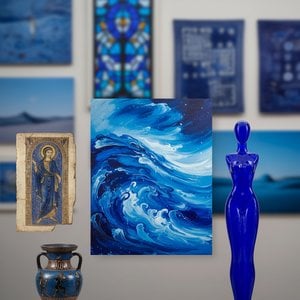
Błękit w Sztuce: Symbolika, Historia i Psychologiczne Oddziaływanie Koloru
Odkryj fascynującą historię błękitu w sztuce! Poznaj symbolikę, psychologię i wpływ tego koloru na arcydzieła renesansu i współczesne trendy. Ekspercka analiza dla miłośników sztuki.

