
- Strona główna

- Druk na płótnie
- Edwin Austin Abbey
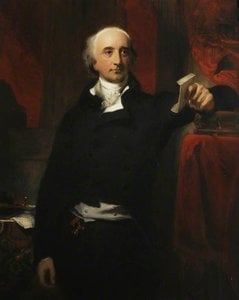
- The three guardsmen

 Zamów reprodukcję Kup cyfrowy obraz
 Udostępnij
 Udostępnij
 Szczegóły dzieła
 Dodaj do ulubionych

 Pobierz
 Podobne obiekty
 RTG
RTG
 Pokaz slajdów
The three guardsmen
 Rozwiń treść
Giclée / Wydruk artystyczny
Druk giclée lub płótno o jakości muzealnej z szybką realizacją i szerokim wyborem opcji wykończenia.




































Wybierz spośród naszych predefiniowanych rozmiarów, które zachowują oryginalne proporcje dzieła sztuki.

Możesz wprowadzić własne wymiary, aby dopasować dzieło do konkretnej ramy lub przestrzeni. Jeśli wybrany rozmiar nie będzie odpowiadał proporcjom oryginalnego obrazu, przytniecie dzieło lub rozszerzymy obraz za pomocą odbicia lustrzanego lub jednolitego wypełnienia krawędzi. Przed rozpoczęciem produkcji prześlemy cyfrową wizualizację do Twojej akceptacji.
Prosimy pamiętać, że podgląd na ekranie nie odzwierciedla faktycznego przycinania ani rozszerzania. Tylko wizualizacja dokładnie pokaże końcową kompozycję.
Mimo dostępności niestandardowych rozmiarów, zalecamy wybór wymiaru z listy zdefiniowanej, aby zachować oryginalne proporcje.
Dostawa na cały świat () w ciągu 2 tygodni zamiast standardowych 4/5 tygodni. (18 Lipiec)

Bezpłatna ekspresowa wysyłka na cały świat

Wysokiej jakości płótno lniane

Pełne ubezpieczenie przesyłki

Gwarancja zwrotu należności celnych

Gwarancja pełnego zgodności kolorystycznej

Polityka 60-dniowego zwrotu (tylko w przypadku wad)

Gwarancja 100% zwrotu pieniędzy

Zniżka przy większych zamówieniach
 Opcja szkła jest dostępna wyłącznie w rozmiarach poniżej 110 cm

The three guardsmen
Giclée / Wydruk artystyczny
Wymiary reprodukcji
-


Cena całkowita
-
Podobne dzieła sztuki




Biografia artysty
Edwin Austin Abbey (1852–1911) – A Philadelphia Beginning and the Rise of a Golden Age Illustrator
Edwin Austin Abbey, born in Philadelphia on April 1st, 1852, emerged as a pivotal figure during what is now celebrated as the “golden age” of illustration. His journey began with formal training at the Pennsylvania Academy of the Fine Arts under Christian Schussele, where he cultivated a strong technical foundation that would serve him throughout his prolific career. However, Abbey’s early ambitions weren't solely focused on traditional painting; he quickly gravitated towards the burgeoning world of magazine illustration. Before reaching twenty years of age, his work began appearing in prominent publications like *Harper’s Weekly*, immediately establishing him as a talent to watch. This initial success wasn’t born in isolation—Abbey keenly studied the works of European masters, absorbing the dramatic chiaroscuro and intricate detail of artists such as Adolf Menzel and Daniel Vierge, alongside their English counterparts. These influences shaped his distinctive style, characterized by a masterful command of line and shadow, and an ability to imbue even simple illustrations with narrative depth. His early work demonstrated not just technical skill but also a burgeoning storytelling ability that would define his artistic trajectory.Early Life and Education
Abbey’s formative years were marked by a dedication to artistic pursuits from a young age. He was the son of William Maxwell Abbey, a makler handlowy (commercial broker), and Margery Ann Kiple. His formal art education commenced at fourteen when he enrolled in evening classes at the Pennsylvania Academy of Fine Arts under Christian Schussele—a teacher who would profoundly shape his artistic sensibilities. Schussele’s emphasis on classical technique and compositional principles instilled in Abbey a foundational understanding that underpinned his entire oeuvre. Recognizing the importance of grounding oneself in tradition, Abbey diligently honed his skills before venturing into the realm of illustration. He was particularly drawn to the works of European masters—specifically Menzel and Vierge—whose masterful use of chiaroscuro captivated him and inspired him to emulate their dramatic lighting effects. Simultaneously, he absorbed the stylistic innovations of English artists like William Holman Hunt and John Everett Millais, recognizing the power of realism and symbolic representation in conveying narrative meaning.The Rise of Illustration: Harper’s Weekly and Beyond
Abbey swiftly transitioned from academic training to professional practice, securing a position with Harper & Brothers—a publishing firm that was rapidly embracing illustration as a vital component of its publications. This partnership proved instrumental in launching Abbey's career, providing him with invaluable experience in producing illustrations for newspapers and magazines. Harper’s Weekly, in particular, recognized Abbey’s talent early on, commissioning him to depict scenes from Shakespearean dramas—a decision that would solidify his reputation as a leading illustrator of literary subjects. The firm’s innovative approach to printing—utilizing woodcuts rather than engraving—allowed Abbey to achieve remarkable fidelity to detail and texture, capturing the essence of his subjects with unparalleled accuracy. He continued to collaborate with Harper's for several years, producing illustrations for diverse genres including historical narratives, travel accounts, and social commentary. This period cemented Abbey’s reputation as a versatile artist capable of adapting his style to suit various artistic demands.Shakespearean Visions: A Masterful Interpretation
Abbey’s fascination with Shakespeare stemmed from Schussele's influence—and more importantly, from a genuine appreciation for the Bard’s dramatic power and psychological insight. He approached Shakespeare’s plays not merely as subjects for illustration but as opportunities to explore complex human emotions and narratives. His depictions of Hamlet, Macbeth, Romeo and Juliet, and other iconic dramas are characterized by meticulous attention to detail—from costumes and props to facial expressions and gestures—reflecting his unwavering commitment to artistic realism. Abbey's illustrations captured the spirit of Shakespearean drama with remarkable sensitivity, conveying both the grandeur of historical settings and the profound psychological depth of his characters. He skillfully employed chiaroscuro—the dramatic interplay of light and shadow—to heighten emotional impact and create a sense of atmosphere that transported viewers into the heart of the plays.Monumental Murals: The Holy Grail Project
Abbey’s artistic ambitions extended beyond illustration into monumental painting, culminating in his most ambitious undertaking: *The Quest and Achievement of the Holy Grail*, a sprawling fresco cycle adorning the Boston Public Library. This project—spanning eleven years—represented a culmination of Abbey's technical prowess and creative vision—a testament to his ability to synthesize literary themes with artistic grandeur. Beginning in 1896, Abbey painstakingly crafted each panel in his London studio before overseeing its installation in Boston’s central hall. The fresco cycle is notable for its scale—measuring over 30 feet by 25 feet—and its intricate detail—featuring thousands of individual figures rendered with breathtaking precision. Abbey's masterful use of color and composition conveyed the epic scope of Arthurian legend, capturing both the spiritual yearning of pilgrims and the triumphant celebration of heroic achievement. The Holy Grail murals stand as enduring symbols of American artistic ambition and represent a pinnacle of Abbey’s creative legacy—a testament to his unwavering dedication to transforming literary narratives into unforgettable visual experiences. ## Legacy and Influence Edwin Austin Abbey's contribution to the art world transcends mere stylistic innovation; he fundamentally reshaped perceptions of illustration as an art form, elevating it from mere decoration to a vehicle for storytelling and emotional expression. His meticulous attention to detail—combined with his masterful command of chiaroscuro—established him as a benchmark against which subsequent illustrators would measure their own achievements. Abbey’s influence can be seen in the works of artists who followed him—particularly those interested in blending literary themes with visual grandeur—demonstrating that he had fundamentally altered the trajectory of American art history. His murals continue to inspire awe and admiration, serving as enduring reminders of his artistic genius and cementing his place among the most celebrated muralists of his era.
Edwin Austin Abbey
1852 - 1911 , Stany Zjednoczone
Kluczowe informacje
- Artistic Movement Or Style: Golden Age Illustration
- Artists Or Movements Influenced By This Artist: ['Later illustrators']
- Artists Who Influenced This Artist:
- Adolf Menzel
- Daniel Vierge
- Date Of Birth: April 1, 1852
- Date Of Death: August 1, 1911
- Full Name: Edwin Austin Abbey
- Nationality: American
- Notable Artworks:
- The Dance
- Sally in our Alley
- Holy Grail murals
- Place Of Birth: Philadelphia, USA

