

 Podgląd w skali 1:1
 Wyślij jako kartkę
 Udostępnij
 Szczegóły dzieła
 Przewodnik

 Pobierz obraz
 Podobne obiekty
 RTG
RTG Pokaz slajdów
 Pytania i odpowiedzi
 Statystyki
Intermission (small)

 Rozwiń treść
Dzieło sztuki prezentowane na tej stronie podlega ochronie prawem autorskim, co oznacza, że nie mamy prawa do tworzenia ani sprzedaży jego identycznej reprodukcji. Ochrona ta jest egzekwowana na mocy umów międzynarodowych, takich jak Konwencja berneńska oraz przez przepisy prawa krajowego, w tym te określone w Prawo autorskie USA – Tytuł 17.
Metoda ta jest w pełni zgodna z przepisami prawa autorskiego, ponieważ nie polega na kopiowaniu ani powielaniu chronionego dzieła. Stanowi ona kreatywną reinterpretację – nowy obraz, który czerpie inspirację z oryginału, ale nie jest z nim tożsamy.
Giclée / Wydruk artystyczny
Wydruki giclée lub płótna o jakości muzealnej, szybka realizacja i szeroki wybór opcji wykończenia. ( Zamów ręcznie malowaną reprodukcję Przejdź do wersji cyfrowej)




P118B zł10

P118H zł10

P118W zł10

P438Z zł10

P508JH zł12

P508YH zł12

P805H zł10

P805Z zł10

P919BZ zł10

P919G zł10

P919XJ zł10

P959ZH zł10

P968JZ zł12

W106C zł8

W218G zł10

W218JH zł8

W218Y zł10

W307PJ zł10

W316G zł10

W316PJ zł8

W316Y zł10

W398PJ zł8

W4111J zł10

W500HY zł15

W500JH zł15

W692G zł12

W849H zł8

W940BG zł15

W953PJ zł8




Wybierz spośród naszych standardowych rozmiarów, które zachowują oryginalne proporcje dzieła sztuki.

Wpisz wymaganą szerokość i wysokość, aby dopasować grafikę do ramy lub ściany. Wydruk można jedynie przyciąć, nigdy nie powiększając go poza oryginalny obraz, dlatego format o innych proporcjach spowoduje utratę części kompozycji. Przed rozpoczęciem druku prześlemy Ci cyfrowy podgląd do zatwierdzenia. Obraz wyświetlany na tej stronie nie pokazuje rzeczywistego przycięcia — jedynie podgląd oddaje ten efekt.
Dostawa na cały świat () w ciągu 2 tygodni zamiast standardowych 4/5 tygodni. (11 Listopad)

Bezpłatna ekspresowa wysyłka na cały świat

Wysokiej jakości płótno lniane

Pełne ubezpieczenie przesyłki

Gwarancja zwrotu należności celnych i podatków importowych

Gwarancja wiernego odwzorowania kolorów

100-dniowa polityka zwrotów (tylko w przypadku wad)

Gwarancja 100% zwrotu pieniędzy

Zniżka przy zakupie wielu sztuk
 Opcja ze szkłem jest dostępna wyłącznie w rozmiarach poniżej 110 cm

Intermission (small)
Giclée / Wydruk artystyczny
Wymiary reprodukcji
-


Cena całkowita
zł 246
Edward Hopper’s Solitary Stage: Unpacking “Intermission”
Edward Hopper's "Intermission" (1963) isn’t merely a painting; it’s a distilled moment of American solitude, a poignant tableau captured with the artist’s signature mastery of light and shadow. Completed in the twilight years of his career, this work represents a culmination of Hopper’s lifelong fascination with theater and urban life—a subject that consistently explored themes of isolation, detachment, and the quiet dramas unfolding within everyday spaces. The painting depicts a woman seated alone in an empty theater, bathed in the cool, diffused light of the house lights, suggesting a pause between acts, a moment of reflection before returning to the performance. It’s a scene both familiar and profoundly unsettling, instantly transporting the viewer into Hopper's carefully constructed world of understated emotion. The deliberate simplicity of the composition—the woman, the seats, the darkened stage—amplifies the sense of loneliness, creating an atmosphere that lingers long after the eye has moved on.A Masterclass in Realist Light and Composition
Hopper’s technical skill is immediately apparent in "Intermission." He employs a restrained palette – primarily blues, greens, and browns – to create a mood of quiet melancholy. The use of light is particularly striking; it doesn't illuminate the scene with warmth or vibrancy but rather casts long shadows, emphasizing the emptiness and highlighting the woman’s isolation. Notice how Hopper uses directional lighting to sculpt the space, drawing attention to the architectural details of the theater while simultaneously obscuring any sense of depth or perspective. The composition itself is carefully balanced—the woman occupies a central position, yet she feels utterly detached from her surroundings. The diagonal lines created by the rows of seats and the stage wall subtly guide the viewer’s eye through the scene, reinforcing the feeling of being an observer rather than a participant. The painting's dimensions – 40 x 60 inches – contribute to its impact, allowing Hopper to render intricate details with precision while maintaining a sense of scale that anchors the subject within a recognizable space.Symbolism and the American Psyche
“Intermission” resonates deeply because it taps into a fundamental aspect of the American experience: the feeling of being alone in a crowd. The theater, traditionally a place of communal engagement, becomes here a stage for individual contemplation. Hopper’s choice to depict a woman—a figure often associated with domesticity and social roles—in this solitary state is particularly significant. It speaks to the changing role of women in American society during his time, as well as the broader anxieties about identity and belonging that characterized the mid-20th century. The closed curtain and darkened exit door further reinforce the sense of being trapped or suspended in a moment of uncertainty. Some art historians interpret this image as reflecting Hopper’s own feelings of alienation and detachment, while others see it as a more generalized representation of the human condition—a recognition that even within moments of shared experience, individuals can remain profoundly isolated.The Legacy of Hopper's Theater Series
“Intermission” is part of a larger series of paintings by Hopper focused on theaters and cinemas, reflecting his lifelong passion for these spaces. These works aren’t simply depictions of theatrical settings; they are explorations of the human psyche—portraying individuals grappling with loneliness, boredom, and the unspoken dramas of everyday life. Hopper meticulously studied theater productions, taking notes and sketching scenes, imbuing his paintings with a deep understanding of stagecraft and performance. "Intermission" stands as one of the most poignant examples of this series, capturing the essence of Hopper’s unique vision—a world where light and shadow reveal not just physical spaces but also the hidden emotions within the human heart. Its enduring appeal lies in its ability to evoke a sense of familiarity and recognition, reminding us that even in the midst of bustling urban life, moments of quiet solitude can be profoundly moving.Bringing “Intermission” Home: A High-Quality Reproduction
ArtsDot offers meticulously hand-painted reproductions of Edward Hopper’s "Intermission," allowing you to experience this iconic masterpiece in stunning detail and vibrant color. Our skilled artists replicate Hopper's masterful use of light, shadow, and composition with the utmost care, ensuring that your reproduction captures the essence of the original painting. Whether for a living room wall or a study, a ArtsDot reproduction of “Intermission” will serve as a timeless reminder of Hopper’s profound insights into the human condition—a testament to the beauty and melancholy of modern American life. Explore our collection today and bring this evocative image into your space.Pytania i odpowiedzi
Gdzie najlepiej powiesić reprodukcję „Intermission (small)” – Edward Hopper?
Format (Landscape) oraz rekomendowana przestrzeń (Living Room) to dwa parametry dotyczące rozmieszczenia dzieła „Intermission (small)” – Edward Hopper.
Czy "Intermission (small)" charakteryzuje się silnym kontrastem światłocienia?
Kontrast jasności w dziele "Intermission (small)" wynosi Statement. Kontrast określa stopień zróżnicowania między obszarami jasnymi a ciemnymi.
Co łączy "Intermission (small)" z resztą twórczości Edward Hopper?
W dorobku Edward Hopper, "Intermission (small)" wpisuje się w styl American Realism, nawiązując do tematów takich jak hopper’s realism, urban isolation, theater as metaphor for life, american modernism, solitude themes, late period introspective scenes, exploring human experience quietly.
Podobne dzieła


Biografia artysty
Cisza amerykańskiego krajobrazu
Edward Hopper urodził się w Upper Nyack, w Stanach Zjednoczonych. Jego wczesne lata upłynęły na obserwowaniu świata uważnym okiem, co zapoczątkowały dziecięce szkice, skrupulatnie datowane i podpisane. Choć rodzice sugerowali mu praktyczną ścieżkę w postaci ilustracji komercyjnej, jego serce pozostało przy sztuce wysokiej. Studiował w New York School of Art pod okiem William Merritt Chase oraz Robert Henri. Te lata wykształciły w nim warsztat niezbędny do przedstawiania świata w sposób surowy i szczery. Nie szukał ulotnych pociągnięć pędzla impresjonistów, których poznał w Paryżu. Zamiast tego wypracował własny sposób patrzenia, który przedkładał bezruch chwili nad ruch tłumu.
Twórczość Hoppera często koncentruje się na tym, co przyziemne. Skupiał wzrok na domach, jadłodajniach, biurach i pokojach hotelowych. Odrzucał zbędne detale, aby dotrzeć do głębokiej, emocjonalnej prawdy ukrytej w danej scenie. W dziele House by the Railroad (1925) prosta kompozycja odsłania poczucie tajemnicy i izolacji. Światło i cień nie służyły mu jedynie do opisu wnętrza, lecz do budowania nastroju. Precyzyjne oddanie cienia na ścianie czy sposób, w jaki światło pada na okno, stały się jego sposobem na komunikowanie stanu psychicznego postaci.
Światło i miejskie wnętrze
Sposób, w jaki światło wdziera się w przestrzeń, jest centralnym bohaterem jego obrazów. W Nighthawks (1942) surowe, fluorescencyjne światło nocnej jadłodajni rozcina mrok opustoszałej, miejskiej ulicy. Postacie znajdujące się wewnątrz są blisko siebie fizycznie, lecz wydają się zagubione we własnych myślach, całkowicie odizolowane od siebie nawzajem. To poczucie anonimowości w zatłoczonym mieście stało się jego motywem przewodnim. Artysta potrafił uchwycić napięcie towarzyszące byciu samotnym w miejscu publicznym, co wybrzmiewa w takich pracach jak Automat czy Office in a Small City. Fascynowało go to, jak sztuczne światło wchodzi w interakcję z naturalną ciemnością nocy.
Jego żona, Josephine Nivison Hopper, była stałą obecnością w jego życiu. Jako artystka często służyła mu za modelkę, a jej obecność jest wyczuwalna w kreacji wielu kobiecych postaci na jego płótnach. Wspólnie prowadzili skromne życie, spędzając lata letnie w Nowej Anglii, co wywarło wpływ na malowane przez niego krajobrazy. Jego przedstawienia amerykańskiego pejzażu, zarówno wiejskiego, jak i miejskiego, często podkreślają pewną surowość lub pustkę. Niezależnie od tego, czy jest to przydrożna stacja benzynowa w Gas (1940), czy cichy pokój w hotelu, tematem zawsze pozostaje punkt styku fizycznego miejsca z prywatnym, wewnętrznym doświadczeniem.
Dziedzictwo uważności
Wpływ Hoppera wykracza poza malarstwo, przenikając do języka wizualnego filmu i literatury. Jego zdolność do budowania napięcia psychologicznego poprzez kompozycję została dostrzeżona przez wielu badaczy sposobu, w jaki opowieści są snute za pomocą obrazów. Jego dzieła znajdują się w najważniejszych muzeach na świecie, w kolekcjach takich jak Whitney Museum of American Art czy Museum of Fine Arts w Bostonie. Nie dążył do tworzenia wielkich narracji historycznych. Odnajdywał tematy w cichych zakamarkach codzienności, zmieniając zwykłe okno lub mijanego nieznajomego w studium ludzkiej kondycji. Jego twórczość pozostaje przejmującym studium ciszy, która istnieje między ludźmi.

Edward Hopper
1931 - 1967 , Stany Zjednoczone
Krótka nota
- Artistic Movement Or Style: Realizm amerykański
- Artists Or Movements Influenced By This Artist: ['Pierre Sanford Ross']
- Artists Who Influenced This Artist:
- William Merritt Chase
- Robert Henri
- Edgar Degas
- Édouard Manet
- Date Of Birth: 1931
- Date Of Death: 1967
- Full Name: Edward Hopper
- Nationality: Amerykanin
- Notable Artworks:
- Nighthawks
- Gas
- House by the Railroad
- Automat
- Office in a Small City
- Summertime
- Place Of Birth: Upper Nyack, Stany Zjednoczone
Powiązane artykuły

Edward Hopper: 25 Arcydzieł Malarstwa Pełnych Emocji i Amerykańskiej Duszy | ArtsDot.com
Odkryj 25 arcydzieł Edwarda Hoppera – malarstwa pełnych samotności, realizmu i amerykańskiej duszy. Poznaj historie kultowych obrazów, inspiracje wnętrzarskie i wyjątkową atmosferę jego dzieł. Reprodukcje najwyższej jakości na ArtsDot.com

Concrete Visions: Exploring the Urban Landscape in Painting – From Realism to Contemporary Art
Explore the evolution of cityscape painting from Realism to contemporary art with ArtsDot. Discover key artists & invest in timeless urban visions. Expert guidance, museum-quality reproductions.

Romantic Realism's Finest: 10 Masterpieces for Your Home | ArtsDot
Explore 10 defining masterpieces of Romantic Realism! Discover Courbet, Millet & Daumier's powerful paintings—capturing emotion and social realities. Find museum-quality reproductions for your home at ArtsDot.com.
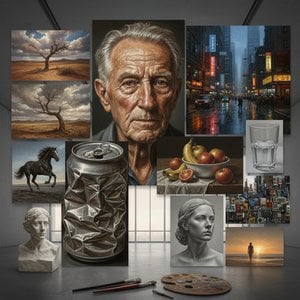
Top 10 arcydzieł realizmu współczesnego – obrazy, artyści i inspiracje do wnętrz
Odkryj 10 arcydzieł realizmu współczesnego! Poznaj historie słynnych malarzy, techniki i emocje w ich obrazach. Inspiracje do wnętrz i reprodukcje najwyższej jakości na ArtsDot.com – galeria sztuki online.

Amerykański Realizm: 10 Arcydzieł, Które Zdefiniowały Epokę | ArtsDot
Poznaj 10 arcydzieł amerykańskiego realizmu! Odkryj historie Winslowa Homera, Edwarda Hoppera i innych mistrzów. Reprodukcje obrazów najwyższej jakości – inspiracje do Twojego wnętrza na ArtsDot.com


