

- 813.0 x 588.0 cm


Obraz dostosowuje się do Twoich wyborów: , .
Opis obiektu
Witness the captivating 'Study for The Sirens' by Edward Burne-Jones – a pre-Raphaelite masterpiece brimming with mythical figures and intricate detail. Explore its history & artistic significance.
 Rozwiń treść
Biografia artysty
Edward Burne-Jones – mistrz Prerafaelizmu i Estetyzmu. Jego malarstwo, witraże i projekty dekoracyjne fascynują pięknem i symboliką średniowiecza. Odkryj jego legendarną twórczość!
Ręcznie malowana reprodukcja olejowa
Ręcznie malowany obraz olejny na płótnie, wykonany na zamówienie przez naszych artystów w wybranym przez Ciebie wymiarze i oprawie. ( Przełącz na wydania drukowane Przejdź do wersji cyfrowej)
Więcej o tym obrazie
 Podgląd w skali 1:1
 Wyślij jako kartkę
 Udostępnij
 Szczegóły dzieła
 Przewodnik

 Pobierz obraz
 Podobne obiekty
 RTG
RTG Pokaz slajdów
 Pytania i odpowiedzi
 Statystyki
Zamów swój obraz w czterech prostych krokach
Nie spiesz się. Możesz zmienić każdą odpowiedź; cena w Twoim koszyku będzie aktualizowana po każdym wyborze.
1 Pierwszy z czterech kroków
Który rozmiar wybierasz?
Te rozmiary zachowują proporcje oryginalnego obrazu. Rysunek przedstawia wybrany przez Ciebie format na ścianie, nad dwumetrową sofą.
lub podaj własne wymiary
Wybierz spośród naszych standardowych rozmiarów, które zachowują oryginalne proporcje dzieła sztuki.

Wpisz wymaganą szerokość i wysokość, aby obraz pasował do Twojej ramy lub ściany. Ponieważ jest to dzieło malowane ręcznie, w przypadku rozmiaru o innych proporcjach artysta może domalować nieco więcej wokół obrazu lub przyciąć jego fragmenty — wybór należy do Ciebie. Przed rozpoczęciem pracy prześlemy Ci cyfrową wizualizację do zatwierdzenia. Obraz widoczny na tej stronie nie przedstawia rzeczywistego efektu — jedynie wizualizacja oddaje realny rezultat.
2 Drugi z czterech kroków
W jaki sposób przygotować dzieło: w formie tuby, na krosnach czy w ramie?
Poniższe ceny dotyczą rozmiaru wybranego w pierwszym kroku.
Wybierz krawędzie płótna naciągniętego na ramę
Wybierz ramę

Białe krawędzie zł1

rozmyte krawędzie zł1

Przedłużony zł1

P118B zł10

P118H zł10

P118W zł10

P438Z zł10

P508JH zł12

P508YH zł12

P805H zł10

P805Z zł10

P919BZ zł10

P919G zł10

P919XJ zł10

P959ZH zł10

P968JZ zł12

W106C zł8

W218G zł10

W218JH zł8

W218Y zł10

W307PJ zł10

W316G zł10

W316PJ zł8

W316Y zł10

W398PJ zł8

W4111J zł10

W500HY zł15

W500JH zł15

W692G zł12

W849H zł8

W940BG zł15

W953PJ zł8

H24-GOLD zł30

H24-SILVER zł30

H36-GOLD zł45

H36-SILVER zł45
W oprawie
Profil: . Wymiar całkowity w ramie: .
3 Trzeci z czterech kroków
Czy chcieliby Państwo wprowadzić jakieś zmiany w obrazie?
Większość osób odpowiada przecząco. Ponieważ każdy obraz jest tworzony ręcznie, nasz artysta może również dostosować go do Twoich potrzeb.
Po złożeniu zamówienia zespół ArtsDot.com skontaktuje się z klientem drogą mailową w celu uzyskania instrukcji i prześle podgląd projektu
4 Krok czwarty z czterech
Kilka opcji wykończenia
Wszystkie są opcjonalne. Wybrane już odpowiedzi nie wiążą się z żadnymi dodatkowymi kosztami.
Kto jest autorem?
Dostawa na całym świecie () w ciągu 3–4 tygodni zamiast standardowych 5 tygodni. (5 Listopad). Bez kompromisów w kwestii jakości.
Tabliczka informacyjna, jak w muzeum?
Szczegóły grawerowanej brązowej tabliczki
This elegant plaque features the artist's name and the title of the artwork, finely engraved for a timeless presentation.
It is made from bronze with a refined, elegant finish. The text is precisely laser-engraved for a sharp and permanent result. Measuring 9x2 cm, the plaque is compact yet easy to read. It's built to be durable and scratch-resistant, offering a professional, museum-quality look. Mounting is simple thanks to the included adhesive backing.
Szczegóły przezroczystej tabliczki akrylowej
The plaque includes essential engraved details such as the artist's name, the title of the artwork, the date it was created, the type of media used-like oil on canvas or watercolor-a brief description of the piece, and a QR code that links to the complete artwork information.
It is crafted from clear acrylic, offering a sleek, modern appearance. The text is UV-engraved in black to ensure strong visual contrast. With a size of 10x15 cm, it ensures optimal readability. It comes equipped with two metal hooks for secure wall mounting. The plaque is designed to be weather-resistant, making it suitable for various environments, and it includes interactive features that work seamlessly with smartphone scanning.
Szczegóły czarnej tabliczki akrylowej
This elegant plaque includes engraved information such as the artist's name, the title of the artwork, the date it was created, the type of media used (like oil on canvas or watercolor), a short description of the artwork, and a QR code for quick access to more information.
The plaque itself is made from refined black acrylic with a premium finish. The text is laser-engraved in white for high contrast and readability. Its size is 10x15 cm, designed to be easy to read. It comes with two metal hooks for professional mounting. The design is sleek and fits any interior style. It is also weather-resistant and durable, with built-in digital integration for mobile compatibility.
Werniks ochronny?
Kiedy potrzebujesz dostawy?
✓ Sprawdź i zamów
Twoje dzieło, dokładnie tak, jak zamówiłeś

Study for
Technika reprodukcji
Wymiary reprodukcji
-

Wybitny mistrz artystyczny
Większa szczegółowość, finezja i dodatkowy czas na realizację
-

Opcje oprawy reprodukcji
-
-
W przypadku dzieł sztuki lub reprodukcji, których którykolwiek z boków przekracza 105 cm (około 41 cali), rama zostanie wysłana w formie zestawu do samodzielnego montażu. Metoda ta zapewnia bezpieczną dostawę i zapobiega uszkodzeniom podczas transportu.
Wymagany profesjonalny montaż – nie jest to produkt typu DIY.
Zestaw musi zostać złożony, a płótno naciągnięte przez doświadczonego profesjonalnego ramiarza, przy użyciu kleju do drewna (brak w zestawie), kleszczy do naciągania płótna oraz ścisków, które utrzymają krosna w równej pozycji podczas schnięcia kleju. Nieprawidłowy montaż lub nierównomierne napięcie płótna może trwale uszkodzić dzieło sztuki i nie podlega naszej gwarancji.
 W przypadku dzieł sztuki lub reprodukcji, których którykolwiek z boków przekracza 105 cm (około 41 cali), rama zostanie wysłana w formie zestawu do samodzielnego montażu. Metoda ta zapewnia bezpieczną dostawę i zapobiega uszkodzeniom podczas transportu.
W zestawie znajdują się wszystkie listwy z litego drewna, precyzyjnie docięte do wymiarów.
Montaż odbywa się przy użyciu dołączonych wkrętów oraz kleju do drewna do łączenia narożników, którego zestaw nie zawiera i który musi zostać dostarczony przez ramiarza.
Wymagane są profesjonalne narzędzia, których nie ma w zestawie: kleszcze do naciągania płótna (napinacz) oraz zaciski, które pozwolą utrzymać listwy w równej pozycji podczas schnięcia kleju.
Ważne:
Do połączenia narożników niezbędny jest klej do drewna, listwy należy unieruchomić za pomocą ścisków do momentu całkowitego wyschnięcia kleju, a naciągnięcie płótna na złożoną ramę wymaga użycia kleszczy do naciągania płótna. Żaden z tych elementów nie jest dołączony do zestawu. Przed zamówieniem tego rozmiaru zalecamy konsultację z doświadczonym ramiarzem.

Etykieta obiektu
-
-

Lakier ochronny
Lakier z połyskiem (pogłębia kolory, chroni przed światłem i wilgocią)
-

Personalizacja dzieła
Przykłady możliwości personalizacji: zastąp twarz zdjęciem klienta; dodaj zwierzę domowe (np. zamień kota na psa); umieść ukrytą wiadomość w tle; zmień krajobraz lub elementy tła.
-

Ekspresowa
Dostawa na cały świat () w ciągu 3–4 tygodni zamiast standardowych 5 tygodni. (5 Listopad). Bez kompromisów w kwestii jakości.
-
Przesyłka ekspresowa
Dostawa na cały świat () w ciągu 5 tygodni. (12 Listopad).
W cenie
Cena całkowita
zł 1029
Opcja ze szkłem jest dostępna wyłącznie w rozmiarach poniżej 110 cm
W każdym zamówieniu
- Bezpłatna ekspresowa wysyłka na cały świat
- Wysokiej jakości płótno lniane
- Pełne ubezpieczenie przesyłki
- Gwarancja zwrotu należności celnych i podatków importowych
- Gwarancja wiernego odwzorowania kolorów
- 100-dniowa polityka zwrotów (tylko w przypadku wad)
- Gwarancja 100% zwrotu pieniędzy
- Zniżka przy zakupie wielu sztuk


A Vision of Myth and Beauty: Edward Burne-Jones’s “Study for The Sirens”
Edward Coley Burne-Jones, a pivotal figure bridging the romantic currents of the Pre-Raphaelite Brotherhood with the burgeoning aesthetic sensibilities of late Victorian England, possessed an extraordinary ability to conjure worlds both fantastical and deeply human. His art wasn't merely decorative; it was a deliberate exploration of myth, symbolism, and the very essence of beauty. Among his most captivating works is this exquisite “Study for The Sirens,” a preparatory drawing that offers a tantalizing glimpse into the genesis of a monumental painting—a testament to Burne-Jones’s meticulous process and profound artistic vision. This particular study, recently rediscovered and now held within the Ringling Museum of Art in Sarasota, Florida, reveals not just a sketch but a carefully considered meditation on desire, temptation, and the alluring power of the unknown.
The drawing itself is executed with remarkable delicacy in black and red chalk, upon a sheet of high-quality paper. Burne-Jones’s hand moves with confident fluidity, capturing the subtle nuances of form and gesture with breathtaking precision. The composition—a partial view of two figures, a young man and a woman, seated on a grassy bank beside a stream—is deceptively simple yet brimming with latent drama. Notice the loose, expressive lines that define the contours of their bodies, suggesting both vulnerability and an underlying current of sensuality. The artist’s attention to detail is immediately apparent in the rendering of the foliage, the flowing water, and the delicate folds of fabric – elements that contribute significantly to the overall atmosphere of the piece.
Echoes of Mythology and Pre-Raphaelite Sensibilities
“The Sirens,” as Burne-Jones envisioned it, was deeply rooted in Greek mythology. The sirens were mythical creatures—often depicted as beautiful women whose enchanting songs lured sailors to their doom. However, Burne-Jones’s interpretation transcends the traditional cautionary tale. This study hints at a more complex narrative – one of irresistible attraction and the perilous allure of beauty. The figures are not presented as victims but as active participants in a scene of quiet contemplation, suggesting an awareness of the potential consequences of their encounter. The composition draws heavily on Pre-Raphaelite conventions: the emphasis on naturalism, the idealized portrayal of the human form, and the incorporation of classical motifs – all hallmarks of Burne-Jones’s distinctive style.
The influence of Dante Gabriel Rossetti is also palpable in this study. Like Rossetti, Burne-Jones was fascinated by medieval romance and folklore, and he frequently drew inspiration from Arthurian legends and other mythological tales. The use of rich colors, the dramatic lighting, and the evocative atmosphere all contribute to a sense of heightened emotion and psychological intensity – qualities that are characteristic of both artists’ work. The drawing's intimate scale further enhances its emotional impact, inviting the viewer to step into the scene and contemplate the unspoken desires and anxieties of the figures depicted.
A Window into the Artist’s Process
What makes this particular “Study for The Sirens” so compelling is that it offers a rare glimpse into Burne-Jones's creative process. It’s not a finished masterpiece but rather a preliminary sketch—a series of studies and drawings that he created as he developed his ideas for larger works. The drawing reveals the artist’s initial thoughts, experiments with composition, and adjustments to the figures’ poses and expressions. The fact that this particular study was previously misidentified as being by the circle of Augustus John adds an intriguing layer of historical complexity to its story.
Further research into Burne-Jones's work reveals a fascinating connection to the Institute for Advanced Study in Princeton, where scholars from across Europe sought refuge and intellectual stimulation during the tumultuous years following World War I. Burne-Jones’s own life was marked by both artistic triumph and personal tragedy – his marriage to Georgiana MacDonald ended in heartbreak after her death, and he struggled with bouts of depression throughout his career. Despite these challenges, he remained a prolific artist, producing some of the most enduring images of the Victorian era. The rediscovery of this “Study for The Sirens” serves as a poignant reminder of Burne-Jones’s extraordinary talent and his lasting contribution to the world of art.
A Timeless Appeal
“Study for The Sirens” is more than just a drawing; it's an invitation to lose oneself in a world of myth, beauty, and psychological depth. Its evocative atmosphere, masterful technique, and profound symbolism continue to resonate with viewers today. Whether you are an art collector seeking a rare and significant addition to your collection, or simply an admirer of Victorian art, this exquisite study offers a unique opportunity to connect with one of the most celebrated artists of the 19th century. Reproductions of this piece capture the essence of Burne-Jones’s vision, allowing you to bring its timeless beauty into your home or office.
Pytania i odpowiedzi
Kiedy powstało dzieło "Study for" i do jakiego nurtu należy?
„Study for” – Edward Burne-Jones datowane jest na 1870 rok i reprezentuje nurt Pre-Raphaelite Brotherhood.
Czy dzieło "Study for" posiada podgląd w rozszerzonej rzeczywistości?
Strona Podgląd w AR dzieła „Study for” – Edward Burne-Jones wykorzystuje rozszerzoną rzeczywistość, aby dzięki kompatybilnemu urządzeniu pokazać obraz w Twojej własnej przestrzeni.
W którym muzeum znajduje się oryginał "Study for"?
„Study for” – Edward Burne-Jones znajduje się w zbiorach Walker Art Gallery, Liverpool, Wielka Brytania. Informacja o muzeum dotyczy oryginału, a nie reprodukcji.
Podobne dzieła


Edward Burne-Jones
1833 - 1898, Wielka Brytania
Biografia artysty
A Dream Woven in Color: The Life and Art of Edward Burne-Jones
Edward Coley Burne-Jones, urodzony w Birmingham w 1833 roku, był postacią kluczową łączącą preriaphaelita z estetycznymi tendencjami końca XIX wieku. Jego życie, naznaczone głębokim wizjonerstwem artystycznym i osobistymi wyzwaniami, rozwinęło się na tle zmieniającego się społeczeństwa i gorącej renowacji średniowiecznych ideałów. Wczesna śmierć matki rzuciła długi cień, kształtując dzieciństwo spędzone pod opieką ojca i wiernej gospodyni Ann Sampson – wychowanie to sprzyjało refleksyjnej naturze i głębokiej immersji w świat wyobraźni. Formalne wykształcenie w King Edward VI Grammar School oraz później w Birmingham School of Art położyło fundamenty jego umiejętności technicznych, ale to czas spędzony na Exeter College w Oxfordzie zapalił prawdziwe ognisko jego artystycznego przeznaczenia. Tam zawarł trwającą wieki przyjaźń z Williamem Morrisem – związek oparty na wspólnych pasjach intelektualnych i pragnieniu piękna w szybko zmieniającym się świecie. Ta relacja okazała się kluczowa, nie tylko kształtując ścieżkę artystyczną Burne-Jonesa, ale także ustanawiając wpływowe przedsiębiorstwo Morris & Co., poświęcone odrodzeniu tradycyjnego rzemiosła.The Brotherhood and the Birth of a Unique Vision
Oxford stał się krzewiarnią eksperymentów artystycznych, gdzie Burne-Jones i Morris, wraz z otoczeniem – „Birmingham Set” – zanurzali się w twórczości Johna Ruskina i Alfreda Tennyson’ego, szukając inspiracji w sztuce i etosie średniowiecza. Ta gorąca fascynacja średniowieczem nie była jedynie nostalgią; było to odrzucenie tego, co postrzegali jako brzydotę i materializm współczesnego społeczeństwa. Powstanie „Braterstwa” umocniło ich zaangażowanie w ideały artystyczne, tworząc środowisko, w którym poezja, literatura i sztuka wizualna splatały się ze sobą. Kluczowym momentem okazał się jego kontakt z Dantem Gabrielim Rossettim, którego twórczość głęboko wpłynęła na wczesny styl Burne-Jonesa. Jednak szybko przekroczył imitację, rozwijając unikalną estetykę charakteryzującą się eteryczną urodą, melancholijną gracją i dbałością o szczegóły. Jego obrazy nie były jedynie ilustracjami opowieści średniowiecznych; były to sugestywne krajobrazy marzeń nasycone symboliką i głębią psychologiczną. Wpływ Botticellego i Filippo Lippi stał się widoczny w jego wydłużonych postaciach i delikatnych kompozycjach, jednak Burne-Jones wzbogacił te wpływy unikalnym poczuciem brytyjskiego charakteru. Nie dążył do odtworzenia przeszłości, ale do destylacji jej esencji, tworząc dzieła, które wydawały się jednocześnie starożytne i całkowicie nowe.From Painting to Tapestry: A Renaissance of Craft
Artystyczna produkcja Burne-Jonesa wykraczała daleko poza płótno. Jego współpraca z Williamem Morrisem doprowadziła do założenia firmy Morris & Co., która zrewolucjonizowała sztukę dekoracyjną w Anglii. Nie był jedynie projektantem wzorów; odtwarzał sam koncept sztuki, promując holistyczne podejście, w którym sztuka przenikała każdy aspekt życia. Firma produkowała wykwintne tkaniny, okładki książek, meble i witraże – wszystkie noszące ślad jego wyrafinowanej estetyki. Jego projekty witraży są szczególnie godne uwagi, przekształcając kościoły i katedry w świetliste przestrzenie nasycone kolorem i narracją. Medium to pozwoliło mu na eksplorację fascynacji światłem i symboliką w nowym wymiarze, tworząc okna, które służyły zarówno celom religijnym, jak i dziełom sztuki. To zaangażowanie w rzemiosło nie było jedynie próbą odrodzenia tradycyjnych technik; było świadomą próbą podniesienia statusu sztuk dekoracyjnych, kwestionując dominujący hierarchiczny system, który umieszczał malarstwo i rzeźbę na szczycie osiągnięć artystycznych. *The Beguiling of Merlin*, zaprezentowany w 1877 roku, stanowił punkt zwrotny, ustanawiając Burne-Jonesa jako lidera nowego ruchu estetycznego – ruchu, który celebrował „sztukę dla sztuki” i piękno ponad wszystko inne.Personal Shadows and Enduring Legacy
Życie prywatne Burne-Jonesa nie było pozbawione wyzwań. Jego małżeństwo z Georgianą Macdonald, choć trwałe, było naznaczone pasjonalną romaną z jego modelem grecką, Marią Zambaco, która doprowadziła do dramatycznej kryzysu. Pomimo tych emocjonalnych burzliwych chwil, kontynuował produkcję oszałamiającej ilości dzieł sztuki, eksplorując tematy miłości, straty i poszukiwania duchowego sensu. Jego późniejsze obrazy stały się coraz bardziej introspekcyjne, charakteryzujące się wzmożonym poczuciem melancholii i bardziej abstrakcyjnym podejściem do formy. W 1895 roku otrzymał tytuł barona, uznając jego znaczący wkład w sztukę i kulturę brytyjską. Zmarł w 1898 roku, pozostawiając po sobie dziedzictwo, które nadal rezonuje z nami dzisiaj. Jego wpływ można dostrzec w twórczości wielu kolejnych pokoleń artystów, a jego projekty inspirują współczesnych rzemieślników i projektantów. Jest świadectwem siły sztuki do przezwyciężenia czasu i dotknięcia najgłębszych zakątków ludzkiej duszy.A Lasting Influence
- Burne-Jones’s work embodies the Pre-Raphaelite ideals of beauty, detail, and symbolism, yet he developed a unique style that set him apart from his contemporaries.
- His contributions to decorative arts through Morris & Co. revitalized traditional crafts and elevated the status of design.
- His stained glass windows remain iconic examples of Victorian artistry, transforming sacred spaces with their luminous beauty.
- He profoundly influenced subsequent generations of artists, inspiring a renewed appreciation for craftsmanship and aesthetic values.
- Burne-Jones’s exploration of myth, legend, and psychological themes continues to captivate audiences today, solidifying his place as one of the most important British artists of the 19th century.


Powiązane artykuły

Sir John Everett Millais: Pre-Raphaelite Rebellion & Victorian Narrative Detail
Explore the revolutionary art of Sir John Everett Millais & the Pre-Raphaelite Brotherhood. Discover their radical realism, symbolic narratives, and lasting impact on Victorian aesthetics. A deep dive into 19th-century masterpieces.

Dante Gabriel Rossetti: 25 Arcydzieł Pełnych Pasji i Symboliki | ArtsDot
Odkryj 25 najpiękniejszych obrazów Dante Gabriela Rossettiego! Poznaj historię, symbolikę i techniki prerafaelitów. Reprodukcje najwyższej jakości do Twojego wnętrza – ArtsDot.
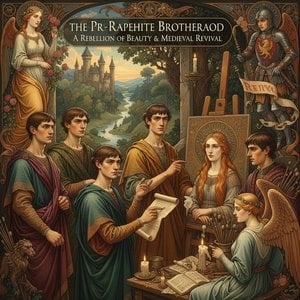
Braterstwo Prerafaelitów: Bunt przeciw akademizmowi i renesansowy powrót do piękna
Poznaj historię Bractwa Prerafaelitów – ruchu artystycznego, który zrewolucjonizował malarstwo angielskie. Analiza sprzeciwu wobec akademizmu, inspiracji renesansowych i kluczowych dzieł Millaisa, Rossettiego i Hunta.