


 Zobacz w skali 1:1
 Wyślij
 Udostępnij
 Szczegóły
 Przewodnik

 Pobierz plik obrazu
 Podobne obiekty
 RTG
RTG Pokaz slajdów
 Statystyki
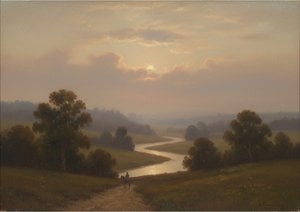
Moonlight
 Oil On Canvas
- WallArt
- Tonalist Landscape
 1887
1887 36.0 x 56.0 cm
 Metropolitan Museum of Art
 Czytaj więcej
Ręcznie malowana reprodukcja olejowa
Ręcznie malowany obraz olejny na płótnie, wykonany na zamówienie przez naszych artystów w wybranym przez Ciebie wymiarze i oprawie. ( Przełącz na wersję drukowaną Przełącz na wersję cyfrową)




P118B zł10

P118H zł10

P118W zł10

P438Z zł10

P508JH zł12

P508YH zł12

P805H zł10

P805Z zł10

P919BZ zł10

P919G zł10

P919XJ zł10

P959ZH zł10

P968JZ zł12

W106C zł8

W218G zł10

W218JH zł8

W218Y zł10

W307PJ zł10

W316G zł10

W316PJ zł8

W316Y zł10

W398PJ zł8

W4111J zł10

W500HY zł15

W500JH zł15

W692G zł12

W849H zł8

W940BG zł15

W953PJ zł8




Wybierz spośród naszych standardowych rozmiarów, które zachowują oryginalne proporcje dzieła sztuki.

Wpisz wymaganą szerokość i wysokość, aby obraz pasował do Twojej ramy lub ściany. Ponieważ jest to dzieło malowane ręcznie, w przypadku rozmiaru o innym proporcji artysta może domalować nieco więcej wokół obrazu lub przyciąć fragmenty — wybór należy do Ciebie. Przed rozpoczęciem pracy prześlemy Ci cyfrową wizualizację do zatwierdzenia. Obraz widoczny na tej stronie nie przedstawia rzeczywistego efektu — jedynie wizualizacja oddaje realny rezultat.
Po złożeniu zamówienia zespół ArtsDot.com skontaktuje się z klientem drogą mailową w celu uzyskania instrukcji i prześle wizualizację projektu
Dostawa na całym świecie () w ciągu 3–4 tygodni zamiast standardowych 5 tygodni. (23 Październik). Bez kompromisów w kwestii jakości.

Bezpłatna ekspresowa wysyłka na cały świat

Wysokiej jakości płótno lniane

Pełne ubezpieczenie transportowe

Gwarancja zwrotu należności celnych i podatków importowych

Gwarancja idealnego odwzorowania barw

100-dniowy okres na zwrot dzieła w przypadku wykrycia wad produkcyjnych

Gwarancja 100% zwrotu pieniędzy

Oferta przy zakupie wielu sztuk
 Opcja ze szkłem jest dostępna wyłącznie w rozmiarach poniżej 110 cm

Moonlight
Technika wykonania
Rozmiar reprodukcji
-


Suma do zapłaty
zł 1009
Moonlight: A Study in Tranquil Luminosity
Dwight William Tryon’s “Moonlight,” painted in 1887, isn't merely a depiction of a rural landscape; it’s an immersion into a profound sense of quietude and the evocative power of light. Born in Hartford, Connecticut, during a period when American art was grappling with its own identity, Tryon emerged from a childhood deeply rooted in the rhythms of rural life – a formative experience that would profoundly shape his artistic vision. He eschewed the prevailing trends of the time, choosing instead to embrace the principles of tonalism, a style characterized by subdued colors and atmospheric effects, prioritizing mood and emotion over precise representation. This decision led him away from the bright palettes and detailed renderings favored by many of his contemporaries, establishing “Moonlight” as a cornerstone of his distinctive oeuvre. The painting captures a serene nighttime scene – rolling hills bathed in the soft glow of the moon, punctuated by scattered trees and hinting at a distant farmhouse nestled within the landscape. It’s a scene that invites contemplation, a moment suspended between darkness and light, reality and dream.The Language of Tone: Technique and Composition
Tryon's mastery lies not in meticulous detail but in his skillful manipulation of tone – the subtle variations in value that create depth, form, and atmosphere. He achieves this through loose, expressive brushstrokes, layering washes of gray and white to build up the forms of the hills and trees. Notice how the darker tones recede into the distance, creating a convincing illusion of space and atmospheric perspective. The composition is deliberately horizontal, emphasizing the breadth of the landscape and drawing the eye across the scene. A carefully considered break in the treeline directs the viewer’s gaze towards the luminous center, where the moon hangs suspended in the sky. This strategic arrangement guides the viewer's eye through the painting, fostering a sense of peaceful exploration. The use of impasto – thick application of paint – adds textural interest to the foreground, grounding the scene and anchoring it within the viewer’s perception.Symbolism and the Nocturne
The symbolism embedded within “Moonlight” is rich and layered. Moonlight itself has long been associated with mystery, introspection, and tranquility—qualities Tryon expertly captures in this work. The muted palette reinforces these associations, creating a mood of quiet contemplation. The distant farmhouse suggests a sense of rural simplicity and connection to the land, while the scattered trees evoke a feeling of solitude and isolation. The painting’s overall effect is one of profound stillness – a moment frozen in time, inviting the viewer to step into its serene embrace. It's not simply a representation of a landscape; it’s an evocation of a state of being. The choice of a nighttime scene further amplifies this symbolism, suggesting a realm beyond the everyday, where thoughts and emotions can freely roam.Historical Context: Tonalism and American Identity
“Moonlight” emerged during a pivotal moment in American art history – the rise of tonalism in the late 19th century. Influenced by the Barbizon School painters of France, American tonalists sought to capture the essence of nature through subtle color gradations and atmospheric effects, rejecting the academic emphasis on realism and detailed representation. Tryon’s work exemplifies this movement perfectly, demonstrating a deep understanding of light and shadow and a commitment to expressing mood and emotion rather than simply depicting visual reality. His decision to focus on American landscapes—particularly those imbued with the quiet beauty of rural life—contributed to the development of a distinctly American artistic voice. The painting reflects a desire to capture the spirit of the nation, rooted in its connection to the land and its appreciation for simple pleasures.A Legacy of Tranquility: Reproductions and Interior Design
Today, “Moonlight” stands as a testament to Tryon’s artistic vision—a timeless masterpiece that continues to resonate with viewers across generations. High-quality reproductions capture the painting's subtle nuances and atmospheric depth, making it an ideal addition to any home or office space. The painting’s calming palette and evocative imagery create a sense of serenity and tranquility, transforming any room into a haven of peace. Consider incorporating “Moonlight” into your interior design scheme—perhaps above a fireplace or in a study—to infuse your surroundings with its quiet beauty and timeless appeal. Its enduring power lies not just in its aesthetic qualities but also in its ability to transport the viewer to a place of profound stillness and contemplation.Pytania i odpowiedzi
Jaki dominujący odcień przenika „Moonlight” autorstwa Dwight William Tryon?
Przez „Moonlight” autorstwa Dwight William Tryon przewija się Green to Violet Spectrum odcień.
W jaki sposób „Moonlight” autorstwa Dwight William Tryon łączy Tonalist Landscape z krajem pochodzenia artysty?
Dzieło z nurtu Tonalist Landscape, zatytułowane "Moonlight", zostało stworzone przez artystę urodzonego w Stany Zjednoczone.
Gdzie mogę zobaczyć oryginał „Moonlight” autorstwa Dwight William Tryon?
Dzieło „Moonlight” autorstwa Dwight William Tryon znajduje się w zbiorach Metropolitan Museum of Art, New York, United States of America. Informacja o muzeum dotyczy oryginału, a nie reprodukcji.
Podobne dzieła


Biografia artysty
Early Life and Artistic Beginnings
Dwight William Tryon, a name synonymous with serene American landscapes, emerged from the quiet beauty of Connecticut in 1849. Born in Hartford to Anson Tryon and Delia O. Roberts, his early life was marked by a poignant loss – the untimely death of his father at a young age. This formative experience instilled within him a deep appreciation for the natural world, shaping his artistic sensibilities from the outset. His childhood unfolded on the family’s farm in East Hartford, an immersion in rural life that proved profoundly influential. Far removed from formal art training initially, Tryon's innate talent blossomed organically. He found solace and inspiration not just in observing nature, but also in engaging with it directly – sketching diligently during his time as a clerk at a local bookstore. It was there, amidst the shelves of instructional manuals, that he began to cultivate his artistic skills independently, studying techniques and principles through self-directed learning. This early dedication culminated in his first sale in 1870, a modest but significant milestone that validated his burgeoning talent. Subsequent local exhibitions further showcased his growing promise, hinting at a future destined for wider recognition. In 1873, he achieved a pivotal moment when he was accepted into the prestigious National Academy of Design, marking the formal beginning of his artistic career.European Influences and the Shaping of a Style
Driven by an ambition to refine his craft and broaden his artistic horizons, Tryon embarked on a transformative journey to France in 1876. This pivotal move represented more than just a relocation; it signified a deliberate pursuit of formal training and exposure to the vibrant artistic currents of Europe. He enrolled at the École des Beaux-Arts in Paris, immersing himself in the techniques and philosophies of renowned instructors. However, his education extended far beyond the confines of the classroom. Recognizing the value of direct experience, Tryon actively sought guidance from a diverse group of luminaries – Jacquesson de la Chevreuse, Charles-François Daubigny, Henri Harpignies, and Jean Baptiste-Antoine Guillemet. These encounters profoundly shaped his artistic development, exposing him to a range of approaches and inspiring him to synthesize new ideas. Initially, Tryon’s style leaned towards Luminism, a movement characterized by its emphasis on atmospheric effects, the subtle play of light, and a delicate rendering of color. Yet, as he continued to study and experiment, he gradually diverged from this established tradition, drawn to the principles of the Barbizon School—a movement that prioritized direct observation of nature, a more subdued palette, and a focus on capturing the essence of the natural world. The Barbizon School’s emphasis on realism and its rejection of academic conventions resonated deeply with Tryon's own artistic sensibilities. During his time in France, he was also significantly influenced by James McNeill Whistler, whose tonalist style—characterized by harmonious color arrangements and subtle gradations of tone—left an indelible mark on Tryon’s approach to landscape painting.Mature Style and Atmospheric Landscapes
By the late 1880s, Dwight William Tryon had fully realized his distinctive artistic vision – a signature style that would solidify his place as a leading American Tonalist. His canvases are immediately recognizable for their carefully composed arrangements of trees, often positioned in the middle distance to create a visual bridge between a luminous sky and a foreground landscape. These scenes frequently evoke a sense of tranquility, melancholy, and the passage of time. Tryon’s masterful use of color—characterized by muted tones, subtle gradations, and an avoidance of harsh contrasts—contributes significantly to the atmospheric mood of his paintings. He skillfully captured the nuances of light and shadow, creating a sense of depth and realism that belies the simplicity of his palette. Beyond landscapes, Tryon also excelled at depicting seascapes, employing pastel techniques to capture the expansive beauty of water, sky, and shoreline under varying weather conditions. His ability to convey atmosphere—the subtle shifts in light, the delicate interplay of color, and the overall mood of a scene—is perhaps his most remarkable achievement. *Salt-Marsh, December*, which garnered first prize at the Tennessee Centennial Exposition in 1897, stands as a testament to this skill, showcasing his talent for capturing the serene beauty of the natural world. His paintings were consistently exhibited nationally, gaining recognition at prestigious venues such as the Pennsylvania Academy of Fine Arts and the Montross Gallery.Patronage, Recognition, and Lasting Legacy
The trajectory of Tryon’s career received a significant boost through his relationship with Charles Lang Freer, a discerning collector who became his most important patron. Freer acquired dozens of Tryon's works, providing invaluable financial support that allowed the artist to dedicate himself fully to his craft. This generous patronage resulted in many of Tryon’s paintings finding their way into the Freer Gallery of Art as part of the Smithsonian Institution, ensuring their preservation and accessibility for future generations. Further recognition came in 1908 when he received the prestigious Carnegie Prize at the Carnegie Exhibition, cementing his position among the leading artists of his time. Throughout his career, Tryon remained an active member of several prominent art organizations, including the Society of American Artists, the American Watercolor Society, and the National Institute of Arts and Letters (now the American Academy of Arts and Letters). In 1887, he established a summer home in South Dartmouth, Massachusetts, which served as his primary residence for the remainder of his life. He also dedicated himself to education, teaching at Smith College from 1886 to 1923, where he founded the Tryon Gallery of Art. Dwight William Tryon passed away in 1925, leaving behind a rich artistic legacy defined by his contribution to American Tonalism and his exceptional ability to capture atmospheric landscapes and seascapes with delicate color and refined feeling. His works continue to be celebrated and are held in prominent collections such as the Smithsonian American Art Museum and the Freer Gallery of Art, ensuring that his vision endures for generations to come.
Dwight William Tryon
1849 - 1925 , Stany Zjednoczone
Najważniejsze informacje
- Artistic Movement Or Style: Tonalizm, Barbizon
- Artists Or Movements Influenced By This Artist: ['Amerykański Tonalizm']
- Artists Who Influenced This Artist:
- Whistler
- Daubigny
- Harpignies
- Date Of Birth: 13 sierpień 1849
- Date Of Death: 1 lipca 1925
- Full Name: Dwight William Tryon
- Nationality: Amerykański
- Notable Artworks:
- Mokry las
- Zalewy
- Góry
- Place Of Birth: Hartford, USA
Zobacz także powiązane artykuły

John Constable: 25 Najlepszych Obrazów Mistrza Angielskiego Krajobrazu | ArtsDot
Odkryj 25 arcydzieł Johna Constable'a – mistrza angielskiego krajobrazu! Poznaj romantyczne pejzaże, technikę malarską i inspiracje z Dedham Vale. Reprodukcje obrazów najwyższej jakości na ArtsDot.com. Eksploruj pełną kolekcję online!

Grant Wood & American Regionalism: Identity, Myth & the Rural Landscape
Explore the world of Grant Wood & American Regionalism with ArtsDot. Discover the symbolism behind 'American Gothic', recurring themes, and the movement's lasting impact on art history. High-quality reproductions available.

Evocations of Place: A Historical Journey Through Landscape Art
Explore the rich history of landscape art with ArtsDot. Discover renowned artists, movements like Impressionism & Romanticism, and expert guidance for collecting timeless pieces. Find your perfect serene escape today!
Atmosferyczne Wizje: Badanie Tonalizmu w Malarstwie Amerykańskim – Subtelność, Nastrój i Duch Pejzażu
Odkryj subtelność tonalizmu w malarstwie amerykańskim! Poznaj kluczowych artystów, symbolikę i atmosferę tego fascynującego nurtu. Ekspercka analiza i inspiracje dla kolekcjonerów.

Wiejskie Krajobrazy w Sztuce: Studium Ikonografii, Emocji i Społecznego Kontekstu
Odkryj fascynujący świat wiejskich krajobrazów w sztuce! Studium ikonografii, emocji i społecznego kontekstu malarstwa. Ekspercka analiza, inspiracje i możliwość zakupu reprodukcji na ArtsDot.