

 Podgląd w skali 1:1
 Wyślij jako kartkę
 Udostępnij
 Szczegóły dzieła
 Przewodnik

 Pobierz obraz
 Podobne obiekty
 RTG
RTG Pokaz slajdów
 Pytania i odpowiedzi
 Statystyki
Permanent Press Landscape

- 244.0 x 173.0 cm


 Rozwiń treść
Dzieło sztuki prezentowane na tej stronie podlega ochronie prawem autorskim, co oznacza, że nie mamy prawa do tworzenia ani sprzedaży jego identycznej reprodukcji. Ochrona ta jest egzekwowana na mocy umów międzynarodowych, takich jak Konwencja berneńska oraz przez przepisy prawa krajowego, w tym te określone w Prawo autorskie USA – Tytuł 17.
Metoda ta jest w pełni zgodna z przepisami prawa autorskiego, ponieważ nie polega na kopiowaniu ani powielaniu chronionego dzieła. Stanowi ona kreatywną reinterpretację – nowy obraz, który czerpie inspirację z oryginału, ale nie jest z nim tożsamy.
Giclée / Wydruk artystyczny
Wydruki giclée lub płótna o jakości muzealnej, szybka realizacja i szeroki wybór opcji wykończenia. ( Zamów ręcznie malowaną reprodukcję Przejdź do wersji cyfrowej)




P118B zł10

P118H zł10

P118W zł10

P438Z zł10

P508JH zł12

P508YH zł12

P805H zł10

P805Z zł10

P919BZ zł10

P919G zł10

P919XJ zł10

P959ZH zł10

P968JZ zł12

W106C zł8

W218G zł10

W218JH zł8

W218Y zł10

W307PJ zł10

W316G zł10

W316PJ zł8

W316Y zł10

W398PJ zł8

W4111J zł10

W500HY zł15

W500JH zł15

W692G zł12

W849H zł8

W940BG zł15

W953PJ zł8




Wybierz spośród naszych standardowych rozmiarów, które zachowują oryginalne proporcje dzieła sztuki.

Wpisz wymaganą szerokość i wysokość, aby dopasować grafikę do ramy lub ściany. Wydruk można jedynie przyciąć, nigdy nie powiększając go poza oryginalny obraz, dlatego format o innych proporcjach spowoduje utratę części kompozycji. Przed rozpoczęciem druku prześlemy Ci cyfrowy podgląd do zatwierdzenia. Obraz wyświetlany na tej stronie nie pokazuje rzeczywistego przycięcia — jedynie podgląd oddaje ten efekt.
Dostawa na cały świat () w ciągu 2 tygodni zamiast standardowych 4/5 tygodni. (13 Listopad)

Bezpłatna ekspresowa wysyłka na cały świat

Wysokiej jakości płótno lniane

Pełne ubezpieczenie przesyłki

Gwarancja zwrotu należności celnych i podatków importowych

Gwarancja wiernego odwzorowania kolorów

100-dniowa polityka zwrotów (tylko w przypadku wad)

Gwarancja 100% zwrotu pieniędzy

Zniżka przy zakupie wielu sztuk
 Opcja ze szkłem jest dostępna wyłącznie w rozmiarach poniżej 110 cm

Permanent Press Landscape
Giclée / Wydruk artystyczny
Wymiary reprodukcji
-


Cena całkowita
zł 245
Douglas Coupland’s “Permanent Press Landscape”: A Fractured Canadian Identity
Douglas Coupland's "Permanent Press Landscape" isn’t merely a painting; it’s an excavation of memory, a meditation on the shifting landscape of Canada itself. Born from a digital archive of degraded images unearthed online – fragments of classic Canadian landscapes rendered in low resolution – this work transcends simple reproduction, becoming something far more complex and profoundly unsettling. Coupland doesn't aim to recreate beauty, but rather to expose its fragility, its vulnerability to the relentless churn of information and the distortions inherent in mediated experience.
The composition is deceptively simple: a rugged, rocky terrain dominated by a colossal white boulder. Yet, within this apparent stillness lies a potent tension. The rock itself appears fractured, pieced together from smaller elements – a deliberate visual metaphor for the constructed nature of national identity. Coupland’s masterful manipulation of color—a palette of muted blues, grays, and ochres—evokes a sense of melancholy and distance, as if viewing these scenes through a faded photograph or a pixelated screen. The inclusion of three faint stars adds an element of ethereal beauty, hinting at the enduring power of nature even within this fragmented representation.
Deconstructing the Canadian Myth
Coupland’s work directly engages with the historical narrative of Canada – its romanticized vision of wilderness and pioneering spirit. Traditionally, landscape painting has served as a cornerstone of national identity, celebrating vast expanses of unspoiled nature and portraying a heroic past. However, “Permanent Press Landscape” actively dismantles this idealized image. By utilizing low-resolution digital images, Coupland strips away the grandeur and romanticism, revealing the underlying imperfections and the potential for manipulation. The act of reducing these iconic landscapes to flat planes of color suggests a loss of depth, both literal and metaphorical – a flattening of experience in an increasingly digitized world.
This deliberate deconstruction isn’t intended as a critique of nature itself, but rather a questioning of *how* we perceive and represent it. Coupland forces us to confront the mediated reality through which we understand Canada, prompting reflection on the role of technology and image in shaping our collective memory.
The Language of Fragmentation
Coupland’s technique is characterized by its geometric precision and a deliberate sense of disruption. The reduction of the landscape to simple planes—a process reminiscent of early computer graphics – creates an almost unsettlingly sterile effect. This fragmentation mirrors the breakdown of traditional narratives and the increasing prevalence of fragmented information in contemporary culture. The use of acrylic paint on canvas further emphasizes this starkness, creating a surface that feels both solid and vulnerable.
Interestingly, Coupland’s process echoes the methods of early photography – the manipulation of prints, the layering of images – suggesting a dialogue with the history of visual representation itself. He's not simply copying; he's actively transforming, reinterpreting, and ultimately questioning the very act of seeing.
A Contemporary Iconography
"Permanent Press Landscape" speaks to a crucial moment in Canadian cultural identity: the collision between tradition and modernity, nature and technology. It’s a work that invites viewers to consider what it means to be “Canadian” in the 21st century – a question increasingly complex in an era defined by globalization, digital media, and shifting perceptions of place. The painting's quiet intensity and its subtle critique of established narratives make it a powerful and enduring statement about the complexities of national identity and the ever-evolving relationship between image and reality.
This artwork is available as a high-quality reproduction, offering a unique opportunity to bring this thought-provoking piece into your home or office. Its evocative imagery and subtle commentary will undoubtedly spark conversation and serve as a poignant reminder of Canada’s rich history and its uncertain future.
Pytania i odpowiedzi
Do czego zaleca się wykorzystanie wydruku "Permanent Press Landscape"?
Reprodukcja dzieła „Permanent Press Landscape” – Douglas Coupland jest polecana do Reflective. Sugestia ta wynika z tematyki, nastroju oraz kolorystyki pracy.
Jakie zastosowanie i przestrzeń są zalecane dla „Permanent Press Landscape” – Douglas Coupland?
Zalecane zastosowanie (Reflective) oraz przestrzeń (Living Room) to dwie rekomendacje dla dzieła „Permanent Press Landscape” – Douglas Coupland.
Czy mogę zamówić olejną reprodukcję "Permanent Press Landscape"?
Ręcznie malowane reprodukcje dzieła „Permanent Press Landscape” – Douglas Coupland można nabyć na stronie niniejsza strona: ręcznie malowana reprodukcja olejowa na płótnie lnianym, zamawiając je bezpośrednio w zakładce Ręcznie malowana reprodukcja.
Podobne dzieła


Biografia artysty
Kartograf Współczesnej Kultury: Życie i Sztuka Douglasa Couplanda
Douglas Coupland wkroczył na kulturową scenę na początku lat 90. nie tylko jako powieściopisarz, ale jako diagnostyk epoki. Urodzony 30 grudnia 1961 roku na kanadyjskiej bazie wojskowej w Baden-Söllingen w Niemczech, dorastał w warunkach nieustannych przeprowadzek, aż ostatecznie osiadł w Vancouver w Kanadzie – mieście, które głęboko ukształtowało jego wrażliwość artystyczną. To wczesne doświadczenie zaszczepiło w nim oko czujnego obserwatora, dostrojone do subtelnych przesunięć i niepokojów współczesnego życia. Choć początkowo studiował rzeźbę w Emily Carr College of Art and Design, Coupland odnalazł swoje prawdziwe powołanie nie w formowaniu fizycznych kształtów, lecz w artykułowaniu nieuchwytnych tekstur współczesnego istnienia za pomocą słów, a później poprzez fascynującą fuzję sztuki wizualnej i technologii cyfrowej. Nie tylko odbijał kulturę; on ją nazywał, dając głos niewypowiedzianym uczuciom pokolenia dryfującego w szybko przyspieszającym świecie.Od Pokolenia X do Komentarza Wizualnego
Przełom w karierze Couplanda nastąpił wraz z publikacją powieści Generation X: Tales for an Accelerated Culture w 1991 roku. Dzieło to nie było jedynie sukcesem literackim; stało się fenomenem kulturowym, wprowadzając termin, który natychmiły zarezonował z milionami ludzi zmagającychymi się z kwestią tożsamości i celu w cieniu społeczeństwa postindustrialnego. Pojęcia takie jak „McJob” weszły do słownika, stając się skrótem myślowym dla niepewności i alienacji pracy u schyłku XX wieku. Jednak ambicje Couplanda wykraczały daleko poza samo etykietowanie pokolenia. Interesowało go badanie psychologicznego krajobrazu świata nasyconego mediami, konsumpcjonizmem i zmianami technologicznymi. Ta eksploracja nie zakończyła się na literaturze; artysta płynnie przeszedł do sztuk wizualnych, napędzany pragnieniem wyrażania swoich idei za pomocą różnych mediów. Jego praktyka artystyczna jest niezwykle różnorodna, obejmując malarstwo, rzeźbę, fotografię i design – a wszystko to spaja wspólny wątek tematyczny: interogacja nowoczesnego życia. Jako niezwykle płodny twórca, napisał 13 powieści, dwa zbiory opowiadań, siedem książek faktu oraz liczne scenariusze filmowe i telewizyjne.Język Kodów QR i Ciężar Straty
Sztuka wizualna Couplanda charakteryzuje się unikalnym połączeniem abstrakcji, odniesień do popkultury i innowacji technologicznej. Najbardziej znaczącą cechą jego twórczości stały się serie wykorzystujące kody QR w malarstwie. Nie są to jedynie elementy dekoracyjne; to portale do ukrytych warstw znaczeniowych, zapraszające widzów do aktywnego interakcji z dziełem za pomocą smartfonów. Skanowanie tych kodów ujawnia zwięzłe komentarze, dodając kolejny wymiar doświadczeniu wizualnemu – co stanowi świadectwo fascynacji Couplanda punktem styku sztuki i technologii. Poza tą innowacyjną techniką, jego prace często mierzą się z głębokimi tematami straty i śmiertelności. Seria Dead Grads, na przykład, jest przejmującym hołdem dla młodych istnień tragicznie przerwanych, gdzie każdy obraz nosi tytuły takie jak „Gun”, „Car Crash” czy „Overdose” – surowe przypomnienia o kruchości życia i trwałym śladzie, jaki pozostawia żałoba. Z kolei Silver Boogeyman, uderzające dzieło, które ukazuje twarz Osamy bin Ladena po spojrzeniu przez ekran smartfona, stanowi przykład jego zdolności do prowokowania myśli i rzucania wyzwania percepcji, zmuszając widzów do konfrontacji z niewygodną prawdą o świecie po 11 września.Rzeźbiarskie Manifesty i Tożsamość Narodowa
Artystyczna wizja Couplanda wykracza poza dwuwymiarowe płótna, wkraczając w sferę rzeźby. The Ice Storm, monumentalna stalowa konstrukcja, stanowi potężną refleksję nad kanadyjską tożsamością i jej podatnością na zranienie. Forma rzeźby przywołuje jednocześnie siłę i kruchość, odzwierciedlając złożoność historii narodu oraz jego relację ze światem natury. Jego kolaże typu mixed media, takie jak God, demonstrują mistrzostwo w technikach warstwowania i umiejętności projektowania graficznego, łącząc elementy symboliczne, jak „Lord Jim” czy geometryczne „D”, by tworzyć wizualnie przyciągające kompozycje zapraszające do wielokrotnych interpretacji. Te prace nie są jedynie obiektami estetycznymi; to intelektualne zagadki wymagające od widza aktywnego zaangażowania. Jego twórczość była prezentowana w prestiżowych instytucjach, takich jak Vancouver Art Gallery oraz McMichael Canadian Art Collection, co ugruntowało jego pozycję jako znaczącej postaci w sztuce współczesnej.Dziedzictwo Obserwacji i Innowacji
Wkład Douglasa Couplanda zarówno w literaturę, jak i sztuki wizualne przyniósł mu szerokie uznanie, czego wyrazem było mianowanie go Oficerem Orderu Kanady oraz członkostwo w Orderze Kolumbii Brytyjskiej. Pozostaje on żywym głosem w kanadyjskiej kulturze, znanym z przenikliwych obserwacji, innowacyjnej ekspresji artystycznej i gotowości do podejmowania złożonych problemów społecznych i kulturowych. Jego twórczość nieustannie rezonuje z odbiorcami na całym świecie, prowokując dialog na temat współczesnej kultury, technologii i kondycji ludzkiej. Coupland nie jest tylko artystą; jest kartografem kultury, mapującym nieustannie zmieniający się teren nowoczesnego życia z precyzją i empatią. Pozostawił niezatarte piętno na naszym rozumieniu samych siebie oraz świata, który nas otacza, zapewniając sobie miejsce jako jeden z najważniejszych współczesnych artystów Kanady.- Kluczowe tematy: Pokolenie X, kultura cyfrowa, technologia, strata, tożsamość, konsumpcjonizm, tożsamość kanadyjska.
- Wpływy: Pop art, minimalizm, konstruktywizm, japońska nauka o biznesie, literatura współczesna.

Douglas Coupland
1961 - , Германия
Krótka nota
- Artistic Movement Or Style: Pop art, minimalizm
- Artists Or Movements Influenced By This Artist: ['Żadne']
- Artists Who Influenced This Artist:
- Pop Art
- Minimalizm
- Date Of Birth: 30 grudnia 1961
- Date Of Death: (Żywy)
- Full Name: Douglas Campbell Coupland
- Nationality: Kanadyjski
- Notable Artworks:
- JPod
- Silver Boogeyman
- The Ice Storm
- Place Of Birth: Baden-Söllingen, RFN
Powiązane artykuły

Romantyczny Krajobraz w Malarstwie: 10 Arcydzieł, Które Zdefiniowały Epokę | ArtsDot.com
Odkryj 10 arcydzieł romantyzmu w malarstwie! Poznaj historie Caspara Davida Friedricha, Turnera i innych mistrzów. Inspiracje wnętrzarskie & reprodukcje obrazów najwyższej jakości na ArtsDot.com. Eksploruj kolekcję online!

Evocations of Place: A Historical Journey Through Landscape Art
Explore the rich history of landscape art with ArtsDot. Discover renowned artists, movements like Impressionism & Romanticism, and expert guidance for collecting timeless pieces. Find your perfect serene escape today!

George Agnew Reid: A Canadian Impressionist's Pursuit of Light, Colour, and National Identity
Explore the life & work of George Agnew Reid, a pivotal figure in Canadian Impressionism. Discover his genre paintings, mural commissions, and lasting influence on art education & national identity. A comprehensive guide for collectors & enthusiasts.
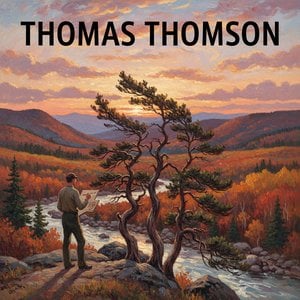
Thomas Thomson: Pioneering Canadian Landscape & the Pursuit of National Identity
Explore the evocative landscapes of Tom Thomson, a pivotal figure in Canadian art & precursor to the Group of Seven. Discover his bold style, lasting legacy, and profound impact on shaping a national artistic identity.

Digital Painting 101: A Collector's Guide to the New Era of Digital Mastery and Algorithmic Art
Master the new era of art with our expert guide to digital painting. Discover how modern aesthetics like Glitch Pop meet traditional mastery, offering sophisticated insights for collectors looking to curate meaningful, high-value contemporary works for their home.