


 Zobacz w skali 1:1
 Wyślij
 Udostępnij
 Szczegóły
 Przewodnik

 Pobierz plik obrazu
 Podobne obiekty
 RTG
RTG Pokaz slajdów
 Statystyki
Montesquieu


 Czytaj więcej
Giclée / Wydruk artystyczny
Wydruki giclée lub płótna o jakości muzealnej, szybka realizacja i szeroki wybór opcji wykończenia. ( Kup ręcznie malowany obraz Przełącz na wersję cyfrową)




P118B zł10

P118H zł10

P118W zł10

P438Z zł10

P508JH zł12

P508YH zł12

P805H zł10

P805Z zł10

P919BZ zł10

P919G zł10

P919XJ zł10

P959ZH zł10

P968JZ zł12

W106C zł8

W218G zł10

W218JH zł8

W218Y zł10

W307PJ zł10

W316G zł10

W316PJ zł8

W316Y zł10

W398PJ zł8

W4111J zł10

W500HY zł15

W500JH zł15

W692G zł12

W849H zł8

W940BG zł15

W953PJ zł8




Wybierz spośród naszych standardowych rozmiarów, które zachowują oryginalne proporcje dzieła sztuki.

Wpisz wymaganą szerokość i wysokość, aby dopasować grafikę do ramy lub ściany. Wydruk można jedynie przyciąć, nigdy nie powiększając go poza oryginalny obraz, dlatego format o innym proporcji spowoduje utratę części kompozycji. Przed rozpoczęciem druku prześlemy Ci cyfrowy podgląd do zatwierdzenia. Obraz wyświetlany na tej stronie nie pokazuje rzeczywistego przycięcia — jedynie podgląd oddaje ten efekt.
Dostawa na cały świat () w ciągu 2 tygodni zamiast standardowych 4/5 tygodni. (24 Październik)

Bezpłatna ekspresowa wysyłka na cały świat

Wysokiej jakości płótno lniane

Pełne ubezpieczenie transportowe

Gwarancja zwrotu należności celnych i podatków importowych

Gwarancja idealnego odwzorowania barw

100-dniowy okres na zwrot dzieła w przypadku wykrycia wad produkcyjnych

Gwarancja 100% zwrotu pieniędzy

Oferta przy zakupie wielu sztuk
 Opcja ze szkłem jest dostępna wyłącznie w rozmiarach poniżej 110 cm

Montesquieu
Giclée / Wydruk artystyczny
Rozmiar reprodukcji
-


Suma do zapłaty
zł 238
The Stoic Scholar: An Encounter with Claude Michel (Clodion)’s “Montesquieu”
Standing before Claude Michel’s (Clodion) marble statue of Montesquieu, one is immediately struck by the profound stillness and contemplative power emanating from the figure. This isn't merely a portrait; it’s an embodiment of Enlightenment thought, a frozen moment of intellectual rigor captured in exquisitely polished white marble. The sculpture, created in 1783, resides within a museum setting, its reflective surface mirroring the surrounding space and subtly expanding the sense of grandeur. Clodion, a master sculptor working primarily in Paris during this period, expertly rendered the likeness of the influential French philosopher, Jean-Jacques Rousseau’s friend and political theorist, Charles de Montesquieu. The statue invites quiet observation, prompting reflection on the nature of reason, justice, and the complexities of governance – themes central to Montesquieu's groundbreaking work, *The Spirit of Laws*.
Neoclassical Form and Subtractive Technique
Clodion’s style firmly anchors this piece within the Neoclassical tradition. This movement, which flourished in Europe during the late 18th and early 19th centuries, sought to revive the artistic ideals of ancient Greece and Rome. The statue's composition—the seated figure, the draped garment, the carefully modeled musculature—all echo classical forms. However, Clodion’s approach transcends mere imitation; he imbues the sculpture with a distinctly modern sensibility. The technique itself is crucial to understanding the work’s impact. Marble carving is an inherently subtractive process – the sculptor begins with a massive block of stone and meticulously removes material until the desired form emerges. This painstaking method, combined with Clodion's masterful control of light and shadow, results in surfaces that appear almost impossibly smooth and luminous. The subtle variations in tone within the marble—a hint of grey near the folds of the robe, a brighter sheen on the exposed flesh—create an illusion of depth and texture, mimicking the tactile qualities of the stone itself.
Symbolism Within the Pose: Authority and Reflection
The pose of Montesquieu is deliberately powerful yet restrained. He’s seated in a classical chair, his posture erect, suggesting authority and intellectual strength. His hands rest upon a book – a clear reference to his extensive writings on law and political philosophy. However, it's not a gesture of triumphant pronouncements; rather, it conveys a sense of thoughtful deliberation. The gaze is directed slightly downward, as if lost in contemplation, inviting the viewer to join him in a shared intellectual journey. The mirrored wall behind the statue further amplifies this effect, creating an echo of the figure and suggesting a deeper level of introspection. It’s a visual metaphor for Montesquieu's own ideas – reflecting back upon society and offering insights into its structure and function.
A Legacy in Stone: Clodion’s Artistic Voice
Claude Michel (Clodion), born Benjamin West in 1738, was a pivotal figure in the transition between Neoclassicism and Romanticism. His early career in America, where he honed his skills painting portraits of prominent figures, provided him with a strong foundation in realism and observation. Later, he moved to Paris, embracing the challenges and opportunities of the European art scene. Clodion’s work is characterized by its dramatic lighting, dynamic compositions, and often theatrical flair. While “Montesquieu” represents his more restrained and contemplative side, it nonetheless showcases his exceptional technical skill and his ability to capture the essence of his subject. Reproductions of this statue offer a remarkable opportunity to experience the enduring power of Neoclassical sculpture – a testament to the artist’s vision and the timeless relevance of Enlightenment ideals. The piece stands as a powerful reminder that art can not only reflect history but also invite us to engage with its profound questions.
Pytania i odpowiedzi
Czy mogę zobaczyć „Montesquieu” autorstwa Claude Michel (Clodion) na własnej ścianie przed zakupem?
Strona Podgląd AR dzieła „Montesquieu” autorstwa Claude Michel (Clodion) wykorzystuje rozszerzoną rzeczywistość, aby pokazać obraz w Twojej własnej przestrzeni za pomocą kompatybilnego urządzenia.
Jakie pochodzenie narodowe stoi za Neoclassicism dzieła "Montesquieu"?
"Montesquieu" łączy nurt Neoclassicism z Francja poprzez miejsce urodzenia jego twórcy.
W którym roku i w ramach jakiego nurtu powstało dzieło "Montesquieu"?
„Montesquieu” autorstwa Claude Michel (Clodion) pochodzi z 1783 roku i należy do nurtu Neoclassicism.
Podobne dzieła


Zobacz także powiązane artykuły

Trwała Forma: Rzeźba w Historii – Technika i Rezonans Emocjonalny
Poznaj historię rzeźby od antyku do współczesności! Ekspercka analiza technik, stylów i emocjonalnego wpływu arcydzieł. Inspiracje dla kolekcjonerów i miłośników sztuki.

10 Legendarnych Brązów, Które Zrewolucjonizowały Sztukę | ArtsDot
Odkryj 10 legendarnych rzeźb brązowych, które zrewolucjonizowały sztukę! Poznaj historie Rodina, Donatello i innych mistrzów. Inspiracje wnętrzarskie & reprodukcje najwyższej jakości na ArtsDot.com.

10 Legendarnych Brązów Rzeźbiarskich, Które Zmieniły Sztukę | ArtsDot
Odkryj 10 legendarnych rzeźb brązowych od Rodina, Degasa i innych mistrzów! Poznaj historię powstania arcydzieł sztuki i inspiruj się do dekoracji wnętrz. Reprodukcje najwyższej jakości na ArtsDot.com – zobacz kolekcję!
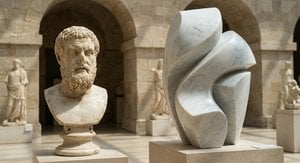
Urok marmuru w historii sztuki: od klasycznej rzeźby do nowoczesnej abstrakcji
Odkryj fascynującą historię rzeźby marmurowej – od klasycznych arcydzieł po nowoczesną abstrakcję. Poznaj techniki, artystów i wartość kolekcjonerską tego wyjątkowego medium. Ekspercka analiza dla miłośników sztuki.

Trwałe Formy: Ewolucja Technik i Tematów w Rzeźbie Przez Wieki – Od Antyku do Renesansu
Poznaj fascynującą historię rzeźby od antyku do renesansu! Odkryj techniki, wybitnych artystów i wpływ na współczesną sztukę. Ekspercka analiza dla kolekcjonerów i miłośników.