
- Strona główna

- Reprodukcja obrazu olejnego
- Cindy Sherman
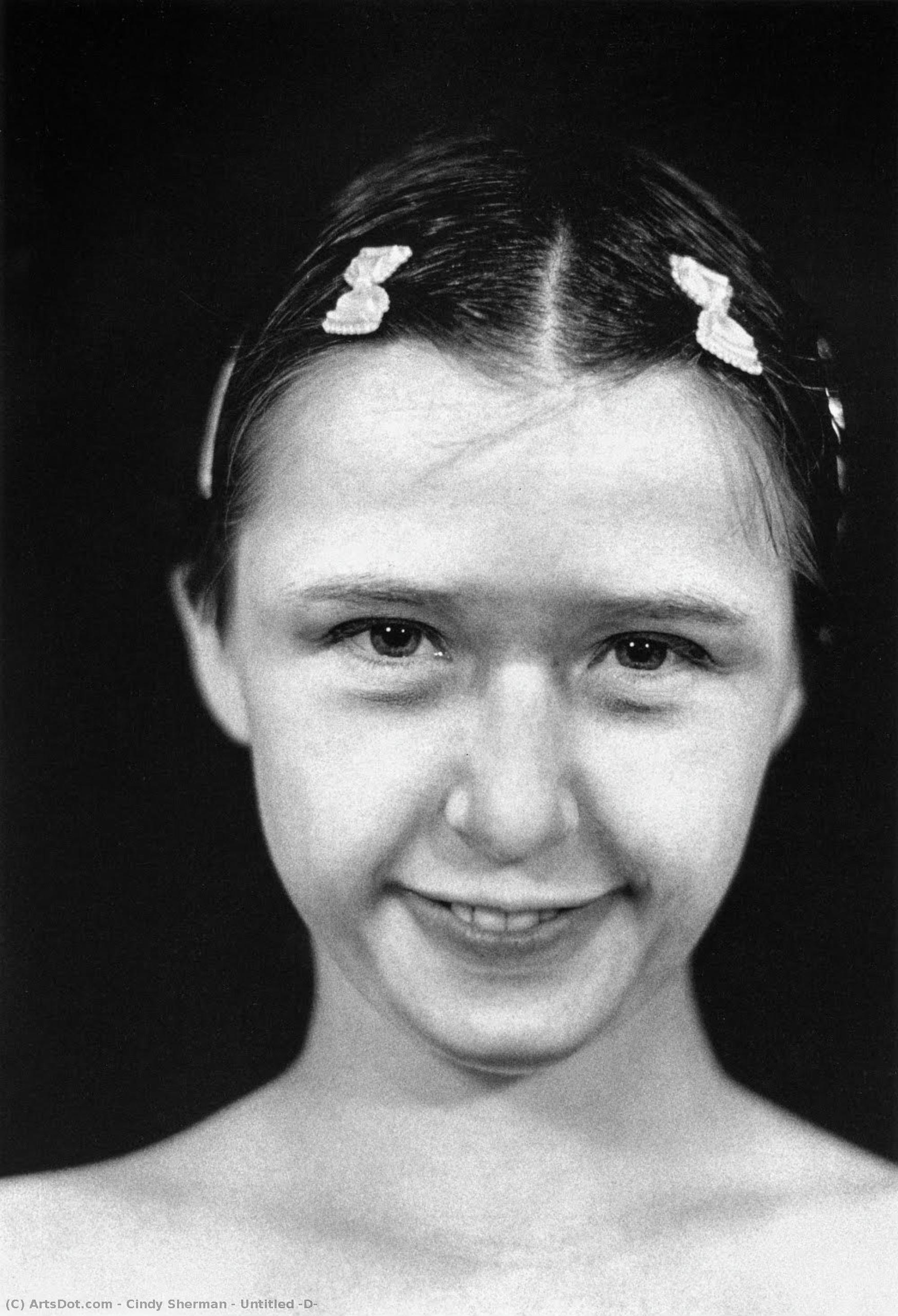
- Niezdefiniowany (D)
 Zamów wydruk Kup cyfrowy obraz
 Udostępnij
 Udostępnij
 Details
 Dodaj do ulubionych

 Pobierz
 Podobne obiekty
 X-Ray
X-Ray
 Pokaz slajdów
Niezdefiniowany (D)
 Akryl na płótnie
- Sztuka ścienna
- Contemporary Realism
 1975
1975 40.0 x 27.0 cm
 The Feminist Institute
Ręcznie malowana reprodukcja olejowa
Ręcznie malowany olej na płótnie w Twoim wymiarze i ramie, tworzony na zamówienie przez naszych artystów.




P118B $10

P118H $10

P118W $10

P438Z $10

P508JH $12

P508YH $12

P805H $10

P805Z $10

P919BZ $10

P919G $10

P919XJ $10

P959ZH $10

P968JZ $12

W106C $8

W218G $10

W218JH $8

W218Y $10

W307PJ $10

W316G $10

W316PJ $8

W316Y $10

W398PJ $8

W4111J $10

W500HY $15

W500JH $15

W692G $12

W849H $8

W940BG $15

W953PJ $8




 Dowiedz się więcej
Wybierz spośród naszych predefiniowanych rozmiarów, które zachowują oryginalne proporcje dzieła sztuki.

Możesz wprowadzić własne wymiary, aby dopasować obraz do konkretnej ramy lub przestrzeni. Jeśli wybrany rozmiar nie będzie odpowiadał proporcjom oryginału, przytniecie dzieło sztuki lub rozszerzymy je o dodatkowe elementy, ręcznie domalowane przez artystę. Przed rozpoczęciem produkcji wyślemy projekt cyfrowy do Twojej akceptacji.
Należy pamiętać, że podgląd na ekranie nie odzwierciedla rzeczywistego przycinania ani rozszerzania obrazu. Tylko projekt dokładnie pokaże ostateczną kompozycję.
Choć oferujemy możliwość zamówienia niestandardowych rozmiarów, zalecamy wybór wymiaru z gotowej listy, aby zachować oryginalne proporcje dzieła.
Po złożeniu zamówienia zespół ArtsDot.com skontaktuje się z klientem drogą mailową w celu uzyskania instrukcji i prześle wizualizację projektu
Dostawa na całym świecie () w ciągu 3/4 tygodni zamiast standardowych 5 tygodni. (1 Lipiec). Bez kompromisów w kwestii jakości.

Bezpłatna ekspresowa wysyłka na cały świat

Wysokiej jakości płótno lniane

Pełne ubezpieczenie przesyłki

Gwarancja zwrotu należności celnych

Gwarancja pełnego zgodności kolorystycznej

Polityka 60-dniowego zwrotu (tylko w przypadku wad)

Gwarancja 100% zwrotu pieniędzy

Zniżka przy większych zamówieniach
 Opcja szkła jest dostępna wyłącznie w rozmiarach poniżej 110 cm

Niezdefiniowany (D)
Technika reprodukcji
Wymiary reprodukcji
-


Cena całkowita
-
Opis dzieła
Cindy Sherman i „Niepodpisana D”: Dekonstrukcja Tożsamości w Czerni i Białej
Cindy Sherman, amerykańska artystka urodzona w 1954 roku, nie szukała wiernego odbicia rzeczywistości; zamiast tego miała obsesję na punkcie rozłożenia na czarno obrazu identyfikacji – jak kształtuje się ona przez środki komunikacji społecznych i samego aktu patrzenia. Jej twórczość nie koncentruje się na tym *kim* ktoś jest, lecz na tym, *jak* postrzegamy go oraz jakie role przypisujemy mu na podstawie powierzchniowych sygnałów. Sherman zainspirowała się filozofią postmodernizmu i krytyką ideologii dominujących, wykorzystując język fotograficzny jako narzędzie do kwestionowania konwencji estetycznych i społecznych. Jej prace są niezwykle złożone i wymagają głębokiego zrozumienia kontekstu kulturowego oraz historii sztuki XX wieku. Sherman często przyznała, że inspiracją dla niej były twórczością takich ikon feministycznej sztuki jak Barbara Kruger czy Cindy Sherman sama – artystka wykorzystująca technikę fotografii teatralnej do stworzenia serii obrazów przedstawiających siebie w różnych rolach społecznych i kulturowych. Szczególną uwagę zwrócono na analizę roli kobiety w społeczeństwie oraz krytykę stereotypowych reprezentacji płci. Jedną z najbardziej rozpoznawalnych prac Sherman jest „Niepodpisana D” (1975), obraz czarno-biały przedstawiający młodą kobietę. Fotografia ta, wykonana techniką druku srebrnego żelatynowego, emanuje atmosferą nostalgii i prostoty charakterystyczną dla estetyki lat Źródła. Kompozycja skupia się na twarzy kobiety, wypełniając znaczną część kadru – minimalistyczne podejście twórcze podkreśla istotę obrazu i koncentruje uwagę odbiorcy na emocjach oraz refleksjach związanych z przedstawionym bohaterką. Fotografię tę można interpretować jako komentarz społeczny do kwestii kobiecej roli w kulturze i społeczeństwie lat 70., oraz jako próbę ukazania złożoności ludzkiej psychiki. Szczególną uwagę zwrócono na wykorzystanie światła – miękkiego, równomiernego, które nie tworzy ostrych cieni i pozwala uchwycić subtelne niuanse tonalne definiujące kształt twarzy kobiety oraz atmosferę obrazu. Dodatkowe elementy dekoracyjne, takie jak delikatny kwiatowy motyw na szyi postaci, wprowadzają dodatkowy poziom symbolizmu i wzbogacają kontekst kulturowy dzieła sztuki. „Niepodpisana D” stanowi doskonały przykład wykorzystania prostoty formy oraz umiejętnego połączenia elementów rzeczywistości z elementami fikcji. Jest to obraz, który zaprasza do refleksji nad kwestiami identyfikacji osobistej i roli mediów w kształtowaniu naszej percepcji świata.- Styl: Fotografia dokumentalna / Portretowa – charakterystyczna dla fotografii lat Źródła.
- Technika: Drukowanie srebrnego żelatynowego – tradycyjna metoda zapewniająca wysoką jakość reprodukcji obrazu.
- Materiał: Fotografia filmowa, aparat fotograficzny, chemikalie ciemniarskie do procesu wydruku.
Podobne dzieła sztuki

![massimo vignelli, vignelli associates - Fort Worth Art Museum The Italian Film: Neorealism and Beyond poster and event calendar\n\n[front view]](/media/artworks/images/thumbnails/e9/9d/e99d0f51e4d4411c9237ff8af0cb0b6b.jpg)


Biografia artysty
A Deconstruction of Identity: The World of Cindy Sherman
Cindy Sherman, a name synonymous with contemporary art’s most provocative explorations of self and representation, emerged from the quiet landscapes of New Jersey in 1954. More than simply a photographer, she is a masterful manipulator of image, meticulously constructing narratives through her self-portraits – portraits that dismantle conventional notions of identity, gender roles, and the very act of looking. Born Cynthia Morris Sherman, her artistic journey began not with grand pronouncements but with quiet observation, fueled by a childhood shaped by a strict upbringing and a mother dedicated to nurturing children facing learning challenges. This formative period instilled within her a keen awareness of social dynamics – the subtle pressures of conformity, the performance of roles, and the power of visual cues – themes that would become central to her enduring body of work.From Painting to Photographic Performance
Sherman’s initial artistic inclinations lay in painting at Buffalo State University, but she quickly recognized its limitations. The desire to *represent* reality felt insufficient; she yearned to dissect it, to expose the mechanisms behind how images shape our understanding. Photography offered a new language – one that allowed for direct engagement with representation and the deliberate manipulation of image itself. This pivotal shift led to her groundbreaking series, Bus Riders (1976), an early experiment in disguise and characterization. Here, Sherman observed and embodied everyday people on public transportation, capturing their anonymity and revealing the subtle performances inherent in daily life. However, it was with the Untitled Film Stills (1977-1980) that she truly catapulted to international recognition. This series of 70 black-and-white photographs presented Sherman herself as archetypal female characters lifted directly from the visual vocabulary of B-movies and television. These weren’t simple recreations; they were evocative interpretations – carefully constructed scenarios hinting at narratives without ever fully revealing them. Each image possessed a strange familiarity, simultaneously recognizable yet unsettling, prompting viewers to question their own assumptions about gender roles and cinematic tropes. The series wasn't merely *about* these characters; it was a profound commentary on the act of representation itself, exposing how images shape our perceptions of identity.Exploring Archetypes and Societal Roles
Throughout the 1980s and beyond, Sherman continued to explore the complexities of constructed identity and societal expectations through a diverse range of projects. The Centerfolds & Fashion Series (1986-1987) confronted the objectification of women in media, meticulously recreating images from magazine spreads with a critical eye – highlighting the often-deceptive beauty standards perpetuated by advertising. The Fairy Tales and Disasters series (mid-to-late 1980s) took her work into more fantastical and unsettling territory, utilizing prosthetics and elaborate makeup to create grotesque imagery that challenged conventional notions of beauty and narrative. She drew inspiration from fairy tales and disaster films, creating characters both alluring and terrifying. The History Portraits (early 1990s) were particularly striking – recreations of historical paintings with subtle but significant alterations. Sherman wasn’t simply copying these works; she was interrogating them, exposing their constructed nature and challenging the power dynamics inherent in traditional portraiture. For example, in a recreation of Titian's *Venus at her Mirror*, Sherman replaced the goddess’s reflection with a distorted image of herself, highlighting the performative aspect of female identity. Later work continued this exploration, often incorporating large-format color photography and digital manipulation to further blur the lines between reality and illusion, pushing the boundaries of photographic representation.Influences and Lasting Legacy
Sherman's artistic practice is deeply rooted in Conceptual Art, prioritizing ideas over traditional technical skills. She draws heavily from Feminist Theory, engaging with critiques of representation and the male gaze – particularly as articulated by Laura Mulvey’s influential essay “Visual Pleasure and Narrative Cinema.” Mulvey’s concept of "to-be-looked-at-ness" – the objectification of women within cinematic structures – became a central concern in Sherman's work. She uses her self-portraits to deconstruct these power dynamics, exposing how images construct and perpetuate stereotypes about women. While pinpointing direct influences is difficult, echoes of Surrealism can also be detected in her exploration of the subconscious and the unsettling juxtaposition of images. Her impact on contemporary art has been profound; she’s considered a key figure in the “Pictures Generation,” a group of artists who explored the impact of mass media on culture. Recognition came with prestigious awards like the MacArthur Fellowship (1995), solidifying her position as one of America's most important contemporary artists. Her photographs are now held by major museums worldwide, including MoMA and the Nelson-Atkins Museum of Art, ensuring that her work continues to be studied and debated for generations to come. Cindy Sherman’s innovative approach to self-portraiture has not only redefined the genre but also continues to provoke critical dialogue about identity, representation, and the pervasive power of images in shaping our perceptions of ourselves and the world around us. Her work remains remarkably relevant today, prompting ongoing discussions about authenticity, performance, and the ever-evolving nature of selfhood in a media-saturated society.
Cindy Sherman
1954 - , Stany Zjednoczone
Kluczowe informacje
- Artistic Movement Or Style: Konceptualizm, Fotografia
- Artists Or Movements Influenced By This Artist: ['Pictures Generation']
- Artists Who Influenced This Artist: ['Laura Mulvey']
- Date Of Birth: 1954-01-19
- Full Name: Cindy Sherman
- Nationality: Amerykańska
- Notable Artworks:
- Untitled Film Stills
- Bus Riders
- Centerfolds
- Fairy Tales
- History Portraits
- Place Of Birth (City And Country): Glen Ridge, USA
Powiązane artykuły

Subtelności cieni: Eksploracja czarno-białych abstrakcji we współczesnym projektowaniu wnętrz
Odkryj subtelności czarno-białych abstrakcji we wnętrzach! Eksperckie porady dotyczące historii, psychologii i zastosowania w projektach hotelowych. Znajdź idealną reprodukcję z ArtsDot.


Beyond the Lens: Photography's Enduring Influence on Modern & Contemporary Art
Explore photography's pivotal role in shaping modern & contemporary art. Discover key movements, influential artists like Stieglitz, and expert collecting advice from ArtsDot.

Beyond the Portrait: Félix Nadar & the Psychological Depths of 19th-Century Photography
Explore the revolutionary photography of Félix Nadar – pioneer of portraiture, aerial imaging & psychological depth. Discover his iconic portraits of Baudelaire, Hugo & more. A deep dive into 19th-century art history.

Echa Przeszłości: Kompleksowa Eksploracja Sztuki Portretu Vintage – Style, Techniki i Trwała Popularność
Odkryj fascynującą historię portretu vintage! Eksploracja stylów, technik malarskich i symboliki portretów od renesansu po XIX wiek. Poradniki dla kolekcjonerów i miłośników sztuki.

Monochromatyczne Wizje: Estetyka i Historyczne Znaczenie Fotografii Czarno-Białej
Odkryj fascynujący świat fotografii czarno-białej! Poznaj historię, techniki i arcydzieła monochromatycznej sztuki. Inspiracje, porady i analiza wpływu na współczesną estetykę. ArtsDot.com.



