


 Zobacz w skali 1:1
 Wyślij
 Udostępnij
 Szczegóły
 Guide
Guide

 Pobierz plik obrazu
 Podobne obiekty
 RTG
RTG Pokaz slajdów
 Statystyki
Paolo and Francesca
 Oil On Canvas
- WallArt
- Academic Realism
 1902
1902- 19th Century
 147.0 x 147.0 cm
 Czytaj więcej
Ręcznie malowana reprodukcja olejowa
Ręcznie malowany obraz olejny na płótnie, wykonany na zamówienie przez naszych artystów w wybranym przez Ciebie wymiarze i oprawie. ( Przełącz na wersję drukowaną Przełącz na wersję cyfrową)




P118B $10

P118H $10

P118W $10

P438Z $10

P508JH $12

P508YH $12

P805H $10

P805Z $10

P919BZ $10

P919G $10

P919XJ $10

P959ZH $10

P968JZ $12

W106C $8

W218G $10

W218JH $8

W218Y $10

W307PJ $10

W316G $10

W316PJ $8

W316Y $10

W398PJ $8

W4111J $10

W500HY $15

W500JH $15

W692G $12

W849H $8

W940BG $15

W953PJ $8




Wybierz spośród naszych standardowych rozmiarów, które zachowują oryginalne proporcje dzieła sztuki.

Możesz wprowadzić własne wymiary, aby dopasować obraz do konkretnej ramy lub przestrzeni. Jeśli wybrany rozmiar nie będzie odpowiadał proporcjom oryginału, przytniecie dzieło sztuki lub rozszerzymy je o dodatkowe elementy, ręcznie domalowane przez artystę. Przed rozpoczęciem produkcji wyślemy projekt cyfrowy do Twojej akceptacji.
Należy pamiętać, że podgląd na ekranie nie odzwierciedla rzeczywistego przycinania ani rozszerzania obrazu. Tylko projekt dokładnie pokaże ostateczną kompozycję.
Choć oferujemy możliwość zamówienia niestandardowych rozmiarów, zalecamy wybór wymiaru z gotowej listy, aby zachować oryginalne proporcje dzieła.
Po złożeniu zamówienia zespół ArtsDot.com skontaktuje się z klientem drogą mailową w celu uzyskania instrukcji i prześle wizualizację projektu
Dostawa na całym świecie () w ciągu 3–4 tygodni zamiast standardowych 5 tygodni. (21 Wrzesień). Bez kompromisów w kwestii jakości.

Bezpłatna ekspresowa wysyłka na cały świat

Wysokiej jakości płótno lniane

Pełne ubezpieczenie transportowe

Gwarancja zwrotu należności celnych i podatków importowych

Gwarancja idealnego odwzorowania barw

100-dniowy okres na zwrot dzieła w przypadku wykrycia wad produkcyjnych

Gwarancja 100% zwrotu pieniędzy

Oferta przy zakupie wielu sztuk
 Opcja ze szkłem jest dostępna wyłącznie w rozmiarach poniżej 110 cm

Paolo and Francesca
Technika wykonania
Rozmiar reprodukcji
-


Suma do zapłaty
$ 263
A Forbidden Embrace Captured in Oil
In the evocative masterpiece Paolo and Francesca, created in 1902 by the Welsh artist Christopher Williams, we are invited into a moment of profound intimacy and tragic consequence. The painting depicts the legendary lovers caught in a feverish embrace, their bodies entwined in a passionate kiss that defies the rigid societal structures of their era. Williams masterfully captures the tension between desire and discovery, placing the figures in an ornate, richly textured setting where every brushstroke contributes to the mounting drama. The man leans over the woman with an intensity that speaks of both tenderness and desperation, creating a focal point that draws the viewer into the very heart of their illicit romance.
The composition is far more than a mere romantic tableau; it is a sophisticated study in symbolism and atmosphere. Surrounding the lovers are scattered books, which serve as a poignant metaphor for the forbidden knowledge and the literary origins of their tragic tale. These volumes suggest that their passion was ignited by the very stories they read, blurring the line between fiction and reality. The background, featuring an elegant bench and a delicate vase set against decorative wallpaper, provides a sense of domestic stability that stands in stark contrast to the chaotic, unbridled emotion of the central figures. This juxtaposition heightens the sense of peril, reminding us that their private sanctuary is on the verge of being shattered by the outside world.
Technique and Aesthetic Grandeur
Christopher Williams utilizes a rich, painterly technique that breathes life into the textures of the scene. The interplay of light and shadow—a hallmark of the late Victorian and early Edwardian styles—casts a soft, romantic glow upon the skin of the lovers while deepening the shadows within the folds of their clothing and the corners of the room. This mastery of chiaroscuro lends a three-dimensional quality to the work, making the physical closeness of Paolo and Francesca feel almost palpable to the observer. The artist’s ability to render fine details, from the intricate patterns of the wallpaper to the weight of the surrounding objects, demonstrates a technical prowess that elevates the piece from a narrative illustration to a high-art triumph.
For collectors and interior designers, this reproduction offers an unparalleled opportunity to introduce a sense of historical depth and emotional resonance into a curated space. The 147 x 147 cm format provides a commanding presence, making it an ideal centerpiece for a grand salon, a sophisticated study, or a luxurious bedroom suite. As a hand-painted tribute to Williams' vision, this artwork does not merely decorate a wall; it tells a story of eternal longing and the enduring power of human passion. It serves as a conversation piece that invites contemplation, offering a window into a bygone era of romanticism and dramatic storytelling.
Podobne dzieła


Biografia artysty
Christopher Williams: A Welsh Visionary of the Celtic Revival
Christopher David Williams (1873-1934) stands as a pivotal figure in Welsh art, a painter whose evocative works captured not only the beauty of his homeland but also its rich cultural heritage and the spirit of the burgeoning Celtic Revival. Born in Maesygwrath, a small village nestled in the heart of Glamorgan, Williams’s artistic journey was far from predetermined; initially destined for a career in medicine by his father, Evan Williams, a transformative encounter with the Walker Art Gallery in Liverpool ignited within him an unshakeable passion for painting – a path he resolutely pursued.
Early Training and Artistic Foundations
Williams’s formal artistic education began at the Neath Technical Institute in 1892-1893, providing him with a foundational understanding of technique. However, his ambition quickly propelled him towards more prestigious institutions. He subsequently enrolled at the Royal College of Art in London for three years, followed by further refinement at the Royal Academy Schools from 1896 to 1901. These formative years exposed him to the rigorous standards and diverse influences prevalent within the British art establishment. Crucially, his time at the Royal Academy was profoundly shaped by the work of Frederick Leighton, whose meticulously detailed historical paintings instilled in Williams a deep appreciation for academic technique and a commitment to capturing beauty with precision and grace. Leighton’s *Perseus and Andromeda*, witnessed during a visit to Liverpool, served as a catalyst, revealing an entirely new world of artistic possibility.
Key Influences and Artistic Style
Beyond Leighton, Williams drew inspiration from the Pre-Raphaelite movement, with its emphasis on romanticism, symbolism, and vibrant color. He also embraced the broader currents of the Celtic Revival, a cultural and artistic movement that sought to revive interest in Welsh mythology, folklore, and language. This influence is particularly evident in his landscapes, which often depict dramatic mountain ranges, ancient forests, and evocative coastal scenes – imbued with a sense of timelessness and spiritual resonance. His portraits, too, reflect this sensibility, capturing not just the likenesses of his subjects but also their inner lives and personalities. Williams’s palette was rich and luminous, employing bold contrasts and subtle gradations to create depth and atmosphere. He skillfully blended realism with expressive brushwork, resulting in paintings that are both technically accomplished and emotionally engaging.
Major Achievements and Royal Recognition
Williams's artistic career gained significant momentum through his inclusion in the prestigious Royal Academy exhibitions, beginning in 1902. His *Paolo and Francesca*, a poignant depiction of tragic love, garnered considerable attention, followed by a portrait of his father in 1903. He continued to exhibit at the Royal Academy for eighteen years, showcasing a diverse range of subjects – portraits of prominent figures, historical scenes, and evocative landscapes. A particularly momentous occasion arrived in 1911 when King George V commissioned Williams to create a commemorative painting of the investiture of Edward, Prince of Wales at Caernarfon Castle. This monumental work, reflecting both royal grandeur and Welsh identity, cemented his reputation as one of the leading artists of his time. Furthermore, he was elected into the Royal Society of British Artists in 1910, solidifying his position within the established art world.
Themes, Legacy, and Enduring Significance
Williams’s artistic output spanned a wide range of subjects, but several recurring themes emerge. He frequently depicted Welsh landscapes – capturing their rugged beauty and spiritual significance. He also explored themes from Welsh mythology and folklore, notably in works such as *Ceridwen*, a powerful depiction of the Welsh goddess of inspiration, and *Branwen*, a haunting portrayal of the tragic heroine of the Mabinogion. His portraits are distinguished by their psychological depth and ability to convey the character and personality of his subjects. Christopher Williams’s legacy extends beyond his individual works; he played a vital role in promoting Welsh art and culture during his lifetime, serving as an adjudicator at the National Eisteddfod and contributing to the National Museum of Wales and the Honourable Society of Cymmrodorion. His paintings remain treasured examples of Welsh artistic heritage, offering a window into the beauty, history, and spirit of his nation.

christopher williams
1873 - 1934 , Walia
Najważniejsze informacje
- Artistic Movement Or Style: Celtic Revival, malarstwo wiktoriańskie
- Artists Or Movements Influenced By This Artist: ['Mabinogion']
- Artists Who Influenced This Artist: ['Frederick Leighton']
- Date Of Birth: 7 stycznia 1873
- Date Of Death: 19 lipca 1934
- Full Name: Christopher David Williams
- Nationality: Walijczyk
- Notable Artworks:
- Paolo i Francesca
- Portret ojca
- Place Of Birth: Maesygwrath, Walia
Zobacz także powiązane artykuły

Jacopo Tintoretto: 25 Arcydzieł Pełnych Dramatyzmu i Światła | ArtsDot.com
Odkryj 25 arcydzieł Jacopo Tintoretto – weneckiego mistrza dramatyzmu i światła! Poznaj historie, techniki i inspiracje za jego najsłynniejszymi obrazami. Reprodukcje najwyższej jakości na ArtsDot.com. Eksploruj kolekcję online!
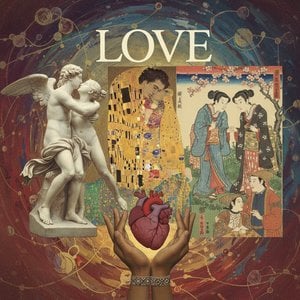
The Enduring Motif of Love in Art History: A Cross-Cultural Exploration of Representation and Emotion
Explore the rich history of love in art! Discover iconic masterpieces, artistic techniques & cultural symbolism from antiquity to modern times. Expert analysis for collectors.

10 Arcydzieł Sztuki na Wesele: Idealne Prezenty z Historią | ArtsDot.com
Znajdź idealny prezent na wesele! Odkryj 10 arcydzieł sztuki – od Van Gogha po Moneta – symbolizujących miłość i szczęście. Reprodukcje obrazów najwyższej jakości na ArtsDot.com. Inspiracje wnętrzarskie i luksusowe dekoracje ślubne czekają! Odkryj pełną kolekcję online.

10 Arcydzieł Sztuki, Które Rozpalają Romantyzm – Inspiracje do Wnętrz
Odkryj 10 arcydzieł romantyzmu! Poznaj historie miłości, pasji i emocji w malarstwie Delacroix, Friedricha i innych mistrzów. Inspiracje do wnętrz i reprodukcje obrazów najwyższej jakości na ArtsDot.com

Prezent na Rocznicę z Duszą: 10 Arcydzieł Sztuki dla Kochanych | ArtsDot.com
Znajdź idealny prezent na rocznicę! Odkryj 10 arcydzieł sztuki – od Van Gogha po Moneta – i ich wzruszające historie. Reprodukcje obrazów najwyższej jakości dla wyjątkowych wnętrz. ArtsDot.com - inspiracje i dekoracje z duszą. Explore the full collection online!


