

 Podgląd w skali 1:1
 Wyślij jako kartkę
 Udostępnij
 Szczegóły dzieła
 Przewodnik

 Pobierz obraz
 Podobne obiekty
 RTG
RTG Pokaz slajdów
 Pytania i odpowiedzi
 Statystyki
Two Hanged Teals


 Rozwiń treść
Giclée / Wydruk artystyczny
Wydruki giclée lub płótna o jakości muzealnej, szybka realizacja i szeroki wybór opcji wykończenia. ( Zamów ręcznie malowaną reprodukcję Przejdź do wersji cyfrowej)




P118B zł10

P118H zł10

P118W zł10

P438Z zł10

P508JH zł12

P508YH zł12

P805H zł10

P805Z zł10

P919BZ zł10

P919G zł10

P919XJ zł10

P959ZH zł10

P968JZ zł12

W106C zł8

W218G zł10

W218JH zł8

W218Y zł10

W307PJ zł10

W316G zł10

W316PJ zł8

W316Y zł10

W398PJ zł8

W4111J zł10

W500HY zł15

W500JH zł15

W692G zł12

W849H zł8

W940BG zł15

W953PJ zł8




Wybierz spośród naszych standardowych rozmiarów, które zachowują oryginalne proporcje dzieła sztuki.

Wpisz wymaganą szerokość i wysokość, aby dopasować grafikę do ramy lub ściany. Wydruk można jedynie przyciąć, nigdy nie powiększając go poza oryginalny obraz, dlatego format o innych proporcjach spowoduje utratę części kompozycji. Przed rozpoczęciem druku prześlemy Ci cyfrowy podgląd do zatwierdzenia. Obraz wyświetlany na tej stronie nie pokazuje rzeczywistego przycięcia — jedynie podgląd oddaje ten efekt.
Dostawa na cały świat () w ciągu 2 tygodni zamiast standardowych 4/5 tygodni. (5 Listopad)

Bezpłatna ekspresowa wysyłka na cały świat

Wysokiej jakości płótno lniane

Pełne ubezpieczenie przesyłki

Gwarancja zwrotu należności celnych i podatków importowych

Gwarancja wiernego odwzorowania kolorów

100-dniowa polityka zwrotów (tylko w przypadku wad)

Gwarancja 100% zwrotu pieniędzy

Zniżka przy zakupie wielu sztuk
 Opcja ze szkłem jest dostępna wyłącznie w rozmiarach poniżej 110 cm

Two Hanged Teals
Giclée / Wydruk artystyczny
Wymiary reprodukcji
-


Cena całkowita
zł 245
A Moment Frozen in Time: Examining Cesare Dandini’s “Two Hanged Teals”
Cesare Dandini's "Two Hanged Teals," housed at the Galleria degli Uffizi in Florence, Italy, stands as a testament to the meticulous realism and subtle emotional depth characteristic of Baroque art. Painted circa 1630-1640, this seemingly simple still life transcends its subject matter—two freshly plucked teal birds suspended from hooks—to offer a profound meditation on mortality and beauty within a framework of religious contemplation. Dandini’s masterful technique captures the delicate textures of feathers and skin with astonishing precision, reflecting the prevailing artistic ideals of his era: an unwavering commitment to observation and an ability to convey psychological nuance.The Baroque Aesthetic: Light, Drama, and Anatomical Accuracy
Dandini's work firmly establishes itself within the Baroque tradition—a movement that prioritized dramatic lighting, opulent color palettes, and a heightened sense of theatricality. The muted brown background serves as a deliberate counterpoint to the birds’ vibrant plumage, directing the viewer’s gaze upwards towards the ornate hook, emphasizing the vertical axis and reinforcing the painting's solemn mood. Like many Baroque artists striving for scientific accuracy, Dandini meticulously studied anatomy—a pursuit championed by Vesalius—resulting in an incredibly detailed depiction of the birds’ musculature and skeletal structure. This dedication to realism wasn’t merely decorative; it served as a conduit for conveying spiritual truths through naturalistic representation.Symbolism Within Still Life: Death and Resurrection
Beyond its technical brilliance, “Two Hanged Teals” carries significant symbolic weight. The teal bird itself—a species known for its vulnerability—represents fragility and mortality. Its hanging position evokes images of crucifixion, referencing Christian iconography and symbolizing sacrifice and redemption. Dandini’s careful positioning of the birds' heads upward suggests an aspiration towards divine grace, hinting at a belief in resurrection and eternal life – themes central to Baroque spirituality. The artist’s deliberate choice of composition underscores the pervasive preoccupation with death and rebirth during this period.A Legacy of Florentine Artistic Tradition
Cesare Dandini belonged to a lineage of Florentine painters deeply rooted in Renaissance humanist ideals, yet decisively shaped by the burgeoning influence of Baroque aesthetics. His brother Vincenzo Dandini and nephew Pietro Dandini were equally accomplished artists, establishing a family tradition dedicated to artistic excellence. Dandini’s apprenticeship under Cristofano Allori and Domenico Passignano ensured he absorbed the stylistic innovations of his time—a synthesis between classical elegance and dramatic expression. The Galleria degli Uffizi's acquisition of “Two Hanged Teals” solidified Dandini’s place as a pivotal figure in Florentine Baroque art, securing his reputation for capturing both visual beauty and spiritual contemplation.Reproductions: Bringing Dandini’s Vision to Life
Today, reproductions of "Two Hanged Teals" offer an opportunity to experience the artistry of Cesare Dandini firsthand. ArtsDot.com presents exceptionally detailed prints that faithfully recreate the painting's luminous palette and textural nuances—allowing admirers worldwide to appreciate Dandini’s profound artistic legacy. Explore a stunning collection of high-quality reproductions designed to inspire and delight.Pytania i odpowiedzi
W jaki sposób "Two Hanged Teals" balansuje światło i cień?
Jasność dzieła „Two Hanged Teals” – Cesare Dandini wynosi balanced, przy luminancji na poziomie Soft Shadow.
Czy „Two Hanged Teals” – Cesare Dandini należy do najbardziej pożądanych dzieł w nurcie Baroque?
„Two Hanged Teals” figuruje w katalogu jako dzieło o Iconic wśród prac należących do nurtu Baroque.
Czy dzieło "Two Hanged Teals" posiada podgląd w rozszerzonej rzeczywistości?
Dzieło „Two Hanged Teals” – Cesare Dandini możesz zobaczyć na własnej ścianie dzięki stronie Podgląd w AR, wykorzystując rozszerzoną rzeczywistość na kompatybilnym urządzeniu.
Podobne dzieła


Biografia artysty
Cesare Dandini (1596-1657): Florentine Baroque Painter
Cesare Dandini, born in Florence in 1596, emerged during a period of dynamic artistic transition – the Baroque era was taking hold, yet the echoes of Renaissance mastery still resonated strongly within the city’s workshops. He wasn't merely a painter; he was a product of a deeply ingrained Florentine artistic lineage, a family whose dedication to craft spanned generations. His older brother, Vincenzo Dandini, also achieved recognition as a painter, and this creative spirit continued through their nephew Pietro, and even into his sons, Ottaviano and the Jesuit priest Vincenzo, ensuring the Dandini name remained synonymous with artistry in Florence for decades. Cesare’s formal training began under Francesco Curradi, where he likely honed foundational skills, before progressing to Cristofano Allori, a figure who would significantly influence his developing style. His apprenticeship culminated with Domenico Passignano, absorbing the lessons of each master and forging a path toward his own unique artistic voice. In 1621, Dandini’s commitment was formalized through enrollment in the Accademia del Disegno, solidifying his place within Florence's vibrant art community.- Early Influences & Training: Cesare’s formative years were marked by exposure to prominent Florentine artists like Francesco Curradi and Cristofano Allori. These masters instilled in him a foundational understanding of form and composition, shaping the bedrock of his artistic style.
- The Accademia del Disegno & Artistic Community: Dandini joined the prestigious Accademia del Disegno in 1621, immersing himself in Florence’s burgeoning art scene and collaborating with fellow artists who championed similar stylistic approaches.
The Flourishing of a Baroque Style
Dandini’s work is deeply rooted in the Florentine tradition, yet it embraces the burgeoning characteristics of the Baroque period. He became known for employing striking color contrasts – a hallmark of Florentine painting – and constructing elegant compositions that drew the viewer into the scene. However, his artistry wasn't simply about dramatic effect; it was underpinned by a refined attention to draughtsmanship and design, qualities often associated with artists like Carlo Dolci. This meticulous approach is evident across his oeuvre, revealing a dedication to both technical skill and aesthetic harmony. The influence of his mentors – Curradi, Allori, and Passignano – are readily discernible in his paintings. From Curradi he likely absorbed an early understanding of form and composition; from Allori, a refined sense of color and detail; and from Passignano, a dramatic flair that would become characteristic of his mature style. Dandini didn’t merely imitate these influences; he synthesized them into something distinctly his own, resonating with the tastes and sensibilities of Florentine patrons.- Color Contrast & Composition: Dandini skillfully utilized bold color palettes—a technique inherited from Florentine painters—to create visually arresting compositions that captivated audiences.
- Draftsmanship & Design Principles: Like Carlo Dolci, Dandini prioritized meticulous draughtsmanship and design, ensuring his paintings possessed both elegance and structural integrity.
Themes and Masterpieces
Dandini's artistic output encompassed a diverse range of subjects, but religious themes and mythological scenes formed the core of his work. Charity, for example, showcases his refined style and technical prowess, demonstrating his ability to imbue figures with both grace and emotional depth. His depictions of the Holy Family reveal a mastery of religious iconography, while portraits like Portrait of a Boy exemplify his skill in capturing character and detail. The timeless beauty of his Madonna and Child paintings speaks to a deep understanding of faith and artistic tradition. Beyond the purely devotional, Dandini also engaged with allegorical subjects, as seen in An Allegory of Intelligence, demonstrating an intellectual curiosity that extended beyond mere representation. These works weren’t simply exercises in technical skill; they were expressions of belief, philosophical inquiry, and a profound appreciation for beauty.- Religious Iconography: Dandini’s depictions of biblical figures—particularly Mary and Jesus—were imbued with symbolic meaning and executed with exceptional precision.
- Psychological Portraiture: His portraits captured not only physical likeness but also subtle expressions of emotion, conveying a deep understanding of human psychology.
A Legacy Passed Down Through Generations
Cesare Dandini was not only a gifted painter but also a dedicated educator, generously sharing his knowledge with the next generation of artists. Among his pupils were Stefano della Bella, renowned for his etchings; Alessandro Rosi; Antonio Giusti, a skilled landscape painter; Giovanni Domenico Ferrucci; and Jacopo Giorgi. Through these students, Dandini’s artistic influence continued to shape the Florentine art world long after his death in 1657. He left behind not just a body of work but also a lineage of artists who carried forward his techniques, principles, and aesthetic sensibilities. While perhaps not as widely celebrated as some of his contemporaries, Cesare Dandini played a vital role in maintaining Florence’s artistic vitality during the Baroque period. His contribution lies in his dedication to preserving the traditions of Florentine painting while embracing the innovations of his time. The recent rediscovery of lost works, such as “Holy Family with the Infant St. John”, serves as a testament to his enduring importance and invites renewed appreciation for his contributions to art history.
Cesare Dandini
1596 - 1657 , Włochy
Krótka nota
- Artistic Movement Or Style: Baroque
- Artists Or Movements Influenced By This Artist:
- Stefano della Bella
- Alessandro Rosi
- Artists Who Influenced This Artist:
- Francesco Curradi
- Cristofano Allori
- Domenico Passignano
- Date Of Birth: 1596
- Full Name: Cesare Dandini
- Nationality: Italian
- Notable Artworks:
- Holy Family
- Allegory of Intelligence
- St Cecilia
- Penitent Magdalen
- Place Of Birth: Florence, Italy
Powiązane artykuły

Silent Narratives: Exploring the Enduring Appeal of Still Life Painting Across Centuries
Explore the rich history of still life painting with ArtsDot. Discover Dutch Masters, decode vanitas symbolism & learn about collecting timeless art. Expert insights and museum-quality reproductions.

Dramatyczny Rozkwit Baroku: Dziedzictwo Sztuki Kontrreformacji i Mistrzowie Chiaroscuro
Odkryj dramatyczny świat baroku! Poznaj historię sztuki kontrreformacji, mistrzów chiaroscuro i weneckich arcydzieł. Reprodukcje najwyższej jakości na ArtsDot.com.

Barokowe arcydzieła: 10 obrazów, które zdefiniowały epokę | ArtsDot.com
Odkryj 10 arcydzieł baroku! Caravaggio, Rembrandt, Rubens i inni artyści, którzy zdefiniowali epokę. Poznaj historie, techniki i inspiracje tych niezwykłych obrazów. Reprodukcje najwyższej jakości na ArtsDot.com – idealne do Twojego wnętrza!

Barokowy Dramat we Wnętrzach: Sztuka Przepychu i Elegancji w Twoim Domu
Odkryj świat barokowego przepychu! Porady ekspertów jak wprowadzić elegancję i dramat do Twojego wnętrza. Inspiracje, charakterystyka stylu i praktyczne wskazówki.
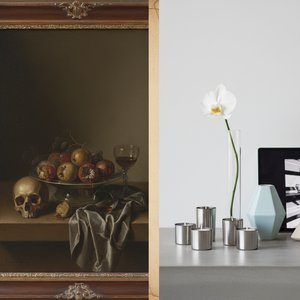
Martwa natura w sztuce: od starożytności do współczesności – historia, symbolika i trwały urok
Odkryj fascynującą historię martwej natury w sztuce – od antycznych początków po współczesne reinterpretacje. Poznaj mistrzów, symbolikę i techniki malarskie. Ekskluzywne artykuły na ArtsDot.com!