


 Zobacz w skali 1:1
 Wyślij
 Udostępnij
 Szczegóły
 Przewodnik

 Pobierz plik obrazu
 Podobne obiekty
 RTG
RTG Pokaz slajdów
 Statystyki
Project for
 50.0 x 55.0 cm
 MAGA - Museo Arte Gallarate
 Czytaj więcej
Dzieło sztuki prezentowane na tej stronie podlega ochronie prawem autorskim, co oznacza, że nie mamy prawa do tworzenia ani sprzedaży jego identycznej reprodukcji. Ochrona ta jest egzekwowana na mocy umów międzynarodowych, takich jak Konwencja berneńska oraz przez przepisy prawa krajowego, w tym te określone w Prawo autorskie USA – Tytuł 17.
Jako pełną szacunku i legalną alternatywę oferujemy personalizowane, malowane ręcznie dzieła sztuki inspirowane oryginałem. Nasi wykwalifikowani i profesjonalni artyści starannie analizują styl, nastrój oraz artystyczną esencję pierwowzoru, aby stworzyć nowe, unikalne dzieło, które przywołuje te same emocje – pozostając jednocześnie w pełni oryginalną kreacją.
Metoda ta jest w pełni zgodna z przepisami prawa autorskiego, ponieważ nie polega na kopiowaniu ani powielaniu chronionego dzieła. Stanowi ona kreatywną reinterpretację – nowy obraz, który czerpie inspirację z oryginału, ale nie jest z nim tożsamy.
Ręcznie malowana reprodukcja olejowa
Ręcznie malowany obraz olejny na płótnie, wykonany na zamówienie przez naszych artystów w wybranym przez Ciebie wymiarze i oprawie. ( Przełącz na wersję drukowaną Przełącz na wersję cyfrową)




































Wybierz spośród naszych standardowych rozmiarów, które zachowują oryginalne proporcje dzieła sztuki.

Wpisz wymaganą szerokość i wysokość, aby obraz pasował do Twojej ramy lub ściany. Ponieważ jest to dzieło malowane ręcznie, w przypadku rozmiaru o innym proporcji artysta może domalować nieco więcej wokół obrazu lub przyciąć fragmenty — wybór należy do Ciebie. Przed rozpoczęciem pracy prześlemy Ci cyfrową wizualizację do zatwierdzenia. Obraz widoczny na tej stronie nie przedstawia rzeczywistego efektu — jedynie wizualizacja oddaje realny rezultat.
Po złożeniu zamówienia zespół ArtsDot.com skontaktuje się z klientem drogą mailową w celu uzyskania instrukcji i prześle wizualizację projektu
Dostawa na całym świecie () w ciągu 3–4 tygodni zamiast standardowych 5 tygodni. (22 Październik). Bez kompromisów w kwestii jakości.

Bezpłatna ekspresowa wysyłka na cały świat

Wysokiej jakości płótno lniane

Pełne ubezpieczenie transportowe

Gwarancja zwrotu należności celnych i podatków importowych

Gwarancja idealnego odwzorowania barw

100-dniowy okres na zwrot dzieła w przypadku wykrycia wad produkcyjnych

Gwarancja 100% zwrotu pieniędzy

Oferta przy zakupie wielu sztuk
 Opcja ze szkłem jest dostępna wyłącznie w rozmiarach poniżej 110 cm

Project for
Technika wykonania
Rozmiar reprodukcji
-


Suma do zapłaty
zł 999
Podobne dzieła


Biografia artysty
Bruno Munari: A Life in Art and Design
Early Life and Education
- Born on October 24, 1907, in Milan, Italy, Bruno Munari was a pivotal figure in 20th-century art, design, and graphics.
- His childhood was spent largely in Badia Polesine after his family relocated to run a hotel. This rural upbringing likely fostered an early sense of observation and resourcefulness.
- He returned to Milan in 1926 and initially worked with his engineer uncle before dedicating himself to artistic pursuits.
Futurism and Early Artistic Development
- In 1927, Munari embraced the principles of Futurism, aligning himself with Filippo Marinetti and participating in numerous exhibitions. This early exposure to the movement’s dynamism and rejection of traditional forms profoundly shaped his aesthetic sensibility.
- From 1930 to 1938, he collaborated with Riccardo Castagnedi (Ricas) as a graphic designer, honing his skills in visual communication.
- A trip to Paris in 1933 brought him into contact with influential figures like Louis Aragon and André Breton, broadening his artistic horizons.
Mid-Career: Design, Publishing & War Years
- Between 1938 and 1943, Munari served as a press graphic designer for Mondadori publishing house, also acting as art director for the magazines Tempo and Grazia.
- During this period, he began designing books for children, initially inspired by his son Alberto. This marked the beginning of a lifelong interest in pedagogy and accessible design.
- The experience of World War II led Munari to disassociate himself from Italian Futurism due to its increasingly proto-fascist leanings.
Concrete Art & Post-War Innovation
- In 1948, Munari co-founded Movimento Arte Concreta (MAC), the Italian movement for Concrete Art, alongside Gillo Dorfles, Gianni Monnet, and Atanasio Soldati. This signaled a shift towards abstraction and geometric forms.
- The 1940s and 50s saw Munari designing a wide range of objects for Italian industry – from light fixtures and ashtrays to televisions, espresso machines, and toys. He believed in the integration of art and everyday life.
Later Life & Legacy
- Concerned about misinterpretations of his diverse body of work, Munari enlisted art historian Miroslava Hajek in 1969 to curate a selection of his most important pieces. This collection aimed to showcase the thematic coherence and evolution of his artistic philosophy.
- Munari’s work extended beyond traditional art forms; he explored games, didactic methods, movement, tactile learning, and creativity, demonstrating a holistic approach to design and education.
- He died in Milan on September 29, 1998, leaving behind a vast and influential legacy.
Major Achievements & Historical Significance
- Pioneering multidisciplinary artist: Munari seamlessly blended art, design, and pedagogy, challenging conventional boundaries.
- Influence on Italian Design: His industrial designs helped shape the aesthetic of post-war Italy.
- Advocate for Tactile Learning: He developed innovative educational materials that emphasized hands-on experience and sensory exploration.
- Champion of Concrete Art: Munari’s contribution to MAC solidified his place in the history of abstract art.
- Lasting Impact on Graphic Design: His graphic work remains influential for its clarity, simplicity, and innovative use of typography.
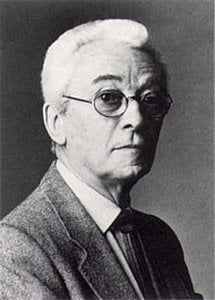
Bruno Munari
1907 - 1998 , Italy
Najważniejsze informacje
- Name: Bruno Munari
- Movement:
- Futurism
- Concrete Art
- Birth Date: 1907-10-24
- Death Date: 1998-09-29
- Birth Place: Milan, Italy
- Nationality: Italian
- Date Of Birth: 1907
- Date Of Death: 1998
- Influenced By: Marinetti
- Notable Works:
- Otto colori in un quadrato
- Progetto grafico di tessuto per la X Triennale di Milano
- Place Of Birth: Milan, Italy