


 Zobacz w skali 1:1
 Wyślij
 Udostępnij
 Szczegóły
 Przewodnik

 Pobierz plik obrazu
 Podobne obiekty
 RTG
RTG Pokaz slajdów
 Statystyki
At The Ball

 Czytaj więcej
Giclée / Wydruk artystyczny
Wydruki giclée lub płótna o jakości muzealnej, szybka realizacja i szeroki wybór opcji wykończenia. ( Kup ręcznie malowany obraz Przełącz na wersję cyfrową)




P118B zł10

P118H zł10

P118W zł10

P438Z zł10

P508JH zł12

P508YH zł12

P805H zł10

P805Z zł10

P919BZ zł10

P919G zł10

P919XJ zł10

P959ZH zł10

P968JZ zł12

W106C zł8

W218G zł10

W218JH zł8

W218Y zł10

W307PJ zł10

W316G zł10

W316PJ zł8

W316Y zł10

W398PJ zł8

W4111J zł10

W500HY zł15

W500JH zł15

W692G zł12

W849H zł8

W940BG zł15

W953PJ zł8




Wybierz spośród naszych standardowych rozmiarów, które zachowują oryginalne proporcje dzieła sztuki.

Wpisz wymaganą szerokość i wysokość, aby dopasować grafikę do ramy lub ściany. Wydruk można jedynie przyciąć, nigdy nie powiększając go poza oryginalny obraz, dlatego format o innym proporcji spowoduje utratę części kompozycji. Przed rozpoczęciem druku prześlemy Ci cyfrowy podgląd do zatwierdzenia. Obraz wyświetlany na tej stronie nie pokazuje rzeczywistego przycięcia — jedynie podgląd oddaje ten efekt.
Dostawa na cały świat () w ciągu 2 tygodni zamiast standardowych 4/5 tygodni. (22 Październik)

Bezpłatna ekspresowa wysyłka na cały świat

Wysokiej jakości płótno lniane

Pełne ubezpieczenie transportowe

Gwarancja zwrotu należności celnych i podatków importowych

Gwarancja idealnego odwzorowania barw

100-dniowy okres na zwrot dzieła w przypadku wykrycia wad produkcyjnych

Gwarancja 100% zwrotu pieniędzy

Oferta przy zakupie wielu sztuk
 Opcja ze szkłem jest dostępna wyłącznie w rozmiarach poniżej 110 cm

At The Ball
Giclée / Wydruk artystyczny
Rozmiar reprodukcji
-


Suma do zapłaty
zł 238
A Night of Revelry: Immersing Yourself in Boris Grigoriev’s “At The Ball”
“At The Ball” by Boris Dmitrievich Grigoriev is a captivating glimpse into the vibrant social scene of turn-of-the-century Russia, rendered with the expressive energy of Impressionism. This painting isn't merely a depiction of a ballroom; it’s an invitation to step *into* the swirling currents of music, conversation, and fleeting encounters.Subject & Composition: A Moment Frozen in Time
The artwork presents a crowded yet harmonious composition filled with dancers and socialites engaged in lively interaction. Grigoriev masterfully captures a dynamic moment – not a posed portrait, but the very *feeling* of being swept up in a grand ball. Figures overlap and blend, creating a sense of movement and immediacy. The focus isn’t on individual portraits, but rather on the collective energy and atmosphere of the event. It's a celebration of social life, hinting at the indulgence and excitement characteristic of Parisian and Russian nightlife during this period.Style & Technique: Impressionistic Brushwork
Grigoriev’s style in “At The Ball” is firmly rooted in Impressionism, though with a distinctly Russian sensibility. He employs loose, visible brushstrokes to build form and convey light. This technique isn't about precise representation; it’s about capturing the *impression* of light and movement. Warm tones – rich reds, oranges, and browns – dominate the palette, creating an intimate and theatrical mood. The textured surface, built up with layered paint, adds depth and visual interest. Notice how the flattened perspective prioritizes the overall effect over strict realism, a hallmark of the Impressionist approach.Historical Context: A Russian Artist in Transition
Born in 1886, Boris Grigoriev lived through a period of immense social and artistic change in Russia. He initially trained in traditional methods but quickly embraced the emerging avant-garde movements. His early exposure to Impressionism, as a member of the “Studio of Impressionists” group in 1909, profoundly influenced his work. Later becoming associated with the "World of Art" movement, Grigoriev navigated between established and experimental styles. “At The Ball” reflects this transitional period, showcasing his mastery of Impressionistic techniques while hinting at a deeper exploration of form and emotion that would characterize his later works. His personal history – born out of wedlock – also subtly informed his artistic perspective, often leading him to explore themes of societal observation and individual experience.Symbolism & Emotional Impact: Beyond the Surface
While not overtly symbolic, “At The Ball” evokes a sense of fleeting pleasure and social commentary. The blurred figures suggest the ephemeral nature of these moments – the dance ends, conversations fade, and individuals drift apart. There’s an underlying current of melancholy beneath the surface gaiety, perhaps reflecting Grigoriev's own reflections on societal norms and personal identity. The painting invites viewers to contemplate not just *what* is happening, but *how it feels* to be present in such a scene – the excitement, the anonymity, and the subtle undercurrents of human interaction.For Collectors & Designers
- A Statement Piece: This artwork’s dynamic composition and rich color palette make it a striking focal point for any space.
- Versatile Aesthetic: Its Impressionistic style complements both traditional and contemporary interiors, adding warmth and sophistication.
- Historical Significance: Owning a reproduction of “At The Ball” is an opportunity to connect with a pivotal moment in Russian art history and the life of a fascinating artist.
- Emotional Resonance: The painting’s evocative atmosphere creates a sense of energy and intrigue, sparking conversation and inspiring contemplation.
Pytania i odpowiedzi
Do jakiego nurtu artystycznego należy „At The Ball” autorstwa Boris Dmitrievich Grigoriev?
„At The Ball” to dzieło należące do nurtu Impressionism. Nurt ten określa tradycję artystyczną, w której osadzone jest dzieło.
Jak harmonijna jest kolorystyka dzieła „At The Ball” autorstwa Boris Dmitrievich Grigoriev?
Kolory dzieła „At The Ball” autorstwa Boris Dmitrievich Grigoriev wykazują Strong Color Unity harmonię. Harmonia opisuje wzajemne relacje między kolorami.
Kto stworzył "At The Ball" i w jakim stylu jest to dzieło?
Twórcą dzieła "At The Ball" jest Boris Dmitrievich Grigoriev, reprezentujący nurt Impressionism.
Podobne dzieła


Biografia artysty
Boris Dmitrievich Grigoriev: Życie wpisane w rosyjską sztukę
Wczesne lata i edukacja
- Urodzony: 11 lipca 1886 roku w Rybinsku, Rosja.
- Jego matka, Klara von Lindenberg, miała korzenie szwedzkie, co wpłynło na jego artystyczną wrażliwość.
- Wczesne lata Grigorieva naznaczone były faktem urodzenia poza małżeństwem, co stało się motywem subtelnie powracającym w jego późniejszej twórczości.
- W latach 1903–1907 studiował w prestiżowej Szkole Sztuk Stroganow w Moskwie pod okiem Dmitriego Shcherbinovsky’ego.
- Dalszą edukację kontynuował w Imperialnej Akademii Sztuk w Sankt Petersburgu, co pozwoliło mu ugruntować swoje artystyczne fundamenty.
Rozwój artystyczny i inspiracje
- Styl Grigorieva ewoluował poprzez różne fazy, rozpoczynając od impresjonizmu, zanim ostatecznie przyjął techniki awangardowe.
- W 1909 roku dołączył do „Studia Impresjonistów”, co dowodziło jego początkowych skłonności ku temu nurtowi.
- W 1913 roku stał się członkiem wpływowego ruchu *Świat Sztuki* (Mir Iskusstva), co połączyło go z czołowymi rosyjskimi artystami i intelektualistami.
- Inspiracje: Choć konkretne wpływy są przedmiotem debat, jego dzieła wykazują powinowactwo do europejskich impresjonistów i postimpresjonistów, przy jednoczesnym zachowaniu wyraźnie rosyjskiej wrażliwości.
Kluczowe dzieła i tematyka
- „Rasseïa” (1918): Przełomowy album ukazujący próbę Grigorieva do zrozumienia istoty rosyjskiego ludu jako zjawiska naturalnego.
- Portrety: Do znamienitych portretów należą wizerunki Wsewoloda Meyerholda, Maksima Gorkiego oraz Siergieja Rachmaninowa, które oddają ich osobowości z niezwykłą głębią i wrażliwością.
- Serie „Twarze Rosji” i „Twarze Świata”: Kolekcje te demonstrują jego zainteresowanie przedstawianiem różnorodnych jednostek i kultur.
- Główne malarstwo: *Słoneczniki* (1917–191ron), *Wieś* (1918) oraz *Chłopi na polu* (1920) stanowią doskonały przykład jego żywej palety barw i rytmicznych kompozycji.
- Tematy: Grigoriev często eksplorował w swojej pracy tematy tożsamości narodowej, obserwacji społecznej oraz głębi psychologicznej.
Znaczenie historyczne i dziedzictwo
- Grigoriev odegrał istotną rolę w ruchu rosyjskiej awangardy, przyczyniając się do jego innowacyjnego ducha.
- Jego twórczość odzwierciedla burzliwy klimat społeczny i polityczny Rosji początku XX wieku.
- Choć nie jest tak szeroko rozpoznawalny na arenie międzynarodowej jak niektórzy jego współcześni, jego wkład w sztukę rosyjską jest coraz bardziej doceniany.
- Jego obrazy można odnaleźć w muzeach, takich jak Muzeum Sztuki w Taganrog, co pozwala zachować jego dziedzictwo dla przyszłych pokoleń.
- Zmarł: 1939 roku. Jego przedwczesna śmierność przerwała obiecującą karierę, lecz jego artystyczna wizja nieustannie inspiruje.
Styl i cechy charakterystyczne
- Styl Grigorieva charakteryzuje się intensywnością emocjonalną oraz ekspresyjnym wykorzystaniem koloru.
- Stosował struktury rytmiczne i dynamiczne kompozycje, aby przekazać poczucie ruchu i energii.
- Jego portrety wyróżniają się wglądem psychologicznym oraz zdolnością do uchwycenia wewnętrznego życia swoich modeli.
- Podsumowując: Twórczość Grigorieva stanowi unikalne połączenie technik impresjonistycznych, awangardowych eksperymentów i wyraźnie rosyjskiej tematyki.

Boris Dmitrievich Grigoriev
1886 - 1939 , Россия
Najważniejsze informacje
- Artistic Movement Or Style: Impressionism, Avant-garde
- Artists Or Movements Influenced By This Artist: ['World of Art']
- Artists Who Influenced This Artist: ['Dmitry Shcherbinovsky']
- Date Of Birth: 1886-07-11
- Date Of Death: 1939-02-07
- Full Name: Boris Dmitrievich Grigoriev
- Nationality: Russian
- Notable Artworks:
- Rasseïa
- Sunflowers
- Village
- Place Of Birth: Rybinsk, Russia
Zobacz także powiązane artykuły

Boris Grigoriev: Capturing the Soul of Russia Through Realism & Narrative Art
Explore the captivating realism of Boris Grigoriev, a pivotal Russian artist renowned for his poignant portraits & depictions of peasant life. Discover his artistic evolution and lasting legacy at ArtsDot.
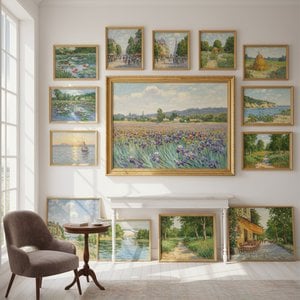
10 Arcydzieł Impresjonizmu Krajobrazowego: Sztuka, Artyści i Dekoracje Wnetrz
Odkryj 10 arcydzieł impresjonizmu krajobrazowego! Poznaj historie Monet, Renoir i innych mistrzów. Inspiracje wnętrzarskie, techniki malarskie i reprodukcje obrazów najwyższej jakości na ArtsDot.com. Eksploruj pełną kolekcję online!

Top 10 arcydzieł impresjonizmu, które zmieniły sztukę | ArtsDot.com
Odkryj 10 arcydzieł impresjonizmu od Moneta, Renoir'a i Degasa! Poznaj historię tych ikonicznych obrazów, techniki malarskie i inspiracje. Reprodukcje najwyższej jakości na ArtsDot.com – idealne do Twojego wnętrza. Eksploruj kolekcję online!

Pierre-Auguste Renoir: 25 Arcydzieł Pełnych Światła i Uroków | ArtsDot.com
Odkryj 25 najpiękniejszych obrazów Pierre’a-Auguste Renoir! Poznaj historię impresjonizmu, światło w jego malarstwie i arcydzieła takie jak 'Taniec w Le Moulin de la Galette'. Reprodukcje najwyższej jakości na ArtsDot.com – inspiracje dla Twojego wnętrza.

10 Arcydzieł Impresjonizmu, które Zrewolucjonizowały Świat Sztuki | ArtsDot
Odkryj 10 arcydzieł impresjonizmu – Monet, Renoir, Degas i inni. Poznaj historie powstania kultowych obrazów, techniki malarskie i paletę barw tego fascynującego ruchu artystycznego. Reprodukcje najwyższej jakości na ArtsDot.com!