

- 192.0 x 248.0 cm


Obraz dostosowuje się do Twoich wyborów: , .
Opis obiektu
Berenice Abbott’s ‘Zito’ captures a vibrant NYC bakery scene (1937) in stunning black & white. A New Deal documentary, it showcases urban life & architectural detail. #photography #Abbott #NYC
 Rozwiń treść
Biografia artysty
Berenice Abbott (1898-1991) – pionierka fotografii dokumentalnej, znana z portretów artystów i fascynujących zdjęć Nowego Jorku lat 30. Jej prace uchwyciły transformację miasta i wpłynęły na rozwój fotografii jako sztuki.
Ręcznie malowana reprodukcja olejowa
Ręcznie malowany obraz olejny na płótnie, wykonany na zamówienie przez naszych artystów w wybranym przez Ciebie wymiarze i oprawie. ( Przełącz na wydania drukowane Przejdź do wersji cyfrowej)
Ten utwór podlega ochronie prawem autorskim
Dzieło sztuki prezentowane na tej stronie podlega ochronie prawem autorskim, co oznacza, że nie mamy prawa do tworzenia ani sprzedaży jego identycznej reprodukcji. Ochrona ta jest egzekwowana na mocy umów międzynarodowych, takich jak Konwencja berneńska oraz przez przepisy prawa krajowego, w tym te określone w Prawo autorskie USA – Tytuł 17.
Jako pełną szacunku i legalną alternatywę oferujemy personalizowane, malowane ręcznie dzieła sztuki inspirowane oryginałem. Nasi wykwalifikowani i profesjonalni artyści starannie analizują styl, nastrój oraz artystyczną esencję pierwowzoru, aby stworzyć nowe, unikalne dzieło, które przywołuje te same emocje – pozostając jednocześnie w pełni oryginalną kreacją.
Metoda ta jest w pełni zgodna z przepisami prawa autorskiego, ponieważ nie polega na kopiowaniu ani powielaniu chronionego dzieła. Stanowi ona kreatywną reinterpretację – nowy obraz, który czerpie inspirację z oryginału, ale nie jest z nim tożsamy.
Więcej o tym obrazie
 Wyślij jako kartkę
 Udostępnij
 Szczegóły dzieła
 Przewodnik

 Pobierz obraz
 Podobne obiekty
 Pokaz slajdów
 Pytania i odpowiedzi
 Statystyki
Zamów swój obraz w czterech prostych krokach
Nie spiesz się. Możesz zmienić każdą odpowiedź; cena w Twoim koszyku będzie aktualizowana po każdym wyborze.
1 Pierwszy z czterech kroków
Który rozmiar wybierasz?
Te rozmiary zachowują proporcje oryginalnego obrazu. Rysunek przedstawia wybrany przez Ciebie format na ścianie, nad dwumetrową sofą.
lub podaj własne wymiary
Wybierz spośród naszych standardowych rozmiarów, które zachowują oryginalne proporcje dzieła sztuki.

Wpisz wymaganą szerokość i wysokość, aby obraz pasował do Twojej ramy lub ściany. Ponieważ jest to dzieło malowane ręcznie, w przypadku rozmiaru o innych proporcjach artysta może domalować nieco więcej wokół obrazu lub przyciąć jego fragmenty — wybór należy do Ciebie. Przed rozpoczęciem pracy prześlemy Ci cyfrową wizualizację do zatwierdzenia. Obraz widoczny na tej stronie nie przedstawia rzeczywistego efektu — jedynie wizualizacja oddaje realny rezultat.
2 Drugi z czterech kroków
W jaki sposób przygotować dzieło: w formie tuby, na krosnach czy w ramie?
Poniższe ceny dotyczą rozmiaru wybranego w pierwszym kroku.
Wybierz krawędzie płótna naciągniętego na ramę
Wybierz ramę

Białe krawędzie zł1

rozmyte krawędzie zł1

Przedłużony zł1

P118B zł10

P118H zł10

P118W zł10

P438Z zł10

P508JH zł12

P508YH zł12

P805H zł10

P805Z zł10

P919BZ zł10

P919G zł10

P919XJ zł10

P959ZH zł10

P968JZ zł12

W106C zł8

W218G zł10

W218JH zł8

W218Y zł10

W307PJ zł10

W316G zł10

W316PJ zł8

W316Y zł10

W398PJ zł8

W4111J zł10

W500HY zł15

W500JH zł15

W692G zł12

W849H zł8

W940BG zł15

W953PJ zł8

H24-GOLD zł30

H24-SILVER zł30

H36-GOLD zł45

H36-SILVER zł45
W oprawie
Profil: . Wymiar całkowity w ramie: .
3 Trzeci z czterech kroków
Czy chcieliby Państwo wprowadzić jakieś zmiany w obrazie?
Większość osób odpowiada przecząco. Ponieważ każdy obraz jest tworzony ręcznie, nasz artysta może również dostosować go do Twoich potrzeb.
Po złożeniu zamówienia zespół ArtsDot.com skontaktuje się z klientem drogą mailową w celu uzyskania instrukcji i prześle podgląd projektu
4 Krok czwarty z czterech
Kilka opcji wykończenia
Wszystkie są opcjonalne. Wybrane już odpowiedzi nie wiążą się z żadnymi dodatkowymi kosztami.
Kto jest autorem?
Dostawa na całym świecie () w ciągu 3–4 tygodni zamiast standardowych 5 tygodni. (8 Listopad). Bez kompromisów w kwestii jakości.
Tabliczka informacyjna, jak w muzeum?
Szczegóły grawerowanej brązowej tabliczki
This elegant plaque features the artist's name and the title of the artwork, finely engraved for a timeless presentation.
It is made from bronze with a refined, elegant finish. The text is precisely laser-engraved for a sharp and permanent result. Measuring 9x2 cm, the plaque is compact yet easy to read. It's built to be durable and scratch-resistant, offering a professional, museum-quality look. Mounting is simple thanks to the included adhesive backing.
Szczegóły przezroczystej tabliczki akrylowej
The plaque includes essential engraved details such as the artist's name, the title of the artwork, the date it was created, the type of media used-like oil on canvas or watercolor-a brief description of the piece, and a QR code that links to the complete artwork information.
It is crafted from clear acrylic, offering a sleek, modern appearance. The text is UV-engraved in black to ensure strong visual contrast. With a size of 10x15 cm, it ensures optimal readability. It comes equipped with two metal hooks for secure wall mounting. The plaque is designed to be weather-resistant, making it suitable for various environments, and it includes interactive features that work seamlessly with smartphone scanning.
Szczegóły czarnej tabliczki akrylowej
This elegant plaque includes engraved information such as the artist's name, the title of the artwork, the date it was created, the type of media used (like oil on canvas or watercolor), a short description of the artwork, and a QR code for quick access to more information.
The plaque itself is made from refined black acrylic with a premium finish. The text is laser-engraved in white for high contrast and readability. Its size is 10x15 cm, designed to be easy to read. It comes with two metal hooks for professional mounting. The design is sleek and fits any interior style. It is also weather-resistant and durable, with built-in digital integration for mobile compatibility.
Werniks ochronny?
Kiedy potrzebujesz dostawy?
✓ Sprawdź i zamów
Twoje dzieło, dokładnie tak, jak zamówiłeś

Zito
Technika reprodukcji
Wymiary reprodukcji
-

Wybitny mistrz artystyczny
Większa szczegółowość, finezja i dodatkowy czas na realizację
-

Opcje oprawy reprodukcji
-
-
W przypadku dzieł sztuki lub reprodukcji, których którykolwiek z boków przekracza 105 cm (około 41 cali), rama zostanie wysłana w formie zestawu do samodzielnego montażu. Metoda ta zapewnia bezpieczną dostawę i zapobiega uszkodzeniom podczas transportu.
Wymagany profesjonalny montaż – nie jest to produkt typu DIY.
Zestaw musi zostać złożony, a płótno naciągnięte przez doświadczonego profesjonalnego ramiarza, przy użyciu kleju do drewna (brak w zestawie), kleszczy do naciągania płótna oraz ścisków, które utrzymają krosna w równej pozycji podczas schnięcia kleju. Nieprawidłowy montaż lub nierównomierne napięcie płótna może trwale uszkodzić dzieło sztuki i nie podlega naszej gwarancji.
 W przypadku dzieł sztuki lub reprodukcji, których którykolwiek z boków przekracza 105 cm (około 41 cali), rama zostanie wysłana w formie zestawu do samodzielnego montażu. Metoda ta zapewnia bezpieczną dostawę i zapobiega uszkodzeniom podczas transportu.
W zestawie znajdują się wszystkie listwy z litego drewna, precyzyjnie docięte do wymiarów.
Montaż odbywa się przy użyciu dołączonych wkrętów oraz kleju do drewna do łączenia narożników, którego zestaw nie zawiera i który musi zostać dostarczony przez ramiarza.
Wymagane są profesjonalne narzędzia, których nie ma w zestawie: kleszcze do naciągania płótna (napinacz) oraz zaciski, które pozwolą utrzymać listwy w równej pozycji podczas schnięcia kleju.
Ważne:
Do połączenia narożników niezbędny jest klej do drewna, listwy należy unieruchomić za pomocą ścisków do momentu całkowitego wyschnięcia kleju, a naciągnięcie płótna na złożoną ramę wymaga użycia kleszczy do naciągania płótna. Żaden z tych elementów nie jest dołączony do zestawu. Przed zamówieniem tego rozmiaru zalecamy konsultację z doświadczonym ramiarzem.

Etykieta obiektu
-
-

Lakier ochronny
Lakier z połyskiem (pogłębia kolory, chroni przed światłem i wilgocią)
-

Personalizacja dzieła
Przykłady możliwości personalizacji: zastąp twarz zdjęciem klienta; dodaj zwierzę domowe (np. zamień kota na psa); umieść ukrytą wiadomość w tle; zmień krajobraz lub elementy tła.
-

Ekspresowa
Dostawa na cały świat () w ciągu 3–4 tygodni zamiast standardowych 5 tygodni. (8 Listopad). Bez kompromisów w kwestii jakości.
-
Przesyłka ekspresowa
Dostawa na cały świat () w ciągu 5 tygodni. (15 Listopad).
W cenie
Cena całkowita
zł 1029
Opcja ze szkłem jest dostępna wyłącznie w rozmiarach poniżej 110 cm
W każdym zamówieniu
- Bezpłatna ekspresowa wysyłka na cały świat
- Wysokiej jakości płótno lniane
- Pełne ubezpieczenie przesyłki
- Gwarancja zwrotu należności celnych i podatków importowych
- Gwarancja wiernego odwzorowania kolorów
- 100-dniowa polityka zwrotów (tylko w przypadku wad)
- Gwarancja 100% zwrotu pieniędzy
- Zniżka przy zakupie wielu sztuk


A Window Into the Soul of Greenwich Village
In the quiet, silvered tones of Berenice Abbott’s 1937 masterpiece, Zito’s Bakery, we are invited to step through a portal into a vanished New York. This evocative black and white photograph is far more than a mere documentation of a storefront on Bleecker Street; it is a profound meditation on the rhythm of urban life during the Great Depression. Through Abbott's lens, the window of this humble bakery becomes a stage where the mundane meets the monumental. The composition draws the eye inward, past the textured brickwork and through the glass, to find rows of freshly baked bread—each loaf a silent testament to sustenance, community, and the enduring spirit of the working class. A solitary figure, partially obscured within the shop's interior, adds a layer of human intimacy, suggesting the quiet, diligent labor that fueled the city's heartbeat during one of its most challenging eras.
The technical mastery of this gelatin silver print lies in Abbott’s sophisticated command of light and shadow. Drawing inspiration from her mentor, the legendary Eugène Atget, Abbott utilizes natural daylight to sculpt the scene, creating a rich tapestry of textures that invite the viewer to reach out and touch the rough crust of the bread or the weathered grain of the wooden displays. The interplay of highlights on the glass and the deep, velvety shadows within the shop creates an incredible sense of depth, transforming a flat street-level shot into a three-dimensional experience. This meticulous approach to tonal adjustment ensures that every detail—from the delicate patterns of the woven baskets to the architectural lines of the window frame—is rendered with a clarity that feels both immediate and timeless.
Historical Resonance and Timeless Elegance
To behold Zito’s Bakery is to witness history breathing through the grain of photographic paper. Created as part of the Federal Art Project under President Roosevelt’s New Deal, this work embodies the era's commitment to capturing the authentic American experience amidst economic hardship. Abbott’s documentary style eschews embellishment in favor of a raw, unvarnable realism that serves as a vital social record. For the modern collector or interior designer, this piece offers a sophisticated way to introduce historical gravity and nostalgic charm into a space. Its monochromatic palette provides a versatile anchor for contemporary decor, working harmoniously with minimalist, industrial, or classic mid-century aesthetics.
Beyond its historical value, the photograph carries a deep emotional resonance that transcends time. It evokes a sense of nostalgia not just for a specific decade, but for the universal values of stability and communal nourishment. The image functions as a quiet sanctuary within a room, offering a moment of reflection on the beauty found in the everyday. Whether displayed in a sunlit gallery or as a focal point in a curated living space, this reproduction of Abbott’s vision serves as a powerful reminder that even in the most fleeting moments of daily commerce, there exists an enduring artistry that connects us to our shared human journey.
Pytania i odpowiedzi
Jaka technika i styl charakteryzują „Zito” – Berenice Abbott?
W "Zito" technika Gelatin Silver Print łączy się z nurtem Documentary Photography.
W jaki sposób nurt i epoka przenikają się w „Zito” – Berenice Abbott?
"Zito" należy do nurtu Documentary Photography, a jego twórca tworzył w epoce Modernizm.
Jaka jest luminancja dzieła „Zito” – Berenice Abbott?
„Zito” – Berenice Abbott ma luminancję na poziomie Gentle Luminance. Luminancja określa, jak dużą ilość światła zdają się odbijać kolory.
Podobne dzieła


Berenice Abbott
1898 - 1991, Stany Zjednoczone
Biografia artysty
Early Life and Artistic Foundations
Berenice Abbott, born Berenice Alice Abbott on July 17, 1898, in Springfield, Ohio, began her life amidst a quiet yet formative period of transition. Her parents, Charles E. Abbott and Alice Bunn, divorced shortly after her birth, leading to an upbringing primarily shaped by her mother’s resilience and determination. This early experience instilled within her a sense of independence and a keen awareness of the complexities of human relationships – qualities that would later inform her artistic perspective. Following a brief enrollment at The Ohio State University in 1918, she felt drawn to the vibrant pulse of New York City, seeking not just an education but a creative outlet and a chance to forge her own path. Initially intending to pursue journalism, she found herself immersed in the city’s burgeoning artistic circles, encountering figures like Marcel Duchamp and Man Ray – individuals who would profoundly influence her artistic trajectory. These encounters weren't merely social; they were gateways into a world of experimentation, challenging conventional notions of art and pushing boundaries of creative expression. Her early studies in sculpture at the Académie de la Grande Chaumière in Paris and later with Emile Bourdelle provided her with a foundational understanding of form and technique, while her time in Berlin honed her skills and exposed her to diverse artistic traditions. It was during this period that she adopted the French spelling of her first name, “Berenice,” at the suggestion of the writer Djuna Barnes – a subtle yet significant step in solidifying her identity within the Parisian art scene.Parisian Awakening and Photographic Development
The move to Paris in 1921 marked a pivotal moment in Berenice Abbott’s artistic journey, transforming her from an aspiring journalist into a dedicated photographer. She quickly found work as a studio assistant for Man Ray, a position that proved invaluable in mastering the intricacies of darkroom techniques and photographic processes. This apprenticeship wasn't merely a job; it was an immersive education, allowing her to witness firsthand the innovative methods employed by one of the era’s most influential artists. It was through Man Ray that she first encountered the work of Eugène Atget, a largely unrecognized French photographer whose meticulous documentation of Parisian street life captivated Abbott with its unique blend of observation and artistry. Recognizing the importance of preserving Atget's legacy, Abbott embarked on a remarkable undertaking: purchasing his entire photographic archive – a testament to her dedication and appreciation for this unsung master. Returning to New York in 1929, she established her own studio, determined to continue her exploration of photography as a means of capturing the essence of urban life. This period saw the emergence of her distinctive style, characterized by a keen eye for detail, a commitment to realism, and an ability to convey both the beauty and the grit of the city.Documenting a Changing City: New York Transformed
Upon returning to New York City in 1929, Berenice Abbott was immediately struck by the dramatic transformation unfolding around her – a rapid influx of immigrants, the rise of skyscrapers, and the burgeoning energy of a metropolis on the cusp of modernity. Recognizing the urgency of documenting this dynamic period, she initiated a monumental project: “Changing New York.” Supported by funding from the Works Progress Administration (WPA), Abbott spent years meticulously photographing the city’s architecture, street scenes, and social life. Her approach was revolutionary for its time – she employed both bird's-eye and worm's-eye perspectives, capturing the city from dizzying heights and intimate ground levels alike. This innovative technique allowed her to reveal the complex layers of urban space, highlighting the interplay between old and new, tradition and progress. The resulting collection, “Changing New York,” became a landmark achievement in documentary photography, offering a comprehensive visual record of the city’s transformation and solidifying Abbott's reputation as a visionary artist with a unique ability to capture the spirit of a place.Legacy and Enduring Influence
Berenice Abbott’s legacy extends far beyond her stunning photographs. She is celebrated not only for her technical mastery but also for her pioneering role in shaping documentary photography as an art form. Her portraits offer intimate glimpses into the lives of influential cultural figures, while her New York City photographs serve as a valuable historical record of the city's evolution – a testament to her keen observation and artistic vision. Crucially, Abbott played a vital role in preserving and promoting the work of Eugène Atget, bringing his artistry to wider recognition and ensuring his place in photographic history. Her influence can be seen in the works of countless photographers who followed, demonstrating her lasting impact on the field. Beyond her artistic practice, she contributed significantly to the development of photography through her writings and illustrations on photographic techniques, furthering its understanding as a sophisticated art form. Berenice Abbott’s photographs remain exhibited in prestigious collections worldwide, including the Smithsonian American Art Museum and the Philadelphia Museum of Art, a lasting tribute to her remarkable talent and enduring legacy.Key Influences and Artistic Style
Berenice Abbott's artistic vision was shaped by a confluence of influences. Her apprenticeship with Man Ray provided her with invaluable experience in avant-garde techniques and introduced her to a network of influential artists. The rediscovery and promotion of Eugène Atget’s work profoundly impacted her approach to documentary photography, inspiring her meticulous documentation of urban environments. Abbott's photographs often reflect the aesthetic sensibilities of the Art Deco Movement, characterized by geometric forms and a sense of modernity. Her style aligned with the principles of “straight photography,” emphasizing sharp focus and unmanipulated images to present a realistic depiction of her subjects, devoid of artificiality or romanticism. This commitment to clarity and authenticity became a hallmark of her work, allowing viewers to connect directly with the scenes she captured and appreciate the beauty inherent in everyday life.Powiązane artykuły

Top 10 arcydzieł fotografii dokumentalnej – inspiracje do wnętrz od ArtsDot.com
Poznaj 10 arcydzieł fotografii dokumentalnej, które zmieniły świat! Odkryj historie wybitnych fotografów i ich wpływ na sztukę współczesną. Reprodukcje obrazów najwyższej jakości – ArtsDot.com. Eksploruj kolekcję online!
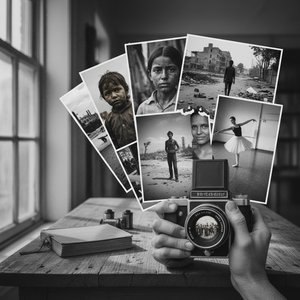
Świadectwo Historii: Dokumentalna Fotografia jako Ruch Artystyczny i Świadek Epoki
Poznaj historię fotografii dokumentalnej – od realizmu i socrealizmu po współczesne formy ekspresji. Analiza ikon Walker Evansa, FSA i roli fotografa jako świadka epoki. Ekspercka wiedza o sztuce i ideologii w obiektywie.

Witnessing History Through Lens & Light: Documentary Photography's Enduring Legacy
Explore the powerful history of documentary photography – from its origins to contemporary masters like Gordon Parks & W. Eugene Smith. Discover how this art form shapes our understanding of society and witness pivotal moments in time.