


 Zobacz w skali 1:1
 Wyślij
 Udostępnij
 Szczegóły
 Przewodnik

 Pobierz plik obrazu
 Podobne obiekty
 RTG
RTG Pokaz slajdów
 Statystyki
Cruciform
 Abstract Expressionism
 75.0 x 61.0 cm
 Czytaj więcej
Dzieło sztuki prezentowane na tej stronie podlega ochronie prawem autorskim, co oznacza, że nie mamy prawa do tworzenia ani sprzedaży jego identycznej reprodukcji. Ochrona ta jest egzekwowana na mocy umów międzynarodowych, takich jak Konwencja berneńska oraz przez przepisy prawa krajowego, w tym te określone w Prawo autorskie USA – Tytuł 17.
Metoda ta jest w pełni zgodna z przepisami prawa autorskiego, ponieważ nie polega na kopiowaniu ani powielaniu chronionego dzieła. Stanowi ona kreatywną reinterpretację – nowy obraz, który czerpie inspirację z oryginału, ale nie jest z nim tożsamy.
Giclée / Wydruk artystyczny
Wydruki giclée lub płótna o jakości muzealnej, szybka realizacja i szeroki wybór opcji wykończenia. ( Kup ręcznie malowany obraz Przełącz na wersję cyfrową)




































Wybierz spośród naszych standardowych rozmiarów, które zachowują oryginalne proporcje dzieła sztuki.

Wpisz wymaganą szerokość i wysokość, aby dopasować grafikę do ramy lub ściany. Wydruk można jedynie przyciąć, nigdy nie powiększając go poza oryginalny obraz, dlatego format o innym proporcji spowoduje utratę części kompozycji. Przed rozpoczęciem druku prześlemy Ci cyfrowy podgląd do zatwierdzenia. Obraz wyświetlany na tej stronie nie pokazuje rzeczywistego przycięcia — jedynie podgląd oddaje ten efekt.
Dostawa na cały świat () w ciągu 2 tygodni zamiast standardowych 4/5 tygodni. (18 Październik)

Bezpłatna ekspresowa wysyłka na cały świat

Wysokiej jakości płótno lniane

Pełne ubezpieczenie transportowe

Gwarancja zwrotu należności celnych i podatków importowych

Gwarancja idealnego odwzorowania barw

100-dniowy okres na zwrot dzieła w przypadku wykrycia wad produkcyjnych

Gwarancja 100% zwrotu pieniędzy

Oferta przy zakupie wielu sztuk
 Opcja ze szkłem jest dostępna wyłącznie w rozmiarach poniżej 110 cm

Cruciform
Giclée / Wydruk artystyczny
Rozmiar reprodukcji
-


Suma do zapłaty
zł 236
Podobne dzieła


![Abstract Composition [triptych] — Vaclav Vytlacil, Abstract Expressionism](/media/artworks/images-thumb/08/3c/083c0675045645fd42d4e6c6d63f1ced.jpg)


Biografia artysty
Arthur Goodwin: A Painter of Emotion and Texture
Arthur Goodwin (1922 – 1998) was a British artist whose distinctive style—characterized by vibrant still lifes, bold abstract compositions, and monumental mosaics—earned him recognition within the international art world. Born in London, his artistic journey began modestly but blossomed into a prolific career marked by experimentation and unwavering dedication to capturing the essence of visual experience.- Early Influences: Goodwin’s formative years were shaped by exposure to Impressionism and Post-Impressionism, particularly the works of Cézanne and Matisse. These artists instilled in him a profound appreciation for tonal variation and expressive brushwork—principles that would become central to his artistic vision.
- Formal Training: He pursued formal training at Chelsea School of Art and Slade School of Fine Art, honing his technical skills while simultaneously cultivating an intellectual understanding of art history and theory.
The Still Life Tradition Revisited
Goodwin’s early paintings predominantly focused on still lifes—fruit bowls overflowing with luscious colors, meticulously rendered draperies draped against textured backgrounds. However, he swiftly moved beyond mere imitation, injecting his canvases with palpable emotion and conveying a sense of immediacy that defied conventional stylistic conventions. His masterful handling of pigment—particularly oil paints—allowed him to achieve remarkable textural effects, simulating the appearance of skin, fabric, and stone with astonishing accuracy.- Notable Still Lifes: Among his most celebrated works are ‘Lemon’, ‘Apple’, and ‘Pear,’ each demonstrating Goodwin’s ability to transform commonplace objects into vehicles for artistic expression. Critics lauded his compositions for their dynamic balance and his skillful use of color—a palette that ranged from muted earth tones to dazzling hues reminiscent of Matisse.
Abstraction and Bold Color
As Goodwin matured as an artist, he increasingly embraced abstraction—rejecting representational imagery altogether in favor of purely visual elements. He experimented with geometric forms—squares, rectangles, circles—and explored the expressive potential of bold color combinations—often juxtaposing complementary hues to create striking visual contrasts.- Geometric Explorations: His abstract canvases—such as ‘Red Square’ and ‘Blue Rectangle’—were conceived as investigations into fundamental principles of visual perception. Goodwin sought to distill the complexities of artistic experience into simplified shapes and colors, demonstrating that profound meaning could be conveyed even in the absence of recognizable subjects.
Mosaic Art: Monumental Visions
Goodwin’s final artistic endeavors culminated in monumental mosaics—large-scale artworks crafted from tesserae—fragments of colored stone or glass—that adorned public spaces throughout Britain and beyond. These mosaics represented a culmination of his lifelong fascination with texture and color—a desire to transform surfaces into immersive environments that captivated the senses.- Public Commissions: He undertook numerous prestigious commissions, including mosaics for St Mary’s Cathedral in Edinburgh and the National Portrait Gallery in London. His mosaics were admired for their grandeur, their technical virtuosity, and their ability to evoke powerful emotional responses—testaments to Goodwin's enduring legacy as a visionary artist.
Legacy and Historical Significance
Arthur Goodwin’s artistic output stands apart from many of his contemporaries due to its unwavering commitment to conveying emotion through texture and color. He championed the expressive potential of abstraction—demonstrating that visual art could transcend representational conventions—and established himself as a pioneer in mosaic art—a medium that continues to inspire artists today. His work remains an important contribution to British modernism, reflecting the artistic sensibilities of a generation grappling with the challenges and opportunities presented by the postwar era.
Arthur Goodwin
1922 - 1998
Najważniejsze informacje
- Artistic Movement Or Style: Expressionism
- Artists Or Movements Influenced By This Artist:
- Cubism
- German Expressionism
- Artists Who Influenced This Artist:
- Henri Matisse
- Pablo Picasso
- Date Of Birth: 1922
- Date Of Death: 1998
- Full Name: Arthur Goodwin
- Nationality: British
- Notable Artworks:
- Inferno
- Leviathan
- Place Of Birth: England
Zobacz także powiązane artykuły
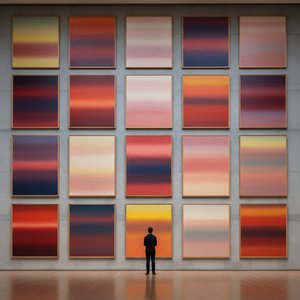
Mark Rothko: 25 Arcydzieł Koloru i Emocji | Reprodukcje Obrazów | ArtsDot.com
Odkryj 25 arcydzieł Marka Rothko – mistrza abstrakcji i koloru. Poznaj historie, techniki i emocje kryjące się za jego płótnami. Reprodukcje obrazów najwyższej jakości na ArtsDot.com. Eksploruj kolekcję online!

Poza Wzrok: Eksploracja Zmysłowych Wymiarów Tekstury i Oświetlenia w Malarstwie Abstrakcyjnym
Odkryj zmysłowe wymiary tekstury i oświetlenia w malarstwie abstrakcyjnym! Ekspercka analiza technik, wpływ Kandinskiego, Rothko i innych mistrzów. Zainspiruj się i znajdź idealny obraz do swojego wnętrza.

25 Arcydzieł Kandinskiego: Kolor, Duchowość i Abstrakcja w Twoim Domu | ArtsDot.com
Odkryj 25 arcydzieł Wassily Kandinskiego – pioniera abstrakcji i ekspresjonizmu! Poznaj historie, techniki i emocje kryjące się za jego kolorowymi kompozycjami. Reprodukcje obrazów najwyższej jakości na ArtsDot.com. Eksploruj pełną kolekcję online!

Top 10 arcydzieł ekspresjonizmu abstrakcyjnego – inspiracje dla Twojego wnętrza | ArtsDot.com
Odkryj 10 arcydzieł ekspresjonizmu abstrakcyjnego – Pollock, Rothko, de Kooning i inni. Poznaj historie artystów, techniki i inspiracje dla Twojego wnętrza. Reprodukcje najwyższej jakości na ArtsDot.com!

Geometria Sztuki: 10 Arcydzieł Abstrakcji Geometrycznej | ArtsDot.com
Odkryj 10 arcydzieł abstrakcji geometrycznej! Poznaj historię Mondriana, Kandinskiego i Maleвича. Inspiracje wnętrzarskie z malarstwem abstrakcyjnym – reprodukcje najwyższej jakości na ArtsDot.com. Eksploruj kolekcję online!