


 Zobacz w skali 1:1
 Wyślij
 Udostępnij
 Szczegóły
 Guide
Guide

 Pobierz plik obrazu
 Podobne obiekty
 RTG
RTG Pokaz slajdów
 Statystyki
Epitaf Rodzin Ros
 Akryl na płótnie
- Sztuka ścienna
- Renaissance Mannerism
 1550
1550 144.0 x 104.0 cm
 Rijksmuseum
 Czytaj więcej
Ręcznie malowana reprodukcja olejowa
Ręcznie malowany obraz olejny na płótnie, wykonany na zamówienie przez naszych artystów w wybranym przez Ciebie wymiarze i oprawie. ( Przełącz na wersję drukowaną Przełącz na wersję cyfrową)




P118B $10

P118H $10

P118W $10

P438Z $10

P508JH $12

P508YH $12

P805H $10

P805Z $10

P919BZ $10

P919G $10

P919XJ $10

P959ZH $10

P968JZ $12

W106C $8

W218G $10

W218JH $8

W218Y $10

W307PJ $10

W316G $10

W316PJ $8

W316Y $10

W398PJ $8

W4111J $10

W500HY $15

W500JH $15

W692G $12

W849H $8

W940BG $15

W953PJ $8




Wybierz spośród naszych standardowych rozmiarów, które zachowują oryginalne proporcje dzieła sztuki.

Możesz wprowadzić własne wymiary, aby dopasować obraz do konkretnej ramy lub przestrzeni. Jeśli wybrany rozmiar nie będzie odpowiadał proporcjom oryginału, przytniecie dzieło sztuki lub rozszerzymy je o dodatkowe elementy, ręcznie domalowane przez artystę. Przed rozpoczęciem produkcji wyślemy projekt cyfrowy do Twojej akceptacji.
Należy pamiętać, że podgląd na ekranie nie odzwierciedla rzeczywistego przycinania ani rozszerzania obrazu. Tylko projekt dokładnie pokaże ostateczną kompozycję.
Choć oferujemy możliwość zamówienia niestandardowych rozmiarów, zalecamy wybór wymiaru z gotowej listy, aby zachować oryginalne proporcje dzieła.
Po złożeniu zamówienia zespół ArtsDot.com skontaktuje się z klientem drogą mailową w celu uzyskania instrukcji i prześle wizualizację projektu
Dostawa na całym świecie () w ciągu 3–4 tygodni zamiast standardowych 5 tygodni. (21 Wrzesień). Bez kompromisów w kwestii jakości.

Bezpłatna ekspresowa wysyłka na cały świat

Wysokiej jakości płótno lniane

Pełne ubezpieczenie transportowe

Gwarancja zwrotu należności celnych i podatków importowych

Gwarancja idealnego odwzorowania barw

100-dniowy okres na zwrot dzieła w przypadku wykrycia wad produkcyjnych

Gwarancja 100% zwrotu pieniędzy

Oferta przy zakupie wielu sztuk
 Opcja ze szkłem jest dostępna wyłącznie w rozmiarach poniżej 110 cm

Epitaf Rodzin Ros
Technika wykonania
Rozmiar reprodukcji
-


Suma do zapłaty
$ 263
A Quiet Voice Amidst the Flemish Renaissance: Exploring Arnt van Tricht’s Ros Family Epitaph
The Ros Family Epitaph by Arnt van Tricht stands as a poignant testament to the artistic fervor of Antwerp during the mid-16th century, a period dominated by monumental religious commissions and ambitious explorations of humanist ideals. Created circa 1550, this stone panel transcends mere decoration; it embodies profound theological contemplation and reflects the anxieties surrounding religious upheaval—a microcosm of the turbulent era that shaped Northern European art history.- Subject Matter & Narrative: At its core lies a depiction of divine grace – God the Father presenting his son Jesus Christ to humanity, symbolized by the dove of the Holy Spirit hovering above. This imagery draws heavily from Christian iconography prevalent at the time, conveying themes of redemption and spiritual solace. The central figures are meticulously rendered, embodying piety and devotion as they petition for mercy before God’s benevolent gaze.
- Style & Technique: Van Tricht's craftsmanship demonstrates a masterful command of sculptural technique characteristic of Antwerp’s artistic milieu. Executed in Carrara marble—a favored material for funerary monuments—the panel showcases intricate carving, capturing subtle nuances of expression and drapery folds with remarkable precision. The artist skillfully employs chiaroscuro – the interplay of light and shadow – to heighten dramatic impact and imbue the scene with a palpable sense of solemnity.
- Historical Context: Antwerp was at the epicenter of artistic innovation during this period, attracting talent from across Europe. However, the Ros Family Epitaph’s story is inextricably linked to a darker chapter in Antwerp’s history – the iconoclasm of 1578. Triggered by Protestant reformers seeking to dismantle Catholic symbols and traditions, zealous soldiers deliberately defaced the monument, shattering the heads of the figures as an act of defiance against papal authority. This violent intervention underscores the intense religious divisions plaguing the city and serves as a sobering reminder of art’s vulnerability in times of conflict.
- Symbolism & Artistic Significance: Beyond its narrative depiction of Christ's sacrifice, the epitaph is laden with symbolic representations reflecting Renaissance humanist thought. The dove symbolizes the Holy Spirit—the divine advocate for humanity—while the throne or bench upon which Jesus sits represents God’s sovereignty and majesty. These elements coalesce into a powerful visual statement about faith, piety, and the enduring promise of salvation.
- Provenance & Preservation: Currently housed in Wageningen's Grote Kerk (Great Church), the epitaph bears witness to centuries of history—from its initial creation to its desecration during the Reformation and subsequent restoration efforts. Its survival is remarkable considering the destructive forces unleashed by religious intolerance, offering invaluable insight into artistic practice and cultural beliefs of the era.
Podobne dzieła


Biografia artysty
A Quiet Voice Amidst the Flemish Renaissance
Arnt van Tricht remains a figure shrouded in relative obscurity compared to his more famous contemporaries, such as Pieter Bruegel the Elder or Hans Holbein the Younger. Yet, for those who look closely at the artistic landscape of the mid-16th century, his contribution to the cultural fabric of Antwerp and Cologne is undeniable. Born around 1530, Van Tricht’s formative years coincided with a period of intense intellectual ferment, fueled by humanist scholarship and a profound rediscovery of classical ideals. While precise biographical details regarding his early upbringing are scarce, evidence suggests he was a master of both wood and stone, honing his skills in the prestigious workshops of the Lower Rhine region.
His artistic journey likely began under the guidance of Hendrick Douverman, a prominent sculptor of the era. This early training instilled in him a meticulous craftsmanship that would define his career. Though he may have had roots in Utrecht—as suggested by the stylistic similarities between his work and the influential sculptors of that city—he established much of his reputation in Kalkar. In these early years, Van Tricht was a prolific wood-carver, often creating innovative adaptations of late Gothic models. However, as the winds of the Reformation began to sweep through Northern Europe, his medium shifted. The religious upheavals necessitated a change in artistic focus, leading him to specialize in stone relief carving, memorial tablets, and exquisite chimney-pieces that blended durability with profound spiritual narrative.
The Mastery of Form and Devotion
By the mid-1560s, Van Tricht had relocated to Antwerp, a vibrant, bustling hub of international trade and artistic innovation. This move proved pivotal, as the Antwerp patronage system encouraged artists to push the boundaries of their medium. It was during this period that his work began to reflect the sophisticated influences of the High Renaissance and Mannerism. He absorbed the grace of Italian masters like Andrea del Piero della Francesca and the subtle emotional depth of Leonardo da Century, incorporating elements of idealized beauty into his sculptural reliefs.
His most celebrated achievement remains the Ros Family Epitaphs, a series of monumental funerary sculptures commissioned for St. Elisabeth’s Church in Antwerp. Executed in fine Carrara marble, these works transcend mere decoration to become profound theological contemplations. In these pieces, one can witness a masterful command of chiaroscuro—the dramatic interplay of light and shadow—carved directly into the stone. The central figures, often depicting divine grace through the presentation of Christ, are rendered with such precision that the folds of drapery and the nuances of facial expression seem almost palpable. These works served as a microcosm of the era's anxieties, capturing the tension between religious devotion and the looming threat of iconoclasm.
Legacy and Historical Significance
The tragedy of Van Tricht’s legacy is inextricably linked to the turbulent history of Antwerp itself. The Iconoclasm of 1578, a period of violent Protestant reform, saw many of his most precious works targeted by zealous soldiers. The Ros Family Epitaph, for instance, suffered the heartbreak of defaced figures, with heads shattered in an act of religious defiance. Despite such destruction, the surviving fragments of his oeuvre continue to speak volumes about the transition from late Gothic traditions to the sophisticated humanist ideals of the Renaissance.
Today, Arnt van Tricht is remembered not just as a sculptor, but as a bridge between eras. His ability to pivot from the intricate wood-carving of the North to the monumental stone reliefs of the South demonstrates a remarkable versatility and resilience. His work stands as a testament to:
- Technical Versatility: The seamless transition from late Gothic woodcraft to Renaissance marble carving.
- Cultural Synthesis: The blending of Netherlandish precision with Italianate Mannerist elegance.
- Historical Endurance: The survival of profound religious artistry through the most transformative and violent periods of European history.
Through his hands, the stone and wood were given a voice—a quiet, enduring voice that continues to resonate within the halls of art history.

arnt van tricht
1530 - 1570 , Netherlands
Najważniejsze informacje
- Artistic Movement Or Style: Renaissance Art
- Date Of Birth: 1530
- Full Name: arnt van Tricht
- Nationality: Dutch
- Notable Artworks: ['Ros Family Epitaphs']
- Place Of Birth: Cologne, Netherlands
Zobacz także powiązane artykuły
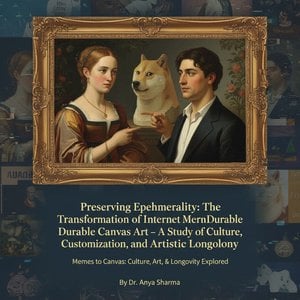
Preserving Ephemerality: The Transformation of Internet Memes into Durable Canvas Art – A Study of Digital Culture, Customization, and Artistic Longevity
Explore the fascinating transformation of internet memes into durable canvas art! Discover the cultural impact, artistic techniques & preservation efforts driving this new movement. Expert insights for collectors and enthusiasts.

Pop Art 2.0: Rekontekstualizacja Apropriacji i Konsumpcjonizmu dla Cyfrowego Pokolenia
Poznaj ewolucję pop artu w erze cyfrowej! Analiza wpływu konsumpcjonizmu, roli nowych mediów i perspektyw inwestycyjnych dla kolekcjonerów. Ekspercka analiza trendów.
