
- Strona główna

- Obraz cyfrowy
- Antoine Watteau
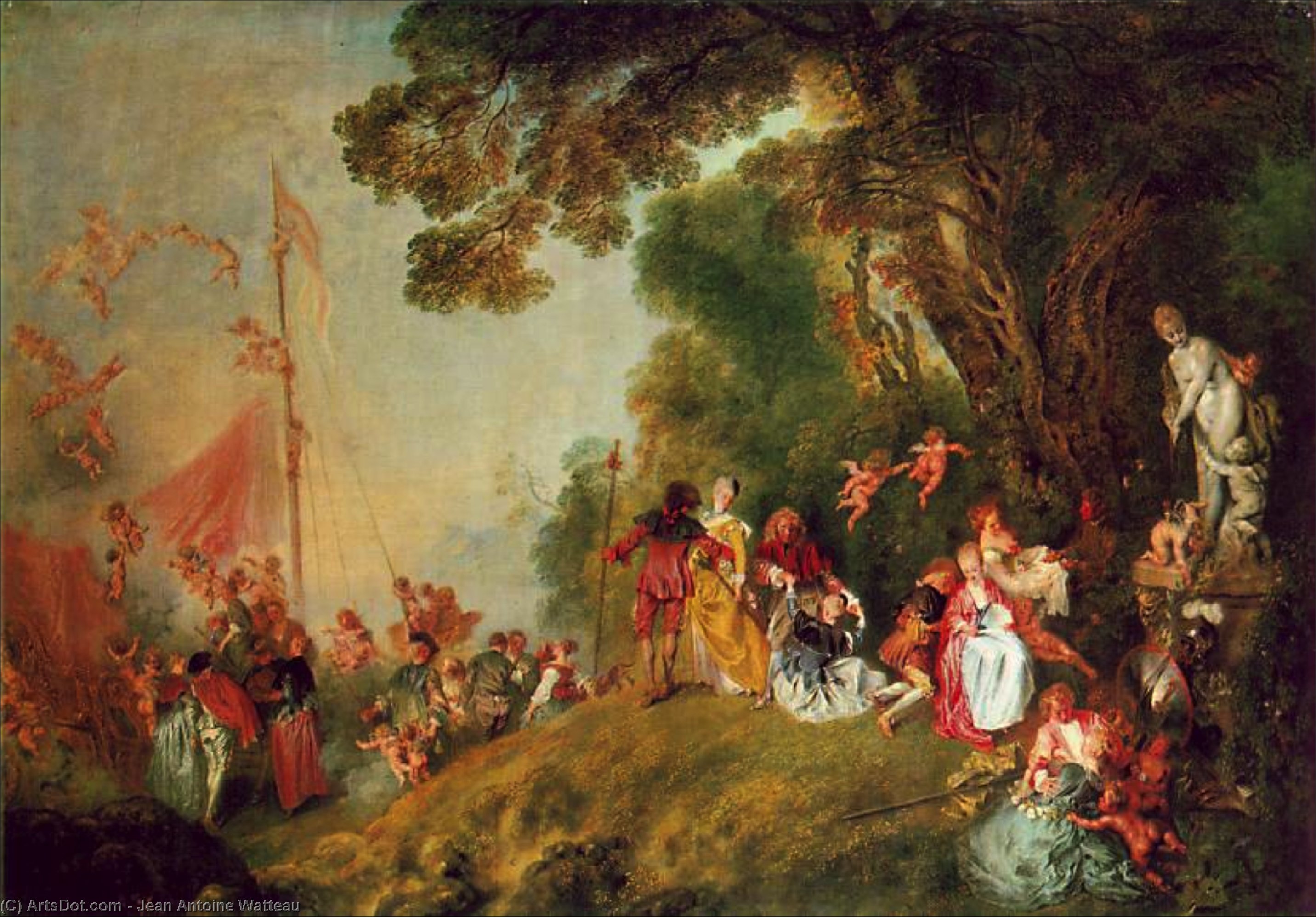
- Pielgrzymowanie na Cythernę
 Zamów wydruk Zamów reprodukcję
 Udostępnij
 Udostępnij
 Details
 Dodaj do ulubionych

 Pobierz
 Podobne obiekty
 X-Ray
X-Ray
 Pokaz slajdów
Pielgrzymowanie na Cythernę
 Olej na płótnie
- Sztuka ścienna
- Rococo Elegance
 1717
1717- Wczesna nowożytność
 129.0 x 194.0 cm
 Luwr
Luwr
Kup wysokiej rozdzielczości, ulepszony obraz cyfrowy, znacznie lepszy niż podgląd online.
Każdy plik jest starannie przygotowywany przez naszych specjalistów przy użyciu zaawansowanych narzędzi oraz profesjonalnej, ręcznej retuszy. Dbamy o to, aby każdy obraz cechował się wyjątkową ostrością, precyzyjnym odwzorowaniem kolorów i subtelnymi detalami.
Ostateczny plik dostarczany jest drogą mailową w ciągu 72 godzin, zoptymalizowany do natychmiastowego wykorzystania w profesjonalnych zastosowaniach redakcyjnych i poligraficznych. To ta sama jakość, której ufają czołowe studia projektowe, wydawnictwa oraz galerie sztuki.
 Dowiedz się więcej
Obraz cyfrowy
Pobierz plik o wysokiej rozdzielczości do osobistego wyświetlania, druku oraz projektów kreatywnych.
Zawarte w każdym zamówieniu na obraz cyfrowy
Profesjonalna dostawa cyfrowa, gwarantowana
Wybierając ArtsDot.com, nie otrzymujesz jedynie obrazu – otrzymujesz profesjonalnie udoskonalone cyfrowe dzieło sztuki, stworzone z najwyższą precyzją i objęte gwarancją satysfakcji. Oto wszystko, co automatycznie dołączane jest do Twojego zamówienia:

Błyskawiczna wysyłka e-mailowa
Plik z obrazem cyfrowym w wysokiej rozdzielczości zostanie przesłany na Twój adres e-mail w ciągu 72 godzin od złożenia zamówienia – gotowy do natychmiastowego użycia.

Plik cyfrowy wzbogacony przez AI
Twoja grafika została profesjonalnie zoptymalizowana przy użyciu zaawansowanych narzędzi AI oraz ręcznej edycji, co zapewnia maksymalną szczegółowość, klarowność i wierność kolorów.

Dożywotnia darmowa ponowna dostawa
Przypadkowo usunąłeś lub zgubiłeś swój plik? Bez obaw – prześlemy go Tobie ponownie w dowolnym momencie, bez żadnych opłat.

Bez opłat importowych – zawsze
Ciesz się swoją sztuką natychmiast, bez żadnych opłat celnych, należności ani kosztów dostawy – pliki cyfrowe są zawsze wolne od podatku.

Gwarancja wierności kolorów
Dzięki zastosowaniu profesjonalnych narzędzi i procesów zarządzania barwą zapewniamy, że Twoje cyfrowe zdjęcie odzwierciedla oryginalne kolory tak wiernie, jak to tylko możliwe.

60-dniowa gwarancja satysfakcji
Jeśli nie będziesz zadowolony ze swojego cyfrowego obrazu, poprawimy go lub zwrócimy 100% kosztów w ciągu 60 dni – bez żadnych pytań.

100% Gwarancja zwrotu pieniędzy
Nie zadowoleni? Otrzymaj pełny zwrot kosztów w ciągu 60 dni od otrzymania pliku cyfrowego – bez zbędnych pytań.

Rabaty na zamówienia hurtowe
Kup 3 obrazy, oszczędź 10% - Kup 5, oszczędź 15% - Kup 10+, oszczędź 20%. Idealne do projektów kreatywnych, galerii i agencji.
Opis obiektu kolekcjonerskiego
Pilgrimage to Cythera – A Symphony of Rococo Elegance
Jean-Antoine Watteau’s “Pilgrimage to Cythera,” completed in 1717, transcends mere depiction; it embodies the very spirit of the Rococo era—a movement that prioritized refined pleasure, sensual beauty, and a wistful contemplation of fleeting moments. This monumental canvas (129 x 194 cm) transports viewers to an idyllic outdoor gathering, capturing not just a visual spectacle but also a profound emotional resonance. Smarthistory’s insightful analysis highlights Watteau's masterful use of light and color, emphasizing the painting's captivating atmosphere and artistic merit.- Subject Matter: The scene portrays a joyous procession towards Cythera, the mythical birthplace of Venus—the goddess of love and beauty—symbolizing aspirations for romance and harmony with nature. Watteau skillfully captures the essence of aristocratic leisure, presenting figures engaged in conversation, flirtation, and leisurely observation amidst lush foliage.
- Style & Technique: Watteau’s approach exemplifies the Rococo style's hallmark characteristics. Fluid brushstrokes create a sense of movement and vitality, mirroring the airy grace of the period. The artist employs pastel hues—warm earth tones blended with delicate pinks and blues—to illuminate the landscape and figures, fostering an ethereal glow that enhances the painting’s dreamy quality.
- Historical Context: Created during the zenith of Rococo patronage—primarily fueled by aristocratic tastes—the painting reflects the era’s fascination with mythological allegories and idealized representations of human experience. Watteau's work stands apart from its Baroque predecessors, prioritizing psychological nuance over dramatic grandeur.
- Symbolism & Emotional Impact: The presence of cherubs—representing innocence and delight—further underscores the painting’s optimistic outlook. Watteau’s figures express joy and amusement, conveying a palpable sense of carefree abandon and romantic longing. “Pilgrimage to Cythera” remains an enduring testament to the Rococo's celebration of beauty, pleasure, and the pursuit of idealized love—a timeless masterpiece that continues to inspire admiration and contemplation.
Podobne dzieła sztuki


Biografia artysty
A Delicate Brushstroke: The Life and Art of Jean-Antoine Watteau
Jean-Antoine Watteau, a name synonymous with the blossoming Rococo style, emerged from the northern French city of Valenciennes in 1684. His brief but incandescent career irrevocably altered the course of eighteenth-century painting, shifting its focus from the grandeur and drama of the Baroque to an intimate world of elegance, leisure, and subtle emotion. Unlike many artists who followed a clearly defined path, Watteau’s journey was marked by initial struggles for recognition within the established art institutions of Paris. Born into a family of modest means—his father a master roofer—young Jean-Antoine displayed an early aptitude for drawing, initially sketching the colorful characters and bustling scenes of his hometown streets. This formative experience instilled in him a keen eye for observation and a fascination with everyday life, themes that would permeate his later work. His initial training under local artists Jacques-Albert Gérin and Julien provided a foundation, but it was his move to Paris around 1702 that truly ignited his artistic development.From Theatrical Scenes to *Fêtes Galantes*
In the vibrant heart of Paris, Watteau entered the workshop of Claude Gillot, a painter specializing in theatrical designs and the popular genre of *fêtes galantes*—depictions of aristocratic outdoor entertainments. This apprenticeship proved pivotal. Gillot’s influence exposed Watteau to the world of commedia dell’arte, with its masked characters and playful narratives, which would become a recurring motif throughout his oeuvre. However, Watteau’s artistic sensibilities didn’t neatly align with the rigid categories favored by the Académie Royale de Peinture et de Sculpture. His genre paintings were deemed unsuitable for official recognition, leading to initial rejection when he attempted to compete for the prestigious Prix de Rome. Undeterred, and demonstrating a remarkable resilience, Watteau persevered, eventually gaining acceptance as a *maître amateur* in 1717—a status that allowed him to exhibit his work independently. This period marked a crucial turning point, allowing him to fully develop his unique style characterized by luminous colors, delicate brushwork, and an air of wistful melancholy. He began to move away from direct theatrical representation towards more poetic and evocative scenes, inventing the *fête galante* as a distinct genre—idyllic gatherings in park-like settings where aristocratic figures engaged in flirtatious pursuits and refined pastimes.The Essence of Rococo: Style and Masterpieces
Watteau’s paintings are instantly recognizable for their distinctive qualities. He possessed an unparalleled ability to capture the elegance and refinement of aristocratic life, not through bombastic displays of power or wealth, but through subtle gestures, nuanced expressions, and a masterful use of light and color. His figures exude a poetic grace and a delicate emotional depth that sets them apart from the more formal portraits of his predecessors. The Country Dance (1718-1721), perhaps one of his most celebrated works, exemplifies this perfectly—a vibrant scene depicting carefree rustic life with exquisite detail and an underlying sense of longing. Other masterpieces such as Ceres (Summer) (1705) demonstrate his skill in portraying the beauty of nature and the human form, while The Embarkation for Cythera (1717) and its companion piece, Pilgrimage to Cythera, are iconic depictions of mythological journeys to the island of love, imbued with a sense of mystery and romantic yearning. Even his theatrical portraits, like Gilles (1719), possess an enigmatic quality that invites contemplation. Watteau’s technique was equally innovative; he employed a feathery brushstroke and a delicate layering of colors to create a shimmering effect, capturing the fleeting beauty of light and atmosphere.Influences and Development
Watteau's artistic lineage is complex, drawing inspiration from diverse sources. He deeply admired Venetian Renaissance masters like Titian and Veronese, particularly their rich color palettes and dynamic compositions. The influence of Flemish artists such as Rubens is also evident in his energetic brushwork and sensuous figures. However, Watteau didn’t simply imitate these predecessors; he synthesized their influences into something entirely new and uniquely his own—a style that became the hallmark of Rococo painting. His early work shows a clear debt to the meticulous draftsmanship of the Flemish masters, particularly in his detailed studies of hands and drapery. As he matured, Watteau’s palette grew increasingly luminous and airy, reflecting the influence of Venetian color theory. He was also deeply affected by the works of Rembrandt, whose masterful use of light and shadow informed his own approach to modeling forms and creating a sense of atmosphere. Despite these diverse influences, Watteau developed a distinctly personal style—characterized by its delicate grace, poetic sensibility, and subtle emotional depth.Legacy and Enduring Influence
Watteau's artistic lineage is complex, drawing inspiration from diverse sources. He deeply admired Venetian Renaissance masters like Titian and Veronese, particularly their rich color palettes and dynamic compositions. The influence of Flemish artists such as Rubens is also evident in his energetic brushwork and sensuous figures. However, Watteau didn’t simply imitate these predecessors; he synthesized their influences into something entirely new and uniquely his own—a style that became the hallmark of Rococo painting. Despite a tragically short life—he succumbed to tuberculosis in 1721 at the age of just thirty-seven—Watteau left an indelible mark on art history. His work profoundly influenced generations of artists, including Fragonard and Boucher, who further developed the themes and techniques he pioneered. He redefined genre painting, elevating it to a level of artistic sophistication previously reserved for historical or religious subjects. Today, his paintings are treasured in major museums worldwide—from the National Gallery of Art in Washington D.C. to the Museo del Prado in Madrid—continuing to captivate audiences with their beauty, grace, and enduring appeal, solidifying his place as one of the most important and beloved artists of the Rococo period.
Antoine Watteau
1684 - 1721 , Francja
Krótka nota
- Artistic Movement Or Style: Rokoko
- Artists Or Movements Influenced By This Artist:
- Fragonard
- Boucher
- Artists Who Influenced This Artist:
- Rubens
- Tycjan
- Date Of Birth: 1684
- Date Of Death: 1721
- Full Name: Jean-Antoine Watteau
- Nationality: Francuz
- Notable Artworks:
- Taniec Wiejski
- Ceres (Lato)
- Kontrakt Małżeński
- Place Of Birth: Walenciennes, Francja

