

 Podgląd w skali
 Wyślij jako kartkę
 Udostępnij
 Szczegóły dzieła

 Pobierz
 Podobne obiekty
 RTG
RTG Pokaz slajdów
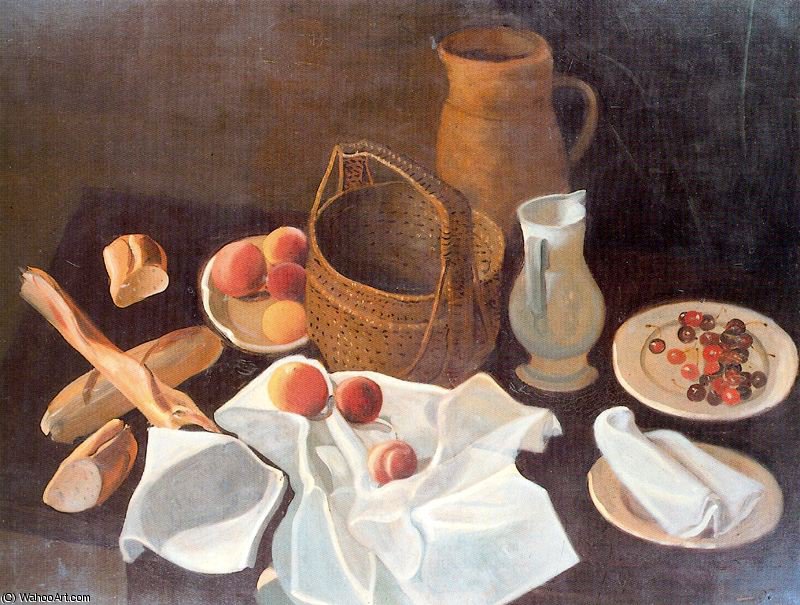
untitled (751)

 Rozwiń treść
Kup wysokiej rozdzielczości, ulepszony obraz cyfrowy o znacznie wyższej jakości niż podgląd online.
Każdy plik jest starannie przygotowywany przez naszych specjalistów przy użyciu zaawansowanych narzędzi oraz profesjonalnej, ręcznej retuszy. Dbamy o to, aby każdy obraz cechował się wyjątkową ostrością, precyzyjnym odwzorowaniem kolorów i subtelnymi detalami.
Ostateczny plik dostarczany jest drogą mailową w ciągu 72 godzin, zoptymalizowany do natychmiastowego wykorzystania w profesjonalnych zastosowaniach redakcyjnych i poligraficznych. To ta sama jakość, której ufają czołowe studia projektowe, wydawnictwa oraz galerie sztuki.
Obraz cyfrowy
Pobierz plik o wysokiej rozdzielczości do osobistego wyświetlania, druku oraz projektów kreatywnych. ( Zamów wydruk Zamów ręcznie malowaną reprodukcję)
W każdym zamówieniu na obraz cyfrowy znajduje się
Profesjonalna dostawa cyfrowa z gwarancją
Wybierając ArtsDot.com, nie otrzymujesz jedynie obrazu – otrzymujesz profesjonalnie udoskonalone cyfrowe dzieło sztuki, stworzone z najwyższą precyzją i objęte gwarancją satysfakcji. Oto wszystko, co automatycznie dołączane jest do Twojego zamówienia:

Błyskawiczna wysyłka e-mailowa
Plik z obrazem cyfrowym w wysokiej rozdzielczości zostanie przesłany na Twój adres e-mail w ciągu 72 godzin od złożenia zamówienia – gotowy do natychmiastowego użycia.

Plik cyfrowy wzbogacony przez AI
Twoja grafika została profesjonalnie zoptymalizowana przy użyciu zaawansowanych narzędzi AI oraz ręcznej edycji, co zapewnia maksymalną szczegółowość, klarowność i wierność kolorów.

Dożywotnia darmowa ponowna dostawa
Przypadkowo usunąłeś lub zgubiłeś swój plik? Bez obaw – prześlemy go Tobie ponownie w dowolnym momencie, bez żadnych opłat.

Bez opłat importowych – zawsze
Ciesz się swoją sztuką natychmiast, bez żadnych opłat celnych, należności ani kosztów dostawy – pliki cyfrowe są zawsze wolne od podatku.

Gwarancja wierności kolorów
Dzięki zastosowaniu profesjonalnych narzędzi i procesów zarządzania barwą zapewniamy, że Twoje cyfrowe zdjęcie odzwierciedla oryginalne kolory tak wiernie, jak to tylko możliwe.

60-dniowa gwarancja satysfakcji
Jeśli nie będziesz zadowolony ze swojego cyfrowego obrazu, dokonamy jego poprawki lub zwrócimy 100% kosztów w ciągu 60 dni – bez żadnych pytań.

100% Gwarancja zwrotu pieniędzy
Nie jesteś zadowolony? Otrzymaj pełny zwrot kosztów w ciągu 60 dni od otrzymania pliku cyfrowego – bez zbędnych pytań.

Rabaty przy zamówieniach hurtowych
Kup 3 obrazy, oszczędź 10% - Kup 5, oszczędź 15% - Kup 10+, oszczędź 20%. Idealne do projektów kreatywnych, galerii i agencji.
Podobne dzieła


Biografia artysty
Early Life and the Seeds of Fauvism
André Derain, born in 1880 in the charming village of Chatou near Paris, wasn’t initially destined for a life steeped in paint and canvas. Contrary to some narratives suggesting an immediate artistic awakening through encounters with fellow painters like Vlaminck or Matisse, Derain embarked on his artistic journey independently around 1895. These early explorations were often undertaken alongside Father Jacomin and his sons during countryside excursions—a formative experience that instilled a deep appreciation for the natural world. He briefly pursued engineering at the Académie Camillo in 1898, where fatefully, he crossed paths with Henri Matisse, initiating a pivotal artistic partnership. Further studies under Eugène Carrière honed his foundational skills, but it was military service from 1901 to 1904 that temporarily interrupted his burgeoning career. Upon his return, persuaded by the unwavering belief of Matisse, Derain decisively abandoned engineering and fully committed himself to painting, continuing his education at the Académie Julian. This commitment marked a turning point, setting him on a path toward becoming a central figure in one of modern art’s most revolutionary movements.The Explosive Birth of Color: Fauvism
The summer of 1905 proved to be an explosive moment for Derain and Matisse as they collaborated in the sun-drenched coastal village of Collioure. This period birthed works like “Mountains at Collioure,” characterized by a radical departure from representational color. The landscapes weren’t merely depictions of places; they were expressions of feeling, rendered through intensely vibrant, non-naturalistic hues. When their work was exhibited at the Salon d'Automne that same year, it provoked outrage and astonishment. Critic Louis Vauxcelles famously dubbed them “Les Fauves”—the wild beasts—a name initially intended as derisive but ultimately embraced by the artists themselves. Derain’s contribution to this movement wasn’t merely stylistic; he possessed a unique ability to translate emotional intensity into pure color. In 1906, Ambroise Vollard commissioned him to paint London, resulting in a series of striking canvases depicting the Thames and Tower Bridge. These weren't conventional cityscapes; they were bold interpretations, capturing the energy and atmosphere of London through an unconventional lens—a testament to Derain’s innovative vision. Influenced by artists like Van Gogh and Cézanne, he pushed the boundaries of color and form, laying the groundwork for future generations of expressionist painters.Beyond Fauvism: A Shifting Aesthetic
The initial fervor of Fauvism didn't define Derain’s entire artistic trajectory. Around 1907, his style began a significant evolution, moving away from the unrestrained chromatic exuberance toward more subdued tones and an increased emphasis on form. This period, often referred to as his “gothic” phase (1911-1914), reflected a growing interest in structure and composition. He immersed himself in the study of Old Masters, incorporating elements of Cubism while simultaneously seeking inspiration from classical forms. This wasn’t a rejection of his earlier work but rather an expansion of his artistic vocabulary. Derain's versatility extended beyond painting; in 1919, he designed the ballet “La Boutique Fantasque” for Sergei Diaghilev’s Ballets Russes, demonstrating his aptitude for theatrical design and further showcasing his diverse talents. Key works from this era, such as "Harlequin and Pierrot" and the monumental mural "Return of Ulysses," exemplify this stylistic shift—a move toward a more controlled and intellectually rigorous approach to artmaking.Major Achievements and Legacy
André Derain’s legacy is firmly rooted in his pivotal role in establishing Fauvism and his subsequent exploration of diverse artistic styles. His early London paintings, characterized by their bold color palettes and dynamic compositions, remain iconic examples of the movement's revolutionary spirit. Beyond this, he made significant contributions to Cubist development alongside Picasso and Braque, demonstrating a remarkable ability to adapt and synthesize various influences. His work as a set designer for the Ballets Russes showcased his versatility and artistic vision beyond the canvas. Despite facing controversy later in life due to his association with Nazi Germany during World War II, Derain’s impact on 20th-century art is undeniable. His paintings are held in major museums worldwide, including the Musée d'Orsay in Paris, the Metropolitan Museum of Art in New York, and the Tate Gallery in London—testaments to his enduring artistic significance.Key Works
Here are some of André Derain’s most celebrated works:- Mountains at Collioure (1905-06)
- Harlequin and Pierrot (1906)
- The Cup of Tea (1907)
- London Paintings (series, 1906-07) – including "Big Ben" and “Most London”
- Return of Ulysses (1914)

André Derain
1880 - 1954 , Francja
Krótka nota
- Artistic Movement Or Style: Fauvizm, Kubizm
- Artists Or Movements Influenced By This Artist:
- Matisse
- Kubizm
- Artists Who Influenced This Artist:
- Van Gogh
- Cézanne
- Date Of Birth: 10 czerwca 1880
- Date Of Death: 8 września 1954
- Full Name: André Derain
- Nationality: Francuz
- Notable Artworks:
- Góry w Collioure
- Harlequin i Pierrot
- Most londyński
- Place Of Birth: Chatou, Francja

