

 Podgląd w skali
 Wyślij jako kartkę
 Udostępnij
 Szczegóły dzieła

 Pobierz
 Podobne obiekty
 RTG
RTG Pokaz slajdów
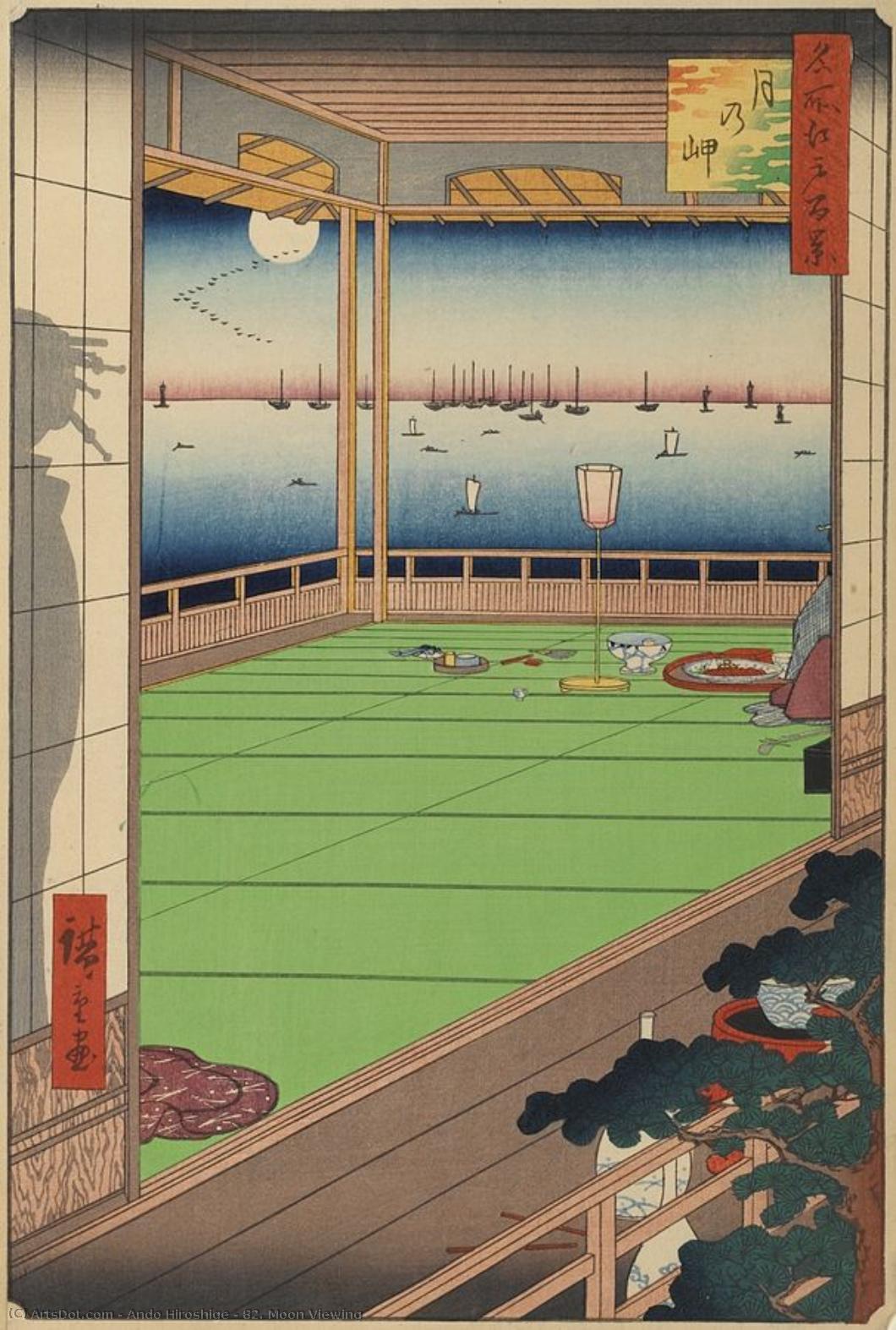
82. Moon Viewing


 Rozwiń treść
Ręcznie malowana reprodukcja olejowa
Ręcznie malowany obraz olejny na płótnie, wykonany na zamówienie przez naszych artystów w wybranym przez Ciebie wymiarze i oprawie. ( Zamów wydruk Kup obraz wysokiej rozdzielczości)




P118B $10

P118H $10

P118W $10

P438Z $10

P508JH $12

P508YH $12

P805H $10

P805Z $10

P919BZ $10

P919G $10

P919XJ $10

P959ZH $10

P968JZ $12

W106C $8

W218G $10

W218JH $8

W218Y $10

W307PJ $10

W316G $10

W316PJ $8

W316Y $10

W398PJ $8

W4111J $10

W500HY $15

W500JH $15

W692G $12

W849H $8

W940BG $15

W953PJ $8




Wybierz spośród naszych standardowych rozmiarów, które zachowują oryginalne proporcje dzieła sztuki.

Możesz wprowadzić własne wymiary, aby dopasować obraz do konkretnej ramy lub przestrzeni. Jeśli wybrany rozmiar nie będzie odpowiadał proporcjom oryginału, przytniecie dzieło sztuki lub rozszerzymy je o dodatkowe elementy, ręcznie domalowane przez artystę. Przed rozpoczęciem produkcji wyślemy projekt cyfrowy do Twojej akceptacji.
Należy pamiętać, że podgląd na ekranie nie odzwierciedla rzeczywistego przycinania ani rozszerzania obrazu. Tylko projekt dokładnie pokaże ostateczną kompozycję.
Choć oferujemy możliwość zamówienia niestandardowych rozmiarów, zalecamy wybór wymiaru z gotowej listy, aby zachować oryginalne proporcje dzieła.
Po złożeniu zamówienia zespół ArtsDot.com skontaktuje się z klientem drogą mailową w celu uzyskania instrukcji i prześle wizualizację projektu
Dostawa na całym świecie () w ciągu 3–4 tygodni zamiast standardowych 5 tygodni. (19 Sierpień). Bez kompromisów w kwestii jakości.

Bezpłatna ekspresowa wysyłka na cały świat

Wysokiej jakości płótno lniane

Pełne ubezpieczenie przesyłki

Gwarancja zwrotu należności celnych i podatków importowych

Gwarancja wiernego odwzorowania kolorów

Polityka 60-dniowego zwrotu (tylko w przypadku wad)

Gwarancja 100% zwrotu kosztów

Zniżka przy zamówieniu wielu produktów
 Opcja ze szkłem jest dostępna wyłącznie w rozmiarach poniżej 110 cm

82. Moon Viewing
Technika reprodukcji
Wymiary reprodukcji
-


Cena całkowita
$ 263
Opis dzieła
A Serene Escape: Ando Hiroshige’s “82. Moon Viewing”
- Subject & Composition: This exquisite ukiyo-e woodblock print transports viewers to a tranquil scene of Edo-era Japan, capturing the intimate atmosphere of a tea ceremony unfolding on a veranda. Hiroshige masterfully divides the composition into distinct layers: the foreground showcasing the delicate architecture and garden setting; the midground focusing on the veranda itself, inviting us into the space; and the background revealing a breathtaking vista of sky and distant mountains. The perspective, characteristic of the Ukiyo-e style, is intentionally flattened, creating depth through skillful layering and atmospheric effects.
- Artistic Style & Technique: “82. Moon Viewing” exemplifies Hiroshige’s mastery of ukiyo-e – "pictures of the floating world." The print showcases his signature poetic sensibility and emotional landscapes. Created using traditional woodblock techniques, the image was meticulously carved onto a wooden block, inked, and then pressed onto Japanese mulberry paper (washi). This process results in a slightly grainy texture and allows for nuanced variations in line weight – from bold outlines defining structures to delicate strokes rendering foliage. The layering of colors achieves subtle tonal shifts and atmospheric depth.
- Historical Context & the “One Hundred Famous Views of Edo” Series: Created in 1857, this print is part of Hiroshige’s celebrated series, “One Hundred Famous Views of Edo” (formerly Tokyo). This ambitious project aimed to depict iconic locations within the city and its surrounding landscapes. The series was immensely popular, not only in Japan but also internationally, influencing Western artists like Monet, Van Gogh, and Degas with its innovative compositions and atmospheric effects. It provides a valuable glimpse into daily life and cultural practices of 19th-century Japan.
- Symbolism & Meaning: The artwork is rich in symbolic meaning. The prominent moon represents serenity, reflection, and the passage of time – themes central to Japanese aesthetics. The tea ceremony itself embodies harmony, respect, purity, and tranquility—core tenets of Zen Buddhism and Japanese culture. The natural landscape, rendered with delicate precision, underscores the importance of nature in Japanese spirituality and artistic expression. The overall scene evokes a sense of peaceful contemplation and escape from the bustling city life.
- Color Palette & Emotional Impact: A harmonious palette of greens, blues, and browns dominates the print, fostering a calming and tranquil atmosphere. The soft, diffused lighting suggests either an overcast day or twilight, enhancing the sense of serenity and introspection. “82. Moon Viewing” is not merely a depiction of a place; it’s an evocation of a mood – a feeling of quietude, harmony, and connection with nature.
- For Collectors & Interior Designers: This print offers timeless elegance and cultural significance. Its serene composition and muted color palette make it a versatile addition to any interior space, complementing both traditional and contemporary décor. A reproduction of “82. Moon Viewing” can bring a touch of Japanese artistry and tranquility into homes, offices, or galleries, serving as a focal point for contemplation and aesthetic appreciation.
Podobne dzieła


O artyście
Ando Hiroshige (Utagawa Hiroshige): The Poet of Edo Japan
Ando Hiroshige, born Andō Tokutarō in 1797 within the bustling heart of Edo (modern Tokyo), wasn’t initially destined for a life steeped in artistic expression. His lineage traced back to samurai origins, yet fate took an unexpected turn with the untimely loss of his parents during his youth. This pivotal moment led to an apprenticeship under Utagawa Toyohiro, a respected figure within the *ukiyo-e* tradition – a world of woodblock prints capturing the ephemeral beauty of everyday life. While early works didn’t immediately garner acclaim, Hiroshige diligently honed his skills, patiently refining his technique and gradually forging a path toward artistic recognition. He even briefly fulfilled familial obligations as a fire warden, a stark contrast to the delicate landscapes that would ultimately define his legacy. This blend of duty and burgeoning artistry shaped a unique perspective, one deeply attuned to both the grandeur and the quiet moments of Edo society.Early Life and Artistic Beginnings
Hiroshige’s childhood was marked by hardship—the sudden demise of his parents instilled in him a profound appreciation for resilience and a keen awareness of mortality. Recognizing his innate talent for drawing, he secured an apprenticeship with Utagawa Toyohiro, a prominent master of the *ukiyo-e* school who championed a more refined aesthetic than many of his contemporaries. This mentorship proved invaluable, shaping Hiroshige’s artistic sensibilities and guiding him toward mastering the techniques of woodblock printing—a medium that would become synonymous with his name. Notably, he briefly served as a fire warden, demonstrating a commitment to civic responsibility alongside his burgeoning passion for art. It was during this period that he began experimenting with different styles and subjects, laying the groundwork for his future masterpieces.The Flowering of Landscape Painting
Hiroshige’s true breakthrough arrived with his unwavering dedication to landscape prints—a genre considered somewhat minor at the time compared to depictions of courtesans or actors. However, Hiroshige possessed a singular vision: he sought not merely to represent places but to convey their emotional essence—the misty serenity of Mount Fuji, the vibrant energy of bustling Edo streets, the tranquil beauty of blossoming plum orchards. He achieved this remarkable feat by employing innovative printing techniques—particularly *bokashi*, or varied gradient printing—that allowed him to capture subtle tonal shifts and atmospheric effects with unprecedented accuracy. This masterful approach distinguished Hiroshige from many of his peers and cemented his reputation as a visionary artist who elevated landscape painting to new heights within the *ukiyo-e* tradition.Iconic Series: Reflections of Edo’s Soul
Hiroshige's artistic output culminated in several monumental series that encapsulate the spirit of Edo Japan—a period characterized by both opulent grandeur and profound social complexities. Among his most celebrated achievements are “Thirty-six Views of Mount Fuji” (1832–34) and “Fifty-three Stations of the Tōkaidō” (1833–34). The former series, depicting Mount Fuji from countless perspectives—sunrise, midday, sunset—transformed the mountain into a symbol of spiritual contemplation and artistic aspiration. Hiroshige’s meticulous attention to detail—capturing every nuance of light and shadow—elevated the genre of landscape print to new levels of sophistication. Similarly, “Fifty-three Stations of the Tokaidō” meticulously documented the vital trade route connecting Edo and Kyoto, presenting a vibrant panorama of human activity alongside breathtaking vistas of mountainous scenery. These prints weren’t simply maps; they were immersive experiences that transported viewers into the heart of Edo society—a testament to Hiroshige's artistic genius and his ability to capture the essence of a bygone era.Influence Beyond Japan: Japonisme and Artistic Innovation
Hiroshige’s work exerted an indelible influence on European artists at the cusp of the Impressionist movement, sparking what is known as *Japonisme*. Artists like Vincent van Gogh, Claude Monet, James McNeill Whistler, Paul Cézanne, Henri de Toulouse-Lautreca, and Paul Gauguin were captivated by Hiroshige’s distinctive aesthetic sensibilities—his use of color, his compositional techniques, and his focus on capturing fleeting moments. They eagerly assimilated elements of Hiroshige's style into their own paintings, resulting in groundbreaking innovations that reshaped the course of Western art history. Hiroshige’s legacy extends far beyond Japan; he remains an artist whose vision continues to inspire creativity and contemplation across cultures—a beacon of artistic excellence who secured his place as one of the last great masters of *ukiyo-e*.
Ando Hiroshige
1797 - 1858 , Japonia
Krótka nota
- Artistic Movement Or Style: *Ukiyo-e*
- Artists Or Movements Influenced By This Artist:
- Impressionizm
- Van Gogh
- Artists Who Influenced This Artist: ['Toyohiro Utagawa']
- Date Of Birth: 1797
- Date Of Death: 1858
- Full Name: Andō Hiroshige
- Nationality: Japoński
- Notable Artworks:
- 36 Widoków na Fuji
- 53 Stacji Tokaido
- 100 Słynnych Widoków Edo
- Place Of Birth: Tokio, Japonia
Powiązane artykuły

Katsushika Hokusai: 25 Arcydzieł Sztuki Japońskiej dla Kolekcjonerów i Miłośników Dekoracji
Odkryj 25 arcydzieł Katsushika Hokusai, mistrza ukiyo-e! Poznaj historię Wielkiej Fali i innych ikonicznych drzeworytów. Inspiracje wnętrzarskie i reprodukcje obrazów najwyższej jakości na ArtsDot.com – sztuka japońska dla Twojego domu.

Ukiyo-e's Greatest Hits: 10 Masterpieces That Shaped a Movement | ArtsDot
Journey into Japan's 'Floating World'! Explore 10 Ukiyo-e masterpieces by Hokusai, Hiroshige & more. Discover the stories behind these iconic woodblock prints and bring timeless Japanese art to your home with ArtsDot.com. Explore the full collection online.

Ukiyo-e's Poetic Visionary: Hiroshige Ando & the Transformation of Landscape in 19th-Century Japan
Explore the life & art of Ando Hiroshige, Japan's last great ukiyo-e master. Discover his iconic landscapes, poetic style, and profound influence on Western Impressionism. Learn about The Fifty-Three Stations & more!

Ukiyo-e: Obrazy Przepływającego Świata – Historia, Techniki i Trwałe Dziedzictwo Japońskiej Sztuki
Poznaj fascynujący świat ukiyo-e – japońskich drzeworytów z okresu Edo. Historia, techniki, artyści i wpływ na sztukę zachodnią. Ekspercka analiza dla miłośników sztuki i kolekcjonerów.

Dziedzictwo drzeworytu: Technika, historia i ekspresja artystyczna w zmieniającym się świecie
Poznaj fascynującą historię drzeworytu – od starożytnych technik po japońskie 'ukiyo-e'. Odkryj proces tworzenia, wpływ mistrzów i współczesne interpretacje tej wyjątkowej formy sztuki. Ekspercka analiza dla kolekcjonerów i miłośników grafiki.

