

 Podgląd w skali 1:1
 Wyślij jako kartkę
 Udostępnij
 Szczegóły dzieła
 Przewodnik

 Pobierz obraz
 Podobne obiekty
 RTG
RTG Pokaz slajdów
 Q&A
Q&A Statystyki
Teacher

 Rozwiń treść
Giclée / Wydruk artystyczny
Wydruki giclée lub płótna o jakości muzealnej, szybka realizacja i szeroki wybór opcji wykończenia. ( Zamów ręcznie malowaną reprodukcję Przejdź do wersji cyfrowej)




P118B zł10

P118H zł10

P118W zł10

P438Z zł10

P508JH zł12

P508YH zł12

P805H zł10

P805Z zł10

P919BZ zł10

P919G zł10

P919XJ zł10

P959ZH zł10

P968JZ zł12

W106C zł8

W218G zł10

W218JH zł8

W218Y zł10

W307PJ zł10

W316G zł10

W316PJ zł8

W316Y zł10

W398PJ zł8

W4111J zł10

W500HY zł15

W500JH zł15

W692G zł12

W849H zł8

W940BG zł15

W953PJ zł8




Wybierz spośród naszych standardowych rozmiarów, które zachowują oryginalne proporcje dzieła sztuki.

Wpisz wymaganą szerokość i wysokość, aby dopasować grafikę do ramy lub ściany. Wydruk można jedynie przyciąć, nigdy nie powiększając go poza oryginalny obraz, dlatego format o innych proporcjach spowoduje utratę części kompozycji. Przed rozpoczęciem druku prześlemy Ci cyfrowy podgląd do zatwierdzenia. Obraz wyświetlany na tej stronie nie pokazuje rzeczywistego przycięcia — jedynie podgląd oddaje ten efekt.
Dostawa na cały świat () w ciągu 2 tygodni zamiast standardowych 4/5 tygodni. (2 Listopad)

Bezpłatna ekspresowa wysyłka na cały świat

Wysokiej jakości płótno lniane

Pełne ubezpieczenie przesyłki

Gwarancja zwrotu należności celnych i podatków importowych

Gwarancja wiernego odwzorowania kolorów

100-dniowa polityka zwrotów (tylko w przypadku wad)

Gwarancja 100% zwrotu pieniędzy

Zniżka przy zakupie wielu sztuk
 Opcja ze szkłem jest dostępna wyłącznie w rozmiarach poniżej 110 cm

Teacher
Giclée / Wydruk artystyczny
Wymiary reprodukcji
-


Cena całkowita
zł 241
Podobne dzieła


Biografia artysty
A Glimpse into a Renaissance Life Cut Short: Ambrosius Holbein
Born in the vibrant artistic hub of Augsburg, Germany, in 1494, Ambrosius Holbein emerged from a family already steeped in creative legacy. His father, Hans Holbein the Elder, was a pivotal figure transitioning German art from the intricate detail of the Gothic period towards the burgeoning Renaissance ideals sweeping across Europe. This familial environment wasn’t merely one of proximity to artistry; it was an immersive training ground where young Ambrosius, alongside his younger brother—the more renowned Hans Holbein the Younger—absorbed not only painting techniques but also the skills of goldsmithing, jewelry making, and printmaking. The workshop resonated with a collaborative spirit, evidenced by their inclusion in a panel of their father’s 1504 altar-piece triptych, “The Basilica of St. Paul,” a testament to the Holbein family's unified artistic vision. Augsburg itself provided fertile ground for development; a thriving center of commerce and culture, it exposed Ambrosius to diverse influences that would shape his early style.Basel and Artistic Flourishing
Around 1515, Ambrosius’s path led him to Stein am Rhein in Switzerland, where he collaborated with Thomas Schmid on murals within the St. George Monastery. This project showcased his aptitude for large-scale decorative painting, a skill honed through years of familial instruction. However, it was Basel that truly became the center of his artistic activity. Arriving around 1516, he initially worked as a journeyman in the studio of Hans Herbster, immersing himself further into the local art scene. His dedication and talent quickly earned him recognition; by 1517, Ambrosius was enrolled in the register of the Basel painters' guild, solidifying his position within the artistic community. A year later, in 1518, he achieved citizenship in Basel, a testament to his integration into the city’s social and professional life. This period marked a significant blossoming of his individual style, moving beyond familial influence towards a unique voice characterized by delicate realism and sensitive portraiture.A Legacy in Paint: Notable Works and Artistic Style
Though his career was tragically brief, Ambrosius Holbein left behind a body of work that reveals a masterful talent poised for even greater achievements. Among his most celebrated paintings are the companion pieces, “Portrait of a Boy with Blond Hair” and “Portrait of a Boy with Brown Hair,” both housed in the Basel Kunstmuseum. These portraits exemplify his skill in capturing not merely likeness but also the individual character and inner life of his subjects. Beyond portraiture, Ambrosius explored religious themes with works like "Death of the Virgin", demonstrating a command of composition and narrative storytelling. He was also recognized as an important illustrator, creating “small format” artworks that reveal a meticulous attention to detail and a refined aesthetic sensibility. His style reflects the growing influence of Renaissance ideals in Northern Europe—a focus on realism, detailed observation, and a burgeoning humanism. He skillfully blended these influences with the existing traditions of German painting, resulting in works that are both innovative and deeply rooted in his artistic heritage. "The Island of Utopia" and “Signboard for a Schoolmaster” further demonstrate this range, showcasing his versatility across different genres and formats.A Pivotal Figure: Historical Significance and Lasting Influence
Sadly, Ambrosius Holbein’s promising career was cut short by his death around 1519, at the young age of approximately twenty-five. This untimely passing left behind a relatively small but remarkably significant body of work. Despite its brevity, his artistic contribution played an important role in the transition from Gothic to Renaissance art not only in Basel but also beyond. He served as a crucial link between the older traditions and the new aesthetic sensibilities that were transforming European art. Perhaps most importantly, his contributions likely influenced the development of his younger brother, Hans Holbein the Younger, who would go on to become one of the most celebrated portrait painters of the Renaissance. Ambrosius’s legacy extends beyond his individual paintings; he is remembered as a key figure among Basel’s illustrators and artists specializing in “small format” works—a testament to his skill, innovation, and enduring impact on the artistic landscape of his time. His work continues to offer a fascinating glimpse into a pivotal moment in art history, revealing the talent and potential of an artist whose life was tragically cut short.
Ambrosius Holbein
1494 - 1519 , Germany
Krótka nota
- Full Name: Ambrosius Holbein
- Nationality: German
- Date Of Birth: 1494
- Date Of Death: 1519
- Place Of Birth: Augsburg, Germany
- Notable Artworks:
- Portrait of a Boy with Blond Hair
- Portrait of a Boy with Brown Hair
- The Island of Utopia
- Death of the Virgin
- Signboard for a Schoolmaster
- Artistic Movement Or Style: Renaissance
- Artists Who Influenced This Artist: ['Hans Holbein the Elder']
- Artists Or Movements Influenced By This Artist: ['Hans Holbein the Younger']
Powiązane artykuły

Mark Rothko: 25 Arcydzieł Koloru i Emocji | Reprodukcje Obrazów | ArtsDot.com
Odkryj 25 arcydzieł Marka Rothko – mistrza abstrakcji i koloru. Poznaj historie, techniki i emocje kryjące się za jego płótnami. Reprodukcje obrazów najwyższej jakości na ArtsDot.com. Eksploruj kolekcję online!
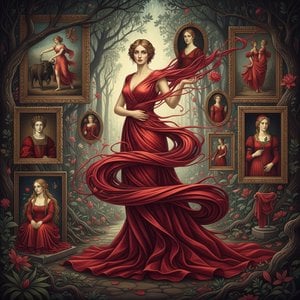
Crimson Threads of Narrative: Exploring Symbolism & Representation in Artworks Featuring the Red Dress
Explore the rich symbolism of the red dress in art history! From ancient power displays to iconic portraits like Cézanne’s 'Madame Cezanne', discover the cultural and artistic significance behind this captivating color. Expert analysis & insights.

25 Arcydzieł Luwru: Podróż przez Historie Sztuki i Inspiracje dla Domu
Odkryj 25 arcydzieł Luwru! Poznaj historie Mona Lisy, Wenus z Milo i innych ikonicznych dzieł sztuki. Reprodukcje obrazów najwyższej jakości – inspiracje dla Twojego wnętrza na ArtsDot.com.
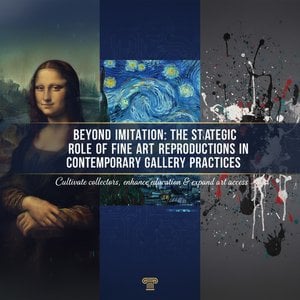
Prestiż w Reprodukcji: Strategiczne Wykorzystanie Wysokiej Jakości Kopii w Elitarnych Galeriach Sztuki
Odkryj strategiczne wykorzystanie wysokiej jakości reprodukcji sztuki w budowaniu prestiżu galerii i kolekcji. Analiza technologii, prawa autorskiego i trendów inwestycyjnych. Ekspercka wiedza dla kolekcjonerów.

Beyond Imitation: The Cultural Resonance of Fine Art Reproduction & Discerning Collectors
Explore the cultural significance of fine art reproduction & its appeal to discerning collectors. Discover how reproductions enhance aesthetics, build collections, and signal status. Expert insights & museum-quality artistry.