


 Zobacz w skali 1:1
 Wyślij
 Udostępnij
 Szczegóły
 Przewodnik

 Pobierz plik obrazu
 Podobne obiekty
 RTG
RTG Pokaz slajdów
 Statystyki
Blue lights

 Czytaj więcej
Ręcznie malowana reprodukcja olejowa
Ręcznie malowany obraz olejny na płótnie, wykonany na zamówienie przez naszych artystów w wybranym przez Ciebie wymiarze i oprawie. ( Przełącz na wersję drukowaną Przełącz na wersję cyfrową)




P118B zł10

P118H zł10

P118W zł10

P438Z zł10

P508JH zł12

P508YH zł12

P805H zł10

P805Z zł10

P919BZ zł10

P919G zł10

P919XJ zł10

P959ZH zł10

P968JZ zł12

W106C zł8

W218G zł10

W218JH zł8

W218Y zł10

W307PJ zł10

W316G zł10

W316PJ zł8

W316Y zł10

W398PJ zł8

W4111J zł10

W500HY zł15

W500JH zł15

W692G zł12

W849H zł8

W940BG zł15

W953PJ zł8




Wybierz spośród naszych standardowych rozmiarów, które zachowują oryginalne proporcje dzieła sztuki.

Wpisz wymaganą szerokość i wysokość, aby obraz pasował do Twojej ramy lub ściany. Ponieważ jest to dzieło malowane ręcznie, w przypadku rozmiaru o innym proporcji artysta może domalować nieco więcej wokół obrazu lub przyciąć fragmenty — wybór należy do Ciebie. Przed rozpoczęciem pracy prześlemy Ci cyfrową wizualizację do zatwierdzenia. Obraz widoczny na tej stronie nie przedstawia rzeczywistego efektu — jedynie wizualizacja oddaje realny rezultat.
Po złożeniu zamówienia zespół ArtsDot.com skontaktuje się z klientem drogą mailową w celu uzyskania instrukcji i prześle wizualizację projektu
Dostawa na całym świecie () w ciągu 3–4 tygodni zamiast standardowych 5 tygodni. (24 Październik). Bez kompromisów w kwestii jakości.

Bezpłatna ekspresowa wysyłka na cały świat

Wysokiej jakości płótno lniane

Pełne ubezpieczenie transportowe

Gwarancja zwrotu należności celnych i podatków importowych

Gwarancja idealnego odwzorowania barw

100-dniowy okres na zwrot dzieła w przypadku wykrycia wad produkcyjnych

Gwarancja 100% zwrotu pieniędzy

Oferta przy zakupie wielu sztuk
 Opcja ze szkłem jest dostępna wyłącznie w rozmiarach poniżej 110 cm

Blue lights
Technika wykonania
Rozmiar reprodukcji
-


Suma do zapłaty
zł 1009
Podobne dzieła


Biografia artysty
A Life Immersed in Landscape
Alfred William Hunt, a name perhaps less immediately recognized than some of his Pre-Raphaelite contemporaries, nevertheless occupies a vital and compelling position within the landscape tradition of Victorian Britain. Born in Liverpool in 1830, Hunt’s path was one of intriguing duality – a scholar steeped in classical learning who simultaneously possessed an artist's keen eye for the natural world. His father, Andrew Hunt, was also a landscape painter, providing an initial grounding in artistic technique, but it was at Oxford University, where he pursued studies in classics, that young Alfred’s intellectual foundations were truly laid. He excelled academically, winning the prestigious Newdigate Prize for poetry in 1851 with his work “Nineveh” and becoming a fellow of Corpus Christi College in 1853. Yet, even amidst the rigors of academic life, the pull of artistic expression proved irresistible.The Ruskinian Influence and Artistic Development
A pivotal moment arrived when Hunt encountered the influential art critic John Ruskin. Ruskin’s emphasis on “truth to nature,” meticulous observation, and a deeply felt emotional connection to the landscape resonated profoundly with Hunt's own sensibilities. This encounter spurred him toward dedicating himself more fully to painting, initially exhibiting at the Royal Academy in 1854. While not formally aligning himself with the Pre-Raphaelite Brotherhood, Hunt found himself drawn to their commitment to detail and naturalism, incorporating these principles into his evolving style. His early works demonstrate a careful rendering of form, influenced by both his father’s traditional approach and the burgeoning aesthetic ideals of the time. He began sketching extensively, documenting the world around him with an almost scientific precision, yet always imbued with a poetic sensibility. Hunt's dedication to working *en plein air*, directly from nature, became a hallmark of his practice, allowing him to capture the fleeting effects of light and atmosphere with remarkable accuracy.Mastering Atmosphere and Detail
Hunt’s paintings are immediately recognizable for their exquisite detail and atmospheric rendering. He possessed an extraordinary ability to depict every leaf, blade of grass, and rock formation with painstaking precision, yet this meticulousness never felt sterile or academic. Instead, it served to heighten the emotional impact of his landscapes, creating scenes that were both visually stunning and deeply evocative. His commitment to naturalism, born from Ruskin’s teachings, meant a faithful representation of the observed world, but Hunt went beyond mere imitation. He masterfully captured the subtle nuances of light and shadow, the delicate interplay of color, and the overall mood of a scene, imbuing his work with a sense of tranquility and poetic beauty. This ability to convey atmosphere – whether it be the misty stillness of a Welsh valley or the dramatic energy of a coastal storm – is perhaps his most enduring legacy.Recognition and Legacy
Throughout his career, Hunt consistently exhibited at the Royal Academy and other provincial exhibitions, gradually gaining recognition for his skill and artistry. In 1862, he was elected an associate of the Old Water-Colour Society, becoming a full member in 1864, solidifying his position within the artistic establishment. His work attracted a dedicated following among art collectors and enthusiasts who appreciated his unique blend of technical mastery and emotional depth. Beyond his own artistic achievements, Hunt’s influence extended to his family; his wife, Margaret Raine Hunt, was a successful novelist, and their daughter, Violet Hunt, also became known as a writer. His niece, Jessie MacGregor, followed in his footsteps as an artist. Alfred William Hunt passed away in 1896 and is buried with his wife and daughter at Brookwood Cemetery. While perhaps not enjoying the same level of widespread fame as some of his contemporaries, Hunt’s contribution to British landscape painting remains significant. He successfully bridged the gap between academic tradition and the emerging Pre-Raphaelite aesthetic, leaving behind a body of work that continues to captivate and inspire with its exquisite detail, atmospheric beauty, and profound connection to the natural world. His paintings stand as testaments to a life dedicated to observing, interpreting, and celebrating the poetry of truth found within the landscape.
Alfred William Hunt
1830 - 1896 , United Kingdom
Najważniejsze informacje
- Full Name: Alfred William Hunt
- Nationality: British
- Date Of Birth: 1830
- Date Of Death: 1896
- Place Of Birth: Liverpool, United Kingdom
- Notable Artworks:
- Tynemouth Pier
- Harlech Castle
- Study For 'blue Lights'
- Artistic Movement Or Style: Pre-Raphaelite, Landscape
- Artists Who Influenced This Artist:
- Andrew Hunt
- John Ruskin
- J.M.W. Turner
- Artists Or Movements Influenced By This Artist: British Landscape Painting
Zobacz także powiązane artykuły

Serene Blue Backgrounds: Discover Soulful Art to Transform Your Space with Timeless Elegance
Transform your home with soulful blue art. From serene Monet impressions to modern textured sculptures, discover curated masterpieces designed to inspire calm. Explore expert art consultations and bespoke hand-painted reproductions to create your personal sanctuary.

Top 10 Sławnych Obrazów w Odcieniach Szaroniebieskiego – Inspiracje dla Wnętrz | ArtsDot.com
Odkryj 10 najsłynniejszych obrazów w odcieniach szaroniebieskiego! Poznaj historie Claude Moneta, Degasa i Van Gogha. Inspiracje wnętrzarskie i reprodukcje najwyższej jakości na ArtsDot.com – sztuka dla Twojego domu.

Dante Gabriel Rossetti: 25 Arcydzieł Pełnych Pasji i Symboliki | ArtsDot
Odkryj 25 najpiękniejszych obrazów Dante Gabriela Rossettiego! Poznaj historię, symbolikę i techniki prerafaelitów. Reprodukcje najwyższej jakości do Twojego wnętrza – ArtsDot.
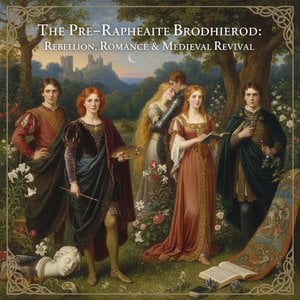
Prerafaelici: Bunt przeciw akademizmowi i odrodzenie malarstwa narracyjnego
Poznaj fascynujący świat prerafaelitów – ruchu artystycznego, który zrewolucjonizował malarstwo wiktoriańskie. Analiza stylu, twórczości Millaisa, Rossettiego i innych mistrzów. Odkryj inspiracje średniowieczem i symbolikę ich dzieł.

Sir Alfred James Munnings: 25 Arcydzieł Malarstwa Koni i Angielskiej Wsi | ArtsDot.com
Odkryj 25 arcydzieł Sir Alfreda Jamesa Munningsa – mistrza malarstwa koni i angielskiego krajobrazu. Poznaj historię, technikę i piękno jego obrazów. Reprodukcje najwyższej jakości na ArtsDot.com! Eksploruj pełną kolekcję online.