


 Zobacz w skali 1:1
 Wyślij
 Udostępnij
 Szczegóły
 Przewodnik

 Pobierz plik obrazu
 Podobne obiekty
 RTG
RTG Pokaz slajdów
 Statystyki
Autoportrait

 Czytaj więcej
Ręcznie malowana reprodukcja olejowa
Ręcznie malowany obraz olejny na płótnie, wykonany na zamówienie przez naszych artystów w wybranym przez Ciebie wymiarze i oprawie. ( Przełącz na wersję drukowaną Przełącz na wersję cyfrową)




P118B $10

P118H $10

P118W $10

P438Z $10

P508JH $12

P508YH $12

P805H $10

P805Z $10

P919BZ $10

P919G $10

P919XJ $10

P959ZH $10

P968JZ $12

W106C $8

W218G $10

W218JH $8

W218Y $10

W307PJ $10

W316G $10

W316PJ $8

W316Y $10

W398PJ $8

W4111J $10

W500HY $15

W500JH $15

W692G $12

W849H $8

W940BG $15

W953PJ $8




Wybierz spośród naszych standardowych rozmiarów, które zachowują oryginalne proporcje dzieła sztuki.

Możesz wprowadzić własne wymiary, aby dopasować obraz do konkretnej ramy lub przestrzeni. Jeśli wybrany rozmiar nie będzie odpowiadał proporcjom oryginału, przytniecie dzieło sztuki lub rozszerzymy je o dodatkowe elementy, ręcznie domalowane przez artystę. Przed rozpoczęciem produkcji wyślemy projekt cyfrowy do Twojej akceptacji.
Należy pamiętać, że podgląd na ekranie nie odzwierciedla rzeczywistego przycinania ani rozszerzania obrazu. Tylko projekt dokładnie pokaże ostateczną kompozycję.
Choć oferujemy możliwość zamówienia niestandardowych rozmiarów, zalecamy wybór wymiaru z gotowej listy, aby zachować oryginalne proporcje dzieła.
Po złożeniu zamówienia zespół ArtsDot.com skontaktuje się z klientem drogą mailową w celu uzyskania instrukcji i prześle wizualizację projektu
Dostawa na całym świecie () w ciągu 3–4 tygodni zamiast standardowych 5 tygodni. (23 Wrzesień). Bez kompromisów w kwestii jakości.

Bezpłatna ekspresowa wysyłka na cały świat

Wysokiej jakości płótno lniane

Pełne ubezpieczenie transportowe

Gwarancja zwrotu należności celnych i podatków importowych

Gwarancja idealnego odwzorowania barw

100-dniowy okres na zwrot dzieła w przypadku wykrycia wad produkcyjnych

Gwarancja 100% zwrotu pieniędzy

Oferta przy zakupie wielu sztuk
 Opcja ze szkłem jest dostępna wyłącznie w rozmiarach poniżej 110 cm

Autoportrait
Technika wykonania
Rozmiar reprodukcji
-


Suma do zapłaty
$ 263
Podobne dzieła


Biografia artysty
The Dawn of a Neoclassical Visionary
Emerging from the refined traditions of a noble family with deep connections to the Bourbon monarchy, Alexandre Denis Abel de Pujol was destined for a life steeped in the grandeur of classical antiquity. His journey began in Valenciennes, where an aristocratic education fostered a profound reverence for humanist values and the timeless beauty of historical tradition. This early immersion prepared him for his pivotal apprenticeship under the legendary Jacques-Louis David at the École Royale Supérieure des Beaux-Arts in Paris. From David, Pujol inherited far more than mere technical prowess; he absorbed a commitment to the dramatic power of historical narrative and a meticulous attention to detail. His stylistic language became one of clarity, balance, and idealized figures, all imbued with a deep sense of moral significance that would define his approach to the monumental canvases of his era.
Monumental Narratives and the Glory of France
Pujol’s true mastery was revealed through his ambitious decorative commissions, works that transformed the very architecture of French institutions into stages for epic storytelling. He possessed a rare ability to command vast, soaring spaces, utilizing color and perspective to breathe life into mythological legends and historical triumphs. In the hallowed halls of the Louvre, his depiction of Virgil's Aeneas upon the ceiling of the Grand Staircase serves as a powerful allegory of Roman virtue and destiny, captivating viewers with its dramatic scale. This talent for monumental fresco was further realized at Fontainebleau, where the Galerie de Diane showcases a breathtaking moment of triumph: Julius Caesar’s return to Rome after defeating Pompey. Through his brush, the struggle and glory of antiquity felt immediate and palpable.
His most symbolically profound achievement can be found in the ceiling of the Bourse de Paris, where he portrayed the Herculean struggle of Hercules against the Hydra—a timeless emblem of courage and the relentless human spirit in the face of overwhelming adversity. To understand the breadth of his impact, one might look to these defining works:
- The Grand Staircase at the Louvre: An exploration of Roman destiny through the lens of the Aeneid.
- The Galerie de Diane at Fontainebleau: A cinematic portrayal of Julius Caesar's triumphant return.
- The Bourse de Paris Ceiling: A symbolic representation of perseverance via the myth of Hercules.
A Legacy of Honor and Artistic Lineage
Beyond his individual triumphs, Pujol’s significance is etched into the fabric of the nineteenth-century art world through his role as a mentor and a distinguished figure of the French state. As a member of the prestigious Institut de France and an officer of the Légion d'honneur, he stood at the pinnacle of his profession, recognized for his contributions to the national identity of France. His influence extended far beyond his own canvas, as he nurtured a new generation of talent, passing down the disciplined techniques of the Neoclassical tradition to notable students such as Alexandre-Gabriel Decamps and Émile Lévy. While history sometimes places him in the shadow of more turbulent Romanticists, the enduring strength of his compositions remains a testament to a man who sought to capture the eternal through the lens of classical perfection. His life, spanning from the twilight of the Bourbon era to the mid-nineteenth century, remains a vital and luminous chapter in the history of French art.

Alexandre Denis Abel de Pujol
1825 - 1861
Najważniejsze informacje
- Artistic Movement Or Style: Neoclassical
- Artists Or Movements Influenced By This Artist: ['David']
- Artists Who Influenced This Artist: ['Jacques-Louis David']
- Date Of Birth: 1785
- Date Of Death: 1861
- Full Name: Alexandre Denis Abel de Pujol
- Nationality: French
- Notable Artworks:
- Le President de Harlay Insulte par les Liqueurs
- Autoportrait
- César se rendant au sénat aux Ides de Mars
- Place Of Birth: Paris, France
Zobacz także powiązane artykuły

Anne-Louis Girodet: Bridging Neoclassicism & Romanticism with Emotional Truth
Explore the captivating world of Anne-Louis Girodet, a pivotal figure bridging Neoclassicism & Romanticism. Discover his masterpieces and unique artistic vision with ArtsDot.

Arcydzieła XIX Wieku: 10 Obrazów Opowiadających Epokę | ArtsDot
Odkryj 10 arcydzieł XIX wieku! Poznaj historię Monet, Van Gogha i Courbeta. Imesjonizm, realizm, romantyzm – obrazy pełne emocji i piękna czekają na ArtsDot.com. Znajdź idealny obraz do swojego wnętrza!
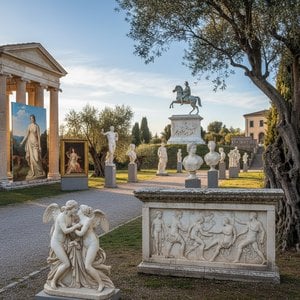
Neoklasycyzm: 10 Arcydzieł, Które Zdefiniowały Epokę | ArtsDot.com
Odkryj 10 arcydzieł neoklasycyzmu! Poznaj historie Davida, Ingresa i Canovy. Malarstwo i rzeźba pełne harmonii i elegancji. Reprodukcje najwyższej jakości na ArtsDot.com – inspiracje dla Twojego wnętrza. Eksploruj kolekcję online!

Reflecting the Self: A History of Portraiture & Psychological Insight
Explore the fascinating history of self-portraiture from Renaissance masters like Dürer & Rembrandt to modern interpretations. Discover the psychological insights and artistic techniques behind these iconic works. Expert analysis for art enthusiasts.

Neoklasycyzm: Powrót do antyku i triumf rozumu w sztuce
Poznaj neoklasycyzm – fascynujący nurt sztuki inspirowany antykiem i ideami oświecenia. Analiza architektury, malarstwa i muzyki z perspektywy historyków sztuki. Odkryj dzieła Davida, Strawinskiego i wpływ Winckelmanna.