


 Podgląd w skali
 Wyślij jako kartkę
 Udostępnij
 Szczegóły dzieła

 Pobierz
 Podobne obiekty
 RTG
RTG Pokaz slajdów
Dancing Peasants
 Oil On Canvas
- WallArt
- Baroque
 1660
1660 28.0 x 38.0 cm
 Muzeum Ermitażu
 Rozwiń treść
Ręcznie malowana reprodukcja olejowa
Ręcznie malowany obraz olejny na płótnie, wykonany na zamówienie przez naszych artystów w wybranym przez Ciebie wymiarze i oprawie. ( Zamów wydruk Kup obraz wysokiej rozdzielczości)




P118B $10

P118H $10

P118W $10

P438Z $10

P508JH $12

P508YH $12

P805H $10

P805Z $10

P919BZ $10

P919G $10

P919XJ $10

P959ZH $10

P968JZ $12

W106C $8

W218G $10

W218JH $8

W218Y $10

W307PJ $10

W316G $10

W316PJ $8

W316Y $10

W398PJ $8

W4111J $10

W500HY $15

W500JH $15

W692G $12

W849H $8

W940BG $15

W953PJ $8




Wybierz spośród naszych standardowych rozmiarów, które zachowują oryginalne proporcje dzieła sztuki.

Możesz wprowadzić własne wymiary, aby dopasować obraz do konkretnej ramy lub przestrzeni. Jeśli wybrany rozmiar nie będzie odpowiadał proporcjom oryginału, przytniecie dzieło sztuki lub rozszerzymy je o dodatkowe elementy, ręcznie domalowane przez artystę. Przed rozpoczęciem produkcji wyślemy projekt cyfrowy do Twojej akceptacji.
Należy pamiętać, że podgląd na ekranie nie odzwierciedla rzeczywistego przycinania ani rozszerzania obrazu. Tylko projekt dokładnie pokaże ostateczną kompozycję.
Choć oferujemy możliwość zamówienia niestandardowych rozmiarów, zalecamy wybór wymiaru z gotowej listy, aby zachować oryginalne proporcje dzieła.
Po złożeniu zamówienia zespół ArtsDot.com skontaktuje się z klientem drogą mailową w celu uzyskania instrukcji i prześle wizualizację projektu
Dostawa na całym świecie () w ciągu 3–4 tygodni zamiast standardowych 5 tygodni. (26 Sierpień). Bez kompromisów w kwestii jakości.

Bezpłatna ekspresowa wysyłka na cały świat

Wysokiej jakości płótno lniane

Pełne ubezpieczenie przesyłki

Gwarancja zwrotu należności celnych i podatków importowych

Gwarancja wiernego odwzorowania kolorów

Polityka 60-dniowego zwrotu (tylko w przypadku wad)

Gwarancja 100% zwrotu kosztów

Zniżka przy zamówieniu wielu produktów
 Opcja ze szkłem jest dostępna wyłącznie w rozmiarach poniżej 110 cm

Dancing Peasants
Technika reprodukcji
Wymiary reprodukcji
-


Cena całkowita
$ 413
Opis dzieła
Dancing Peasants by Abraham Teniers
Abraham Teniers II (1610–90) stands as one of Flanders’ most prolific Baroque painters, leaving behind an astonishing oeuvre that encompasses genre scenes, portraits, landscapes and mythological compositions. Yet, it is his dedication to capturing the everyday life of rural communities—particularly through his celebrated peasant genre—that cemented his legacy as a pivotal figure in Northern Renaissance art. Teniers' artistic journey began under the tutelage of his father, David Teniers I, establishing a familial tradition of artistic excellence that would extend across generations. His brother, Abraham Teniers I (1629–97), also pursued painting with considerable success, furthering the family’s renown within Antwerp’s artistic circles.- Subject Matter: Teniers' canvases frequently depict scenes from rural life—peasants engaged in festive gatherings, celebrations of harvest festivals, and lively social interactions. These depictions weren’t merely observational; they served as a conduit for exploring themes of community spirit, religious piety, and the complexities of human relationships within a pastoral setting.
- Style: Teniers' artistic style embodies the Baroque aesthetic—characterized by dynamism, theatrical lighting, and an emphasis on emotional expression. He skillfully employed illusionistic techniques to create depth and realism, mirroring the grandeur and drama prevalent in contemporary art.
- Technique: Primarily working with oil paint on canvas, Teniers mastered the impasto technique—applying thick layers of pigment onto the surface—to imbue his paintings with textural richness and visual impact. This method allowed him to convey not only form but also mood and atmosphere, capturing the vibrancy of rural life with remarkable precision.
- Historical Context: Teniers’ work flourished during a period marked by significant artistic innovation and intellectual ferment in Antwerp—a city that served as a hub for Flemish art production. His paintings reflect the broader cultural currents of the Baroque era, mirroring the fascination with theatricality and grandeur that defined the time.
- Symbolism: Recurring motifs within Teniers’ compositions—such as musical instruments, dancing figures, and depictions of religious rituals—carried symbolic significance, conveying moral lessons and reinforcing societal values. These elements underscored the artist's belief in art's capacity to illuminate human experience and inspire contemplation.
Podobne dzieła


Powiązane artykuły
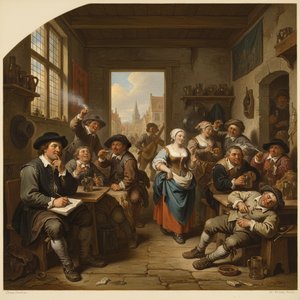
David Teniers the Younger: Genre Painting & Social Commentary in Baroque Flanders
Explore the captivating world of David Teniers the Younger, a leading Flemish Baroque painter. Discover his genre scenes, social commentary, and lasting influence on 17th-century art. Learn about his life, techniques & legacy.

Złoty Wiek Niderlandów: Światło, Realizm i Kulturowe Innowacje w Malarstwie Barokowym
Odkryj fascynujący świat malarstwa holenderskiego Złotego Wieku! Poznaj arcydzieła Rembrandta, Vermeera i innych mistrzów. Analiza technik, gatunków i wpływu na sztukę europejską.

Holenderski Barok: 10 Arcydzieł, Które Zdefiniowały Epokę | ArtsDot
Poznaj 10 arcydzieł holenderskiego baroku! Odkryj historie Rembrandta, Vermeera i innych mistrzów XVII wieku. Reprodukcje obrazów najwyższej jakości – idealne do Twojego wnętrza. ArtsDot.com
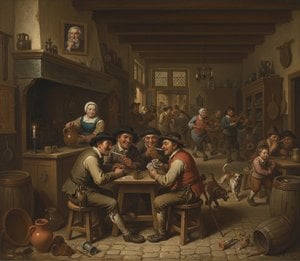
David Teniers II: Master of Flemish Genre & Social Commentary
Explore the captivating world of David Teniers II, a leading Flemish Baroque painter renowned for his lively genre scenes & insightful social commentary. Discover his masterpieces and legacy with ArtsDot.

Adriaen Brouwer: Capturing Dutch Life & Social Commentary Through Genre Painting
Explore the captivating world of Adriaen Brouwer, a master of Dutch Golden Age genre painting. Discover his vivid depictions of peasant life, social commentary, and lasting influence on art history. Learn more at ArtsDot.

