

A Timeless Journey Through Western Art
Nestled within the vibrant heart of Trafalgar Square, The National Gallery isn’t merely a repository of art; it's an immersive journey through the very soul of Western artistic expression. Founded in 1824 with a modest collection of thirty-eight works, this institution has blossomed into one of the world’s most revered museums, now housing over two thousand three hundred masterpieces spanning from the thirteenth to the nineteenth centuries. A visit here transcends simple viewing; it's an encounter with the minds of history’s greatest artists, a chance to stand before creations that have fundamentally shaped our understanding of beauty, emotion, and the human condition. The Gallery’s enduring appeal lies in its ability to transport visitors through time, revealing the evolution of style and technique across generations – a testament to the power of art to connect us with the past. More than just a collection, it's a carefully curated narrative, unfolding across centuries and continents, inviting contemplation and sparking dialogue about our world.
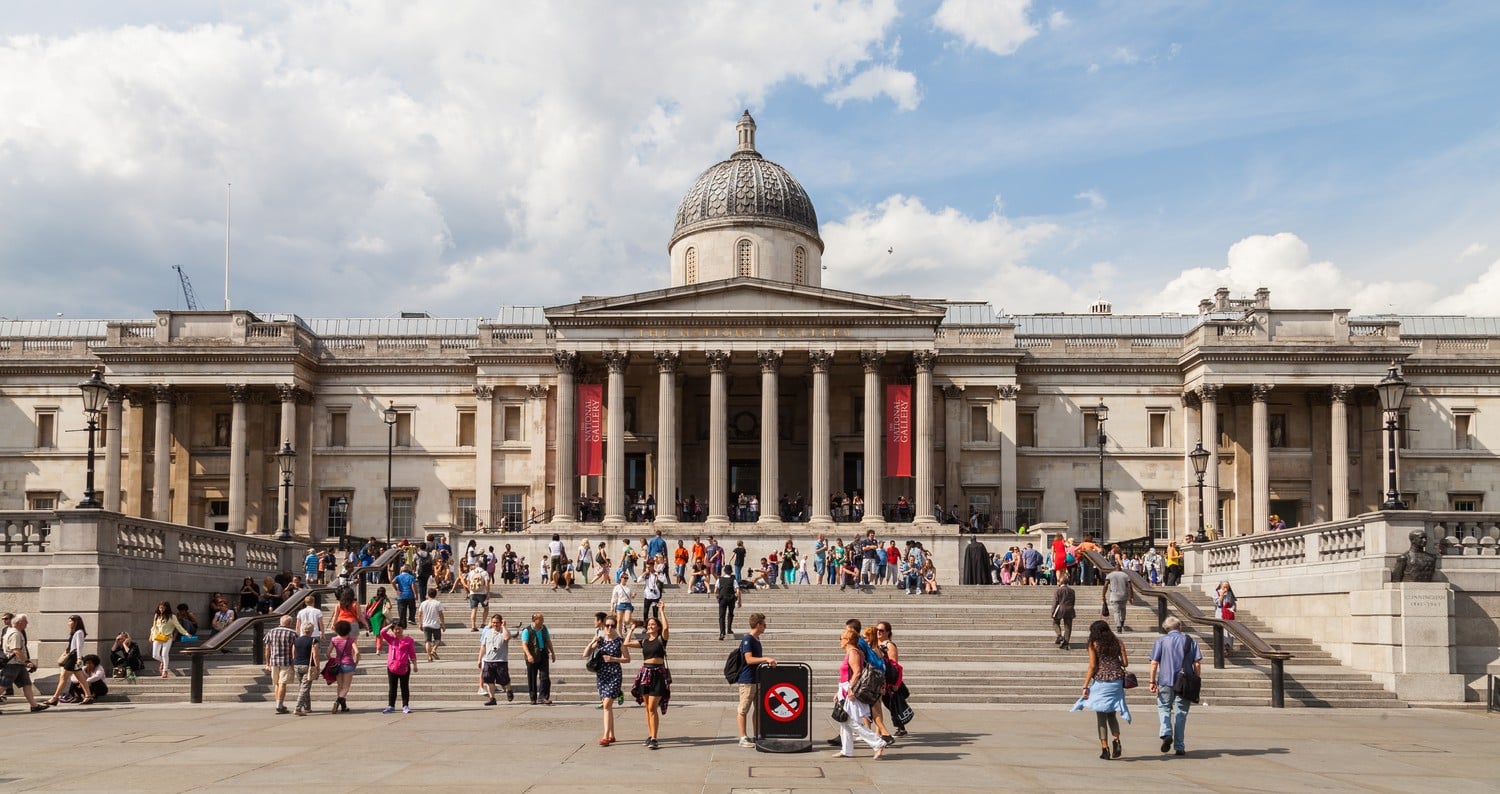
The Gallery’s origins are rooted in a desire for a national art institution, born from the legacy of wealthy collectors like John Julius Angerstein. Initially conceived as a space to showcase the finest European paintings, it quickly evolved into a comprehensive collection reflecting artistic trends and movements. From its humble beginnings, the gallery has expanded through generous donations, strategic acquisitions, and careful curation – a process that continues to shape its identity today. The building itself is an integral part of the experience, designed by the neoclassical architect William Wilkins, echoing the majesty of Roman temples with its imposing yet welcoming portico. Soaring ceilings and expansive spaces create an atmosphere of reverence, allowing visitors to fully appreciate the scale and detail of the artworks displayed within. The meticulous preservation efforts ensure that each piece is presented with dignity, enhancing the overall experience and underscoring the Gallery’s commitment to safeguarding artistic heritage for future generations. This architectural grandeur isn't just functional; it’s a deliberate attempt to amplify the impact of art, creating an environment where contemplation and inspiration can flourish – a space designed not simply to house masterpieces, but to elevate their significance.
Renaissance Revelations: Botticelli & Raphael
Moving into the Baroque era, one encounters a shift in artistic style – a move towards drama, dynamism, and emotional intensity. Peter Paul Rubens’ monumental paintings pulsate with energy, capturing movement and emotion through vibrant color palettes and dramatic compositions. His works, like *The Descent from the Cross*, are filled with swirling figures and intense expressions, conveying a sense of profound religious fervor. The sheer scale and theatricality of these canvases invite viewers to become fully immersed in the narrative unfolding before them. Diego Velázquez’s *The Toilette of Venus* offers a fascinating self-referential exploration of artistic representation itself. This painting isn't just a portrait; it’s a meditation on beauty, mythology, and the artist’s craft – a subtle commentary on the act of creating art and the challenges of capturing reality on canvas. Velázquez’s meticulous detail and psychological insight are truly remarkable; he masterfully utilizes light and shadow to create a sense of depth and realism, drawing the viewer into the intimate scene. Examining his techniques reveals a profound understanding of human psychology and the ability to translate complex ideas into visually arresting images – a testament to his genius as both an artist and a keen observer of human nature.
Alongside Rubens and Velázquez, The National Gallery boasts a breathtaking collection of Renaissance masterpieces. Sandro Botticelli’s *Primavera* and *Birth of Venus*, painted around 1482 and 1486 respectively, are arguably the gallery's most iconic works. These canvases seem to breathe with the freshness of springtime, imbued with delicate pastel hues and graceful lines depicting mythological scenes of renewal – a celebration of life, love, and the natural world. The figures are rendered with an ethereal quality, capturing a sense of idealized perfection that defined the era. Botticelli’s mastery lies in his ability to imbue these classical narratives with a deeply human sensibility, inviting viewers to contemplate themes of beauty, desire, and mortality. Raphael's *Madonna in the Meadow*, painted around 1506, exemplifies the serene harmony and intellectual spirit of the High Renaissance. His works demonstrate a masterful command of perspective and proportion, creating scenes of profound peace and grace. These artists weren’t simply depicting subjects; they were exploring the very essence of human experience through the lens of classical antiquity – a pursuit that continues to resonate powerfully today.
Beyond the Masters: Symbolism & Innovation
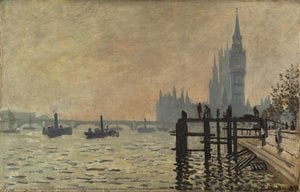
While Botticelli, Raphael, Rubens, and Velázquez represent the Gallery’s core collection, it also holds treasures that reveal deeper layers of meaning and innovation. Hans Holbein the Younger’s *The Ambassadors*, painted in 1533, transcends mere portraiture to become a complex allegory brimming with symbolism. The inclusion of a skull—a poignant *memento mori*—serves as a stark reminder of life’s fleeting nature, prompting reflection on virtue and mortality. Dutch Masters like Rembrandt and Vermeer revolutionized genre painting through their masterful manipulation of light and shadow. Rembrandt's portraits capture the psychological depth of his subjects with uncanny realism, while Vermeer elevates everyday scenes to art form, meticulously detailing atmospheric perspective and conveying a sense of quiet contemplation. Finally, The National Gallery showcases the revolutionary impact of Impressionism and Post-Impressionism – movements spearheaded by Monet, Van Gogh, Renoir, and Cézanne – irrevocably altering artistic perception and paving the way for modern art's embrace of subjectivity and experimentation.
Community Engagement & Unique Aspects
The Gallery’s collection showcases how these masters utilized light, color, and composition to evoke powerful emotions and engage viewers on a visceral level. Beyond the iconic works, explore preparatory sketches and studies that reveal the creative process behind these masterpieces – offering a rare glimpse into the minds of the artists themselves. The Gallery actively engages with contemporary issues through thoughtfully curated exhibitions and educational programs, ensuring its relevance for future generations. With free admission to all, The National Gallery solidifies its position as a cornerstone of British cultural heritage—a timeless treasure inviting exploration and inspiring awe in every visitor. Furthermore, the gallery regularly partners with local organizations and schools, fostering a sense of community engagement and ensuring that art continues to inspire future generations. Don’t miss the opportunity to admire *The Portico of the National Gallery London* by Jacques-Joseph Tissot – a stunning depiction of the building's grand entrance, capturing its architectural splendor and reflecting the gallery’s commitment to preserving artistic heritage.