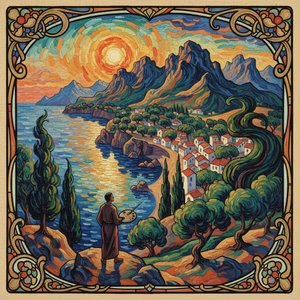
Et liv smidd i stein og tro: Antoni Gaudís verden
Antoni Gaudí i Cornet, født 25. juni 1852 i den katalanske byen Reus i Spania, var ikke bare en arkitekt; han var en visjonær som skulpturerte drømmer til virkelighet. Hans livshistorie er like fengslende og ukonvensjonleg som bygningene som bærer hans uutslettelige preg. Oppveksten blant de bølgende åsene og det røffe landskapet i Catalonia formet Gaudís kunstneriske sans dypere enn ord kan beskrive. All fra barndommen av utviste han en skarp observasjonsevne, der han metodisk studerte naturens former og teksturer – en innflytelse som skulle bli selve hjørnesteinen i hans unike arkitektoniske språk. Familielivet var preget av både trygghet og begrensninger; hans far, en kobbersmed, inngav i ham en dyp respekt for håndverket, mens hans mors hengivne katolisisme fostret en åndelig forbindelse som gjennomsyret hele hans senere virke. Disse tidlige erfaringene la grunnlaget for en karriere dedikert til å harmonisere kunst, natur og tro. Hans formelle utdannelse begynte ved Piarist-skolen i Reus, etterfulgt av studier ved Universitetet i Barcelona, før han til slutt begynte ved den provinsielle arkitekthøyskolen, hvor han ble uteksaminert i 1878. Selv i sine akademiske år var Gaudís talent åpenbart, selv om det kanskje ikke ble anerkjent på konvensjonelt vis; hans professorer anerkjente hans ferdigheter, men strevde ofte med å forene dem med etablerte normer. Han utfylte sin utdannelse ved å arbeide som tegner for arkitekten Josep Fontserè i Mestres, og bidro til prosjekter som Ciutadella-parken i Barcelona – et tidlig glimt av de urbane landskapene han snart skulle transformere.
En unik visjons blomstring
Gaudís første oppdrag viste en spirende stil som på dyktig vis blandet historiske influenser—nygotikk og orientalisme—men det var hans medfødte evne til å transcendere etterligning og skape noe helt nytt som skilte ham fra mengden. Casa Vicens (1883–18term8) står som et tidlig vitnesbyrd om denne voksende originaliteten, der mauriske og nygotiske elementer er vevd sammen med en levende fargepalett og intrikate detaljer. Det var imidlertid arbeidet med basilikaen Sagrada Família i 1883 som virkelig definerte hans livsverk. Det som begynte som et relativt konvensjonelt nygotisk prosjekt, utviklet seg raskt under Gaudís ledelse til et dristig, organisk mesterverk—et testament til hans urokkelige visjon og innovative strukturelle teknikker. Han så ikke bare for seg en bygning, men en «steinbibel», hvor hvert element var gjennomsyret av religiøs symbolikk. Samtidig skapte Gaudí arkitektoniske underverker som Casa Batlló og Casa Milà (La Pedrera), ferdigstilt mellom 1904 og 1910. Disse strukturene trosset arkitektoniske konvensjoner med sine bølgende fasader, skjelettaktige former og avvisning av streng symmetri. De var ikke bare bygninger, men levende organismer som pustet med en unik energi. Parc Güell, påbegynt i 1900, eksemplifiserte ytterligere hans mesterskap i å integrere arkitektur med det naturlige landskapet, ved bruk av fargerike mosaikker—hans signaturteknikk *trencadís*—for å skape harmoniske rom som føltes både eventyrlige og dypt åndelige. Selv tidligere verk som Palau Güell (1886–1888) viste hans eksperimentering med parabolske buer og nyskapende materialbruk, noe som varslet de strukturelle gjennombruddene som skulle komme.
Natur, tro og innovasjon: Pilarene i Gaudís geni
I hjertet av Gaudís arkitektoniske filosofi lå en urokkelig ærefrykt for naturen. Han trodde at naturlige former bar nøkkelen til perfekt design, og studerte metodisk alt fra skjell og trær til dyreskjeletter. Denne biomimikken var ikke bare estetisk; den informerte også hans strukturelle innovasjoner. Hans ekvilibrerte konstruksjoner—avhengige av skrånende søyler og lette kvelv i fliser—var en direkte respons på observasjoner av hvordan naturlige elementer fordeler vekt effektivt, noe som eliminerte behovet for tradisjonelle strebebuuer. Utover naturen var Gaudís dype katolske tro en like mektig innflytelse, spesielt tydelig i Sagrada Família, hvor religiøs symbolikk er vevd inn i hver eneste flate av designet. Basilikaen var ikke bare et sted for tilbedelse; den var ment å være en fysisk manifestasjon av kristne trosforestillinger. Han var også en pioner innen *trencadís*-teknikken—en mosaikkform som benytter knuste keramikkbiter—noe som skapte levende, teksturerte overflater som tilførte enda et lag av organisk skjønnhet til hans kreasjoner. Hans tidlige eksponering for nygotiske og orientalske impulser ga et fundament, men han replikerte ikke bare disse stilene; han absorberte dem, transformerte dem, og overskred dem til slutt for å skape noe som var unikt hans eget.
En varig arv: Gaudís innvirkning på verden
Antoni Gaudí regnes med rette som den største eksponenten for katalansk modernisme (Art Nouveau), en bevegelse som søkte å forme en distinkt kulturell identitet for Catalonia gjennom kunst og arkitektur. Hans arbeid handlet ikke bare om å reise strukturer; det handlet om å skape en opplevelse, fremkalle følelser og feire sitt fedrelands ånd. I dag er syv av Gaudís mesterverk—Sagrada Família, Park Güell, Casa Batlló, Casa Milà, Palau Güell, Casa Vicens og krypten i Colonia Güell—utpekt som UNESCO-verdensarvsteder, et vitnesbyrd om deres eksepsjonelle universelle verdi. Hans innflytelse på arkitektur strekker seg langt utover Spanias grenser; arkitekter og designere over hele verden fortsetter å hente inspirasjon fra hans innovative former, strukturelle teknikker og helhetlige tilnærming til design. Tragisk nok ble Gaudís liv avbrutt den 10. juni 1926, da han ble truffet av en trikk i Barcelona. Ironisk nok førte hans beskjedne fremtoning til at mange trodde han bare var en tigger, noe som forsinket medisinsk hjelp helt til det var for sent. Til tross for hans død fortsatte byggingen av Sagrada Família basert på hans nitidige detaljerte planer og modeller, og er nå planlagt ferdigstilt i 2026—hundreårsjubileet for hans bortgang. Videre igangsatte den katolske kirken en prosess for Gaudís kanonisering i 2003, som en anerkjennelse av både hans hengivne tro og hans ekstraordinære kunstneriske bidrag—en verdig hyllest til mannen som viet sitt liv til å bygge monumenter som berører himmelen.
Utover murstein og mørtel: Gaudís evige ånd
- Katalansk identitet: Gaudís arbeid ble synonymt med katalansk kultur og legemliggjorde en ånd av uavhengighet og kunstnerisk innovasjon.
- Arkitektonisk revolusjon: Han utfordret konvensjonelle arkitektoniske normer ved å bane vei for nye strukturelle teknikker og omfavne organiske former.
- Åndelig resonans: Hans dype tro gjennomsyret hans kreasjoner med religiøs symbolikk og en følelse av det hellige.
- Varig inspirasjon: Gaudí fortsetter å inspirere arkitekter, kunstnere og designere over hele verden, og etterlater en varig arv i det moderne kunst- og arkitekturlandskapet.
Antoni Gaudí var mer enn bare en arkitekt; han var en poet i stein, en visjonær som forvandlet Barcelona til et levende kunstverk. Hans bygninger er ikke bare strukturer, men vitnesbyrd om kraften i fantasi, tro og den evige skjønnheten i den naturlige verden.
Spørsmål og svar
Hvor er Antoni Gaudí sine kunstverk gruppert etter nøkkelord?
For å finne verk av Antoni Gaudí innen et spesifikt tema, kan du bruke kunstnerens Etter nøkkelord-side, som grupperer kunstverkene etter nøkkelord.
I hvilken historisk periode arbeidet Antoni Gaudí?
Antoni Gaudí arbeidet i perioden tallet. Perioden plasserer kunstnerens virke i historien.
Hvor finner man Antoni Gaudí sine kunstverk kategorisert etter motiv?
Motivatlas til Antoni Gaudí er en side som kartlegger kunstnerens verk etter motiv.
Kan jeg sortere Antoni Gaudí sine kunstverk etter farge?
Siden Spektralindeks organiserer Antoni Gaudí sine kunstverk etter farge.
Hvor mange kunstverk av Antoni Gaudí er tilgjengelige for gjennomgang?
Du kan bla gjennom 19 kunstverk verk av Antoni Gaudí på siden Alle kunstverk.
Hvor og når ble Antoni Gaudí født?
Antoni Gaudí ble født i Reus i 1852.
Hvilke andre navn er Antoni Gaudí kjent under?
Antoni Gaudí er også kjent som Gaudi.
Hvor kommer Antoni Gaudí fra?
Antoni Gaudí ble født i Spania.