Forhåndsvisning
 Send
Send Del
Del
 Vis detaljer
 Utskriftsvennlig guide

 Last ned bilde
 Liknende objekter
 Røntgenundersøkelse
 Lysbildefremvisning
 Spørsmål og svar
 Statistikk
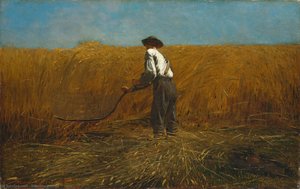
Beach Scene

 Vis hele teksten
Giclée / Kunsttrykk
Giclée- eller lerretsprint av museumskvalitet med rask produksjon og fleksible valgmuligheter for etterbehandling. ( Kjøp håndmalt maleri Bytt til digitalt bilde)




P118B Nkr10

P118H Nkr10

P118W Nkr10

P438Z Nkr10

P508JH Nkr12

P508YH Nkr12

P805H Nkr10

P805Z Nkr10

P919BZ Nkr10

P919G Nkr10

P919XJ Nkr10

P959ZH Nkr10

P968JZ Nkr12

W106C Nkr8

W218G Nkr10

W218JH Nkr8

W218Y Nkr10

W307PJ Nkr10

W316G Nkr10

W316PJ Nkr8

W316Y Nkr10

W398PJ Nkr8

W4111J Nkr10

W500HY Nkr15

W500JH Nkr15

W692G Nkr12

W849H Nkr8

W940BG Nkr15

W953PJ Nkr8




Velg mellom våre forhåndsdefinerte størrelser som bevarer kunstverkets opprinnelige proporsjoner.

Skriv inn ønsket bredde og høyde for å tilpasse trykket til din ramme eller vegg. Et trykk kan kun beskjæres, aldri skaleres opp utover motivets opprinnelige størrelse, noe som betyr at et format med andre proporsjoner vil føre til tap av deler av bildet. Vi sender deg en digital mockup for godkjenning før vi starter trykkeprosessen. Bildet som vises på denne siden viser ikke den faktiske beskjæringen — det er kun mockuppen som viser dette.
Verdensomspennende levering () på 2 uker i stedet for standard 4/5 uker. (8 November)

Gratis ekspressfrakt over hele verden

Lerretsduk av lin av høy kvalitet

Full transportforsikring

Garanti for refusjon av toll og importavgifter

Garantert fargegjengivelse

100 dagers returrett ved fabrikasjonsfeil

100% pengene tilbake-garanti

Rabatt ved flere kjøp
 Glassalternativet er kun tilgjengelig i størrelser under 110 cm

Beach Scene
Giclée / Kunsttrykk
Størrelse på reproduksjon
-


Totalpris for valgte alternativer
Nkr 603
A Glimpse into American Leisure: Decoding Winslow Homer’s “Beach Scene”
Winslow Homer's “Beach Scene” is more than just a depiction of seaside recreation; it’s a vibrant snapshot of 19th-century American life, capturing a moment of burgeoning leisure and the nation’s growing connection with its coastline. Painted during a period of significant social change and increasing accessibility to vacation destinations, this work offers a fascinating window into the past while resonating with timeless themes of relaxation and community.Composition and Narrative
The canvas teems with life, presenting at least thirteen figures engaged in various activities along the shore. From swimmers braving the waves to families strolling the sand and individuals simply enjoying the ocean breeze, Homer masterfully portrays a diverse group immersed in their own moments of respite. A small boat gracefully glides on the water towards the right, adding depth and suggesting journeys beyond the immediate scene. The composition isn’t rigidly structured; instead, it feels organic and spontaneous, mirroring the natural ebb and flow of beach life. This deliberate arrangement draws the viewer into the heart of the scene, inviting them to become a silent observer of this idyllic moment.Technique and Style: A Realist's Touch
“Beach Scene” exemplifies Homer’s commitment to realism, yet it transcends mere imitation. His brushwork is loose and expressive, particularly in rendering the water and sand, conveying texture and movement with remarkable skill. The artist doesn’t strive for photographic precision; rather, he focuses on capturing the *impression* of light, air, and atmosphere. This approach aligns him with emerging Impressionistic tendencies, though Homer remained firmly rooted in a realist tradition. His use of oil paint allows for rich color saturation and subtle gradations, enhancing the painting's overall vibrancy.The Language of Light and Color
Light is paramount in “Beach Scene.” It’s not merely an illuminator but an active participant in shaping the mood and defining forms. Homer skillfully depicts how sunlight interacts with the water, sand, and figures, creating a sense of depth and dimensionality. The interplay of light and shadow adds visual interest and draws the eye across the canvas. The color palette is bright and cheerful, dominated by blues, greens, and sandy tones, evoking a feeling of warmth and tranquility.Historical Context: Leisure in 19th-Century America
The late 19th century witnessed a growing middle class with increased disposable income and leisure time. Coastal resorts became increasingly popular destinations for vacations, offering an escape from the demands of urban life. Homer’s painting reflects this cultural shift, portraying the beach not just as a geographical location but as a symbol of recreation and social interaction. It's important to note that while seemingly idyllic, access to such leisure was often limited by class and race during this period – a subtle undercurrent worth considering when interpreting the work.Symbolism and Emotional Resonance
Beyond its realistic depiction, “Beach Scene” carries symbolic weight. The ocean itself represents freedom, vastness, and the power of nature. The figures engaged in leisure activities embody a sense of optimism and contentment. The painting evokes feelings of nostalgia, tranquility, and a longing for simpler times. It’s a celebration of everyday life and the joy found in shared experiences.Winslow Homer: A Master of American Art
Born in 1836, Winslow Homer began his career as a commercial illustrator before dedicating himself to fine art painting. He became renowned for his marine subjects, landscapes, and depictions of rural life. His ability to capture the essence of American identity and the beauty of the natural world cemented his place as one of the most important artists in American history. Homer’s work continues to inspire and captivate audiences today, offering a timeless glimpse into a bygone era.Collecting & Interior Design Considerations
A reproduction of “Beach Scene” would be a stunning addition to any art collection or interior space. Its bright colors and cheerful subject matter make it particularly well-suited for living rooms, dining areas, or coastal-themed décor. The painting’s size allows for versatility in placement, while its classic style ensures it will complement a wide range of aesthetic preferences. Consider framing the reproduction with a simple, elegant frame to allow the artwork itself to take center stage.- Ideal for: Coastal interiors, traditional living spaces, art collectors.
- Color Palette: Blues, greens, sandy tones – complements neutral and warm color schemes.
- Mood: Relaxing, cheerful, nostalgic.
Spørsmål og svar
Hvilken farge dominerer komposisjonen i "Beach Scene" av Winslow Homer?
Espresso (#5c5c50) er den dominerende fargen i "Beach Scene" av Winslow Homer.
Er "Beach Scene" av Winslow Homer i det frie domene (public domain), og hvorfor?
Opphavsrettslig status for "Beach Scene" – fritt tilgjengelig – opphavsretten har utløpt – følger av kunstnerens dødsår, 1910.
Hvilken fargetone dominerer i "Beach Scene"?
En Green to Violet Spectrum nyanse preger "Beach Scene" av Winslow Homer.
Lignende kunstverk


Om kunstneren
A Brush with the American Spirit: The Life and Art of Winslow Homer
Winslow Homer, born in Boston in 1836, wasn’t sculpted by the traditional European art academies that shaped so many of his contemporaries. Instead, he emerged from a distinctly American experience, one rooted in practicality and observation. His journey began not with grand historical canvases, but as a commercial illustrator at the tender age of twelve for Harper's Weekly. This early apprenticeship was formative, honing an exceptional ability to capture scenes with clarity and detail – skills that would become hallmarks of his mature work. He wasn’t learning perspective in Paris; he was learning to *see* America, its people, and its unfolding story. The bustling streets of Boston, the quiet dignity of rural New England life, these were his first subjects, rendered with a precision born of necessity for the demands of print media. This foundation allowed him to transition into painting, initially in watercolor, before fully embracing the expressive potential of oil paints.From Pastoral Scenes to the Raw Power of Nature
Homer’s early paintings often depicted idyllic scenes – children playing, farmers tending their fields, quiet moments of domesticity. These works, while charming, hinted at a deeper artistic sensibility waiting to be unleashed. The catalyst for this transformation was undoubtedly the Civil War. As a war correspondent for Harper's Weekly, Homer witnessed firsthand the brutal realities of conflict. He didn’t focus on heroic battles or grand strategies; instead, he documented the everyday lives of soldiers and civilians, the quiet moments of grief and resilience amidst chaos. This experience profoundly altered his artistic vision. The pastoral scenes gave way to more challenging subjects: veterans grappling with trauma, freed slaves navigating a new world, and the stark beauty of landscapes touched by hardship. He began to explore themes of struggle, isolation, and humanity’s precar He wasn't interested in imitating European styles; he wanted to create an art that was uniquely American, reflecting its landscapes, its people, and its challenges. His style also evolved, becoming bolder and more direct, reflecting the raw emotional impact of what he had witnessed. Breezing Up (A Fair Wind), painted in 1876, exemplifies this skill – a quintessential depiction of American maritime life, brimming with energy and movement. The Gulf Stream, created decades later, is perhaps his most iconic work, a powerful and symbolic portrayal of a lone man battling the forces of nature, a metaphor for human struggle against overwhelming odds. He wasn’t simply painting what he saw; he was conveying a feeling, an emotional truth about the human condition.Mastering Light, Texture, and the American Landscape
Winslow Homer's artistic technique is immediately recognizable for its solidity and texture. He wasn’t interested in fleeting impressions; he wanted to build up a sense of tangible reality on the canvas. His oil paintings are characterized by a direct painting approach – layers of paint applied with confidence, creating depth and luminosity. He possessed an extraordinary ability to capture light, whether it was the dazzling glare of the sun on the ocean or the soft glow of twilight over a rural landscape. This mastery extended to his watercolors, where he achieved remarkable atmospheric effects through vibrant colors and delicate washes. He admired European artists like those of the Barbizon school – known for their realistic depictions of rural life – and acknowledged influences from Courbet and Millet, but he ultimately forged his own distinctly American path.A Legacy Forged in American Realism
Winslow Homer's art offers a profound window into 19th-century America, providing invaluable insights into the social, political, and cultural landscape of his time. His paintings are not merely beautiful representations; they are powerful statements about human resilience, the beauty and power of nature, and the complexities of the American experience. He died in 1910, leaving behind a prolific body of work that continues to resonate with audiences today. His ability to depict America with honesty and authenticity – without romanticizing or idealizing it – ensures his place as one of America’s most important and enduring artists. His influence can be seen in the work of later American painters who sought to depict their own country with similar directness and emotional depth.- His work continues to inspire contemporary artists.
- Homer remains a pivotal figure in the development of American Realism.

Winslow Homer
1836 - 1910 , USA
Kort om kunstneren
- Artistic Movement Or Style: Amerikansk Realisme
- Artists Or Movements Influenced By This Artist: ['Amerikanske malere']
- Artists Who Influenced This Artist:
- Barbizon skole
- Courbet
- Millet
- Date Of Birth: 24. februar 1836
- Date Of Death: 29. september 1910
- Full Name: Winslow Homer
- Nationality: Amerikaner
- Notable Artworks:
- Breezing Up
- Gulfstrømmen
- Usinn
- Vitenskapsmann
- Place Of Birth: Boston, USA
Relaterte artikler

Romantic Realism's Finest: 10 Masterpieces for Your Home | ArtsDot
Explore 10 defining masterpieces of Romantic Realism! Discover Courbet, Millet & Daumier's powerful paintings—capturing emotion and social realities. Find museum-quality reproductions for your home at ArtsDot.com.

1800-tallets Mesterverk: 10 Kunstverk som Definerer Epoken – ArtsDot.no
Opplev 1800-tallets kunst gjennom 10 ikoniske mesterverk! Fra romantikk til impresjonisme – lær om Munch, Van Gogh og Monet. Finn museumskvalitets reproduksjoner & interiørinspirasjon på ArtsDot.com. Utforsk samlingen online!

American Realism: Social Commentary & Artistic Representation in Early 20th-Century Painting
Explore the powerful social commentary & artistic representation of American Realism. Discover key artists like Bellows & Sloan, and understand the movement's lasting impact on 20th-century art history.

Winslow Homer: Topp 25 Kunstverk – Malerier som Fanger Amerikas Ånd | ArtsDot.no
Oppdag de 25 mest ikoniske maleriene av Winslow Homer! Utforsk amerikansk kunst, realistisk stil og vakre landskap. Finn inspirasjon til interiørdesign & kjøp eksklusive reproduksjoner på ArtsDot.com.

Amerikansk Realisme: 10 Mesterverk som Formet Kunsten – ArtsDot.no
Utforsk 10 ikoniske mesterverk fra amerikansk realisme! Oppdag Edward Hopper, Andrew Wyeth og Grant Wood – historiene bak kunsten, teknikker & farger. Finn reproduksjoner av høy kvalitet for ditt hjem på ArtsDot.com. Utforsk samlingen online!