


 Forhåndsvisning
 Send
Send Del med andre
 Vis detaljer

 Last ned bildet
 Liknende objekter
 Røntgenundersøkelse
 Lysbildefremvisning
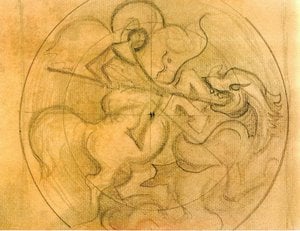
Printemps
 1938
1938 26.0 x 35.0 cm
 The National Trust For Scotland
 Vis hele teksten
Håndlaget oljereproduksjon
Håndmalt olje på lerret i din valgte størrelse og ramme, laget på bestilling av våre kunstnere. ( Kjøp trykk Kjøp bilde)




































Velg mellom våre forhåndsdefinerte størrelser som bevarer kunstverkets opprinnelige proporsjoner.

Du kan angi egne mål for å tilpasse en spesifikk ramme eller plass. Dersom den valgte størrelsen ikke samsvarer med originalbildets proporsjoner, vil vi enten beskjære kunstverket eller utvide maleriet med ytterligere håndmalte elementer. En digital mockup vil bli sendt til din godkjenning før produksjonen starter.
Vennligst merk at forhåndsvisningen på skjermen ikke gjenspeiler den faktiske beskjæringen eller utvidelsen. Kun mockuppen vil vise den endelige komposisjonen nøyaktig.
Selv om tilpassede størrelser er tilgjengelige, anbefaler vi å velge et mål fra den forhåndsdefinerte listen for å bevare de originale proporsjonene.
Etter bestilling vil ArtsDot.com-teamet sende e-post til kunden for instruksjoner og sende et utkast (mockup) som forhåndsvisning.
Verdensomspennende levering () på 3–4 uker i stedet for standard 5 uker. (27 August). Ingen kompromisser med kvaliteten.

Gratis ekspressfrakt over hele verden

Lerretsduk av høykvalitets lin

Full forsikring under transport

Garanti for refusjon av toll og importavgifter

Garantert korrekt fargegjengivelse

60 dagers returrett (kun ved feil)

100% pengene tilbake-garanti

Rabatt ved flere kjøp
 Glassalternativet er kun tilgjengelig i størrelser under 110 cm

Printemps
Teknikk for reproduksjon
Størrelse på reproduksjon
-


Endelig pris
$ 263
Lignende kunstverk


Om kunstneren
The Soul of the Flemish Landscape: The Life and Vision of Valerius de Saedeleer
Valerius de Saedeleer stands as a monumental figure in the tapestry of Belgian art, a painter whose brush captured not merely the physical contours of the earth, but the very spiritual essence of the landscape. Born in 1867 in Aalst, his early years were far removed from the serene, mystic vistas that would later define his legacy. The son of a small businessman involved in the soda and soap industry, De Saedeleer’s youth was marked by a tension between familial expectation and an irrepressible creative spirit. Forced by his father to abandon formal schooling at fifteen for a more practical vocation, he found himself apprenticed to a weaving workshop in Ghent. While this period of textile study seemed a detour from the fine arts, it instilled in him a profound, meticulous appreciation for texture and detail—a quality that would later breathe life into his sweeping landscapes.
Driven by an unyielding passion, De Saedeleer secretly pursued his true calling at the Academy of Fine Arts in Ghent. It was within these hallowed halls that he forged vital connections with fellow visionaries like Theo van Rysselberghe and George Minne, forming a nucleus of talent that would eventually challenge the academic status quo. Seeking greater creative freedom, he moved to Brussels to study under the Impressionist master Franz Courtens. This transition was transformative; through Courtens, De Saedeleer was introduced to the luminous, light-drenched techniques of Emile Claus, yet he resisted a simple imitation of Impressionism. Instead, he began to weave together the fleeting light of the modern era with a deeper, more permanent sense of Symbolist mystery and the enduring traditions of 16th-century Flemish landscape painting.
A Journey Through Light and Shadow
The trajectory of De Saedeleer’s life was as much defined by personal struggle as it was by artistic triumph. His marriage in 1889 to Clementina ‘Clemmeke’ Limpens brought with it a substantial dowry, which the young couple used to establish a grocery business in Blankenberge. However, the subsequent bankruptcy of this venture plunged them into a period of wandering and near-destitution. This era of instability, moving through towns like Damme and Ghent, perhaps deepened the artist's connection to the land, fostering a nomadic sensitivity that allowed him to observe the Belgian countryside with an unclouded, searching eye.
As his style matured, De Saedeleer became a cornerstone of the First School of Latem. His work moved away from the purely descriptive toward the evocative, characterized by:
- Symbolist Resonance: A profound ability to imbue natural scenes with a sense of religious and mystic significance.
- Structural Depth: The use of bold brushstrokes and vivid colors to create compositions that feel both grounded in reality and elevated by imagination.
- Historical Continuity: A masterful blending of contemporary modernist trends with the atmospheric depth found in the works of Old Flemish masters.
In masterpieces such as The Windmill, one can witness this synthesis of technique and emotion. The painting showcases a serene landscape where the central subject is not merely a structure of wood and cloth, but a totem of tranquility amidst the vastness of nature. His ability to manipulate light to suggest a spiritual presence transformed the Belgian landscape into a stage for the sublime.
Legacy and Historical Significance
Valerius de Saedeleer’s contribution to art history extends far beyond the borders of Belgium. By bridging the gap between the traditionalism of the 16th century and the burgeoning modernism of the early 20th century, he provided a vital link in the evolution of European landscape painting. He did not merely paint trees, fields, or skies; he painted the silence, the weight of history, and the quietude of the soul. His influence can be seen in the way subsequent generations approached the concept of the "spiritual landscape," moving away from literal representation toward emotional truth.
Though his life was marked by the hardships of economic instability and the pressures of social conformity, his artistic output remained a steadfast pursuit of beauty and meaning. Today, De Saedeleer is remembered not just as a painter of the First School of Latem, but as a pioneer who taught us to look at the landscape and see the infinite. His works remain enduring testaments to the power of nature to reflect the deepest mysteries of human existence, ensuring his place in the pantheon of great masters of the Symbolist movement.

Valerius de Saedeleer
1867 - 1941
Kort om kunstneren
- Artistic Movement Or Style: Symbolist Landscape Painting
- Artists Or Movements Influenced By This Artist: ['First School of Latem']
- Artists Who Influenced This Artist:
- Franz Courtens
- George Minne
- Date Of Birth: 1867
- Date Of Death: 1941
- Full Name: Valerius de Saedeleer
- Nationality: Belgian
- Notable Artworks:
- Landscape with Apple Tree
- The Windmill
- Printemps
- Place Of Birth: Aalst, Belgium

